So You Want Your Cashiers to Actually Care About Customers
Here's a scenario that probably sounds familiar: a customer walks up to your register, your cashier mumbles a barely-audible greeting while staring at the screen, scans the items in robotic silence, and sends the customer off with a receipt and zero warm feelings about your business. The customer leaves. They don't come back. And somewhere in the universe, a Yelp review is being drafted.
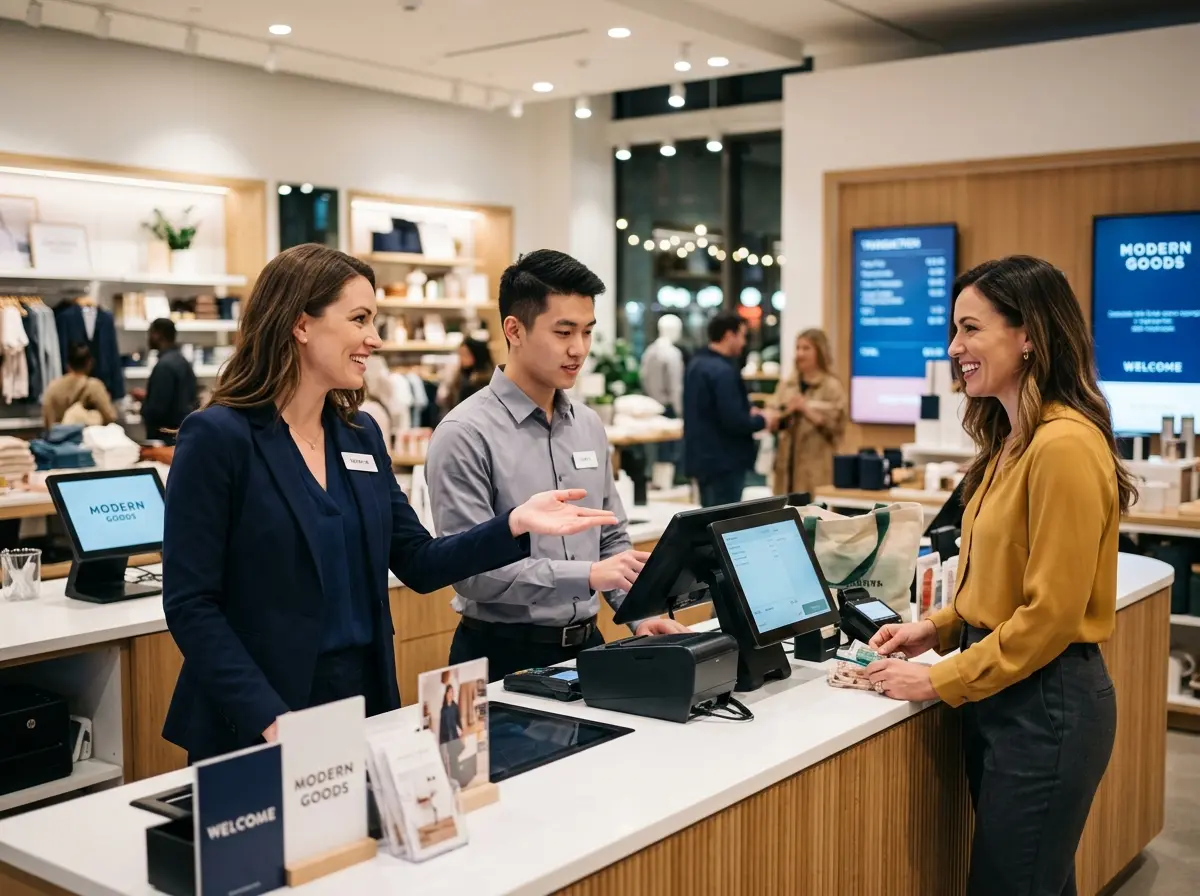
The good news? Cashiers aren't born indifferent — they're often just untrained. The role of a cashier has quietly evolved from "person who handles money" to "frontline ambassador of your brand," and most training programs haven't caught up. Customers today expect a personalized, engaging experience at every touchpoint, and the checkout counter is one of the most powerful — and most wasted — opportunities to deliver that.
This guide is for business owners who want to stop leaving customer experience to chance and start turning their checkout staff into genuine relationship builders. No fluff, no motivational posters required — just practical, actionable training strategies that actually work.
Building the Foundation: What Great Customer Experience Actually Looks Like
It Starts With Genuine Engagement, Not a Script
The first mistake most businesses make is handing cashiers a script and calling it training. "Hi, did you find everything okay?" is so overused that customers respond on autopilot — "Yep, fine" — without either party making any real human connection. Scripted greetings are better than silence, but they're a floor, not a ceiling.
Train your cashiers to engage authentically. This means teaching them to read body language, notice context clues (a customer buying birthday candles and a cake mix might appreciate a quick "Hope the party goes well!"), and ask open-ended questions when appropriate. The goal isn't to interrogate customers — it's to make them feel seen. According to a PwC study, 73% of consumers say customer experience is a key factor in their purchasing decisions, yet most feel businesses fail to deliver it consistently.
Encourage your team to drop the auto-pilot phrases and replace them with genuine curiosity. A little authenticity goes a long way, and it's completely free — which, as a business owner, you'll appreciate.
Product Knowledge Is Non-Negotiable
Nothing kills customer confidence faster than a cashier who responds to "Is this gluten-free?" with a blank stare and a slow pivot toward the back room. Your cashiers don't need to be walking encyclopedias, but they should know your core products, current promotions, and where to quickly find answers for everything else.
Build product knowledge into your onboarding process and revisit it regularly — especially when new items, services, or seasonal specials are introduced. Consider brief weekly "product spotlights" at the start of shifts, where a manager highlights one or two items and explains their features and benefits. Pair this with easy-access reference materials (laminated cheat sheets, a staff app, or even a shared document) so cashiers can look confident even when they're still learning.
A cashier who can confidently say, "That's one of our best sellers — people love it especially for X," is doing subtle sales work without ever feeling pushy. That's the sweet spot.
Attitude Training: The Soft Skill That Makes Everything Else Work
Technical skills are teachable. Attitude is coachable — but only if you're intentional about it. Customer-facing roles are emotionally demanding, and burnout, bad days, and boredom will eventually erode even the most enthusiastic new hire if they're not supported.
Train your cashiers on emotional resilience: how to handle rude customers without internalizing it, how to de-escalate minor frustrations before they become scenes, and how to maintain warmth even during a lunch rush that would break most people. Role-playing is genuinely effective here — act out difficult customer scenarios in a low-stakes environment so cashiers feel prepared when the real thing happens. It might feel silly, but it works.
How Technology Can Lighten the Load (and Set Your Team Up for Success)
Let AI Handle the Routine So Humans Can Focus on Connection
One of the biggest reasons cashiers underperform on customer experience isn't attitude — it's overwhelm. When your staff is fielding phone calls, answering "What time do you close?" for the fifteenth time, and simultaneously managing a line of customers, the quality of every interaction suffers. This is where smart technology can genuinely help.
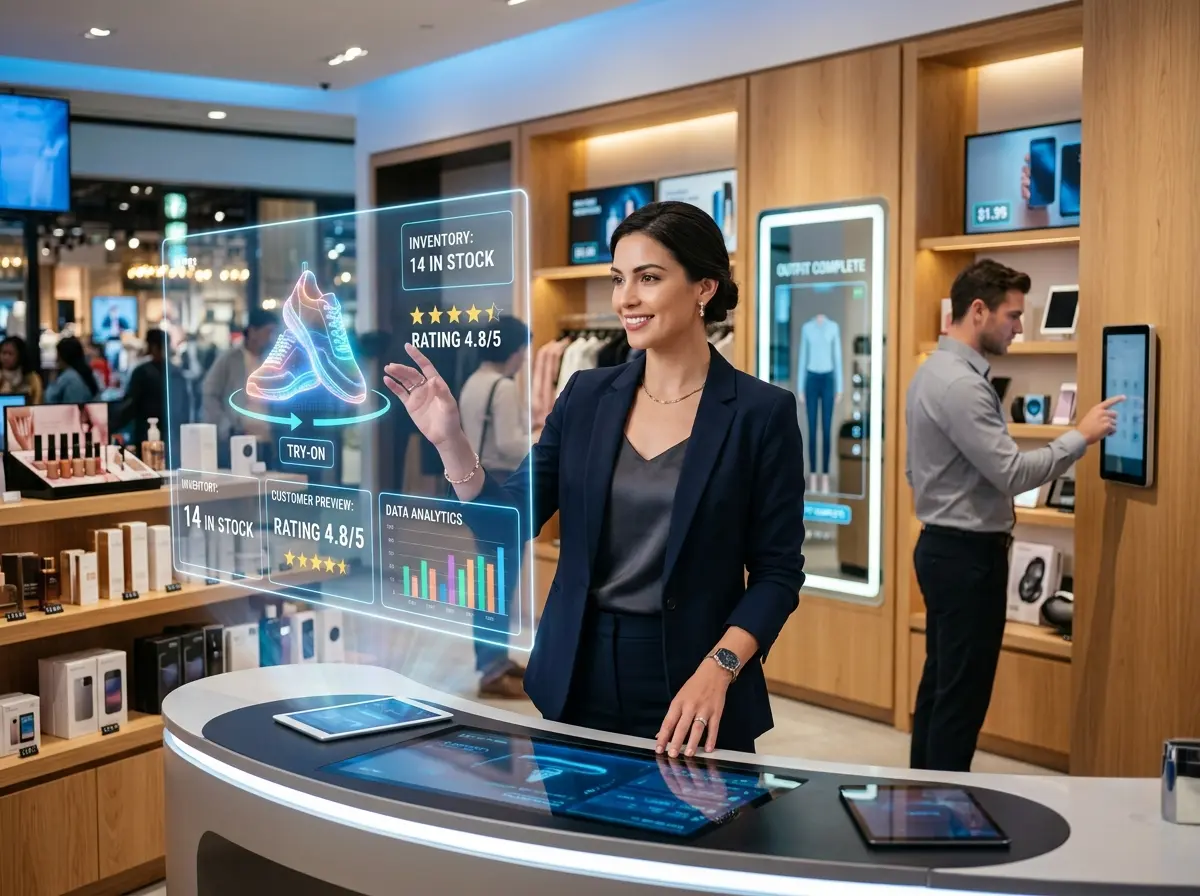
Stella, the AI robot employee and phone receptionist, is designed to absorb exactly this kind of routine load. As a human-sized in-store kiosk, she greets customers proactively, answers product questions, explains current promotions, and handles common inquiries — all without pulling your cashiers away from the register. Meanwhile, as an AI phone receptionist, she answers calls 24/7, handles routine questions, collects customer information through conversational intake forms, and forwards calls to your human staff only when truly necessary. The result is a team that can focus on the human moments that actually build loyalty, rather than scrambling to be in five places at once.
Turning the Checkout Counter Into a Sales Opportunity
Upselling Without Being Obnoxious
There is an art to upselling, and most cashiers are never taught it. The untrained version sounds like this: "Would you like to add a warranty?" delivered flatly at the end of a transaction. The customer says no. Everyone moves on. Nothing was gained.
Effective upselling is conversational and relevant. Train your cashiers to make recommendations that feel natural given what the customer is already buying. "That's a great choice — a lot of customers pair it with [X] and love the combination" is an offer. It's not pressure. It's helpful. When cashiers genuinely believe in the products they're recommending — which ties back to product knowledge training — upselling stops feeling awkward and starts feeling like good service.
Even a modest 10–15% increase in average transaction value through consistent, well-trained upselling can have a meaningful impact on annual revenue. It's worth taking seriously.
Closing the Interaction With Intention
Most customer interactions end with a receipt handed over and a forgettable "Have a good one." That's a missed opportunity. The end of a transaction is the last impression a customer takes with them — and last impressions stick.
Train your cashiers to close with something memorable and genuine. Mention an upcoming promotion they might care about. Invite them to follow you on social media or join your loyalty program. If the conversation during the transaction revealed something personal — they mentioned a trip, a birthday, a project — acknowledge it. "Hope that renovation goes smoothly!" costs nothing and creates a customer who actually remembers you.
Gathering Feedback Without Making It Weird
Your cashiers are sitting on a goldmine of real-time customer sentiment, and most businesses never tap into it. A simple, genuine "Is there anything we could have done better today?" asked in a warm, curious tone — not a robotic compliance tone — can surface useful feedback that no survey would ever catch.
Train cashiers not just to ask, but to actually listen and report back. Build a simple feedback loop where staff can relay recurring customer comments to management. This creates a culture where frontline employees feel like contributors to the business, not just transaction processors — which, incidentally, also improves retention. And if you've ever calculated the cost of cashier turnover, you know that's a bonus worth having.
Quick Reminder About Stella
Stella is an AI robot employee and phone receptionist available for just $99/month with no upfront hardware costs. She works inside your store as a proactive kiosk, engaging customers and answering questions around the clock, while simultaneously handling phone calls as an AI receptionist for any business — physical or online. She's the teammate who never calls in sick, never has an off day, and never forgets to mention the current promotion.
Putting It All Together: Your Next Steps
Transforming your cashiers into customer experience experts isn't a one-time training event — it's an ongoing investment. The businesses that get this right don't just train once and hope for the best. They build a culture where customer experience is everyone's job, every shift, every interaction.
Here's where to start:
- Audit your current experience. Send a trusted friend in as a mystery shopper, or review your recent customer feedback. Identify the specific gaps your training needs to address.
- Update your onboarding. Make sure product knowledge, authentic engagement, and upselling basics are built into how every new cashier is trained from day one.
- Implement regular reinforcement. Weekly team huddles, monthly role-playing sessions, and recognition for great customer interactions keep standards high without burning anyone out.
- Reduce routine distractions. Look at where your staff's attention is being pulled away from customers — repetitive phone calls, common questions, administrative interruptions — and find tools to address them.
- Make feedback a habit. Create a simple system for capturing what cashiers hear from customers and acting on it regularly.
Your cashiers interact with more customers in a single day than your marketing campaigns reach in a week. The experience they deliver — or don't — shapes how your business is remembered, recommended, and returned to. With the right training, the right support, and the right tools in place, that checkout counter stops being a transaction and starts being a relationship. And relationships, as it turns out, are very good for business.