Why Your Record Store's In-Store Performances Are Leaving Money on the Table
Let's be honest — hosting a live performance in your record store and not converting that energy into album sales is a bit like throwing a pizza party and forgetting to order pizza. The room is full, the vibe is electric, and your customers are genuinely excited. So why does the crowd thin out before they've browsed a single bin, and why does your register stay suspiciously quiet after the last chord fades?
In-store performances are one of the most powerful sales tools a record store owner has at their disposal. Live music creates emotional connection, and emotional connection sells records — always has, always will. But there's a significant difference between hosting a fun event and hosting a strategically designed sales experience. The good news? Closing that gap doesn't require a massive budget or a marketing degree. It just requires a bit of intentional planning before, during, and after the performance.
This guide walks you through exactly how to turn your next in-store show into a genuine revenue driver — without making it feel like a sales pitch dressed up in a flannel shirt.
Setting the Stage Before the Performance
The work that drives album sales during an in-store performance begins long before the artist plugs in their guitar. How you promote the event, how you set up your physical space, and how you prime your audience to buy all play a critical role in the outcome. Treat the pre-event phase like a marketing campaign, not an afterthought.
Promote With Purpose, Not Just Presence
Most record stores do a solid job of announcing in-store performances on social media. What they often miss is tying the promotion directly to the product. Don't just announce that an artist is performing — show the albums. Feature the tracklist. Post short clips of standout songs. Tell your audience which vinyl pressings you'll have in stock and whether any are limited editions. Give people a reason to show up and to buy.
Email your list with a "what to expect" breakdown that includes a direct link to pre-order or reserve a copy of the album. If you're not collecting customer emails yet, start immediately — this is one of the highest-ROI marketing channels available to independent retailers, and it costs almost nothing to maintain.
Design Your Floor for Sales, Not Just Seating
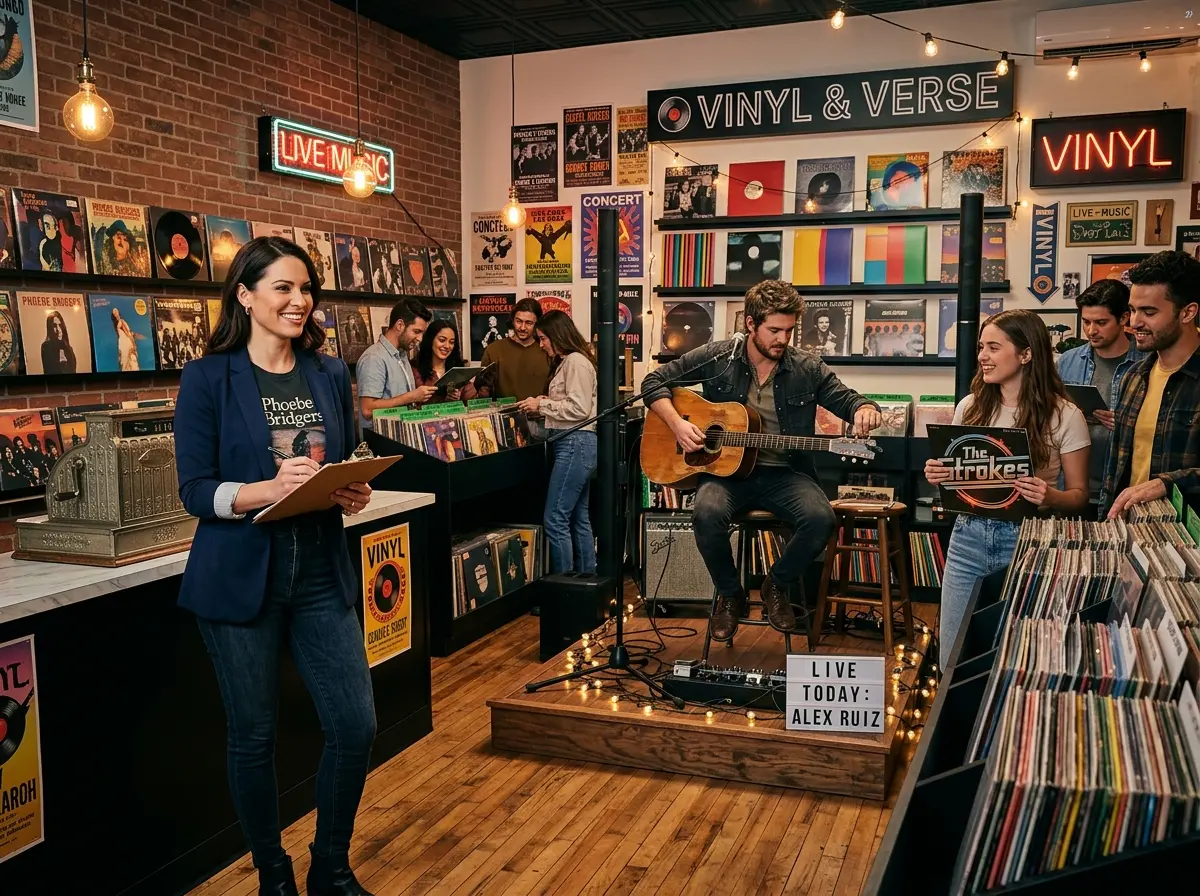
Here's a trap many stores fall into: they rearrange everything to accommodate an audience and accidentally eliminate every opportunity to browse. Chairs get stacked in front of the new releases. The artist's back catalog ends up behind a speaker cabinet. The merch table is near the exit, where it gets ignored until people are already halfway out the door.
Instead, design your floor so that the browsing experience is part of the event experience. Place the performing artist's full catalog in a prominently labeled display at eye level — ideally somewhere customers will naturally drift toward during breaks. Put pricing signs out in advance. Make it easy and frictionless for someone to grab an album mid-conversation without hunting for a staff member to ask questions.
Brief Your Staff (or Your AI Assistant)
Every person working the floor that day — human or otherwise — should know the artist's catalog, what's in stock, what's limited, and what you're pushing hardest. If there's a deluxe edition with bonus tracks, everyone should be able to mention that casually in conversation. If the artist has a debut album that's a sleeper hit, staff should be ready to hand-sell it. Confidence and product knowledge convert browsers into buyers more reliably than any discount.
How Stella Can Help You Manage the Chaos
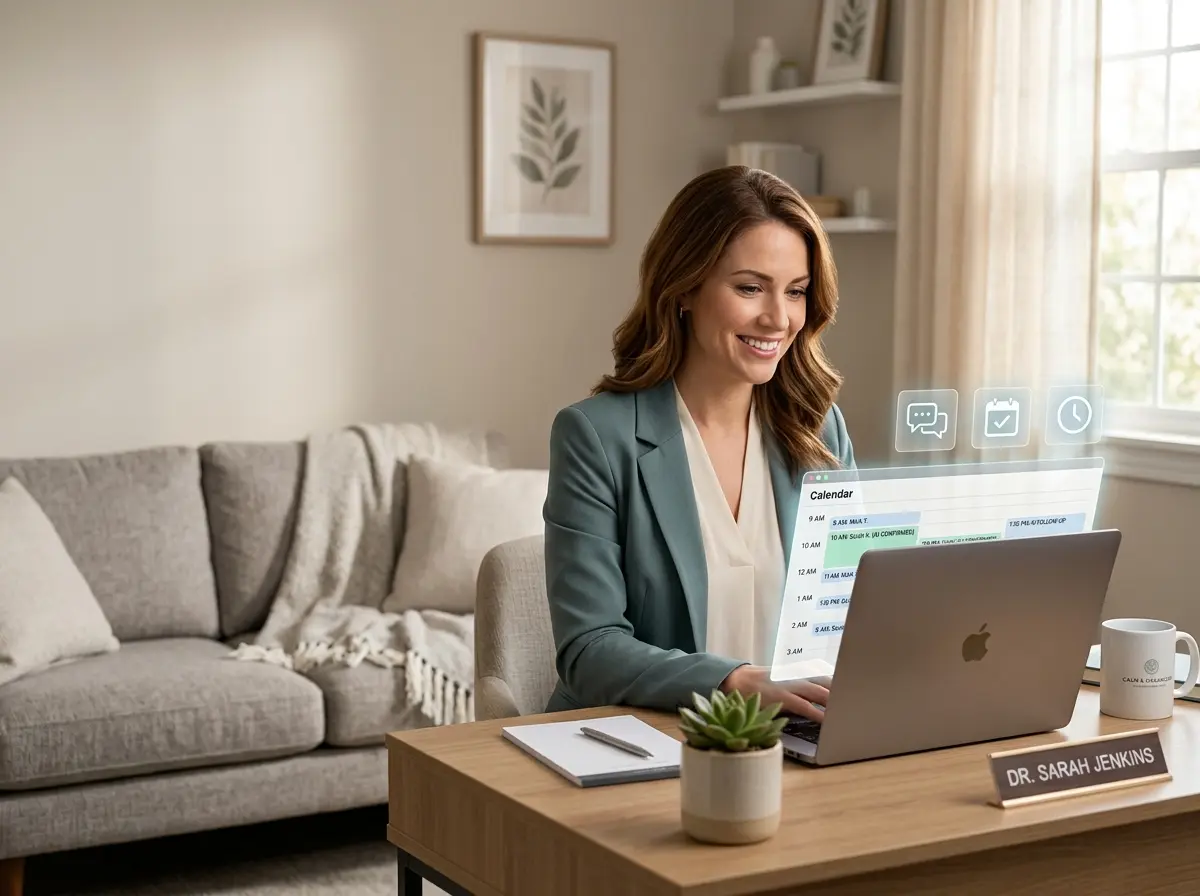
In-store performance days are wonderful and absolutely chaotic. Your staff is engaged with customers, the phone is ringing because someone wants to know if tickets are still available, and three people at the register have questions about whether you carry a specific pressing. This is where Stella earns her keep.
Keeping Operations Smooth While the Music Plays
Stella is an AI robot employee and phone receptionist that can handle the front-of-house chaos so your human staff can focus on high-value customer interactions — like actually selling records. Her in-store kiosk presence means she can greet customers as they walk in, answer questions about the performing artist, highlight which albums are featured, and even upsell related titles or accessories. Meanwhile, her 24/7 phone answering capability means no call goes to voicemail on your busiest day of the month. She can answer common questions about the event, your hours, your stock, and your policies — all without pulling your team away from the floor. At just $99/month with no upfront hardware costs, she's a genuinely practical solution for busy event days and every other day of the year.
During the Performance: Turning Energy Into Sales
The performance itself is your highest-leverage moment. The audience is emotionally engaged, the artist is right there in the room, and the product is within arm's reach. If you play this well, the sales follow naturally. If you don't, you'll watch a roomful of potential buyers clap politely and head home.
Use the Artist to Sell — Authentically
The single most effective thing that happens during an in-store performance is the artist talking about their own music. When a musician says, "This next song is off our new album — it took us two years to record and we're really proud of it," that's not a sales pitch. That's a story. And stories sell. Encourage the artist to talk about their work between songs. Brief them beforehand on what you're stocking and what you'd love them to mention. Most artists are happy to support a store that's supporting them.
A brief, non-pushy mention from the artist — something like "We'll have signed copies at the table after the set" — can move more units than a week of social media posts. That's the power of live presence and authentic endorsement working together.
Create a Signing and Purchase Moment After the Set
Build a natural post-performance flow that leads customers toward purchase. A signing table works beautifully here — people want to meet the artist, and the album is the ticket to that interaction. Position the signing table adjacent to a well-stocked display of the artist's work, with clear pricing and an easy checkout process nearby. Reduce every possible point of friction. The longer someone has to wait or wander to complete a purchase, the more likely they are to talk themselves out of it.
Consider offering a small bundle — the new album plus a classic from their back catalog at a slight discount — available only during the event. Scarcity and exclusivity are powerful motivators, and event-day-only bundles create a genuine reason to buy now rather than "check it out online later."
Capture the Moment for Future Marketing
Document everything. Photos, short video clips, crowd reactions — this content will fuel your marketing for weeks after the event. Post a recap on social media that features the album prominently. Send a follow-up email to your list with a "missed it?" note and an invitation to grab the album in-store or by phone. Customers who couldn't attend are often willing to buy just to feel connected to the experience. Don't let that opportunity expire.
Quick Reminder About Stella
Stella is an AI robot employee and phone receptionist designed for businesses exactly like yours — a friendly, knowledgeable presence that greets in-store customers, answers calls around the clock, promotes your current offerings, and keeps operations running smoothly without breaks or turnover. She works on a simple $99/month subscription, is easy to set up, and is ready to represent your store professionally from day one.
Wrapping Up: Your Action Plan for the Next In-Store Show
In-store performances are a genuine competitive advantage for independent record stores — a way to create experiences that no streaming platform or online retailer can replicate. But experience alone doesn't pay the bills. The goal is to convert that irreplaceable energy into revenue, and that requires intentional strategy at every stage of the event.
Here's your practical takeaway checklist before the next show:
- Promote with product focus — feature the albums in every announcement, not just the artist's name.
- Design your floor for sales — make the artist's catalog visible, accessible, and clearly priced.
- Brief everyone on the product — staff, your AI assistant, and ideally the artist themselves.
- Use the artist's voice — authentic storytelling between songs is your most powerful sales tool in the room.
- Build a post-set purchase moment — signing tables, event-only bundles, and frictionless checkout.
- Capture and repurpose content — turn the event into weeks of follow-up marketing.
Independent record stores that master the in-store performance experience aren't just selling albums — they're building communities of loyal customers who feel a genuine connection to the space. That loyalty is worth more than any single transaction, and it starts with making sure that when someone walks out of your next show, they're carrying a record under their arm with a smile on their face. Give them every reason to do exactly that.