So You Want to Stop Guessing What's Actually Selling
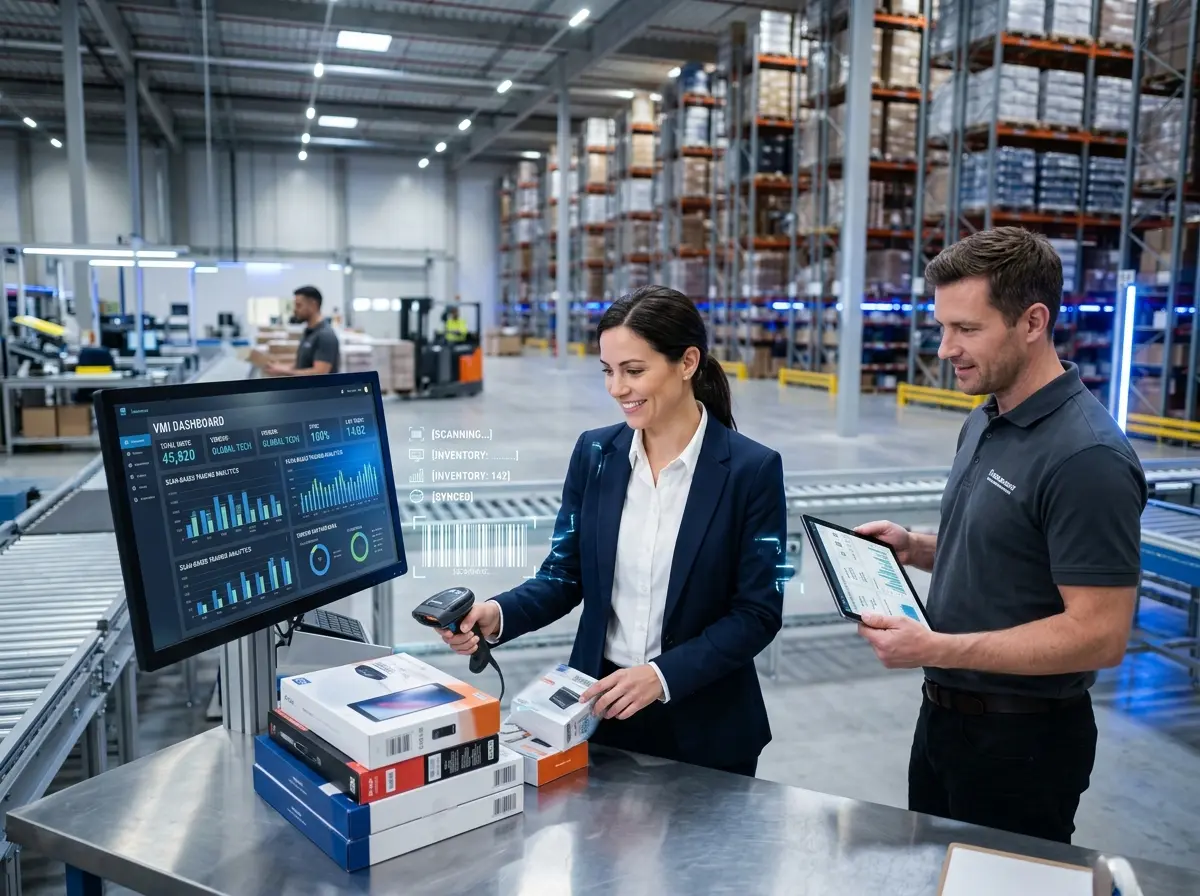
Traditional retail purchasing models put all the financial risk squarely on your shoulders. You buy the product, you own the product, and if it sits there collecting dust, that's your problem (and your loss). Scan-based trading — sometimes called pay-by-scan or consignment-style inventory — flips that model on its head. Instead of paying for goods upfront, you only pay your vendor after an item actually sells. The product lives on your shelf, but it stays on the vendor's books until a customer scans it at checkout.
Understanding the Mechanics of Scan-Based Trading
How the Model Actually Works
The Technology You'll Need
- Track inventory by SKU at the item level
- Generate detailed sales reports exportable in standard formats (CSV, EDI, or vendor-specific templates)
- Differentiate vendor-owned inventory from your own purchased inventory
- Support regular data exchange with vendor portals if required
Negotiating the Right Contract Terms
Keeping Your Front-of-Store Running Smoothly While You're Buried in Spreadsheets
Let Technology Handle What It Can
Implementing a new inventory model takes time — time you'd normally spend running your store. While you're deep in vendor negotiations and POS configurations, your customers still expect a great in-store experience and someone to answer the phone when they call. That's where Stella quietly becomes one of the smarter investments on your plate.
Stella is an AI robot employee and phone receptionist that stands inside your store and greets customers, promotes current deals, answers product questions, and handles upselling — all without needing a break, a paycheck raise, or a pep talk. She also answers phone calls 24/7 with the same knowledge she uses in person, so customers who call to ask about your hours, products, or policies get a real (well, real-ish) answer even when your staff is tied up. At $99/month with no hardware costs upfront, she's considerably cheaper than the inventory shrinkage you're trying to eliminate.
Executing the Implementation Without Losing Your Mind
Start with One Vendor, Not Ten
Establish a Rock-Solid Reconciliation Process
Train Your Staff on the Difference Between Owned and Consigned Inventory
Quick Reminder About Stella
While you're optimizing your back-end inventory operations, Stella is holding down the front end — greeting customers in-store, answering calls around the clock, and making sure your business still feels attentive and professional even when your attention is elsewhere. She's an AI robot employee and phone receptionist built for businesses like yours, available for just $99/month with no upfront hardware costs and an easy setup that won't require a dedicated IT team.
Your Next Steps Toward a Leaner Inventory Model
- Audit your current POS capabilities. Confirm your system can track vendor-owned inventory separately and generate the reports your vendors will need.
- Identify one pilot vendor. Choose a willing partner in a product category that moves consistently and where you've historically taken on more inventory risk than you'd like.
- Draft or review a contract template. Work with a retail attorney if needed to make sure shrinkage liability, payment terms, and reconciliation expectations are airtight.
- Build your reconciliation workflow. Assign ownership, set a schedule, and document the process before the first product arrives.
- Train your team. Make sure everyone handling inventory understands how vendor-owned product is different and why it matters.