So You Want to Charge More for Plumbing — Smart Move
Let's be honest: most homeowners think about their plumbing exactly twice — when they move in and when something explodes. That leaves a massive, largely untapped opportunity sitting right under everyone's noses (sometimes literally). The plumbers who figure out how to get in front of customers before the crisis hit the jackpot. The ones who wait for the 2 a.m. "my basement is a swimming pool" calls? Well, they're busy, but they're not necessarily profitable.
Enter the whole-home plumbing inspection service — one of the most underutilized premium offerings in the trades. Done right, it's a recurring revenue engine, a trust-builder, and a legitimate upsell machine. Done wrong, it's just an awkward walk-through where you hand someone a list of problems and hope they call you back. This guide is about doing it right.
Whether you're a solo operator or running a crew of ten, structuring a professional inspection service that commands premium pricing — and actually closes those upsells — is completely within reach. Here's how to build it from the ground up.
Building the Inspection Service Itself
Define What's Actually Included (And What Isn't)
The fastest way to erode customer trust — and your profit margin — is vague service definitions. "We check everything" sounds reassuring until a customer assumes you inspected the water heater you never touched. Before you sell a single inspection, document exactly what's covered: water supply lines, drain lines, fixture conditions, water pressure, water heater age and performance, visible pipe corrosion, shutoff valve function, and any accessible crawl space or basement plumbing. Be specific. Customers who know what they're getting are far more likely to pay a premium for it, and far less likely to dispute the bill later.
Create two or three tiers if it makes sense for your market. A basic visual inspection might run $99–$150, while a comprehensive inspection with pressure testing and camera inspection of main drain lines could justify $299–$499. Tiered pricing lets customers self-select, and it anchors the middle option as the "obvious" choice — a classic pricing psychology move that works just as well in plumbing as it does in software.
Develop a Standardized Inspection Report
A professional inspection report is what separates a plumber from a plumbing consultant — and that distinction is worth real money. Your report should include photos, condition ratings (think color-coded: green/yellow/red), estimated remaining lifespan for aging components, and a prioritized list of recommended repairs or replacements. Software like ServiceTitan, Jobber, or even a well-designed PDF template can handle this beautifully.
Here's the key insight most plumbers miss: the report isn't just documentation — it's a sales tool. When a homeowner sees a photo of their corroded shutoff valve labeled "High Priority — Replace Within 6 Months," they're not annoyed. They're grateful. And grateful customers book work. According to industry data, businesses that use structured follow-up documentation after service calls see rebooking rates 30–40% higher than those who don't. That's not nothing.
Train Your Technicians to Present, Not Just Inspect
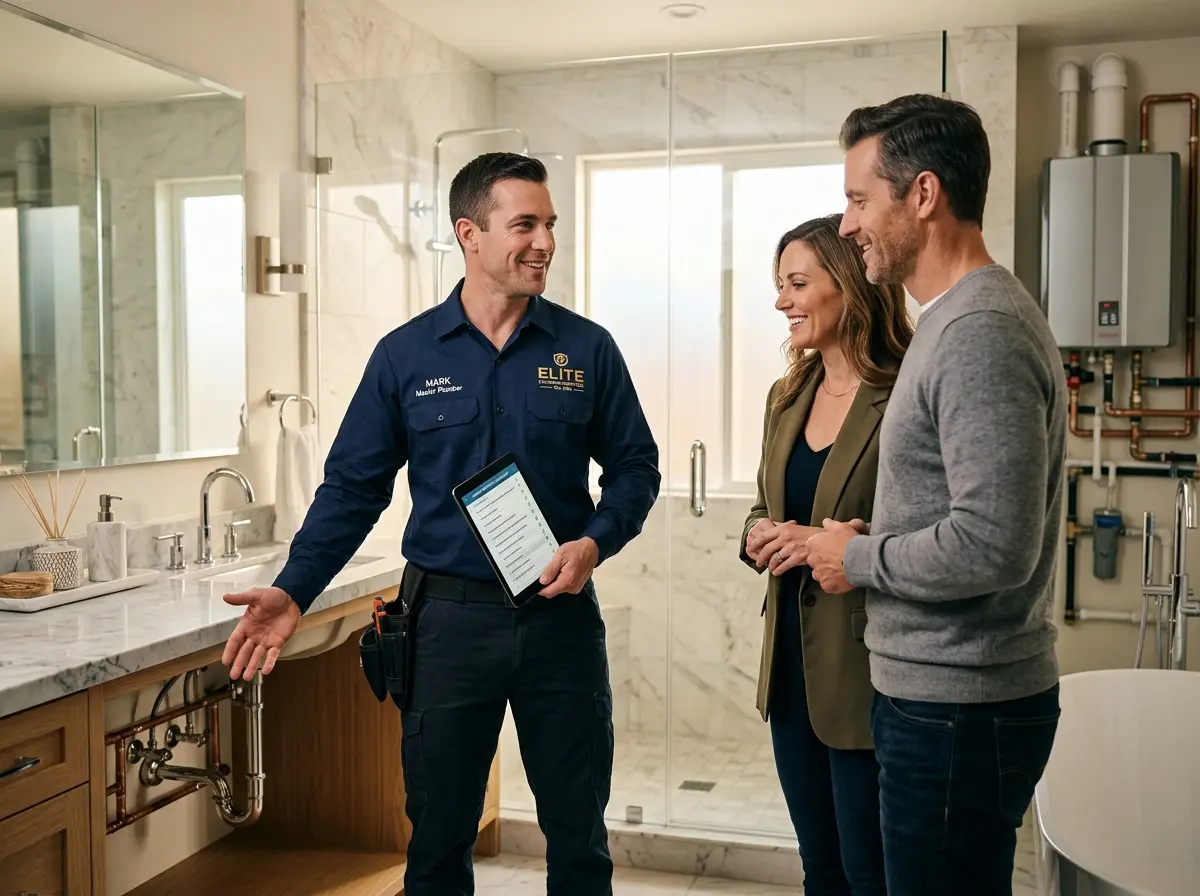
Your best technician might be terrible at talking to customers, and that's a fixable problem. Invest in basic communication training focused on a simple framework: observe, explain, recommend. They find the issue, explain it in plain English (not plumber-speak), and recommend a solution — without pressure, without jargon, and without making the homeowner feel stupid for not knowing their PRV from their P-trap.
Role-play common scenarios with your team. Practice explaining what a water pressure regulator does in two sentences. Practice presenting the tiered repair options. The goal isn't to turn your plumbers into salespeople — it's to give them enough confidence to have an honest conversation that naturally leads to booked work. Customers can smell a pushy pitch from a mile away, but they respond incredibly well to a knowledgeable professional who clearly has their best interest in mind.
Keeping Customers Coming Back (And Answering When They Call)
Turn One-Time Inspections Into Annual Agreements
The real money in a plumbing inspection service isn't the inspection — it's the annual maintenance agreement that follows. Offer customers a yearly plan that includes one inspection, priority scheduling, and a discount on any repairs booked within 30 days of their inspection. Price it at $199–$299 per year, and you've created predictable recurring revenue while keeping your customer relationships warm year-round. Even converting 20% of inspection customers to annual agreements adds up fast across a year of service calls.
Follow-up is where most small plumbing businesses fall apart — not because they don't care, but because they're busy doing actual plumbing. Automated reminders via email or SMS, sent 11 months after an inspection, are genuinely effective and cost almost nothing to set up through tools like Jobber or Housecall Pro.
Let Stella Handle the Front Line So You Can Focus on the Work
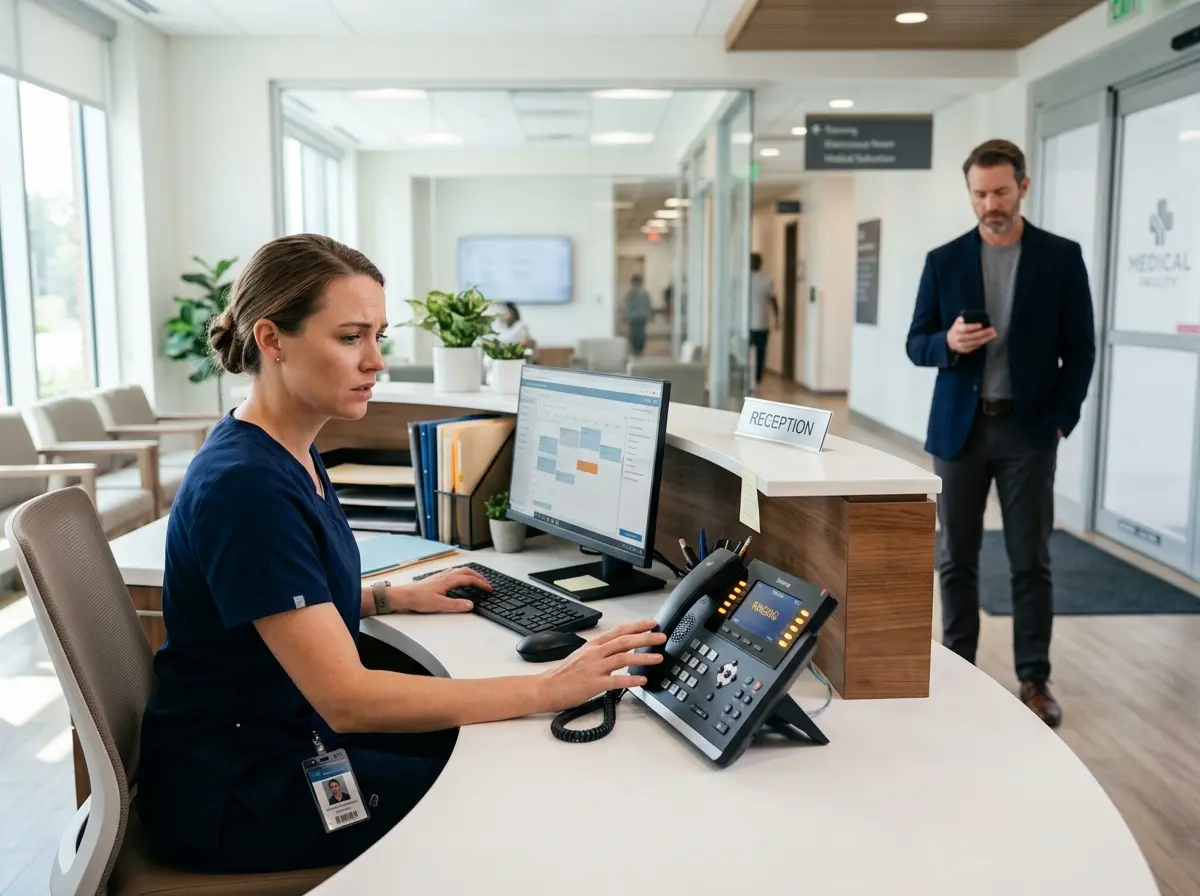
Stella — the AI robot employee and phone receptionist — is worth a mention here, because plumbing businesses have a specific problem she solves well. You're in someone's crawl space at 10 a.m. A potential customer calls to ask about your inspection service, your pricing, and whether you're available next week. Nobody answers. They call the next guy. That's a lost inspection booking, a lost upsell, and potentially a lost annual agreement customer — all because the phone rang at an inconvenient moment.
Stella answers calls 24/7, explains your services, captures customer information through conversational intake forms, and even promotes your current offers — like a seasonal inspection special. For plumbing businesses with a physical location or showroom, she's also available as an in-store kiosk presence. Her built-in CRM tracks customer contacts, stores notes, and generates AI profiles, so your team always knows who's calling and what they've discussed before. At $99/month, she costs less than one missed inspection booking.
Closing the Upsell Without Being That Guy
Present Options, Not Ultimatums
The fastest way to kill an upsell is to make the customer feel cornered. Nobody wants to feel like they're being held hostage in their own kitchen while a plumber lists everything that might kill them. Instead, structure your recommendations around choice and timeline. Something like: "Here are the three things I'd prioritize — two of them aren't urgent, but this one I'd address in the next few months. Want me to put together a quick quote while I'm here?"
That approach does several things simultaneously. It demonstrates expertise without being alarmist. It respects the customer's budget and decision-making autonomy. And the offer to quote on the spot removes the friction of a follow-up call they might never make. Studies in consumer behavior consistently show that reducing decision steps — even by one — significantly increases conversion. Make it easy to say yes.
Use the Report to Follow Up, Not Just to Inform
Email the inspection report the same day, ideally within a few hours of the appointment. Include a personalized note referencing one specific item from the inspection — not a copy-paste template, but an actual line that shows you paid attention. Then follow up by phone or text five to seven days later. Most upsells in service businesses don't close on the first contact; they close on the second or third. The plumbers who follow up consistently outperform those who don't by a wide margin, and the bar is remarkably low because most simply don't bother.
Build Social Proof Around the Service
Inspection services are still relatively novel in residential plumbing markets, which means homeowners often need a little social validation before they commit. Actively collect Google reviews specifically mentioning your inspection service. Share before-and-after photos (with permission) of issues caught during inspections — the corroded pipe that became a $4,000 water damage claim somewhere else, the failing water heater you replaced before it flooded a finished basement. These stories sell inspections better than any brochure ever will, because they answer the customer's real question: "Is this actually worth it?"
A small referral incentive — $25 off their next service for every referral who books an inspection — can also accelerate word-of-mouth growth significantly. Happy inspection customers tend to be exactly the kind of homeowners who have friends who'd also benefit from the service.
Quick Reminder About Stella
Stella is an AI robot employee and phone receptionist built for businesses exactly like yours — she answers calls around the clock, promotes your services, collects customer information, and manages contacts through a built-in CRM, all for $99/month with no upfront hardware costs. She's ready to work the moment you set her up, and unlike your best front-desk hire, she never calls in sick the morning after a big game. For a plumbing business trying to scale an inspection service, that kind of reliable, professional front-line presence isn't just convenient — it's a competitive advantage.
Conclusion: Stop Waiting for the Emergency Call
The plumbers winning right now aren't just the ones with the fastest response times or the sharpest pricing — they're the ones who've built systems that generate revenue before something breaks. A well-structured whole-home plumbing inspection service does exactly that. It gets you in front of customers proactively, builds genuine trust through expertise, creates a natural and non-pushy path to premium upsells, and lays the foundation for recurring annual revenue that smooths out the feast-or-famine cycle that kills so many trades businesses.
Here's your action plan to get started. First, define your inspection tiers and pricing this week — don't overthink it, just get something on paper. Second, build or purchase a standardized inspection report template that includes photos and condition ratings. Third, train your technicians on the observe-explain-recommend framework with at least one practice session before they go live. Fourth, set up automated follow-up for inspection customers at the 30-day and 11-month marks. And fifth, make sure your phones are covered so that every customer who calls about your new service actually gets an answer.
The homeowners in your market are sitting on plumbing systems they don't understand, haven't inspected in years, and would genuinely appreciate some professional guidance on. All you have to do is show up before the flood.