The Call You Missed Is the Appointment You Lost
Here's a fun little statistic to ruin your morning: 85% of people who can't reach a business on the first try will not call back. They'll just move on to your competitor — probably the one with the slightly worse logo but the remarkably better response time. Congratulations, you've inadvertently donated a customer.
Missed calls are the silent killers of small business revenue. Unlike a bad Yelp review (which at least gives you something to respond to), a missed call just disappears. No record. No second chance. No idea what that person needed or how much they were willing to spend. Just... gone.
The good news? A missed call doesn't have to be a lost customer. With the right follow-up system in place, that unanswered ring can still become a booked appointment, a completed sale, or a loyal long-term client. The bad news? "The right follow-up system" isn't just crossing your fingers and hoping they call back. It requires a little structure, a little automation, and — ideally — something smarter than a sticky note on your monitor.
Let's talk about how to actually build that system.
Why Missed Calls Are More Expensive Than You Think
The Real Cost of a Missed Call
Most business owners think of a missed call as a minor inconvenience — something that happens when you're with another customer, elbow-deep in a project, or momentarily human. But let's do some quick math. If your average appointment or sale is worth $150, and you miss just one call per day, that's potentially $54,750 in lost annual revenue. Even if only half of those callers were serious leads, you're still looking at a very uncomfortable number. The kind of number that makes you want to sit down and reconsider your entire communication strategy over a strong cup of coffee.
Beyond the direct revenue loss, there's the opportunity cost. A customer who couldn't reach you didn't just take their money elsewhere — they potentially left a review, told a friend, or became a loyal patron of your competition. Word of mouth cuts both ways, and "I tried to call them but nobody answered" is not the kind of story that grows your business.
The Psychology of the Unanswered Call
When a customer picks up the phone, they're already past the hardest part of the buyer's journey — they've made a decision to engage. They want to book, ask, buy, or confirm. That's hot-lead energy, and it evaporates fast. Studies show that the first five minutes after a lead makes contact are the most critical window for conversion. Wait an hour, and your odds of connecting drop by over 10x. Wait until tomorrow morning, and you might as well be sending a message in a bottle.
The psychology here is simple: customers interpret a non-response as a signal about how your business operates. If you can't answer the phone before they're a customer, what does that say about how you'll treat them after?
Common Reasons Follow-Up Falls Apart
Let's be honest — most businesses don't have a follow-up problem because they don't care. They have one because nobody owns the process. The front desk forgets to check the voicemail. The manager assumes someone else called back. The voicemail transcription is garbled and unreadable. There's no CRM, so the caller's number is written on a napkin that got thrown away with yesterday's lunch.
Without a system — a real, documented, automated-where-possible system — follow-up becomes a game of telephone played entirely in bad faith. The fix isn't hiring more staff. It's building a process that doesn't rely on human memory to function.
Let Automation Do the Heavy Lifting (This Is Where Stella Comes In)
Never Miss a Call — And Never Miss the Details
If the whole problem starts with missed calls, the most elegant solution is to stop missing them. Stella, the AI robot employee and phone receptionist, answers every call — at 2 PM or 2 AM — with the same professionalism, the same business knowledge, and the same zero tolerance for letting leads slip through the cracks. She can collect caller information through conversational intake forms right during the call, so by the time a message reaches you, it's not just a phone number — it's a name, a need, and a context.
Stella's built-in CRM automatically logs these interactions, tags contacts, and generates AI-powered summaries so your follow-up isn't starting from scratch. You're not calling a mystery number and hoping for the best. You're calling someone you already know a little bit about. That changes everything about how that conversation goes.
For businesses with a physical location, Stella also works as an in-store kiosk — greeting walk-ins, promoting current deals, and gathering customer info — all feeding into the same contact management system. It's a full-circle approach to never letting a potential customer fall through the cracks, whether they called, walked in, or both.
Building a Follow-Up System That Actually Converts
Step One: Capture Everything, Assume Nothing
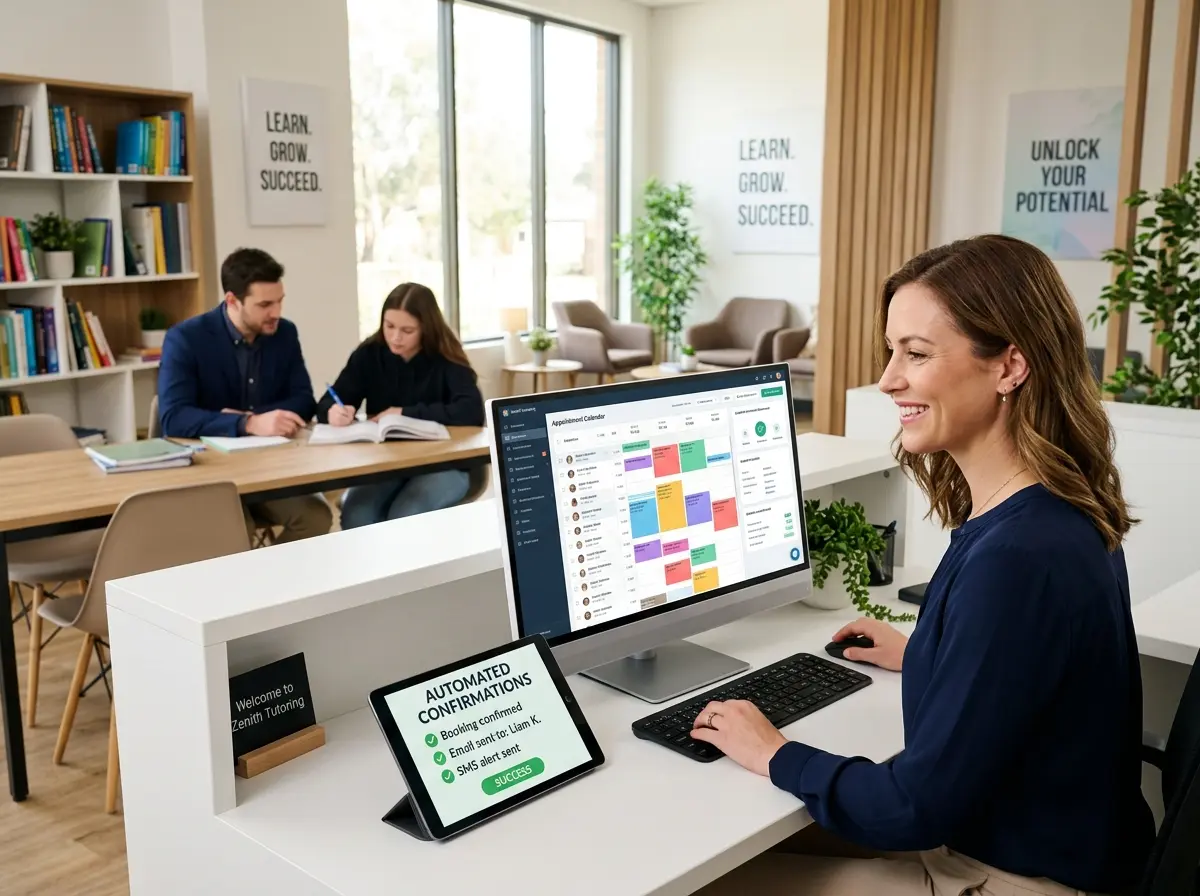
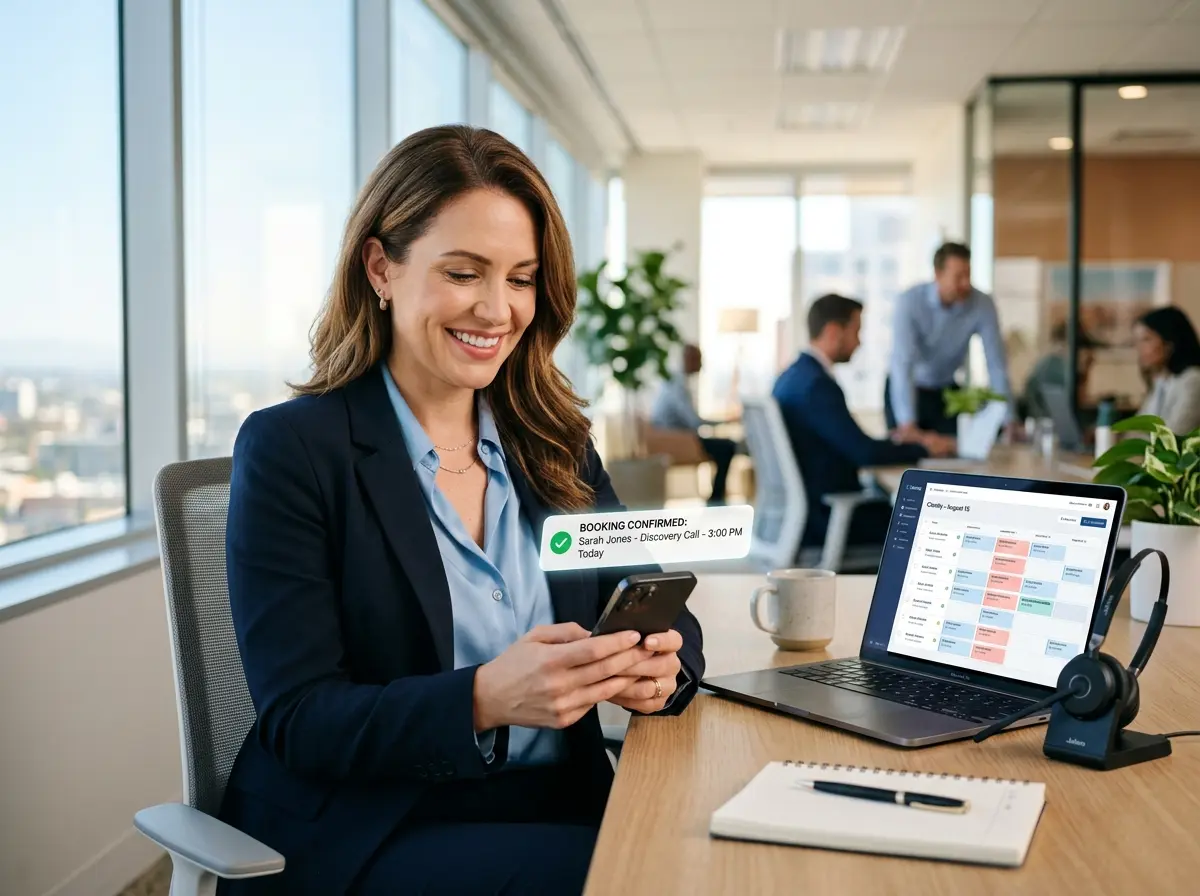
Your follow-up system starts the moment a call comes in — answered or not. If a voicemail is left, it should be automatically transcribed and pushed to whoever is responsible for callbacks. If no voicemail is left, the number should still be logged. Your goal is a zero-mystery inbox: every contact attempt accounted for, categorized, and assigned to someone with a clear next action.
If you're doing this manually, use a shared log — a simple spreadsheet or CRM entry — that gets updated in real time. If you're doing it smartly, you're using a system that captures this automatically so nothing depends on someone remembering to write it down.
Step Two: Respond Within Minutes, Not Hours
Speed is the single biggest variable in follow-up conversion. A callback within five minutes is not just courteous — it's a competitive advantage. To make this realistic without burning out your staff, consider a tiered response approach:
- Immediate (0–5 min): Automated text or email acknowledgment — "Hey, we saw you called! We're getting back to you shortly." This alone can dramatically reduce the chance they call your competitor while waiting.
- Short-term (5–30 min): A personal callback from a staff member or yourself, armed with whatever intake information was collected.
- Same-day fallback: If the first callback doesn't connect, leave a personalized voicemail and send a follow-up text with a booking link.
The automated acknowledgment is key — it buys you time while signaling to the customer that they are not being ignored. That single message is often enough to keep them in your orbit while you prepare a proper response.
Step Three: Create a Follow-Up Sequence That Doesn't Give Up Too Early
Most businesses follow up once, don't hear back, and consider the lead dead. Most businesses are leaving significant money on the table. Research from sales automation platforms consistently shows that 80% of conversions happen after the fifth touchpoint, yet the majority of businesses stop following up after the first or second attempt.
A simple sequence for a missed-call lead might look like this: a callback attempt and text on day one, a follow-up text on day two, an email on day three (if you have it), a final check-in call on day five, and a soft re-engagement message after two weeks if they still haven't responded. That last message — something like "Hey, we'd still love to help when the time is right" — converts more often than you'd expect, simply because most competitors never bothered to send it.
The key is making this sequence automatic enough that it doesn't require daily manual effort, but personal enough that it doesn't read like a spam campaign. Personalization tokens, appointment booking links, and a friendly tone go a long way.
Quick Reminder About Stella
Stella is an AI robot employee and phone receptionist that works 24/7 — answering calls, greeting in-store customers, collecting intake information, managing contacts through a built-in CRM, and making sure no lead disappears into the void. She runs on a straightforward $99/month subscription with no upfront hardware costs, and she's ready to work from day one. Whether you're a solopreneur, a growing service business, or a multi-location retailer, she handles the front lines so you can focus on actually running your business.
Stop Letting Good Leads Go to Voicemail Purgatory
The missed call isn't the problem. The problem is the silence that follows it. Customers are forgiving of a brief delay — what they're not forgiving of is never hearing back at all. A thoughtful, automated, human-feeling follow-up system is one of the highest-ROI things you can build for your business, and the barrier to entry has never been lower.
Here's what your action plan looks like starting this week:
- Audit your current process. How are missed calls being tracked right now? If the answer is "kind of" or "it depends," that's your starting point.
- Set up an automatic acknowledgment. A simple text response to missed calls costs almost nothing and immediately improves the customer experience.
- Build a five-touch follow-up sequence. Map it out, write the messages, and automate where possible. Don't leave it to memory.
- Use a CRM — actually use it. Every contact, every interaction, every note. This is the foundation everything else is built on.
- Consider what's answering your phone when you can't. If the answer is voicemail, ask yourself whether a voicemail is good enough to convert the customers you're working so hard to attract.
You've already done the hard work of getting someone interested enough to pick up the phone and dial your number. Don't let a missed call be the reason they end up on someone else's appointment calendar. Build the system. Answer the call — or make sure something smart does it for you.