Why Teachers and First Responders Deserve More Than a Verbal "Thank You"
Let's be honest — teachers spend their own money on classroom supplies, and first responders regularly run toward the very things most of us are sprinting away from. If anyone has earned a discount at your local business, it's these folks. And yet, many small business owners either never get around to launching an appreciation program or slap together something so vague that nobody actually uses it.
Here's the good news: a well-structured teacher and first responder appreciation program isn't just a feel-good initiative — it's genuinely smart business. Studies consistently show that purpose-driven businesses earn stronger customer loyalty, more word-of-mouth referrals, and higher perceived value in their communities. Teachers and first responders are also deeply embedded in local networks. When they love your business, they talk about it — a lot.
This guide will walk you through exactly how to design, launch, and sustain an appreciation program that means something, drives real traffic, and doesn't require you to reinvent your entire operation to pull it off.
Designing a Program Worth Bragging About
The difference between a program people use and one that quietly dies on a flyer in your window is intentionality. You need to decide what you're offering, who qualifies, and how you're going to verify eligibility — before you announce anything publicly. Nothing undermines goodwill faster than a confusing discount policy enforced inconsistently at checkout.
Choosing the Right Incentive Structure
Start by deciding what type of benefit you'll offer. The most common options are a flat percentage discount (10–20% is the sweet spot for most small businesses), a recurring monthly special, a free add-on or upgrade, or a loyalty points multiplier for qualifying individuals. Each has its advantages depending on your industry.
A gym might offer first responders a free month when they sign up. A restaurant might run a "First Responder Friday" with 15% off dine-in meals. A spa or salon could offer teachers a complimentary add-on service during back-to-school season. The key is that your benefit should feel meaningful without gutting your margins — so do the math before you commit.
It's also worth considering whether you want the program to run year-round or during specific periods. Year-round programs are excellent for ongoing loyalty-building. Seasonal promotions (Teacher Appreciation Week in May, First Responders Day in October) can create buzz and urgency if you want to drive concentrated traffic at specific times.
Setting Clear Eligibility and Verification Guidelines
Clarity protects everyone. Define exactly who qualifies: active and retired teachers? Only K-12, or college professors too? For first responders, are you including police officers, firefighters, paramedics, EMTs, dispatchers, and military personnel — or a subset of those? There's no universally correct answer, but you need an answer before launch day.
For verification, keep it simple and dignified. Acceptable options typically include a school ID, pay stub, badge, or a verified credential through a third-party service like ID.me or GovX, which many national brands already use. Avoid making the process feel like an interrogation — these people have enough going on.
Naming and Branding Your Program
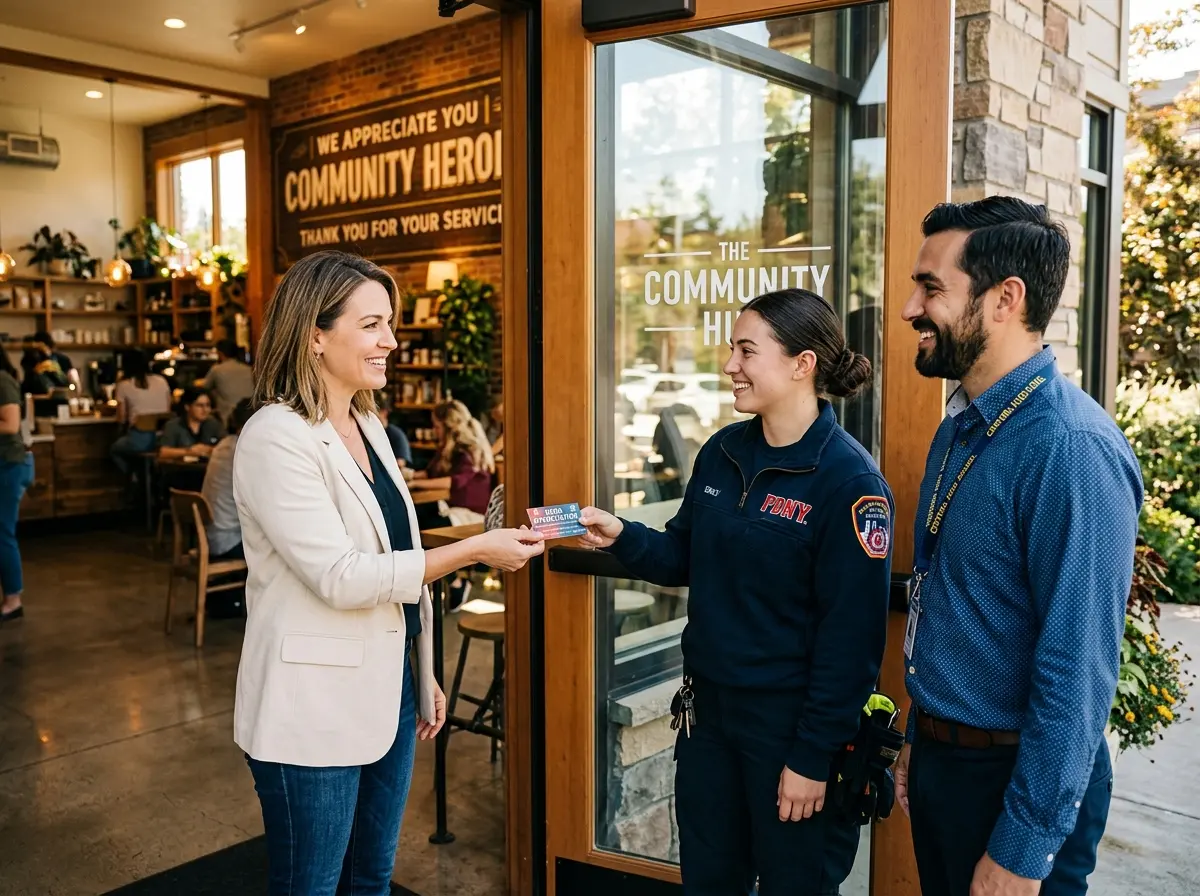
Give your program a name. "Teacher and First Responder Discount" is technically accurate but about as exciting as a DMV waiting room. Something like "Community Heroes Club" or "The Frontline Program" gives it an identity and makes it feel like belonging to something rather than just redeeming a coupon. You can design a simple badge or logo for marketing materials, receipts, and social media — something that signals to the community that you take this seriously.
Streamlining the Experience With the Right Tools
Even the most thoughtfully designed appreciation program will fall flat if the customer experience is clunky — long waits, uninformed staff, or no easy way to sign up in the first place. This is where the right technology actually earns its keep.
How Stella Can Help You Run It Smoothly
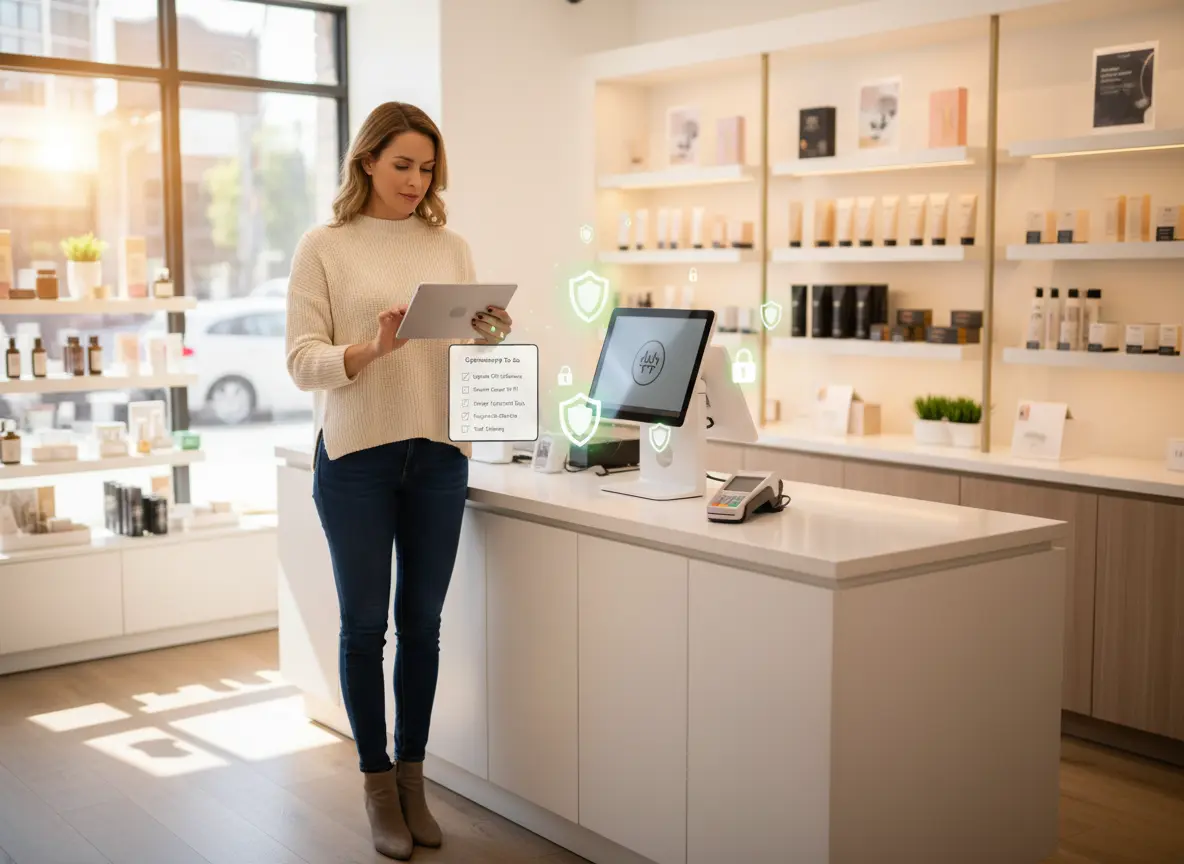
Stella, the AI robot employee and phone receptionist, is surprisingly well-suited to supporting a community appreciation program. In-store, Stella can greet customers, proactively mention the program to qualifying visitors, and explain the details clearly and consistently — no staff training required, no "I think it's 15% off, let me check" awkward pauses. She can also collect customer information through conversational intake forms right at the kiosk, making it easy to register participants directly into your built-in CRM with tags like "Teacher" or "First Responder" for personalized follow-ups later.
On the phone side, Stella answers calls 24/7 and can inform callers about your appreciation program, explain eligibility, and capture their information before they ever set foot in your business. That means you're building your community heroes list around the clock, even while you're sleeping.
Marketing Your Program to Actually Reach the Right People
You could build the most generous appreciation program in your city, and it will go completely unnoticed if you don't tell anyone about it. Marketing to teachers and first responders requires knowing where they spend their attention — and it's probably not a newspaper ad.
Leverage Local Networks and Community Channels
Teachers talk to teachers, and first responders have tight-knit departments. A single enthusiastic advocate inside a school or fire station can send a wave of new customers your way. Start by reaching out directly — email the principal of a nearby school, contact the community liaison at the local fire department, or drop off a one-page flyer at the police precinct. Personal outreach works better than you'd expect, especially when you're offering something genuinely useful.
Local Facebook groups, Nextdoor, and neighborhood-specific subreddits are also excellent free channels. Post about your program in a genuine, non-spammy way: explain who qualifies, how it works, and why you started it. Community members share these posts surprisingly often when they feel the spirit is authentic.
Use Social Media to Tell the Story, Not Just the Discount
The discount is the hook, but the story is what gets shared. Feature real teachers and first responders (with their permission) enjoying your business. Post on Teacher Appreciation Week and National First Responders Day. Share behind-the-scenes content about why you started the program — was it inspired by a family member who's a teacher? A neighbor who's a paramedic? Authenticity resonates, and social media algorithms reward content that earns genuine engagement.
Consider creating a short, evergreen video explaining the program and pinning it to the top of your social profiles. Even a 60-second phone video filmed in your store can do the job if it's warm, clear, and real.
Partnering With Other Local Businesses for Greater Impact
One underused strategy: team up with neighboring businesses to create a collective "Community Heroes Passport" — a card or digital pass where teachers and first responders can access benefits at multiple participating local businesses. This dramatically increases the perceived value of the program, gets multiple businesses marketing it simultaneously, and creates a genuine sense of community investment. It's also a great excuse to network with other local business owners and cross-promote one another's services year-round.
Quick Reminder About Stella
Stella is an AI robot employee and phone receptionist that works inside your physical location as a friendly, human-sized kiosk — greeting customers, explaining promotions, and collecting information — while also answering your phone calls 24/7 as a knowledgeable, professional AI receptionist. She runs on a straightforward $99/month subscription with no upfront hardware costs and is ready to represent your business from day one. Whether you're running a restaurant, a gym, a salon, or a service business, Stella keeps things moving so you don't have to be everywhere at once.
Your Next Steps: Launch Something Real
A teacher and first responder appreciation program is one of those rare business initiatives where doing good and doing well for your business aren't in conflict — they're the same thing. You earn loyalty from some of the most community-connected people in your area, differentiate yourself from competitors who haven't bothered, and get to feel genuinely good about where your marketing dollars are going. That's a pretty solid trifecta.
Here's a simple action plan to get started:
- Define your benefit and eligibility criteria — write it down in plain language before you announce anything.
- Choose your verification method — ID.me, GovX, or a simple ID check at point of sale all work fine for most small businesses.
- Name your program and create basic branded materials (even a well-designed flyer counts).
- Reach out personally to nearby schools and first responder departments before going wide on social media.
- Post about it consistently — not just once at launch, but on relevant awareness dates throughout the year.
- Track participation using your CRM or customer database so you can measure impact and refine over time.
You don't need a massive budget or a marketing team to make this work. You need a clear offer, genuine intention, and the willingness to actually tell people about it. Start simple, stay consistent, and let the community do what communities do best — spread the word about businesses that actually give a damn.