Saying the Right Thing to the Right Person (Without Losing Your Mind)
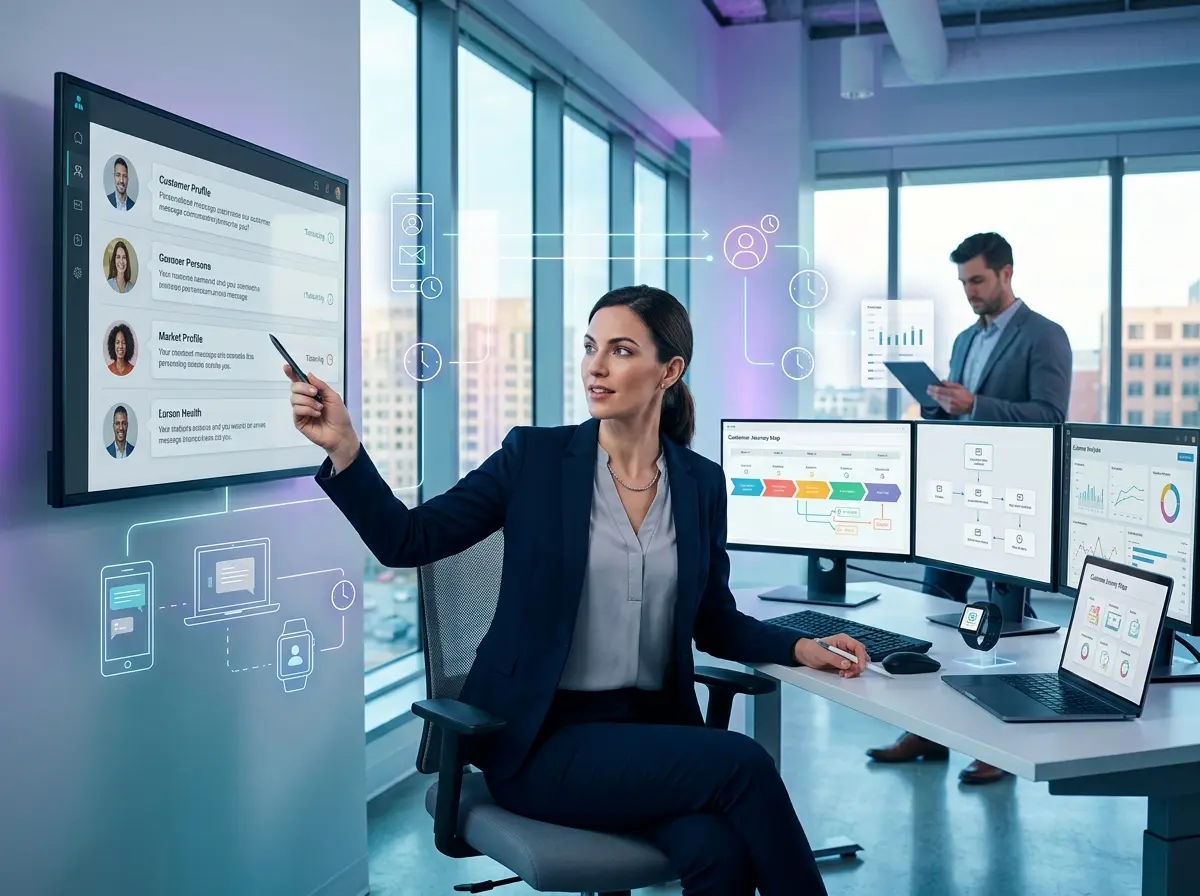
The good news? This scenario is entirely avoidable. The not-so-good news? A lot of businesses are still living it — not because they don't care, but because they haven't yet embraced the beautiful, time-saving power of marketing automation. Sending the right message to the right customer at the right time isn't some lofty ideal reserved for Fortune 500 companies with dedicated marketing departments. It's a practical, achievable strategy for businesses of every size — and it starts with understanding your customers well enough to actually talk to them like human beings.
Building the Foundation: Know Who You're Talking To
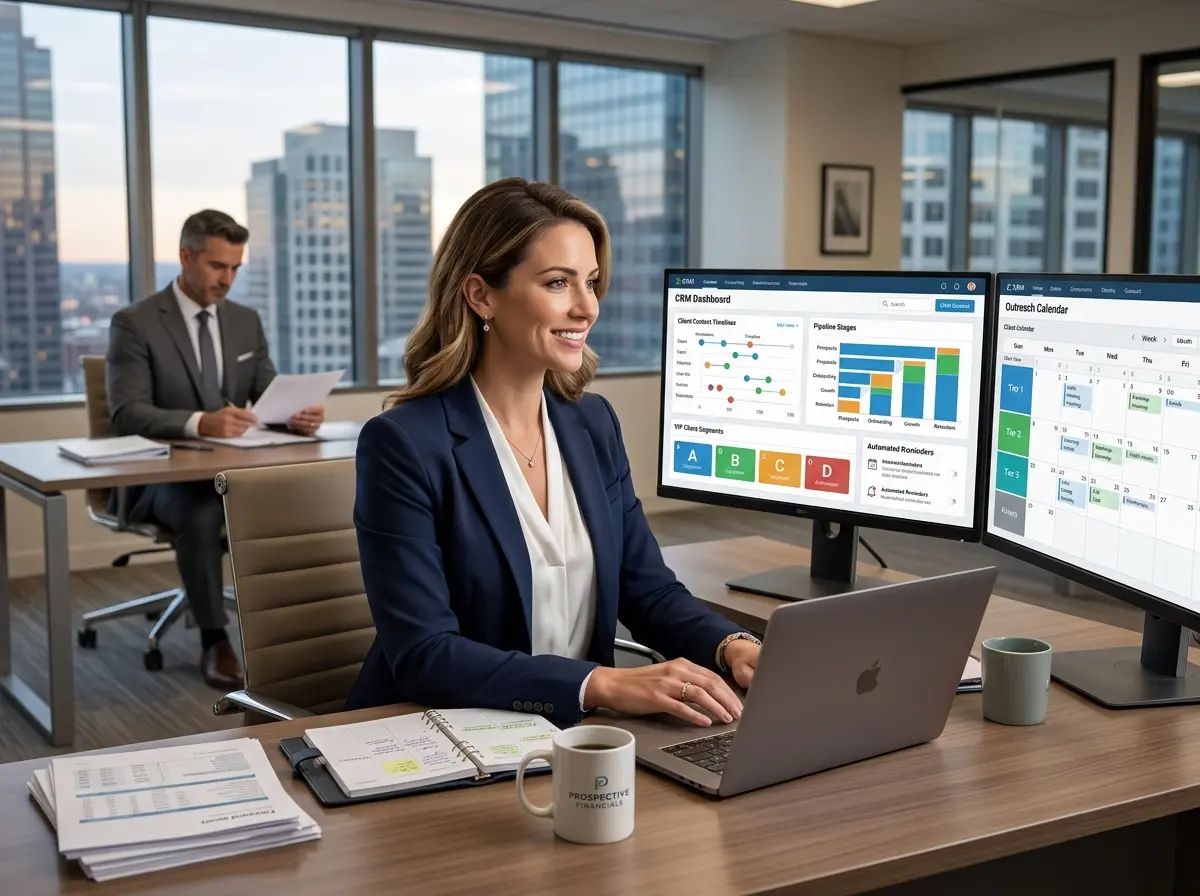
Segmentation: The Art of Treating People Like Individuals
Data Collection: You Can't Segment What You Don't Know
Tools and Timing: Letting Automation Do the Heavy Lifting
How Stella Fits Into Your Customer Communication Strategy
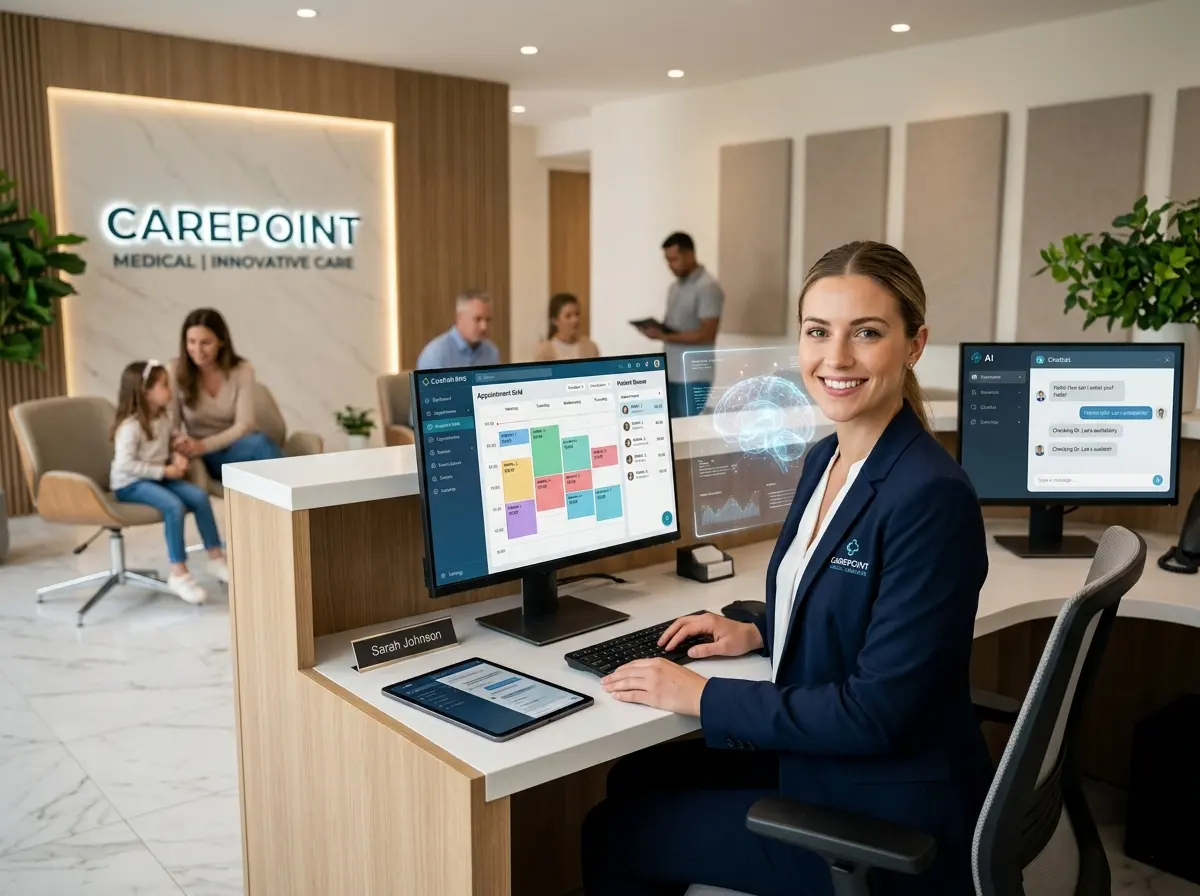
One of the most underrated opportunities for timely, relevant communication happens at the very first touchpoint — whether that's a phone call or a walk-in visit. Stella, the AI robot employee and phone receptionist, captures customer information through conversational intake forms during phone calls, at her in-store kiosk, or on the web — feeding that data directly into her built-in CRM. Every new contact gets an AI-generated profile, complete with custom tags, notes, and fields that make segmentation effortless down the line.
For businesses with a physical location, Stella greets walk-in customers proactively, promotes current deals, and collects the kind of first-party data that most businesses struggle to gather consistently. For any business that takes phone calls, she answers 24/7 and handles intake before a human ever picks up. That means your CRM stays current, your leads are tagged correctly, and your automation platform has the clean data it needs to actually work.
Crafting Automated Workflows That Don't Feel Robotic
Trigger-Based Messaging: Respond to Behavior, Not Just the Calendar
Consider an auto shop that sets up a trigger: 90 days after a customer's last oil change, they automatically receive a friendly reminder with a discount code. No one had to remember to send it. The customer feels taken care of. The shop books more appointments. That's automation working exactly as it should. According to research from Campaign Monitor, triggered email messages average 70.5% higher open rates than standard newsletters — a number that should make any business owner sit up a little straighter.
Personalization: More Than Just Using Their First Name
Testing and Optimization: Because "Set It and Forget It" Has Limits
A Quick Reminder About Stella
Stella is a friendly, human-sized AI robot employee and phone receptionist designed for businesses of all types — from brick-and-mortar retail and restaurants to online-only service providers and solopreneurs. She greets in-store customers, answers phone calls 24/7, collects customer data through conversational intake forms, and manages it all through a built-in CRM. At just $99/month with no upfront hardware costs, she's the kind of team member who never calls in sick, never forgets a promotion, and never lets a lead slip through the cracks.
Start Small, Scale Smart
- Audit your current data. What customer information are you already collecting? Where are the gaps?
- Choose a platform. Tools like Mailchimp, Klaviyo, HubSpot, or ActiveCampaign offer accessible automation features at various price points.
- Define your segments. Start with two or three meaningful groups and build from there.
- Map out your triggers. What customer actions (or inactions) should prompt a message?
- Write messages that sound like you. Automation doesn't mean robotic — keep your brand voice consistent and human.
- Review and refine quarterly. Let the data guide your improvements.