Introduction: The Art of Getting Patients to Say "Yes" to More
Let's be honest — you didn't open a chiropractic practice just to crack backs and hand out ice packs. You built a business to genuinely help people heal, and if you've added massage therapy or physical therapy to your offerings, you already know these services work beautifully together. The problem? Your patients don't always know that. They walk in with a stiff neck, get their adjustment, and walk out — completely unaware that the massage therapist down the hall could have cut their recovery time in half.
Cross-selling in a healthcare setting can feel awkward, like you're a used car dealer slipping an extended warranty into the conversation. But here's the truth: recommending complementary services isn't a sales tactic — it's good medicine. Studies show that patients who combine chiropractic care with massage therapy report significantly better outcomes and higher satisfaction rates. That's not upselling. That's comprehensive care.
This guide will walk you through practical, professional strategies to naturally introduce your massage and physical therapy services to existing patients, so they leave feeling better — and your practice grows without spending a fortune on new patient acquisition.
Building a Cross-Selling Strategy That Doesn't Feel Like a Sales Pitch
Lead With Clinical Reasoning, Not Revenue
The fastest way to make a patient uncomfortable is to recommend an add-on service right after handing them a bill. Instead, weave recommendations into the clinical conversation. When your chiropractor identifies muscle tension contributing to spinal misalignment, that's the natural moment to say, "I'd also recommend a session with our massage therapist to address the soft tissue component — it'll help your adjustment hold longer." Boom. You're not selling. You're prescribing.
Train your practitioners to think in terms of care pathways. A patient with chronic lower back pain isn't just a chiropractic patient — they're potentially a chiropractic-plus-physical-therapy patient. When your team starts seeing patients through that lens, recommendations become second nature. Consider creating simple internal reference guides: "For patients presenting with X, consider recommending Y." It removes the guesswork and keeps recommendations consistent across your whole team.
Use Your Patient Education Materials Strategically
Your waiting room is either working for you or wasting square footage. Brochures, posters, and digital displays can do a tremendous amount of quiet cross-selling before a patient ever sits in the adjustment chair. Create materials that explain how your services complement each other — not as a menu of options, but as a story of recovery. Something like: "Chiropractic restores alignment. Massage releases the tension that pulls you back out of it. Physical therapy teaches your body to stay there." That's a compelling narrative, and patients respond to stories far better than service lists.
Video content in your waiting room is even more effective. A short, professionally shot explainer featuring your actual massage therapist or physical therapist builds familiarity and trust before the patient has even met them. By the time someone recommends the service, the patient feels like they already know who they'd be working with.
Create Service Bundles That Make Financial Sense
Price anchoring is a beautiful thing. When patients see that a chiropractic-plus-massage bundle saves them $20 compared to booking separately, the decision becomes easy. Bundled packages also improve appointment adherence, which is one of the biggest challenges in any therapy-based practice. A patient who has pre-paid for a six-session chiropractic-and-PT package is far more likely to actually show up for all six sessions than one who books week-to-week.
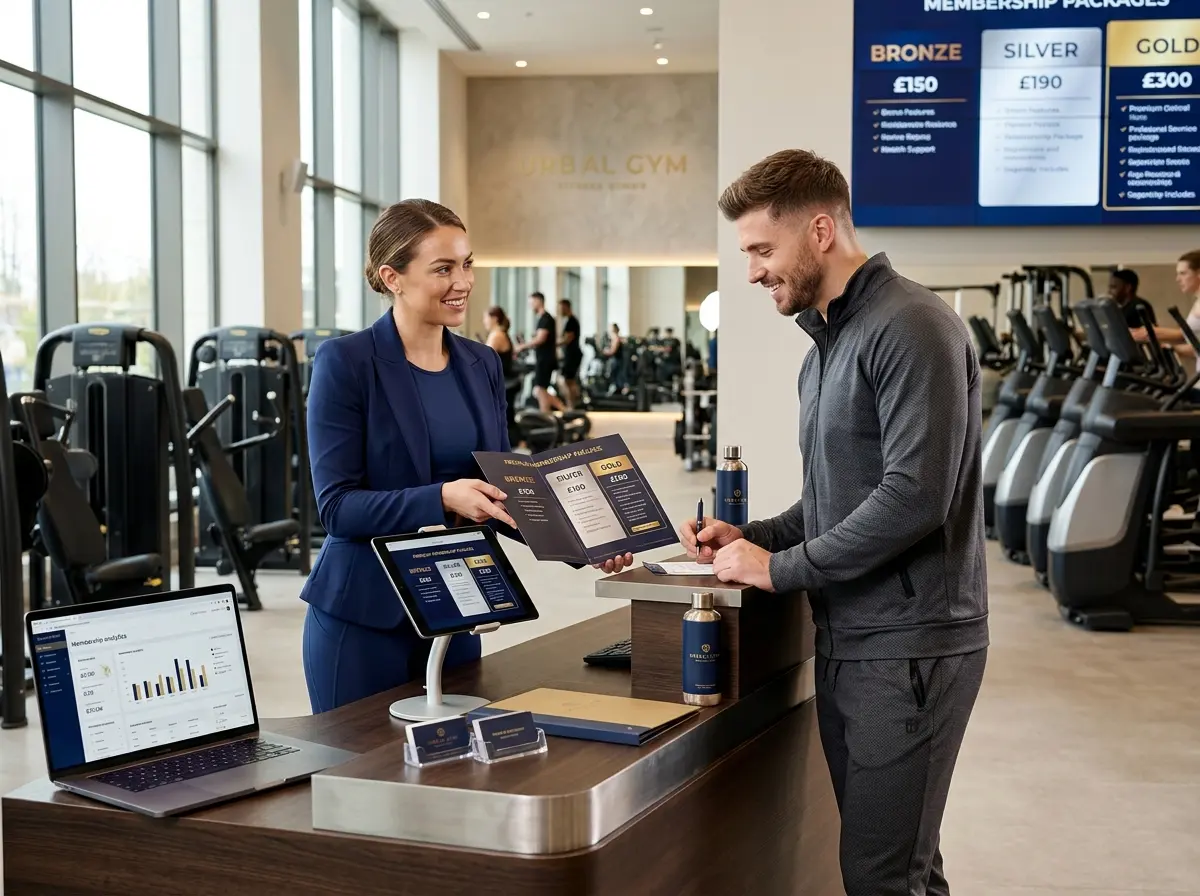
Keep bundles simple — two or three options at most. Offer a recovery bundle (chiropractic plus massage), a rehabilitation bundle (chiropractic plus physical therapy), and perhaps a comprehensive wellness package that includes all three. Make sure your front desk staff can explain the value of each in thirty seconds or less. If they can't, the bundle needs to be simplified.
Let Technology Do Some of the Heavy Lifting
Automating the Recommendation Conversation
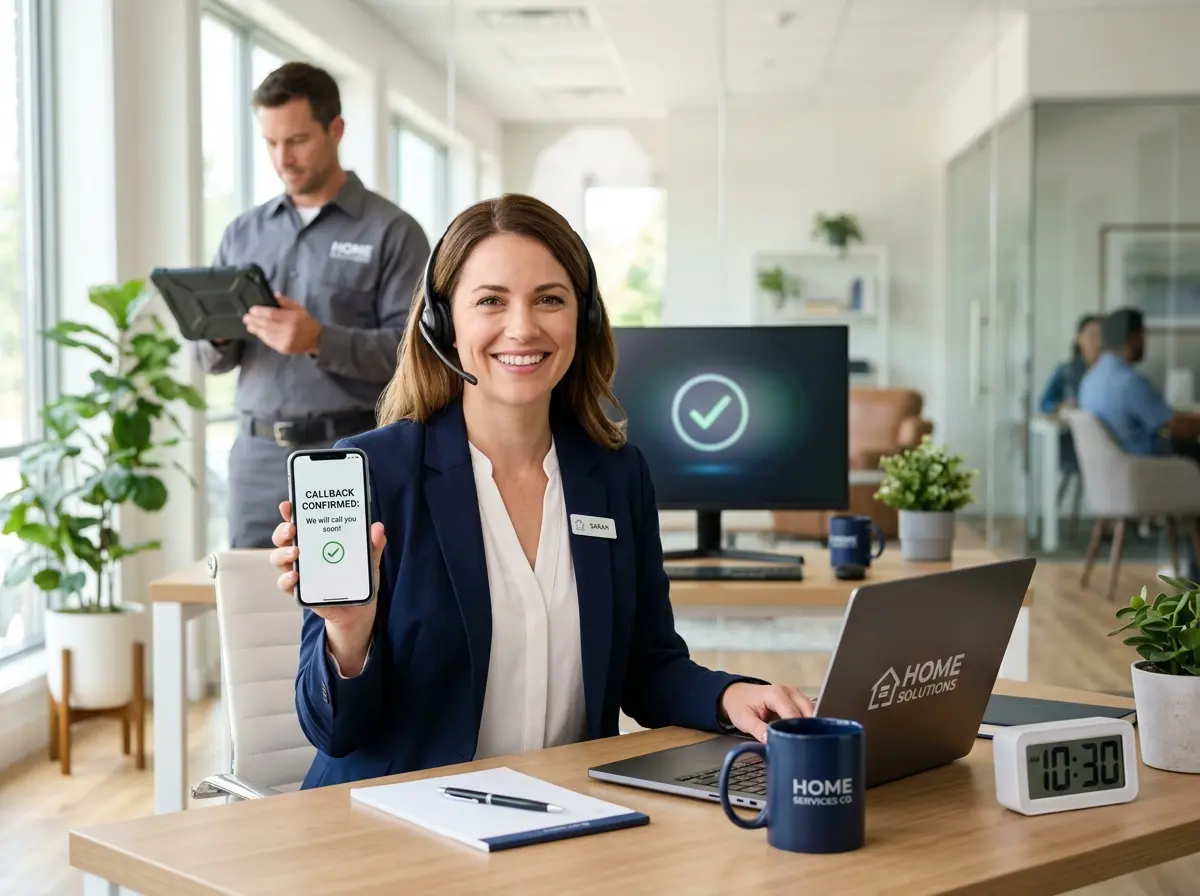
Even the best-trained front desk staff can't be everywhere at once — they're checking people in, answering phones, handling insurance questions, and trying to remember where they put the new patient intake forms. That's where smart automation makes a real difference. Stella, an AI robot employee and phone receptionist, can greet patients as they arrive and naturally introduce your full range of services during the wait. She doesn't get distracted, she doesn't forget to mention the massage promotion running this month, and she never has a bad day.
On the phone side, Stella answers calls 24/7 and can walk callers through your service offerings, answer questions about what massage therapy or physical therapy involves, and even collect intake information before the patient arrives. That means by the time they walk through your door, they're already informed and warmed up to the idea of exploring more than just their primary service. Her built-in CRM also lets you tag patients by service history, so you can track who has — and hasn't — been introduced to your complementary offerings.
Turning One-Time Patients Into Long-Term Wellness Clients
Follow-Up Is Where Most Practices Leave Money on the Table
Here's a scenario that plays out in chiropractic offices everywhere: a patient comes in for six adjustments, feels great, and disappears. Six months later, their back goes out again and they end up at a competitor's office because it was closer. This is not a loyalty problem — it's a communication problem. Patients who feel continuously engaged with your practice don't shop around when their next issue flares up.
Build a follow-up system that keeps your practice top of mind without being annoying about it. A check-in email two weeks after their last appointment, a seasonal reminder about maintenance care, or a personalized note from their chiropractor referencing their specific condition all go a long way. If you introduced them to massage therapy during their initial care plan but they never booked, a gentle follow-up — "We noticed you haven't tried our massage therapy services yet — here's 15% off your first session" — can be surprisingly effective. Personalization matters. Generic blasts get ignored.
Train Every Team Member to Be a Brand Ambassador
Your massage therapists and physical therapists should be just as comfortable recommending chiropractic care as your chiropractors are recommending their services. Cross-referrals within your own practice are gold. When a massage therapist notices restricted movement that isn't responding to soft tissue work alone, they should feel empowered — and encouraged — to say, "I think you'd really benefit from talking to Dr. [Name] about this. Want me to check their availability before you leave today?"
This kind of internal culture doesn't happen by accident. It requires regular team meetings where cases are discussed across disciplines, clear communication channels between providers, and leadership that actively rewards collaborative care. Consider a monthly team huddle specifically focused on cross-referral success stories. When your staff sees the positive outcomes — for patients and for the practice — the behavior reinforces itself naturally.
Leverage Reviews and Testimonials From Multi-Service Patients
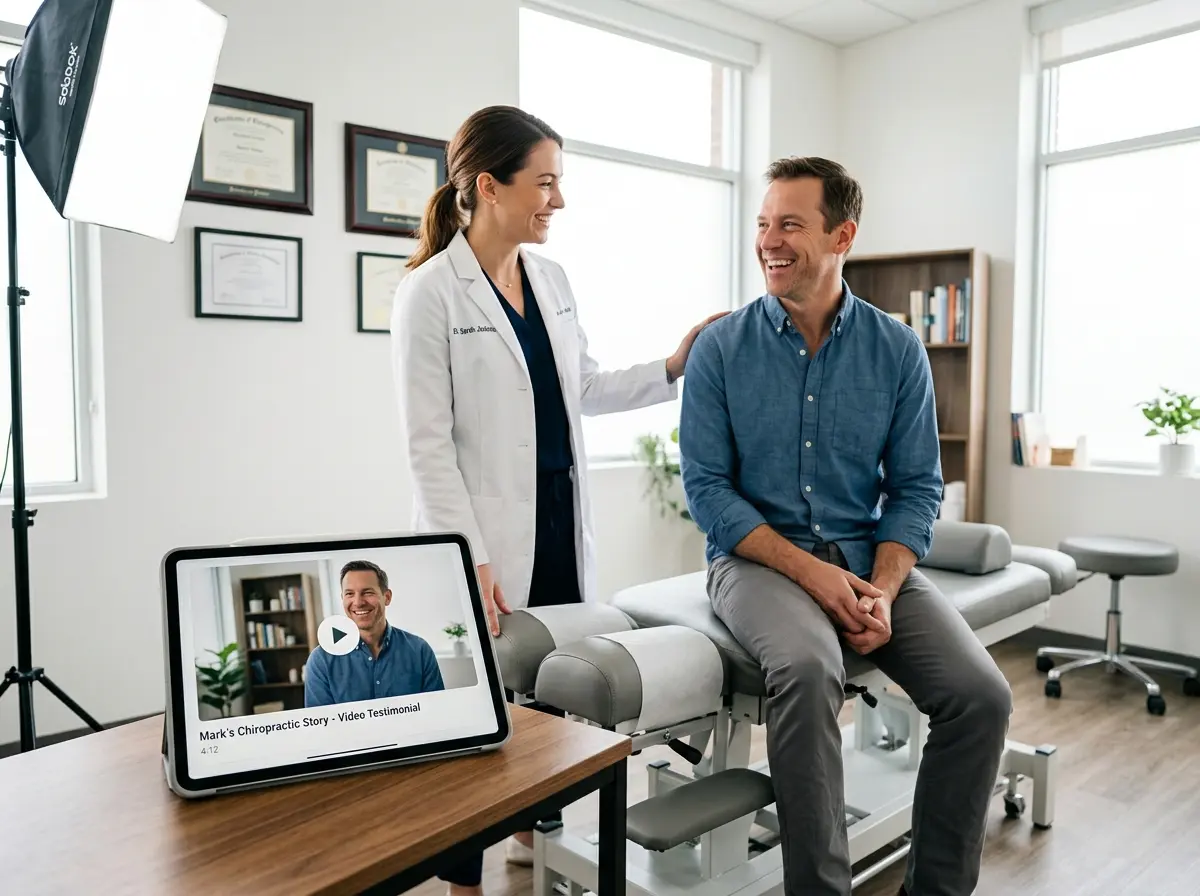
Social proof is one of the most powerful cross-selling tools you have, and it costs almost nothing to collect. Patients who have experienced multiple services at your practice are your best advocates — they can speak authentically to how chiropractic and massage worked together for them in a way no brochure ever could. Actively ask these patients to leave reviews that mention their multi-service experience. A Google review that says "I started coming for adjustments and added massage therapy on my chiropractor's recommendation — I can't believe the difference it made" is worth more than any advertisement you'll ever run.
Feature these testimonials prominently on your website, in your waiting room, and in your email communications. When prospects are researching your practice, seeing real patient stories about the comprehensive care model you offer significantly increases the likelihood they'll engage with more than one service from the start.
Quick Reminder About Stella
Stella is an AI robot employee and phone receptionist that works around the clock — greeting patients in your office, answering calls after hours, promoting your services, and handling intake — all for just $99 a month with no upfront hardware costs. She's the front desk team member who never calls in sick, never forgets to mention the massage bundle, and never puts a new patient on hold while she searches for a pen. For chiropractic practices juggling multiple service lines, she's a quietly powerful addition to the team.
Conclusion: Start Small, Stay Consistent, and Watch It Compound
Cross-selling massage and physical therapy services in your chiropractic practice isn't about being pushy — it's about closing the gap between what patients need and what they actually know you offer. The strategies outlined here work, but only if they're implemented consistently. You don't need to overhaul your entire practice overnight.
Start with these concrete next steps:
- Audit your current patient communication touchpoints. Where are the natural moments to introduce complementary services? Make a list and assign ownership.
- Create or update your service bundles and make sure your entire team can explain them quickly and confidently.
- Launch a simple follow-up sequence for patients who haven't yet explored your secondary services.
- Hold a cross-disciplinary team meeting this month to start building an internal referral culture.
- Collect and feature testimonials from patients who've used more than one service.
The patients who need your massage therapist are already sitting in your waiting room. The ones who would thrive with physical therapy are already on your schedule. All they need is someone — or something — to connect the dots for them. Build the systems, train the team, and let your practice work smarter. Your patients will be healthier for it, and your practice will be too.