If You Build It, They Won't Just Come — But Your Neighbors Might Help
Here's a humbling truth that every chiropractor eventually discovers: you could have the most talented hands in the county, a beautifully designed office, and a five-star Google rating — and still spend Tuesday afternoons staring at an appointment book that looks more like a short story than a novel. New patient acquisition is genuinely hard, and paid advertising gets more expensive every year.
But there's a strategy that's been quietly working for smart practice owners long before anyone invented the word "synergy": local partnerships. Building relationships with complementary businesses in your community creates a referral pipeline that runs on goodwill, shared audiences, and mutual benefit — not just ad spend. And when done right, it can become one of the most cost-effective growth engines your practice has ever seen.
The good news? You already have everything you need to start. You have a professional office, a real service that helps real people, and presumably at least one neighbor who sells something different than you do. Let's put all of that to work.
Finding the Right Partners (Not Just the Nearest Ones)
Think Complementary, Not Competitive
The first mistake chiropractors make when exploring local partnerships is casting too wide a net — or not casting one at all. The goal isn't to partner with every business on Main Street. It's to identify businesses whose customers are already likely to need your services, even if they don't know it yet.
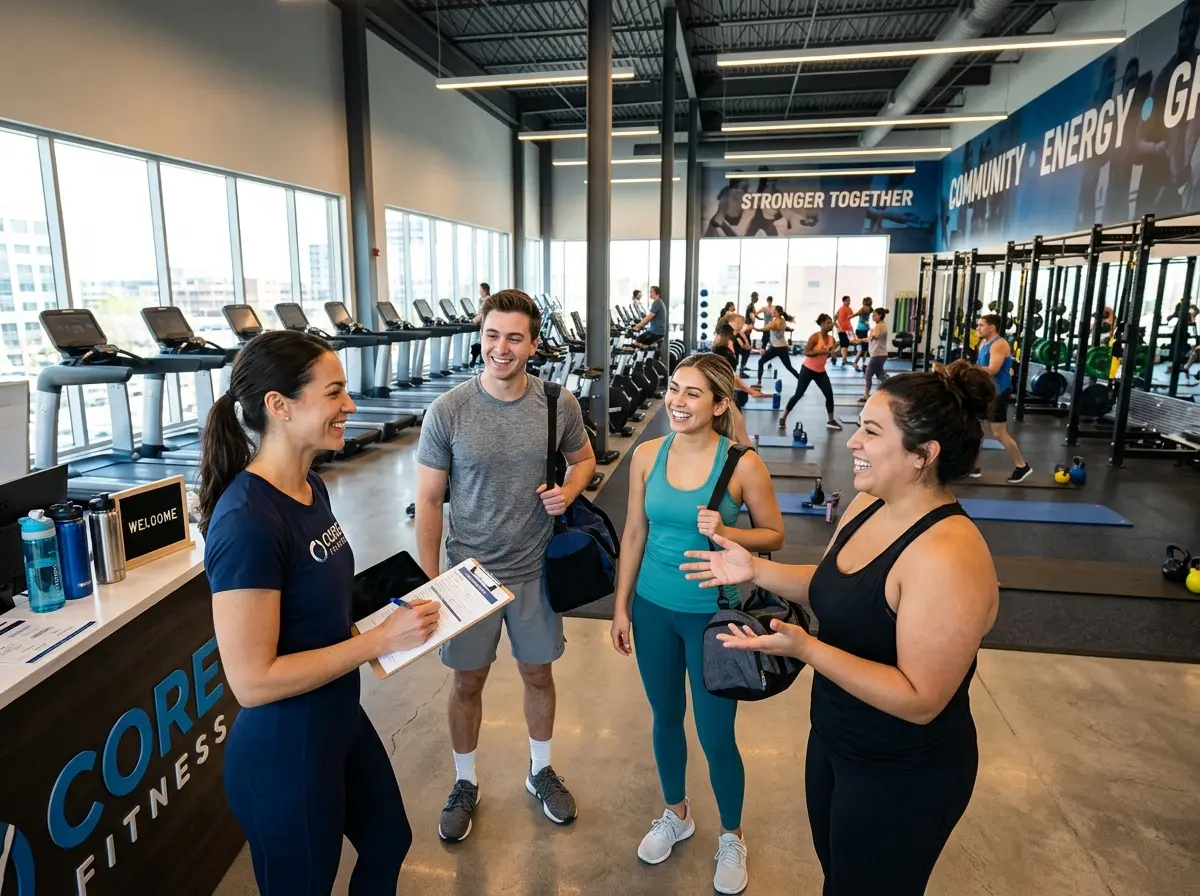
Think about who walks through your door. Athletes recovering from injuries. Office workers with chronic back pain. Pregnant women dealing with discomfort. Seniors managing mobility. Now ask yourself: where do those people spend money before they come to you? Personal trainers and gyms are obvious partners. So are massage therapists, physical therapists (where referral relationships are legally appropriate), yoga studios, and sports equipment retailers. Less obvious — but often highly effective — are ergonomic furniture stores, workplace wellness programs, and even podiatrists. A good foot problem has a funny way of becoming a hip problem, which becomes a back problem, which finally becomes your patient.
How to Approach Potential Partners Without Being Awkward About It
Nobody likes a cold pitch, including business owners. The most effective way to initiate a local partnership is to become a genuine customer or community member first. Visit the yoga studio. Buy something from the running store. Attend the local wellness fair. Show up as a person before you show up as a pitch.
When you do make the approach, frame the conversation around their customers, not your patient count. Something like: "A lot of your clients probably deal with joint pain or tension — I'd love to explore ways we could support each other." That's a conversation starter. "I need more patients — can you send people my way?" is not.
A warm introduction through a mutual connection, a local business association, or a Chamber of Commerce event is worth ten cold emails. Invest the time in showing up where local business owners gather.
Structuring the Partnership So It Actually Works
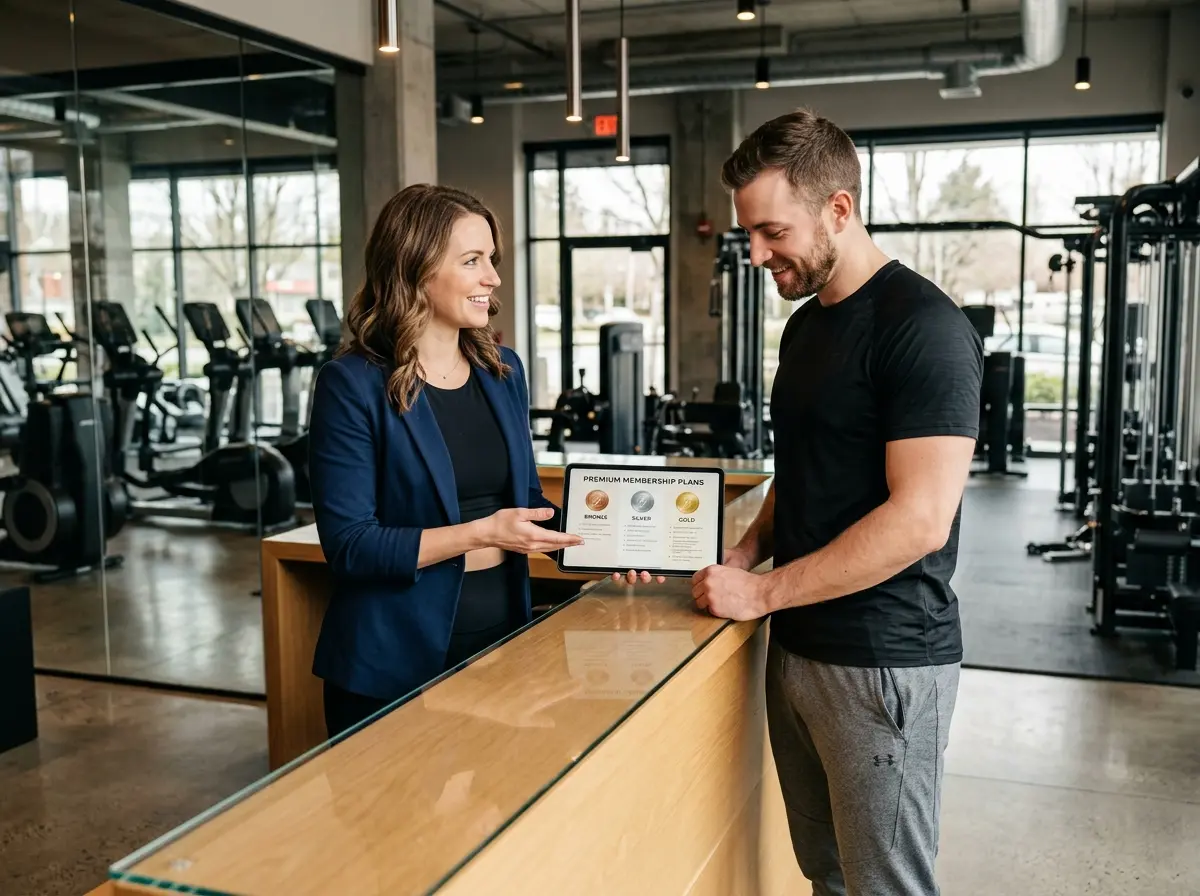
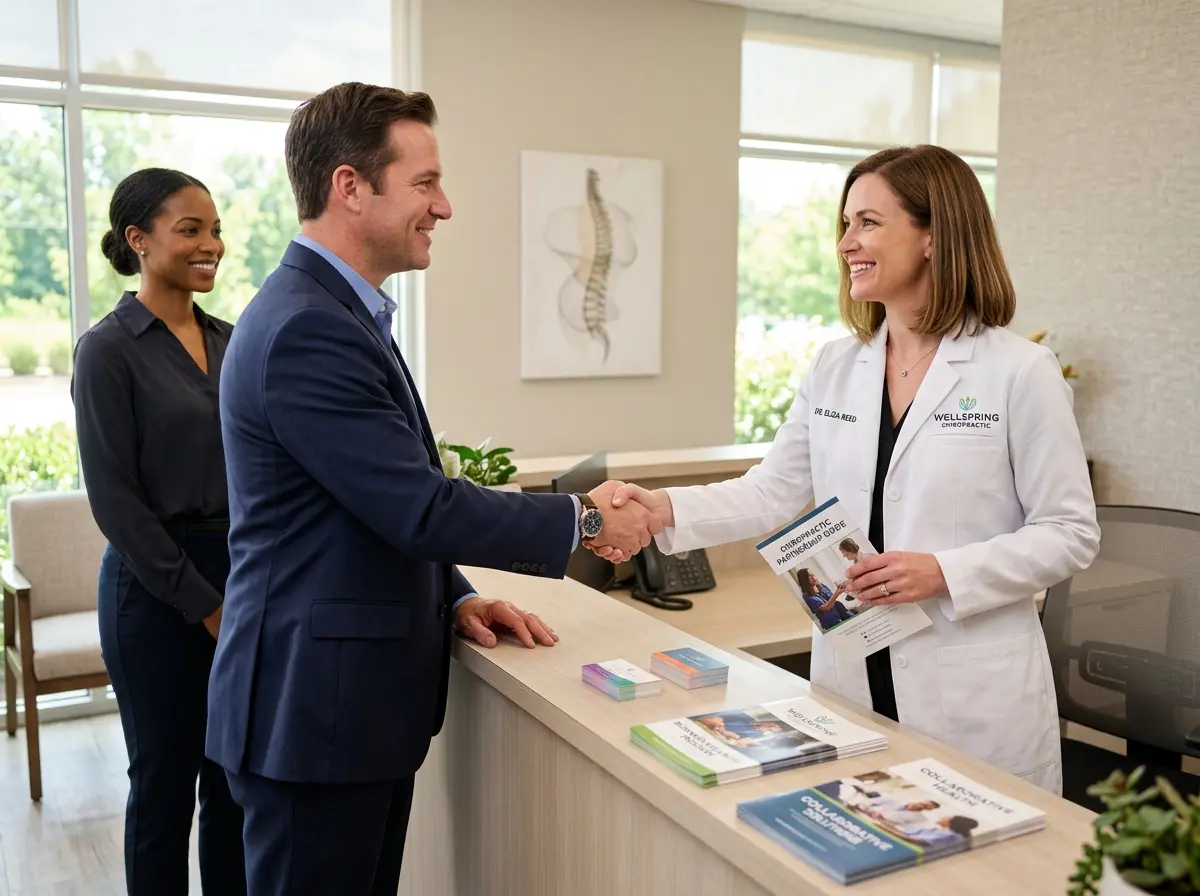
Good intentions don't refer patients — systems do. Once you've identified a willing partner, the relationship needs structure. That might look like a formal cross-referral agreement, co-branded wellness content, shared discounts for each other's customers, or even joint events. Whatever the format, make sure both sides know exactly what's expected and what success looks like.
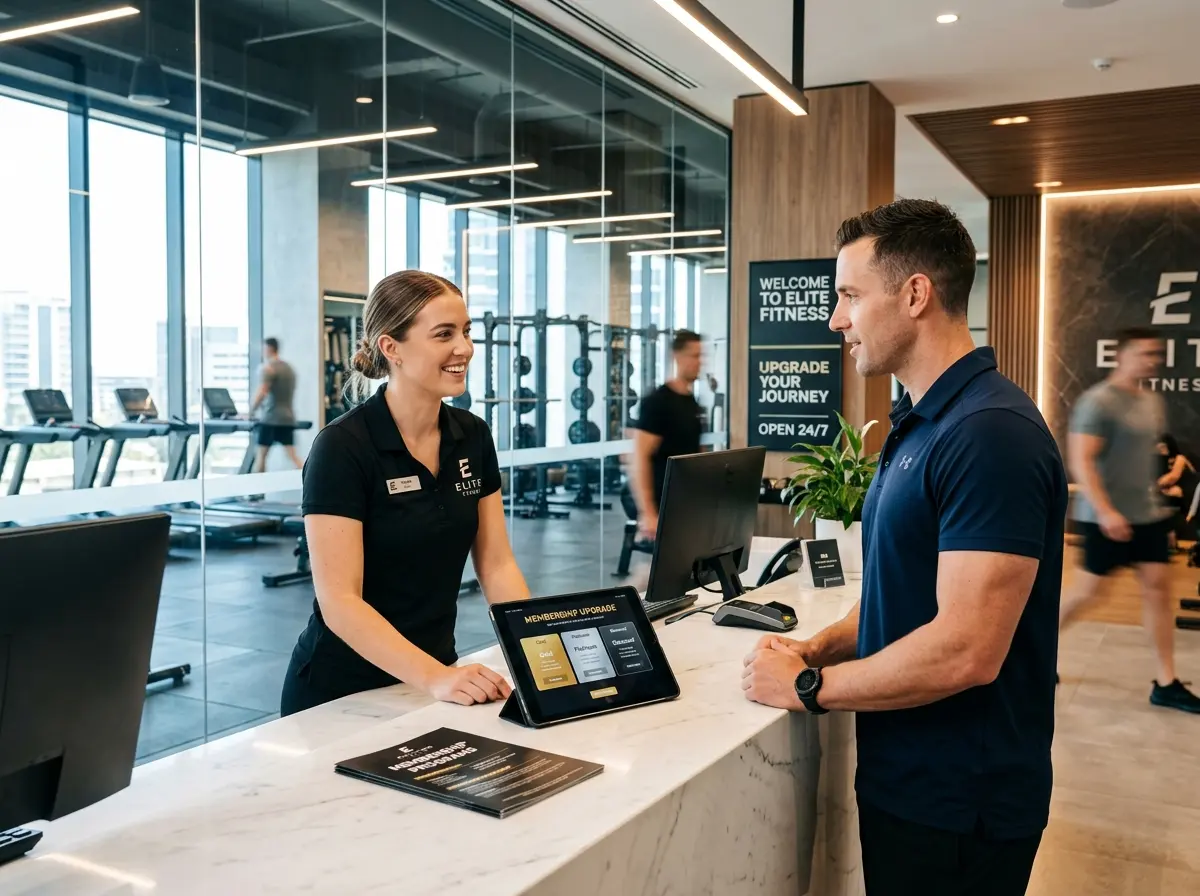
A practical example: a local gym agrees to display your brochures and refer members who complain of back or shoulder pain. In exchange, you refer your patients who mention wanting to get stronger or more active. You each designate a point of contact. You check in quarterly. You celebrate the wins together. Simple, mutual, and measurable.
Keeping Your Office Ready When Referrals Start Rolling In
First Impressions Don't Get Second Chances
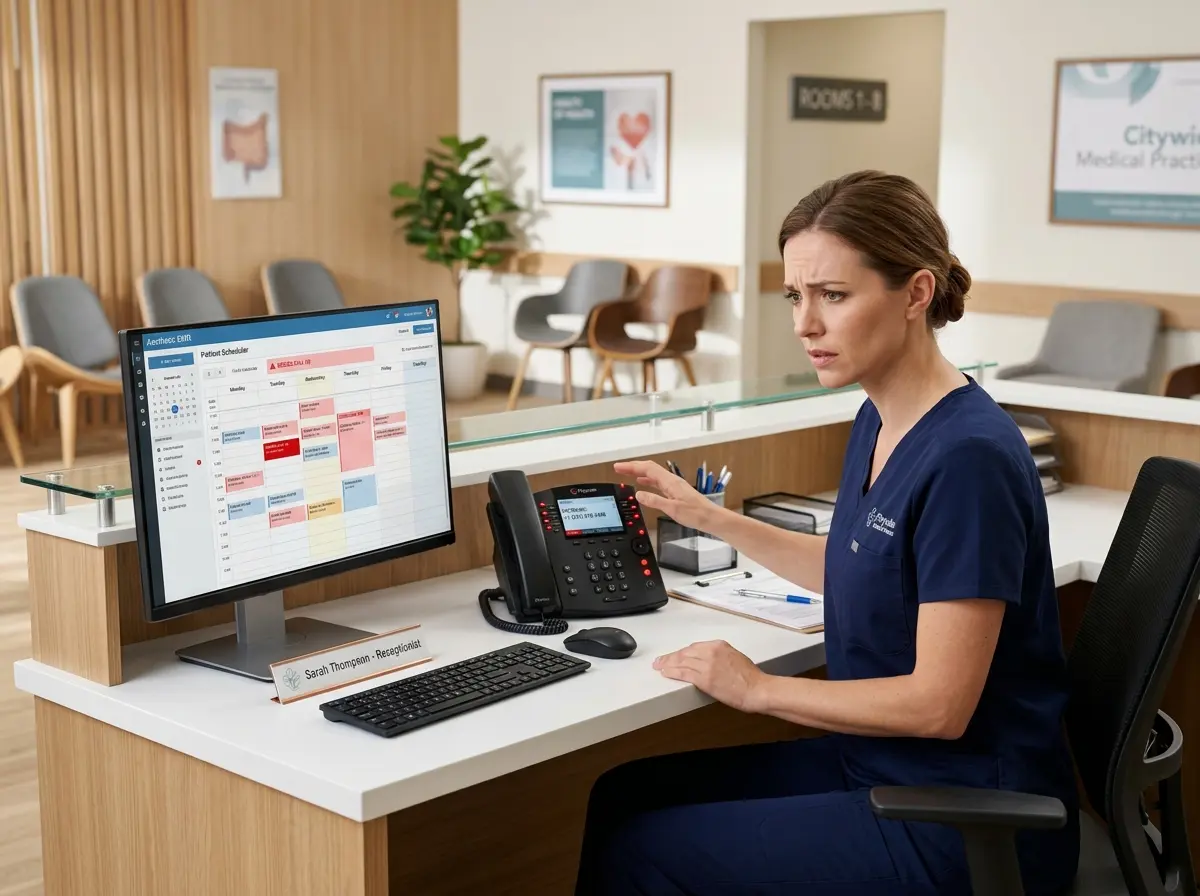
Here's the scenario you want to avoid: you spend weeks nurturing a partnership with the best personal training studio in town, their trainer raves about you to a client, that client calls your office — and nobody answers. Or they walk in, nobody greets them warmly, and they leave feeling like an afterthought. Referrals are warm leads, which means they're fragile. A bad first experience can undo months of relationship-building in a single afternoon.
This is exactly where Stella earns her keep. Stella is an AI robot employee and phone receptionist that greets patients the moment they walk into your office and answers your phones 24/7 — with the same friendly, informed presence every time. She can answer questions about your services, collect new patient intake information conversationally, and make sure no one ever feels ignored while your front desk staff is busy with someone else. Her built-in CRM also lets you tag and track where new patients are coming from, so you can actually measure which partnerships are generating results.
For a chiropractic office building out its referral network, that combination of in-person warmth and reliable phone coverage isn't a luxury — it's infrastructure.
Activating and Sustaining Your Referral Relationships
Create Tangible Touchpoints That Make Referring Easy
Even the most enthusiastic partner will stop referring if the process is inconvenient. Your job is to make referrals as frictionless as possible for both the business and their customers. That means giving partners something physical or digital they can hand off — a referral card, a QR code linking to a new patient form, or a simple one-page explainer of what you do and who you help best.
Consider creating a "Partner Welcome Offer" specifically for referred patients — perhaps a discounted initial consultation or a complimentary assessment. This gives the referring business something concrete to promote, and it gives the new patient a reason to act now rather than eventually. According to a study by the Wharton School, referred customers have a 16–25% higher lifetime value than non-referred ones. That discount pays for itself quickly.
Host Events That Bring the Community Into Your Office
One of the most underused partnership strategies in chiropractic is the co-hosted community event. Invite your partner businesses to co-sponsor a free workshop at your office — topics like "Back Pain Prevention for Desk Workers," "Sports Injury Recovery Tips," or "Posture and Performance." Each business promotes the event to their audience, and everyone gains visibility.
These events do something advertising rarely does: they let prospective patients experience your expertise in a low-pressure setting. A person who attends your free posture workshop and leaves with three actionable tips — and a newfound trust in you — is far more likely to book an appointment than someone who saw your ad between YouTube videos.
Nurture the Relationship Like a Patient, Not a Transaction
Referral partnerships are relationships, and relationships require ongoing attention. Check in with your partners monthly — not to ask for referrals, but to share how mutual patients are doing (within appropriate privacy boundaries), to exchange feedback, or simply to stay visible and appreciative. A handwritten note when a partner sends you a particularly complex case, or a thoughtful referral sent their way, goes further than any co-marketing agreement ever will.
Track your partnership performance quarterly. How many referrals came from each source? How many converted to active patients? Which partnerships are growing and which have gone quiet? Use that data to invest more energy in high-performing relationships and to have honest conversations with partners where things have stalled.
Quick Reminder About Stella
Stella is an AI robot employee and phone receptionist built for businesses like yours — she greets patients in your office, answers calls around the clock, collects intake information, and manages contacts through a built-in CRM. At just $99/month with no upfront hardware costs, she's the kind of front-desk support that doesn't call in sick or forget to follow up. When your referral network starts sending people your way, Stella makes sure they're welcomed like they matter — because they do.
Start Small, Stay Consistent, and Watch It Compound
Local partnerships aren't a campaign — they're a long game. The practices that benefit most from referral networks are the ones that approach them with patience, professionalism, and genuine investment in their community's wellbeing. That's a good fit for chiropractors, who tend to think in terms of long-term health rather than quick fixes.
Here's your action plan to get started this week:
- List five to ten local businesses whose customers overlap with your ideal patient profile.
- Identify two or three where you already have a connection or can create one naturally.
- Reach out as a person first — visit, attend, engage — before making any formal pitch.
- Propose one simple, mutual arrangement and formalize it with a clear point of contact on each side.
- Create a frictionless referral mechanism — a card, a QR code, a welcome offer — so referring is easy.
- Make sure your office is ready to receive referrals with a warm welcome and reliable phone coverage.
The businesses that thrive in your community aren't the ones who compete hardest in isolation — they're the ones who collaborate smartest. Build those bridges now, and your appointment book will start to look a lot more like a novel and a lot less like a short story.