Because "Please Remember Your Appointment" Shouldn't Be a Full-Time Job
If you run a chiropractic office, you already know the drill — pun absolutely intended. You've got a packed schedule, patients who genuinely need care, and a front desk team doing their heroic best to keep everything running smoothly. And then Tuesday rolls around, and three patients just... don't show up. No call. No text. Just a silent treatment that costs your practice real money and wastes time slots that someone else could have used.
No-shows are one of the most frustrating and financially draining problems in healthcare — and chiropractic offices are not immune. Studies suggest that the average no-show rate across healthcare settings hovers somewhere between 5% and 30%, with some specialties suffering even higher rates. For a busy chiropractic practice, even a 10% no-show rate can translate to thousands of dollars in lost revenue every single month. That's not a rounding error — that's a staffing cost, a marketing budget, or a piece of equipment you're just quietly leaving on the table.
The kicker? Most no-shows aren't malicious. Patients forget. Life happens. They meant to cancel and didn't get around to it. The solution, in many cases, isn't punishment — it's better communication. And that's exactly where smart automation is changing the game for chiropractic offices that refuse to hire a fourth receptionist just to make reminder calls all day.
Why No-Shows Happen (And Why Scolding Patients Doesn't Fix It)
The Memory Problem Is Real
People are busy. They book a chiropractic appointment on a Thursday and, by the following Tuesday, their brain has been overwritten with school pickups, work deadlines, and whatever crisis their group chat created over the weekend. It's not personal — it's just the reality of modern life. Research published in the Journal of Advanced Nursing found that reminder systems alone can reduce no-show rates by up to 29%. That's not a small number. That's the difference between a thriving schedule and one that looks like Swiss cheese.
The issue is that reminders require follow-through — phone calls that get voicemail, texts that get ignored, and emails that end up in spam. When your front desk team is also checking in patients, answering billing questions, and managing the chaos of a busy office, those reminder calls tend to fall through the cracks. And then Tuesday happens again.
The Communication Gap Between Booking and Visit Day
Here's a scenario that plays out constantly in chiropractic offices: a patient books three weeks in advance. They receive exactly one confirmation email. Nobody reaches out again until they're already a no-show. That three-week gap is a minefield of forgotten commitments — especially for new patients who haven't yet built a habit of regular visits.
Effective appointment retention requires touchpoints. A confirmation when booking, a reminder a few days out, and a final nudge the day before. This isn't revolutionary — it's just consistent, and consistency is hard when you're understaffed or when your team has eighteen other things to manage simultaneously. Automating that communication pipeline isn't cutting corners; it's plugging a very expensive leak.
Cancellations Are Actually Fine — If You Hear About Them
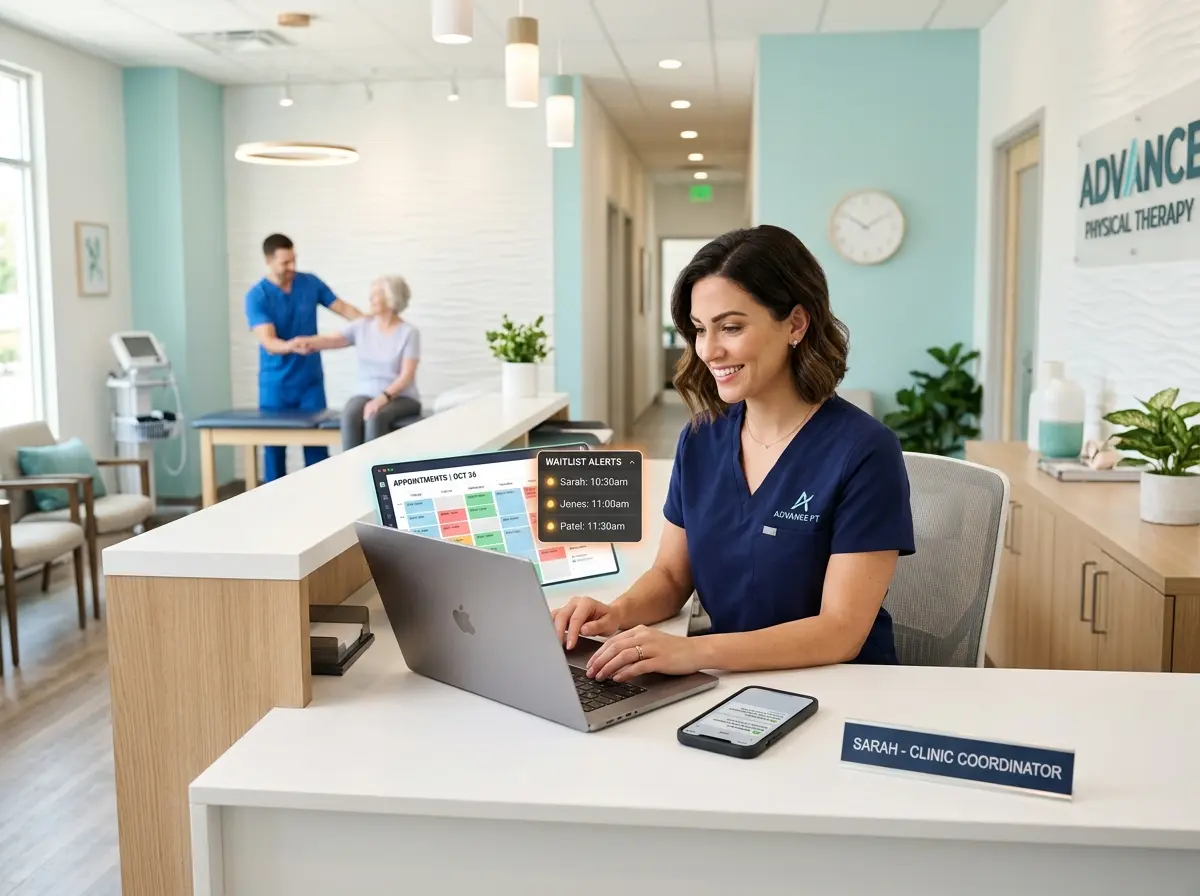
Here's the thing most chiropractic offices overlook: a cancellation you know about is a gift. It's a slot you can offer to another patient, a chance to reschedule someone on your waitlist, and a way to keep your schedule as full as possible. A no-show you never heard about is just lost revenue sitting in an empty room.
Making it easy for patients to cancel — without judgment, without a phone call they don't want to make — actually improves your fill rate over time. Patients who can quickly reach out after hours, leave a message that's actually acted on, or interact with your office without waiting on hold are far more likely to engage. Which means your last-minute cancellations turn into rebookings rather than revenue losses.
How AI Receptionist Tools Are Quietly Solving This Problem
Always Available, Never Overwhelmed
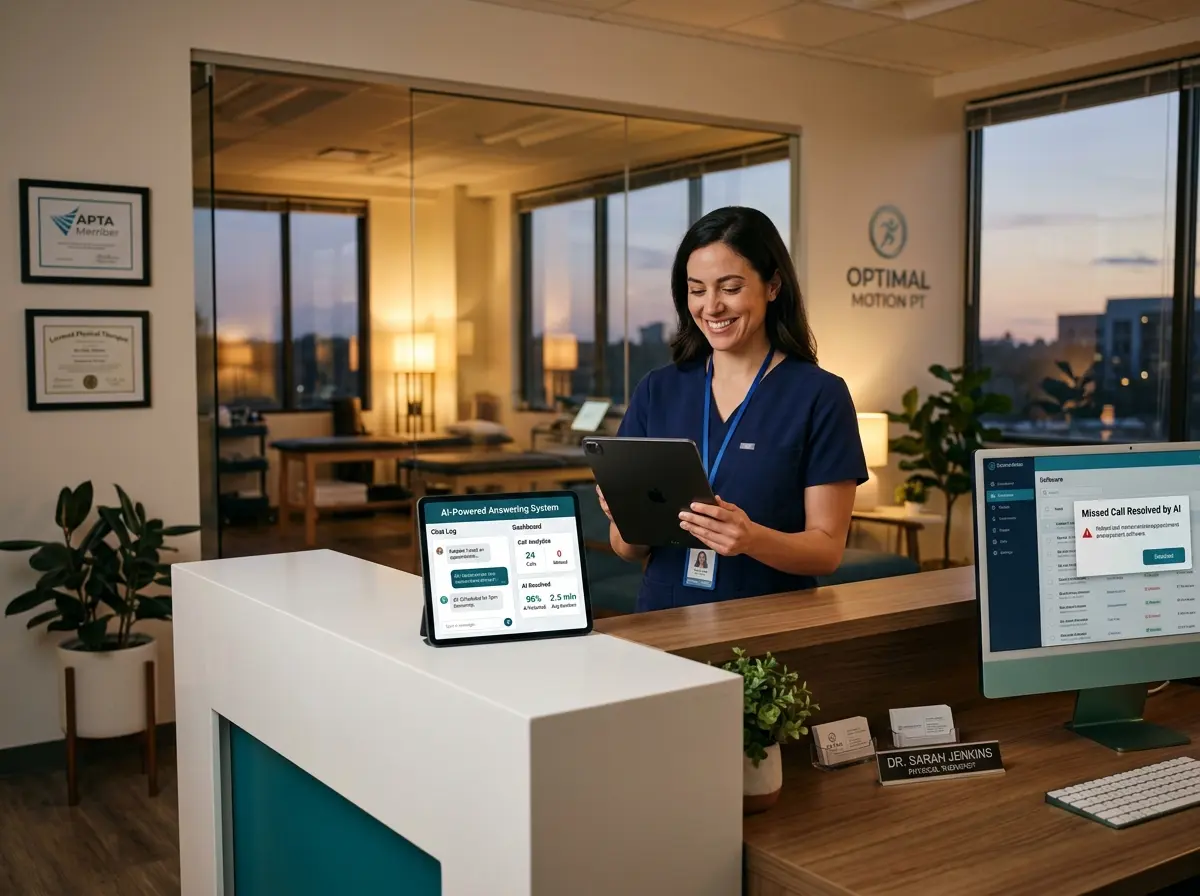
One of the most underappreciated causes of no-shows is the simple inability to reach the office when it matters. A patient decides at 9 PM they need to cancel tomorrow's appointment. Your office is closed. They tell themselves they'll call in the morning, and then they don't — either because they forget or because they just... don't bother. The appointment becomes a no-show that could have been a rescheduled visit.
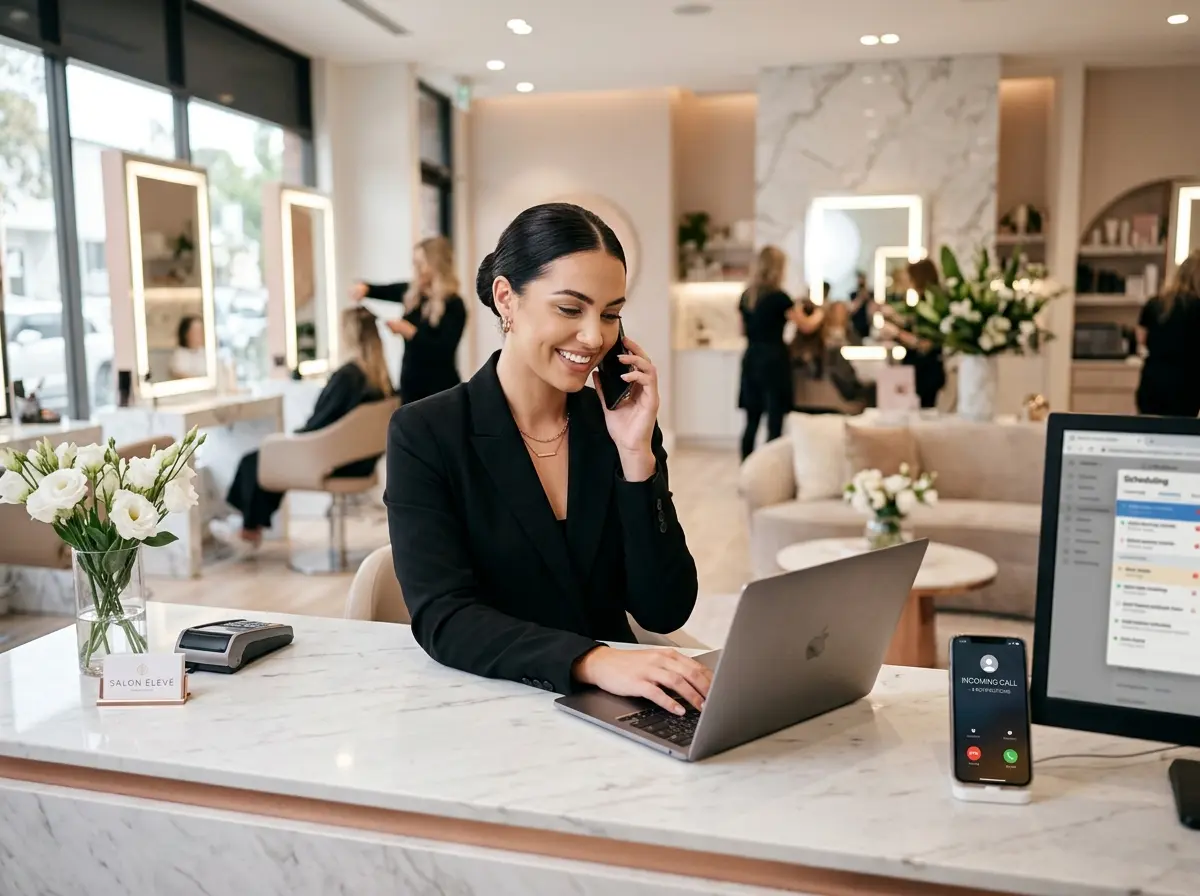
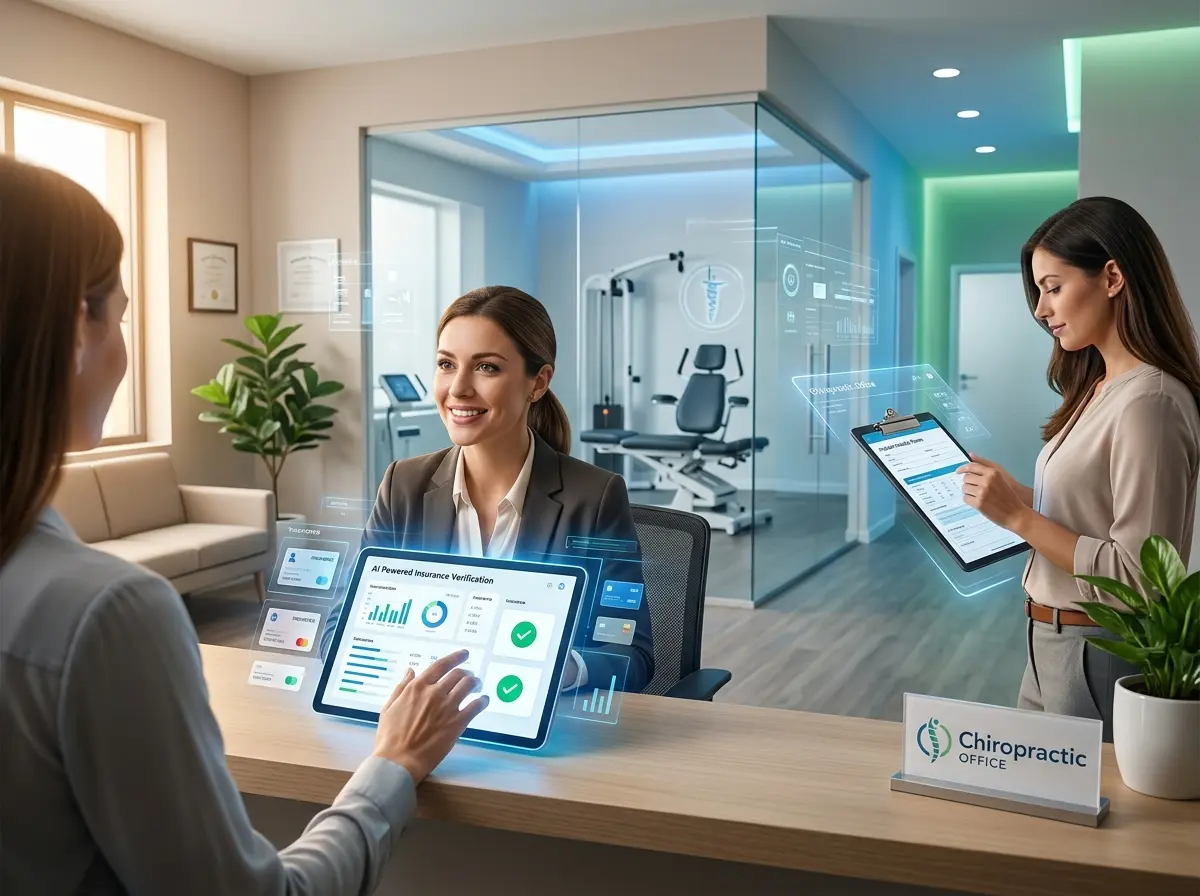
This is where Stella, the AI robot employee and phone receptionist, makes a tangible difference for chiropractic offices. Stella answers phone calls 24/7, so when a patient wants to cancel at 9 PM or ask a question about their next appointment at 7 AM, there's always a knowledgeable, friendly voice available. She can take voicemails with AI-generated summaries and push notifications sent directly to the practice manager — so nothing falls through the cracks, even outside business hours.
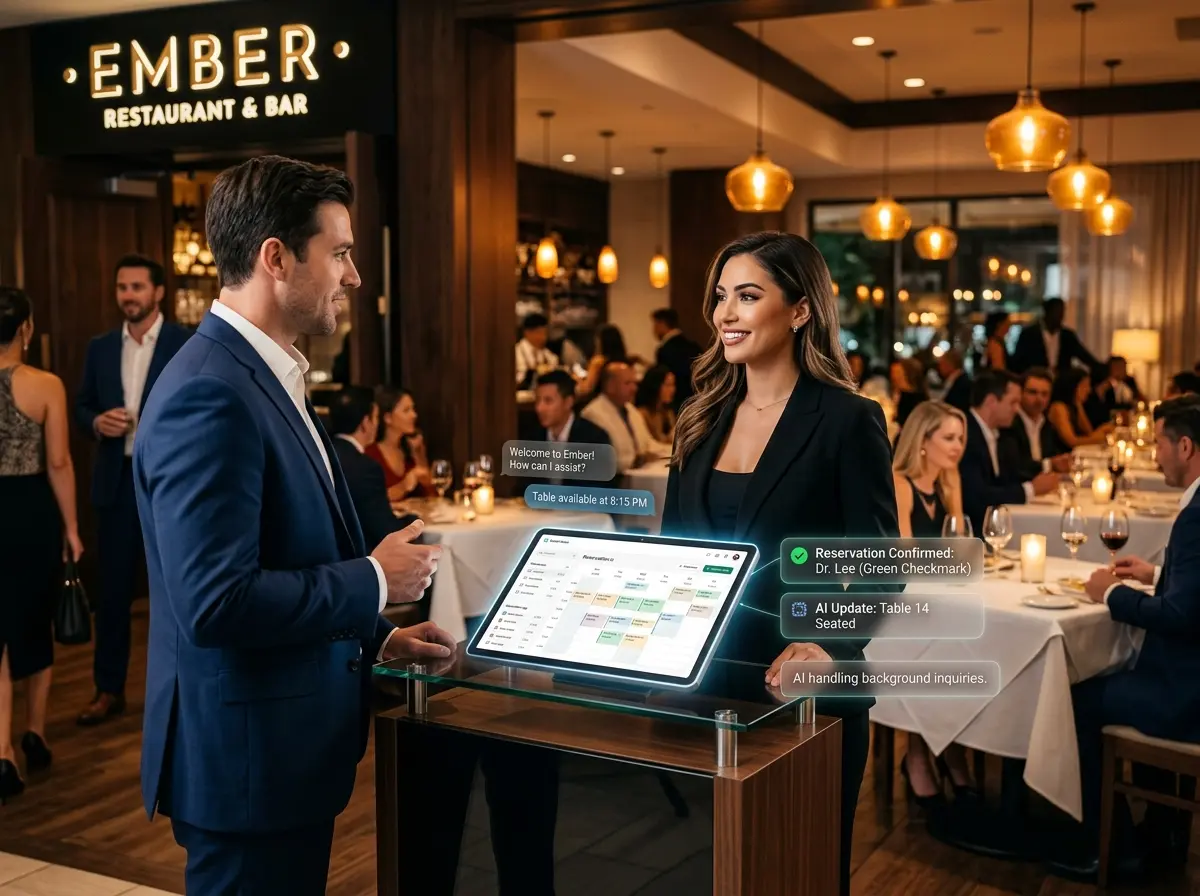
For chiropractic offices with a physical location, Stella also operates as a human-sized kiosk right inside the office, greeting patients as they arrive, answering common questions, and reducing the constant interruptions that pull your front desk team away from meaningful work — like actually talking to patients who need attention. She also captures patient information through conversational intake forms and manages contact data through a built-in CRM, which means your patient records stay organized without adding administrative burden to your staff.
Practical Strategies to Actually Reduce No-Shows at Your Practice
Build a Multi-Touch Reminder System
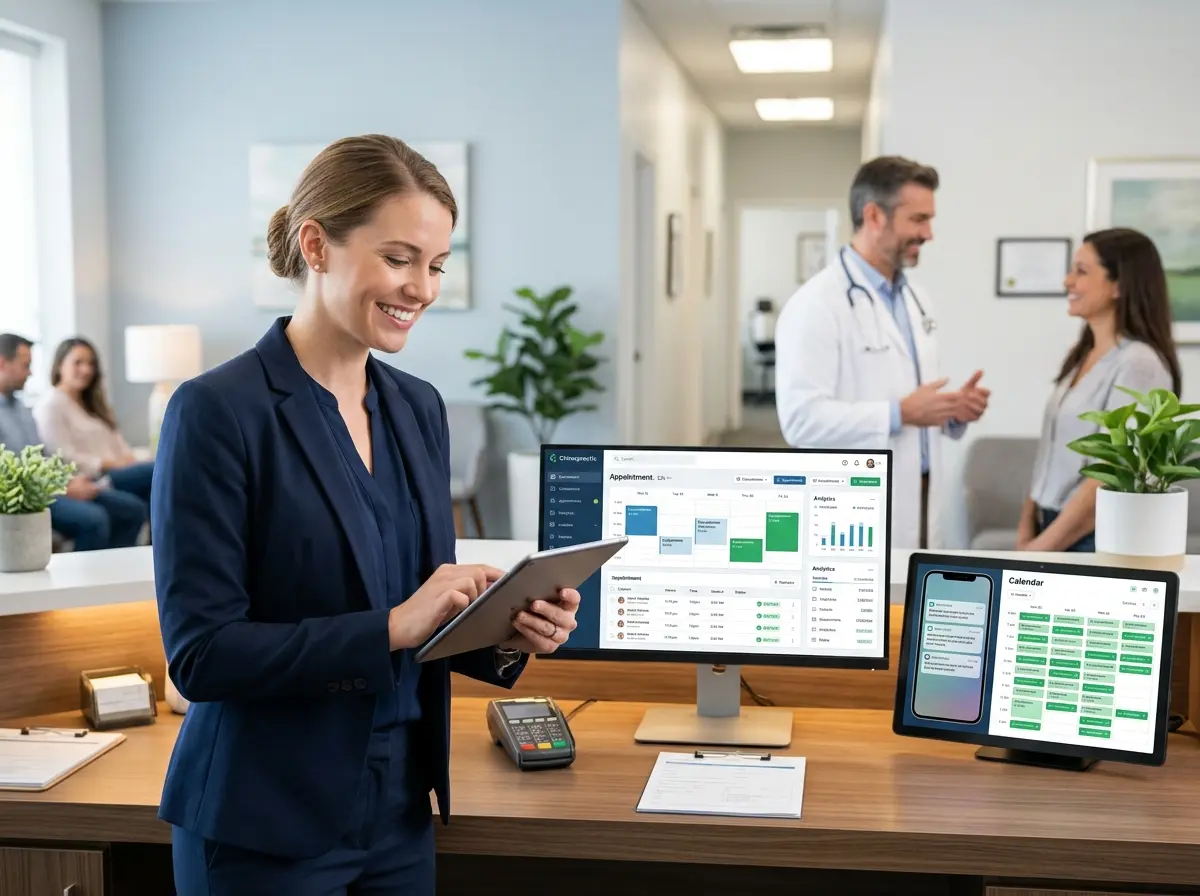
One reminder is not a strategy — it's a wish. An effective reminder sequence looks something like this: a confirmation message at the time of booking, an email or text three to five days before the appointment, and a final reminder the evening before or morning of. Each touchpoint doesn't need to be long or complicated. A simple "We're looking forward to seeing you tomorrow at 2 PM — here's what to bring" does the job.
The critical piece is consistency. Every patient, every appointment, every time. Doing this manually is exhausting and error-prone. Doing it with automation is sustainable. If your current practice management software doesn't support multi-touch reminders, that's a gap worth filling. Most modern systems do — the question is whether someone has actually configured them properly or if they've been sitting untouched since installation.
Make Rescheduling Frictionless
Patients who feel like canceling is a chore will skip it and just not show up. Patients who can easily reach someone — or something — at any hour to change their appointment are far more likely to stay engaged with your practice. Review your current process: How does a patient reschedule after hours? Is there a clear path, or is the only option leaving a voicemail into the void and hoping for the best?
Frictionless rescheduling isn't about lowering standards — it's about reducing the social awkwardness and logistical inconvenience that causes patients to ghost instead of communicate. A friendly, judgment-free interaction that handles their request quickly and professionally goes a long way toward keeping that patient in your system rather than losing them entirely.
Track Your No-Show Data and Look for Patterns
If you're not tracking no-show rates by day, time slot, provider, or appointment type, you're managing the symptom without diagnosing the disease. Some patterns are surprisingly actionable — Monday morning appointments may have significantly higher no-show rates than Wednesday afternoon slots, for instance. Certain patient demographics or appointment types might show consistent drop-off. Knowing this lets you make smarter scheduling decisions, follow up more aggressively with high-risk appointments, or adjust your overbooking strategy where it makes sense.
Your practice management software likely has this data. The question is whether you're looking at it regularly and actually using it to make decisions. Building a monthly review of your no-show metrics into your operations doesn't require a consultant — it just requires the discipline to look at the numbers and ask why.
A Quick Reminder About Stella
Stella is an AI robot employee and phone receptionist built for businesses exactly like yours. She answers calls around the clock, greets patients in person from her kiosk, manages intake forms and contact data through a built-in CRM, and gives your team the breathing room to focus on patient care rather than administrative firefighting — all for $99 a month with no upfront hardware costs.
Start Small, Fix the Leak, and Stop Leaving Money in Empty Rooms
Reducing no-shows at a chiropractic office isn't about implementing a punishment policy or lecturing patients about your cancellation terms. It's about building systems that make communication easy, consistent, and available whenever a patient needs it — which is not always during business hours, and not always in a way your front desk has bandwidth to handle.
Here's where to start: audit your current reminder system and identify exactly where the gaps are. Are you sending one reminder or three? Are patients able to reach someone after hours if they need to cancel? Are you tracking your no-show rates and using that data to make decisions? These aren't complicated questions, but answering them honestly will tell you exactly where to focus your energy.
From there, look at the tools available to you — many of which are far more affordable and easier to set up than you'd expect. Whether that's updating your practice management software's reminder settings, adding an AI receptionist to handle after-hours communication, or simply reviewing your scheduling data monthly, every step you take closes the gap between the revenue your schedule promises and the revenue your bank account actually sees.
Your patients aren't trying to hurt your practice. They're just busy, forgetful humans living busy, forgetful lives. Meet them where they are with consistent communication and easy access, and most of them will show up — because they genuinely want to feel better. You just have to make it easy enough for them to follow through.