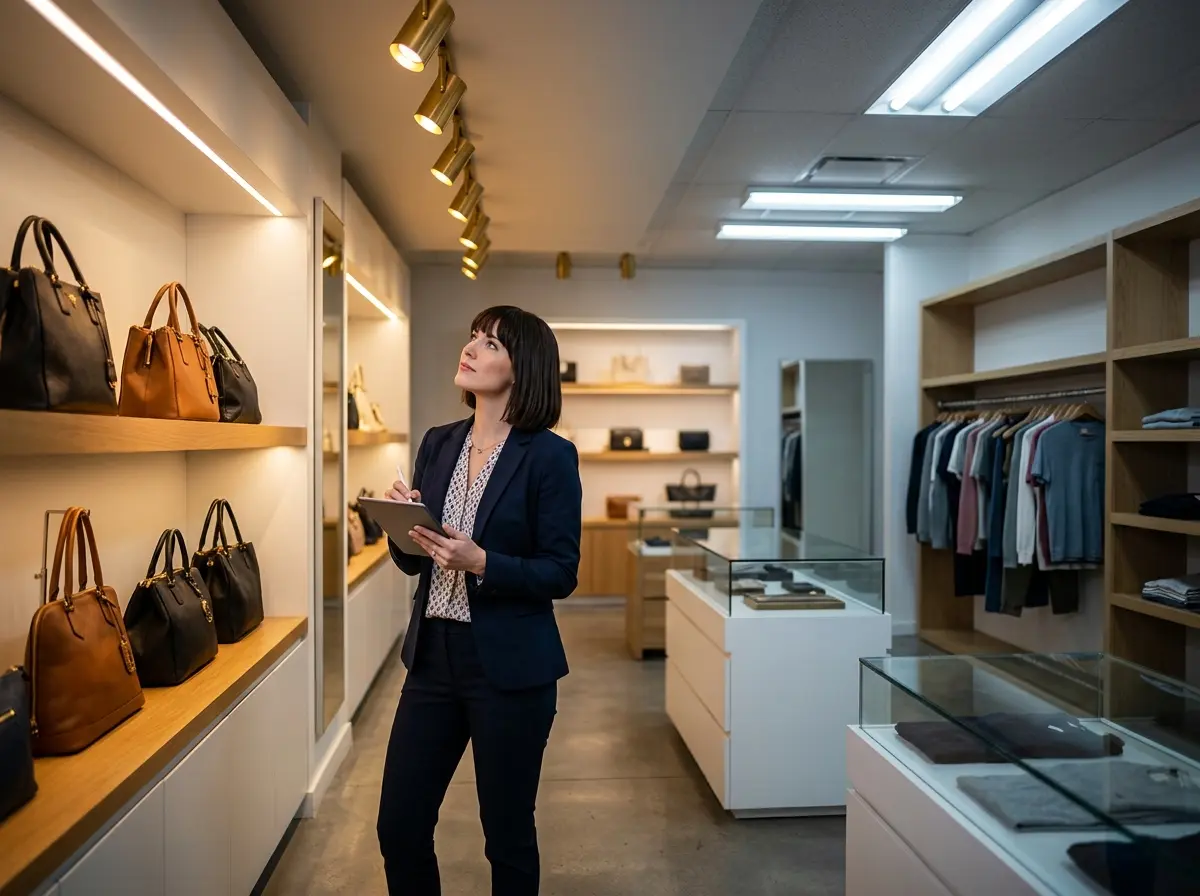
Your Store Looks Great — So Why Aren't People Buying?
You've got the products. You've got the location. You've even got that hand-painted sign out front that took your cousin three weekends to finish. And yet, customers walk in, glance around, and walk back out — sometimes without saying a word. What gives?
Before you overhaul your entire inventory or fire the cousin, consider this: it might be your lighting. Seriously. Lighting is one of the most overlooked — and most impactful — elements of visual merchandising, and getting it wrong can quietly drain your sales without you ever realizing why. Studies have shown that well-designed retail lighting can increase sales by up to 35%, which is a number worth taking very seriously.
This post is your deep dive into how lighting affects customer behavior, what common mistakes are costing you money, and how to fix them without hiring an interior designer who charges more per hour than a small law firm.
The Psychology of Light: Why It Matters More Than You Think
Lighting isn't just about visibility. It's about emotion, perception, and yes — purchasing decisions. The way your store is lit shapes how customers feel the moment they walk through the door, how long they stay, and whether they reach for their wallets.
How Lighting Affects Customer Behavior
Research in retail psychology consistently shows that lighting influences customer mood, dwell time, and perceived product value. Warm, dimmer lighting tends to create a relaxed, intimate atmosphere — think high-end boutiques or upscale restaurants — which encourages customers to linger and explore. Bright, cool lighting signals efficiency and cleanliness, which is why grocery stores and pharmacies tend to use it. Neither approach is universally "right." The right lighting depends entirely on your brand, your products, and the experience you want to create.
What is universally wrong is inconsistent, accidental lighting — a patchwork of fluorescent overheads left over from a previous tenant, supplemented by a few lamps you picked up at a clearance sale. That's not a vibe. That's a liability.
Accent Lighting: The Secret Weapon You're Probably Not Using
Accent lighting — directional spotlights aimed at specific products, displays, or featured areas — is one of the most powerful tools in visual merchandising. When a product is lit from above or at an angle, it naturally draws the eye. Your customers don't even know it's happening. Their brain just says, "Oh, that looks important."
Consider a jewelry store that highlights its newest collection with warm pin-spotlights against a dark backdrop, versus one that just lets everything sit under generic overhead lighting. The first store feels curated. The second feels like a storage unit with a cash register. The difference in perceived product value — and in actual sales — is enormous. Even modest investments in track lighting or adjustable spotlights can dramatically change how customers interact with your merchandise.
Color Temperature and Your Brand Identity
Color temperature — measured in Kelvins — affects everything from how your products look to how your staff appears to customers. A warm white (around 2700K–3000K) is flattering and inviting, ideal for clothing, food, and beauty products. A neutral white (3500K–4000K) balances warmth and clarity, working well in general retail. Cool white or daylight (5000K+) is crisp and energizing but can feel clinical if overused.
The mistake many retailers make is mixing color temperatures without a plan, resulting in a space that looks patchy and confusing. Consistency in color temperature across your space signals professionalism — and professionalism builds trust, which builds sales.
A Quick Note on the Customer Experience Big Picture
Lighting is one piece of a much larger puzzle called the in-store customer experience. Customers notice everything — consciously or not — from how your space looks to how they're greeted when they walk through the door.
Where Technology Fits Into the Experience
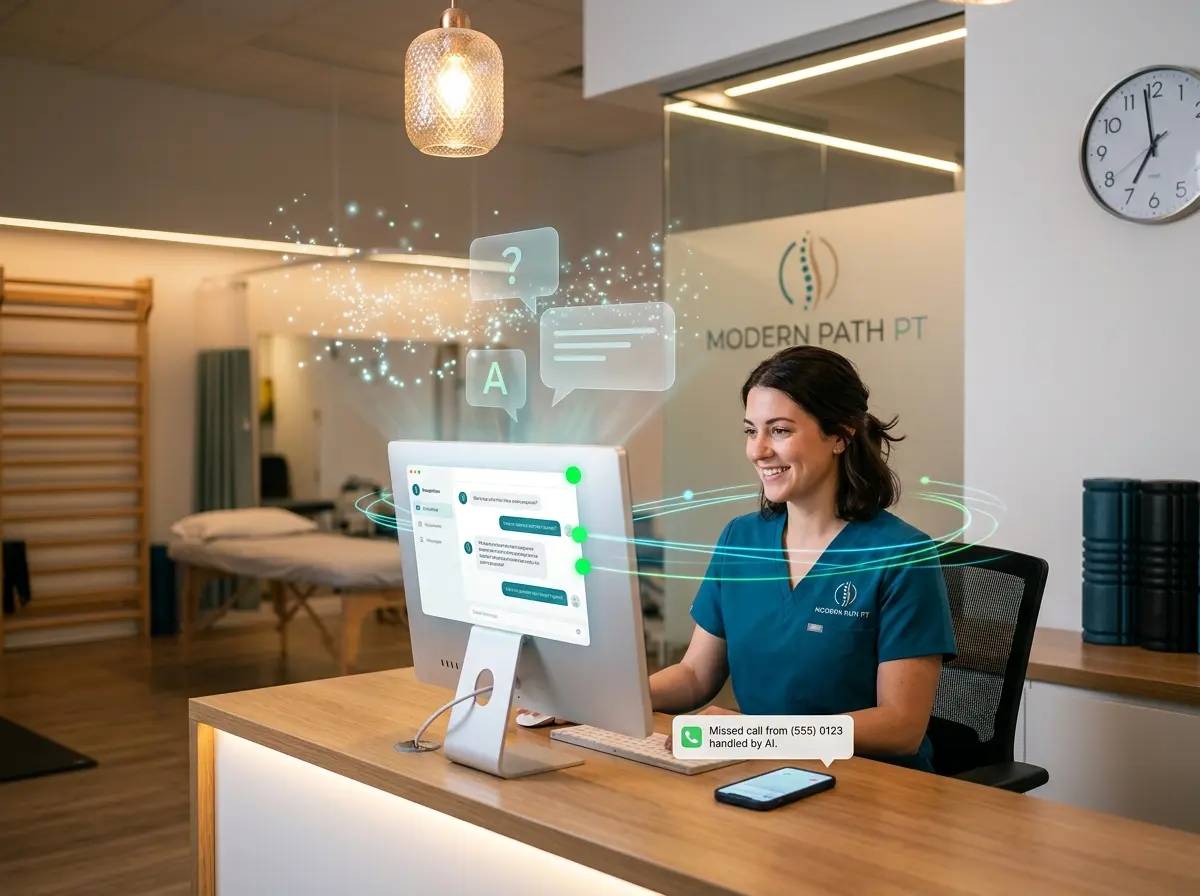
That's where Stella comes in. Stella is an AI robot employee and phone receptionist that greets every customer who walks into your store, proactively engages them with information about your products, services, and current promotions, and answers questions so your human staff doesn't have to drop what they're doing every five minutes. She also answers phone calls 24/7 with the same depth of business knowledge she uses in person — so whether someone's standing in your store or calling at 11pm on a Tuesday, they're getting a professional, helpful experience. Think of her as the always-on team member who never has an off day, never zones out under bad lighting, and never forgets to mention this week's special.
Common Lighting Mistakes and How to Fix Them
Now that you understand why lighting matters, let's talk about the specific mistakes that are probably happening in your store right now. Don't feel bad — these are incredibly common. Feel motivated to fix them.
Mistake #1: Relying Entirely on Ambient Overhead Lighting
Ambient lighting — your general overhead lights — is necessary, but it should never be your only layer. Flat, uniform light flattens your products, removes shadows that create dimension, and makes everything look equally unimportant. In retail, equal importance means no importance. You want hierarchy. You want some things to pop.
The fix is to layer your lighting intentionally. Start with ambient light as your base, then add task lighting where staff or customers need to read labels or examine products closely, and finally add accent lighting to direct attention to featured items, new arrivals, or high-margin products. This three-layer approach is what separates stores that feel curated from stores that feel like — well, storage units.
Mistake #2: Ignoring the Entrance and Window Displays
Your entrance and window displays are your store's first impression — and if they're not lit properly, you're losing foot traffic before it even starts. A dim or poorly lit window display is invisible to someone walking past your store at dusk. A brightly and thoughtfully lit display, on the other hand, stops people in their tracks.
Prioritize your window displays with directional lighting that highlights your best-selling or most visually striking products. Make sure your entrance feels warm and inviting rather than harsh or shadowy. According to retail design experts, 60% of a customer's purchase decision can be influenced before they even enter the store — your window display and entrance lighting are doing heavy lifting whether you realize it or not.
Mistake #3: Forgetting to Maintain and Update Your Lighting
Burned-out bulbs. Flickering tubes. Lights that were "good enough" five years ago but now feel outdated and tired. Lighting maintenance is one of those things that falls through the cracks until a customer points it out — which is embarrassing, to put it mildly.
Build a quarterly lighting audit into your operations calendar. Walk your store with fresh eyes (or better yet, ask someone who hasn't been in the space every day to do it for you — familiarity breeds blindness). Check for burned-out bulbs, confirm that accent lights are still aimed correctly, and evaluate whether your lighting still aligns with your current inventory and brand direction. Bulbs shift over time, seasonal merchandise changes, and what worked perfectly last spring might be completely misaligned with your current layout.
Quick Reminder About Stella
Stella is a human-sized AI robot kiosk and phone receptionist built for businesses of all kinds — retail stores, restaurants, gyms, salons, medical offices, law firms, and more. She greets customers in-store, promotes your deals, answers questions, and handles phone calls 24/7, all for just $99/month with no upfront hardware costs. While you're busy perfecting your lighting and visual merchandising, Stella makes sure every customer who walks in — or calls in — feels attended to from the very first moment.
What to Do This Week: An Actionable Lighting Audit
Reading about lighting is one thing. Actually improving your store's lighting is another. Here's how to turn this blog post into real, revenue-impacting action — starting this week.
First, walk your store as a customer would. Enter through the front door and pay attention to what draws your eye first. Is it your featured product display? A sale sign? Or is it a dark corner and a flickering tube light? Take notes without editing yourself.
Second, photograph your store — especially your displays and window — in the conditions your customers actually experience. That means during your peak business hours and also at dusk or evening if you're open then. Photos reveal what your adapted eyes have learned to ignore.
Third, identify your highest-margin or highest-priority products and ask yourself honestly whether they're getting the spotlight they deserve — literally. If they're sitting under the same generic overhead light as your clearance rack, you've found your first fix.
Finally, set a budget — even a modest one. You don't need a full lighting redesign to make a meaningful impact. A few adjustable track lights, some well-placed spotlights, and a commitment to consistent color temperature can transform the feel of your space and your customers' behavior within it. If you want to go deeper, consulting with a retail lighting designer for even a single session can be one of the highest-ROI investments you make this year.
Your store deserves to look as good as what's inside it. Your customers deserve to see it clearly. And your sales figures? They'll thank you — no cousin required.