Your Leads Are Slipping Away — And a Simple Text Could Stop It
Let's paint a familiar picture. A potential customer reaches out, shows genuine interest, and then... silence. They get busy, forget to call back, or — worse — they stumble onto your competitor's website and hand them their credit card instead. Meanwhile, you're sitting there wondering why your closing rate looks like a participation trophy.
Here's the uncomfortable truth: speed and consistency win leads. According to a study by the Harvard Business Review, businesses that follow up with leads within an hour are seven times more likely to have a meaningful conversation with a decision-maker than those who wait even sixty minutes longer. And yet, most businesses are still following up the next day — or not at all.
Text message follow-ups are one of the most underutilized tools in a business owner's arsenal. With open rates hovering around 98% (compared to email's sad 20%), SMS is basically the communication channel your leads are actually paying attention to. The question isn't whether you should be using text follow-ups — it's why you haven't started already.
This post will walk you through how to build a smart, professional, and effective text message follow-up strategy that turns lukewarm leads into paying customers before they have a chance to forget your name.
Building Your Text Follow-Up Strategy From the Ground Up
A great text follow-up strategy isn't just about firing off a "Hey, still interested?" message and hoping for the best. It's about timing, tone, and having a clear purpose behind every message you send. Done right, it feels helpful. Done wrong, it feels like spam. Let's make sure you're doing it right.
Timing Is Everything (Seriously, Don't Wait)
The first follow-up text should go out within five minutes of a lead making contact — whether that's filling out a form, calling your business, or visiting your location. This isn't an exaggeration. Research from InsideSales.com found that the odds of qualifying a lead drop by over 80% after the first five minutes. Your lead is still in "decision mode" right after they reach out, and that's the exact moment you want to show up in their pocket.
After the initial message, space your follow-ups strategically. A reasonable cadence might look like: an immediate first text, a second message 24 hours later if there's no response, a third at the 72-hour mark, and a final "closing the loop" message around day seven. After that, move them to a nurture list rather than continuing to chase. Persistence is professional; desperation is not.
What to Actually Say in Your Follow-Up Texts
Short, clear, and personal wins every time. Nobody wants to read a paragraph-long text from a business they barely know yet. Your messages should identify who you are, reference the specific reason for reaching out, and include one clear call to action — nothing more.
Here are a few examples that work across industries:
- Initial follow-up: "Hi [Name], this is Sarah from Bright Smiles Dental. Thanks for reaching out! We'd love to get you scheduled. Reply here or call us at [number] — we're happy to help."
- 24-hour follow-up: "Hey [Name], just wanted to make sure you got our last message. We have some availability this week that works great for new patients. Want us to hold a spot for you?"
- Final check-in: "Hi [Name], we don't want to bother you, but we wanted to leave the door open. Whenever you're ready, we're here. Feel free to reach out anytime!"
Notice what's missing from all of those? Pressure. High-converting texts feel like helpful nudges, not sales tactics. Keep your tone warm, human, and low-stakes.
Personalization Without the Extra Work
Personalization dramatically improves response rates, but manually customizing every text isn't realistic for most business owners. The good news is that even simple personalization — using the lead's first name, referencing the specific service they asked about, or mentioning their visit — goes a long way. If your CRM captures intake information when a lead first contacts you, this data can be automatically populated into your message templates, making personalization effortless and consistent at scale.
How Stella Helps You Capture and Follow Up With Leads Automatically
Before you can follow up with a lead via text, you have to capture the lead in the first place — and that's where a lot of businesses quietly lose the battle. Stella, the AI robot employee and phone receptionist, helps solve this problem at the point of first contact, whether that's a walk-in customer at your location or a caller reaching out after hours.
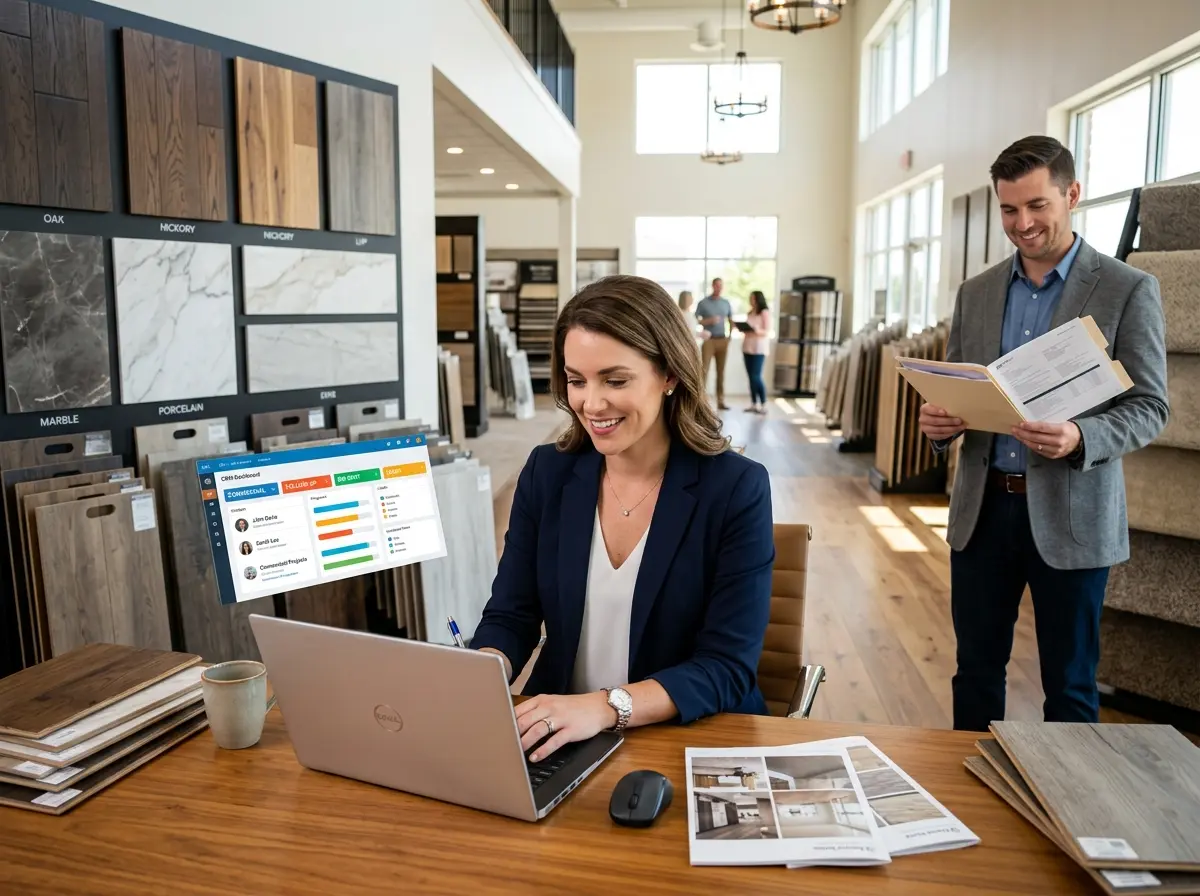
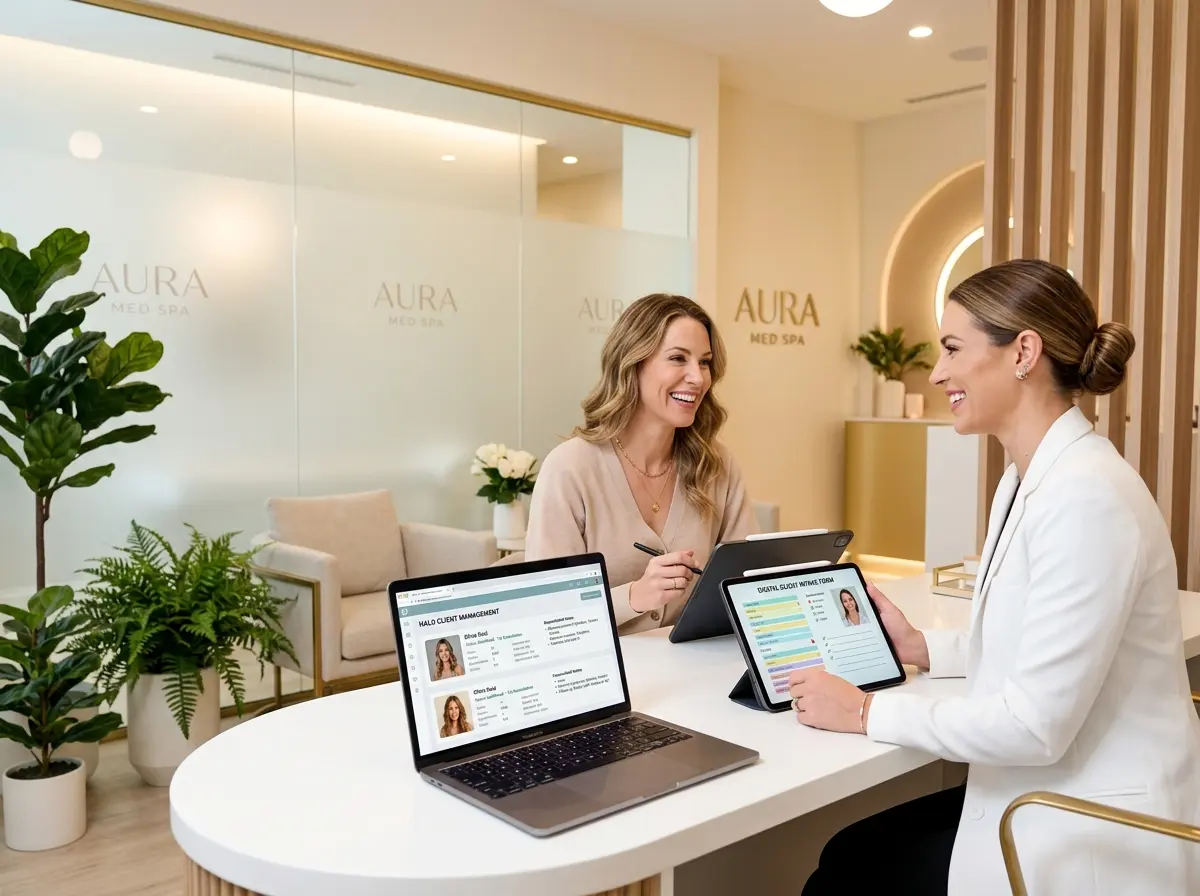
When a customer calls or visits, Stella can collect their contact information through natural, conversational intake forms — no awkward clipboard handoffs, no missed details because your front desk was slammed. That information flows directly into her built-in CRM, where contacts are organized with custom fields, tags, notes, and AI-generated profiles. This means that by the time a lead enters your follow-up sequence, you already know their name, what they're interested in, and how they first reached out — giving your text messages that personal touch without any manual data entry on your end.
For businesses that rely on phone inquiries, Stella answers calls 24/7, so no lead ever goes to voicemail and gets forgotten. She handles the first conversation, gathers the right information, and ensures your team — or your automated follow-up sequence — has everything they need to take the next step.
Converting Responses Into Actual Customers
Getting a reply to your follow-up text is a win — but it's only halftime. The real goal is converting that conversation into a booked appointment, a completed purchase, or a signed agreement. How you handle the response matters just as much as the initial outreach.
Respond Fast and Keep the Momentum Going
When a lead responds to your text, you have their full attention for about thirty seconds. If your reply takes two hours, that window is gone. Aim to respond to text replies within five minutes during business hours. If that's not always feasible, consider automating an immediate acknowledgment ("Great to hear from you! A team member will be in touch in the next few minutes.") so the lead doesn't feel like they're texting into a void.
From there, move the conversation toward a single next step. Don't overwhelm them with options. Whether it's booking a consultation, coming in for a demo, or completing a purchase, guide them clearly and confidently toward one action. Friction kills conversions, so make that next step as easy as possible — a direct booking link, a one-question reply, or a simple yes/no works beautifully.
Handling Objections Over Text
Some leads will respond with hesitation rather than enthusiasm. "I'm still thinking about it," or "Can you send me more info?" are opportunities, not rejections. Over text, keep your responses concise and empathetic. Acknowledge their hesitation, offer one helpful piece of information (a testimonial, a key benefit, a limited-time offer), and leave the ball in their court without pressure.
For example: "Totally understand — no rush at all! One thing a lot of our customers love is [specific benefit]. Happy to answer any questions whenever you're ready. 😊" That kind of message stays professional, adds value, and keeps the relationship warm without being pushy.
Knowing When to Stop Texting
There's a fine line between persistent and annoying, and smart business owners know where it is. If a lead explicitly says they're not interested, stop immediately and update their status in your CRM. Beyond just being good manners, it's also a legal requirement — the Telephone Consumer Protection Act (TCPA) has real teeth, and ignoring opt-out requests can cost you significantly more than the lead was ever worth. Always include an easy opt-out option in your texts and honor it without question.
Quick Reminder About Stella
Stella is an AI robot employee and phone receptionist that works 24/7 for just $99/month — greeting customers at your physical location, answering phone calls, collecting lead information, and keeping your CRM organized without any downtime or drama. She's the first step in making sure your follow-up strategy has something solid to work with, because you can't text a lead you never captured.
Start Following Up Like You Mean It
Text message follow-ups aren't complicated — they're just consistent, timely, and intentional in a way that most businesses aren't. The businesses that win leads aren't necessarily the ones with the best product or the lowest price. They're the ones that show up first, communicate clearly, and make it easy for the customer to say yes.
Here's your action plan to get started:
- Audit your current follow-up process. How long does it currently take your business to follow up with a new lead? Be honest — the answer might be uncomfortable.
- Set up a text follow-up sequence. Draft three to four messages with clear timing, a warm tone, and one call to action each.
- Make sure you're capturing leads consistently. If you're missing contact information during phone calls or walk-ins, plug that gap immediately — whether through better intake processes, a tool like Stella, or both.
- Track and optimize. Monitor your response rates, conversion rates, and which messages perform best. Adjust over time based on real data, not guesswork.
Your leads are out there right now, waiting to see who reaches out first. Make sure that's you — and make sure what you say when you do is actually worth reading.