Introduction: Your Store Has a Personality — Is It a Good One?
Walk into a great store and you just feel it. Something about the place makes you want to linger, browse, and inevitably spend more money than you planned. Walk into a bad one, and you're checking your phone within thirty seconds, mentally composing your Yelp review before you've even touched a product. The difference, more often than not, comes down to ambiance — and ambiance is not just about having a nice playlist and some scented candles.
Retail ambiance is a full-sensory experience, and most business owners are only paying attention to one or two of the five senses at most. The result? A store that's visually appealing but smells like the 1990s, or one that sounds like a dentist's waiting room but looks absolutely stunning. Your customers notice all of it, even when they don't consciously realize it. Studies have shown that ambient conditions can increase customer dwell time by up to 15% — and more time in-store almost always means more revenue.
This checklist is your sensory audit. We're going through all five senses — sight, sound, smell, touch, and taste — with practical, actionable tips to help you create a retail environment that doesn't just look good, but feels good from every angle. Let's get into it.
The First Two Senses: What Customers See and Hear
Sight: The First Impression You Can't Take Back
Vision is the dominant sense for most people, which means your store's visual environment is doing a tremendous amount of heavy lifting before a single word is spoken. Lighting is your most powerful tool here and also the most neglected. Harsh fluorescent overhead lighting might be great for a hospital, but for a retail store, it drains color, flattens product displays, and makes everyone look slightly exhausted. Consider warm-toned accent lighting for product shelves, brighter task lighting at checkout counters, and ambient lighting near seating or browsing areas.
Beyond lighting, your visual merchandising — the layout, signage, and product displays — needs to tell a story. Customers move through your space in predictable patterns (typically counterclockwise, entering from the right), and your displays should guide that journey intentionally. Use height variation to create visual interest, keep your bestsellers at eye level, and make sure your promotional signage is actually readable from a distance. If someone needs to squint to read your "Buy 2 Get 1 Free" sign, you've already lost them.
Sound: The Invisible Atmosphere Maker
Sound is where businesses get surprisingly creative — or surprisingly lazy. The wrong music can drive customers out faster than a fire alarm. Research from the Journal of Retailing found that music tempo directly influences shopping pace: slower music leads to slower, more leisurely browsing and higher average purchases. Faster tempo music does the opposite, which might be great for a quick-service restaurant but not ideal for a boutique where you want people to linger.
Volume matters just as much as genre. Music that forces customers to raise their voices to talk to each other — or worse, to your staff — creates stress, not ambiance. A good rule of thumb: if you have to raise your voice slightly to speak over it, it's too loud. Match your music genre to your brand personality, keep the volume conversational, and update your playlist regularly. A store that's been playing the same Spotify playlist for three years is not a vibe — it's a rut.
The Overlooked Sense: Smell and the Science Behind It
Why Scent Is Your Secret Weapon
Of all five senses, smell has the most direct connection to memory and emotion. The olfactory system is uniquely wired to the limbic system — the part of your brain that processes feelings and long-term memory — which is why a single whiff of something can transport you back fifteen years in an instant. For retailers, this is an enormous opportunity that most are completely ignoring.
Scent marketing, also called olfactory branding, has been shown to increase retail sales by as much as 11% in some studies. Certain scents slow heart rate, induce relaxation, and encourage browsing. Vanilla and lavender promote calm and comfort. Citrus scents energize and signal freshness. Bakeries have been weaponizing the smell of fresh bread for centuries — and it works every single time. The key is subtlety. A scent that announces itself the moment someone opens the door is too much. You want customers to feel good without necessarily knowing why.
Choose a signature scent that aligns with your brand and use a quality diffuser system to distribute it evenly. Avoid plug-in air fresheners that smell like cleaning products. This is your brand's olfactory identity — treat it with the same care you'd give your logo.
The Sensory Support You Didn't Know You Needed
How Stella Keeps the Experience Running Smoothly
Here's the thing: you can perfect every single sensory element in your store, but if a customer walks in and can't get anyone's attention — or calls your store and reaches a voicemail that's been full since March — the experience falls apart. Ambiance sets the stage, but it's the interaction that closes the deal.
Stella is an AI robot employee and phone receptionist designed to make sure no customer goes unacknowledged. As a human-sized kiosk stationed inside your store, she greets every customer who walks through the door, answers questions about products, services, and promotions, and even upsells and cross-sells — all while your staff focuses on the work only humans can do. She also answers your phone calls 24/7, so the sensory experience you've carefully curated in-store is matched by a professional, responsive presence when customers reach out remotely. The ambiance shouldn't stop at the front door, and with Stella handling customer interactions on both fronts, it doesn't have to.
The Final Two Senses: Touch and Taste Done Right
Touch: Let Them Feel What They're Buying
The sense of touch is often underestimated in retail strategy, but it plays a powerful role in purchase decisions. When customers can physically interact with a product — feel the weight of it, run their fingers across the texture, pick it up and turn it over — they form a sense of ownership before they've even reached the checkout. This psychological phenomenon, known as the endowment effect, means that touching a product increases the perceived value a customer places on it.
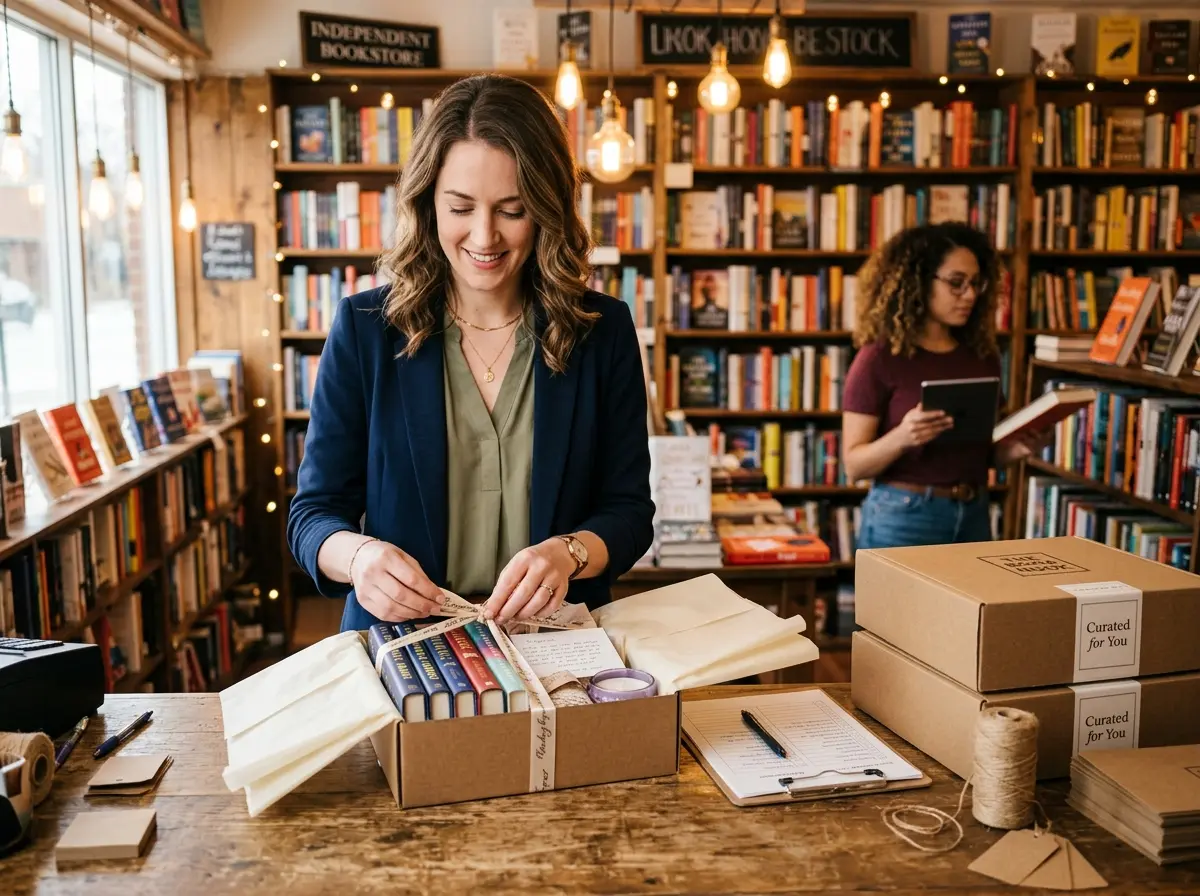
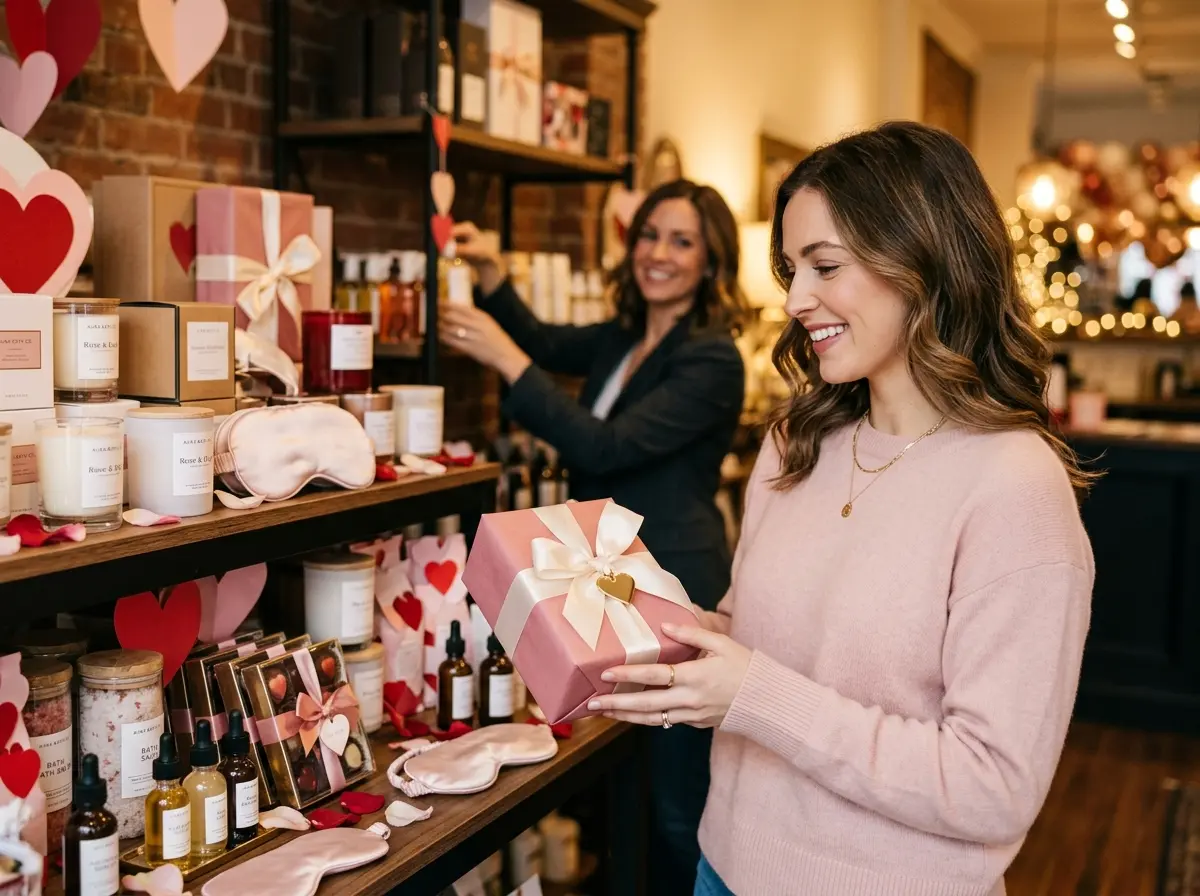
Design your store to invite touch where appropriate. Products should be within easy reach, not locked behind glass unless absolutely necessary. If you sell clothing, fold items neatly but don't display them so perfectly that customers feel guilty disturbing them. Tester units, sample stations, and interactive displays all encourage tactile engagement. Even the feel of your shopping bags, hang tags, and packaging communicates quality — or the lack of it. A flimsy plastic bag after a premium in-store experience is a jarring mismatch that sticks in the customer's memory for all the wrong reasons.
Taste: The Sense That Turns Browsers Into Buyers
Taste is obviously most relevant for food and beverage businesses, but don't write it off if you're in another industry. Offering a small complimentary treat — a wrapped candy at the counter, a seasonal cookie, a cup of coffee in a furniture showroom — creates goodwill and encourages customers to slow down and stay longer. It also triggers reciprocity, a deeply human psychological tendency to feel obliged to give back when you've received something. In retail terms, that often translates to a purchase.
For food-based businesses, the tasting experience is your most powerful selling tool, full stop. Sampling has been shown to increase sales of the sampled item by over 2,000% in some grocery retail studies — an almost absurd number that nevertheless makes complete sense if you think about how you've personally behaved at a Costco on a Saturday afternoon. Whether you're a winery, a specialty grocer, a bakery, or a gourmet kitchen shop, building structured tasting moments into the customer journey is one of the highest-return investments you can make.
Bringing All Five Senses Together
A truly excellent retail environment doesn't treat these five senses as separate checkboxes — it weaves them into a coherent, intentional experience. The warm lighting complements the cozy scent. The music tempo matches the pace at which you want customers to move. The products are touchable and the staff (human or AI) are approachable. When everything works together, customers don't just remember what they bought — they remember how your store made them feel. And that feeling is what brings them back.
Quick Reminder About Stella
Stella is an AI robot employee and phone receptionist available for just $99/month with no upfront hardware costs. She stands inside your store greeting customers, answering questions, and promoting your latest deals, while simultaneously handling phone calls around the clock so your business never misses a connection. She's easy to set up, always on, and never asks to leave early on a Friday.
Conclusion: Time to Give Your Store a Sensory Makeover
Here's your action plan. Start with a sensory walkthrough of your own store — ideally on a day you're not there to manage it — and try to experience it the way a first-time customer would. What do you see when you walk in? What do you hear? What does it smell like? Are the products approachable? Is there any element of taste or hospitality at play?
Make a list of what's working and what isn't, then prioritize. You don't need to overhaul everything at once. Start with your lighting and your scent — two changes that can have an outsized impact with relatively modest investment — and work your way through the checklist from there. Update your music strategy, review your visual merchandising, and look for opportunities to add a tactile or taste element to your customer journey.
The businesses that get ambiance right aren't the ones with the biggest budgets. They're the ones paying attention. Your customers are using all five senses every time they walk through your door — it's time you started designing for all five, too.