Introduction: The Quiet Goodbye Nobody Warned You About
Here's a fun little business nightmare for you: a customer who loved you is slowly, quietly, painlessly drifting away — and you have absolutely no idea it's happening. No angry email. No scathing review. No dramatic storefront confrontation. They just... stop showing up. And one day you realize you haven't seen them in months, and by then, they're already someone else's loyal regular.
Welcome to the world of the "at-risk" customer — the silent churn that costs businesses billions every year. According to research by Bain & Company, increasing customer retention rates by just 5% increases profits by 25% to 95%. Yet most small business owners spend far more energy chasing new customers than protecting the ones they already have. That's a bit like filling a leaky bucket with a fire hose and calling it a growth strategy.
The good news? At-risk customers rarely vanish overnight. There are warning signs — behavioral signals, engagement patterns, and interaction histories — that, if you know how to read them, give you a real window to intervene, reconnect, and win them back before they're gone for good. This post walks you through how to spot those signals, what to do about them, and how to build the kind of retention system that works even when you're busy running everything else.
How to Spot an At-Risk Customer Before It's Too Late
The Classic Warning Signs
The most obvious indicator that a customer is slipping away is a drop in visit frequency or purchase activity. If someone who used to book a monthly massage appointment hasn't called in three months, that's not a coincidence — that's a pattern. The same applies to the restaurant regular who came in every Friday, the gym member whose check-ins went from five times a week to zero, or the retail shopper who used to reply to your promotional emails and suddenly doesn't open a single one.
Other warning signs include reduced spending amounts over time, shorter interactions, fewer questions asked, and a general decrease in enthusiasm. A customer who used to pepper your staff with questions about new arrivals and now just pays and leaves without a word? Pay attention to that. Disengagement often precedes departure. The emotional withdrawal usually comes before the physical one.
Behavioral Signals That Are Easy to Miss
Beyond the obvious frequency drop, there are subtler signals worth tracking. Has a customer started choosing your cheaper options over the premium ones they used to prefer? Are they skipping add-ons they previously always included? Have they stopped redeeming loyalty rewards — a bizarre move for anyone unless they've mentally decided they won't be back long enough to use them?
On the phone and digital side, watch for customers who used to call with questions and now don't contact you at all, or who visit your website but never convert anymore. Silence, in the context of a previously engaged customer, is rarely a good sign. It usually means they've either found someone else to answer their questions — or they've already mentally moved on.
Segmenting Your Customer Base to Find the At-Risk Group
You can't save everyone at once, so it helps to segment. A simple approach is to divide your customers into three buckets: Active (engaged and spending regularly), At-Risk (showing declining engagement), and Lost (haven't interacted in a significant time period, defined by your industry norms). Your at-risk group is your priority — they still remember you fondly enough to come back, they just need a reason.
Use your CRM or customer database to pull interaction histories, purchase dates, and contact logs. If you don't have that data organized yet, that's your first homework assignment — and we'll talk about making that easier in a moment.
How the Right Tools Make Retention Easier (Yes, Including AI)
Capturing the Data That Tells the Story
Retention starts with information, and information starts with consistent data capture. Most businesses lose customers partly because they never had a complete picture of who those customers were to begin with. If every walk-in, every phone call, and every inquiry were being logged — with contact info, preferences, interaction notes, and visit history — you'd have everything you need to identify at-risk patterns before they become lost customers.
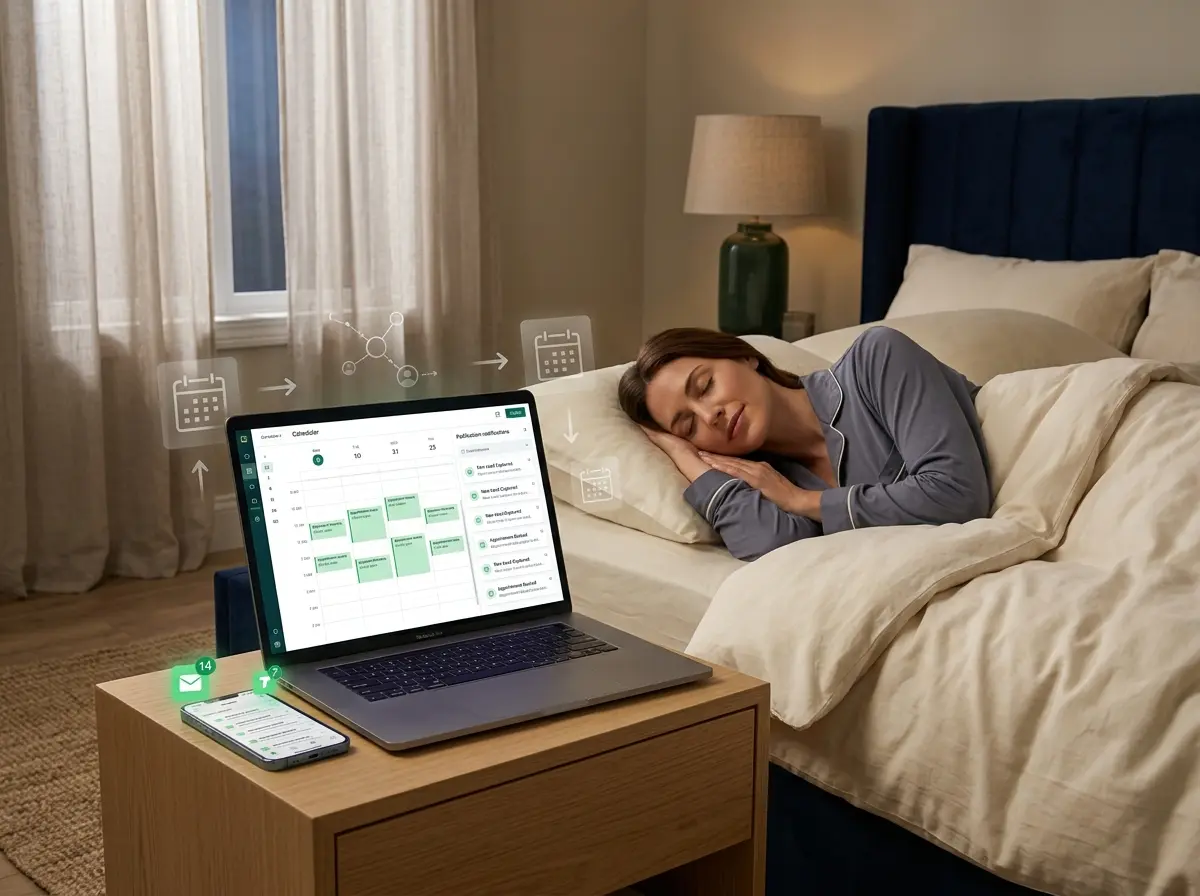
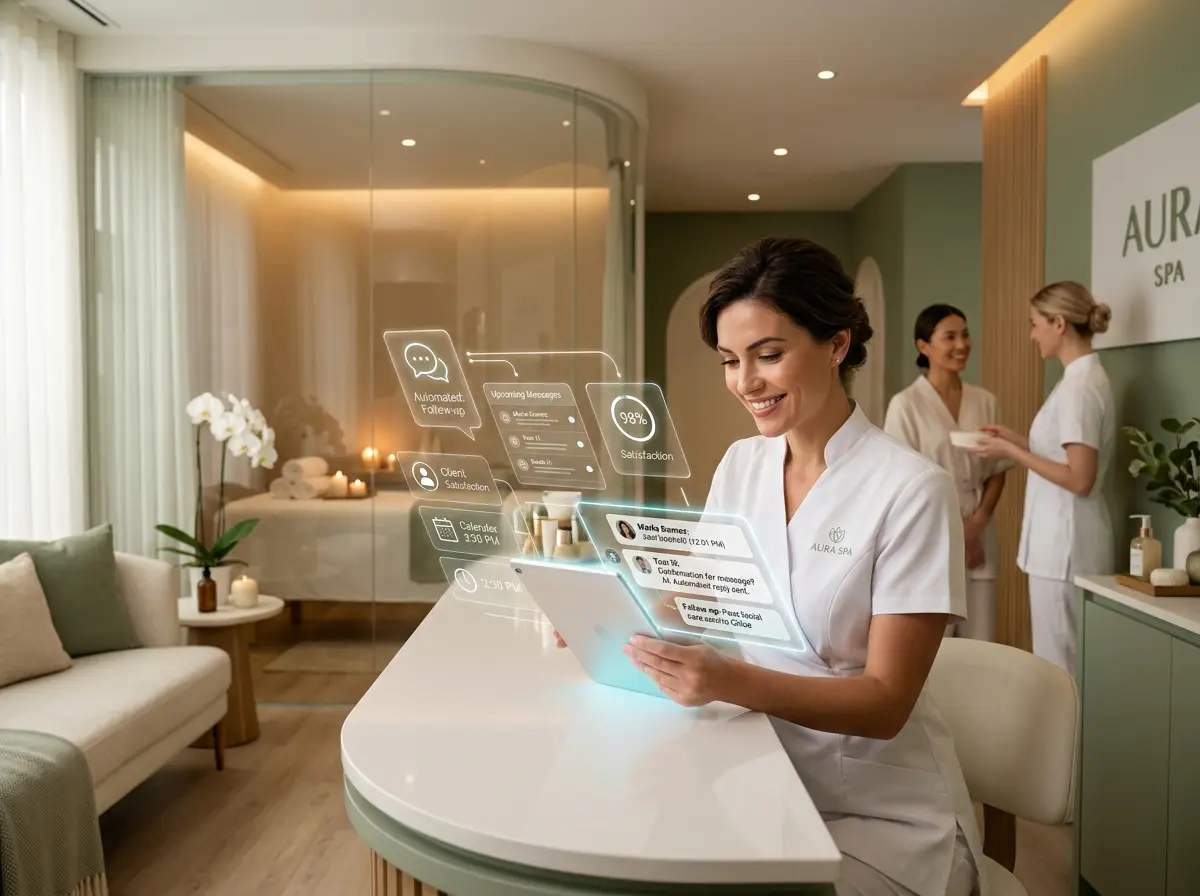
This is where Stella, the AI robot employee and phone receptionist, quietly earns her keep. For businesses with a physical location, Stella greets customers at the door as a kiosk, engages them in natural conversation, and can collect customer information through conversational intake forms — no clipboard, no awkward staff prompting required. On the phone side, she answers calls 24/7, handles inquiries, and also captures contact details and interaction data through intake forms during those calls. All of this feeds into her built-in CRM, complete with custom fields, tags, notes, and AI-generated customer profiles. The result? A continuously updated customer record that actually reflects how people are engaging with your business — giving you the data foundation that retention strategy requires.
Proven Strategies to Re-Engage At-Risk Customers
The Personal Outreach That Actually Works
When a valued customer starts going quiet, the single most effective thing you can do is reach out personally — not with a generic promotional blast, but with a message that acknowledges the relationship. Something as simple as a phone call from a manager, a personalized email referencing their history with you, or a handwritten note can have a dramatically higher impact than any automated campaign.
The key is specificity. "We haven't seen you in a while and wanted to check in" lands better than "Here's 10% off, limited time only!" If you know they always ordered a specific item, mention it. If they had a service they loved, reference it. People respond to feeling recognized — it's one of the main reasons they left in the first place. According to a PwC study, 59% of consumers feel companies have lost touch with the human element of customer experience. Be the exception.
Win-Back Offers That Feel Like Gestures, Not Desperation
There's a fine art to the win-back offer. Done right, it feels like a genuine "we miss you" from a business that values the relationship. Done wrong, it feels like a last-ditch coupon blast from a business that only remembers you exist when revenue dips.
Structure your win-back offers around value and relevance, not just discount depth. Consider offering a free add-on service, a complimentary upgrade, early access to something new, or a personalized bundle based on their history. Set a reasonable expiration — enough urgency to motivate action, but not so aggressive it feels like a clearance sale. And always follow up once more if they don't respond to the first outreach. Sometimes timing is everything, and the second touch is what lands.
Building Retention Into Your Ongoing Operations
The most sustainable approach to at-risk customers isn't reactive — it's preventive. Build retention checkpoints into your regular operations. Flag customers in your CRM after 30, 60, or 90 days of inactivity (depending on your industry's normal purchase cycle). Train staff to notice and note changes in customer behavior. Create a quarterly habit of reviewing your at-risk segment and taking action before it becomes your lost-customer segment.
Loyalty programs, when executed well, also serve as a natural early-warning system. Customers who stop redeeming points or rewards are telling you something important. A proactive nudge — "Hey, you've got rewards expiring soon!" — gives you a legitimate, low-pressure reason to reconnect, and often brings people back in the door without any of the awkwardness of a full win-back campaign.
Quick Reminder About Stella
Stella is an AI robot employee and phone receptionist that works inside your physical location as a friendly kiosk presence, and answers phone calls for any business — 24/7, with no breaks, no bad days, and no staff turnover. At just $99/month with no upfront hardware costs, she's one of the more surprisingly affordable ways to add a consistent, professional, data-capturing presence to your business — whether your customers are walking through your door or calling from across town.
Conclusion: Stop Letting Good Customers Walk Out Quietly
The at-risk customer isn't lost yet — and that's the whole point. There's still time. But that window doesn't stay open forever, and businesses that wait until a customer has completely gone silent before taking action are almost always too late. The ones that win at retention treat it as an ongoing operational habit, not a crisis response.
Here's your actionable starting point:
- Audit your current data. Pull your customer list and identify who hasn't engaged in 30, 60, and 90+ days. That's your at-risk pipeline.
- Define your engagement benchmarks. Know what "normal" looks like for your business so you can recognize when something's off.
- Create a simple outreach sequence. Personal message first, value-based offer second, one follow-up third. Keep it human.
- Build retention checkpoints into your CRM. Automate the reminders so the follow-up actually happens consistently.
- Invest in better data capture at every touchpoint — in-store, on the phone, and online — so you always know who your customers are and how they're engaging.
Retaining a customer costs significantly less than acquiring a new one — estimates generally put the ratio anywhere from 5x to 25x cheaper, depending on the industry. The math is not subtle. Your at-risk customers are worth fighting for, and with the right signals, the right tools, and a little proactive effort, most of them are very much saveable. Go get them back.