Every Missed Call Is a Missed Appointment — And You're Probably Missing a Lot of Them
Let's start with an uncomfortable truth: your missed call log isn't just a list of people who hung up. It's a itemized receipt of lost revenue, sitting quietly on your phone system while you were busy doing literally everything else that running a spa requires. Waxing, facials, managing staff, ordering supplies, handling that one client who always has notes — the list never ends.
Here's what the data says: 85% of callers who can't reach a business on the first try will not call back. They'll just book somewhere else. For a spa where a single facial averages $80–$150 and a loyal client might visit six to twelve times a year, a handful of missed calls per week can quietly drain thousands of dollars from your annual revenue — no dramatic incident required, just a phone ringing into voicemail at 7pm on a Tuesday.
The good news is that this is one of the most fixable revenue leaks in your entire business. You don't need to hire another front desk person, extend your hours, or perform any kind of operational miracle. You just need to stop letting calls go unanswered.
The Real Cost of an Unanswered Phone
It's Not Just One Appointment — It's a Relationship
When someone calls your spa, they're usually not calling to chat. They want to book, they want to ask about a specific service, or they're a new client who found you on Google and just wants a quick confirmation that you're the right fit before committing. That's a warm lead. That's someone halfway through the decision to give you their money.
When that call goes unanswered, the relationship doesn't just pause — it often ends. The client books somewhere else, has a decent enough experience, and now you have to work twice as hard to win them back. Factor in lifetime client value, and a single missed call from a new client could represent anywhere from $500 to $2,000+ in lost future revenue, depending on your service menu and retention rates.
After-Hours Calls Are a Gold Mine You're Ignoring
A huge chunk of spa bookings happen outside of business hours. People browse Instagram during their lunch break, scroll through your website at 9pm after the kids are in bed, and decide they want to book a massage at 11pm on a Friday. If your phone goes to voicemail after 6pm, you're essentially closing your front door to anyone with a busy daytime schedule — which, in 2024, is most of your potential clients.
This isn't a staffing problem you can solve by asking your receptionist to stay late. It's a structural gap that requires a structural solution.
Voicemail Isn't the Safety Net You Think It Is
Yes, some callers will leave a voicemail. But research consistently shows that fewer than 20% of callers leave a voicemail when they reach one, and of those who do, many expect a callback within the hour — not the next business day. By the time your team listens to and returns voicemails the next morning, half of those clients have already booked a Saturday appointment with your competitor down the street.
Voicemail wasn't designed to capture booking intent. It was designed for a slower world. Your clients no longer live in that world.
How Technology Can Plug the Gap — Without Adding Headcount
The Case for an Always-On Phone Receptionist
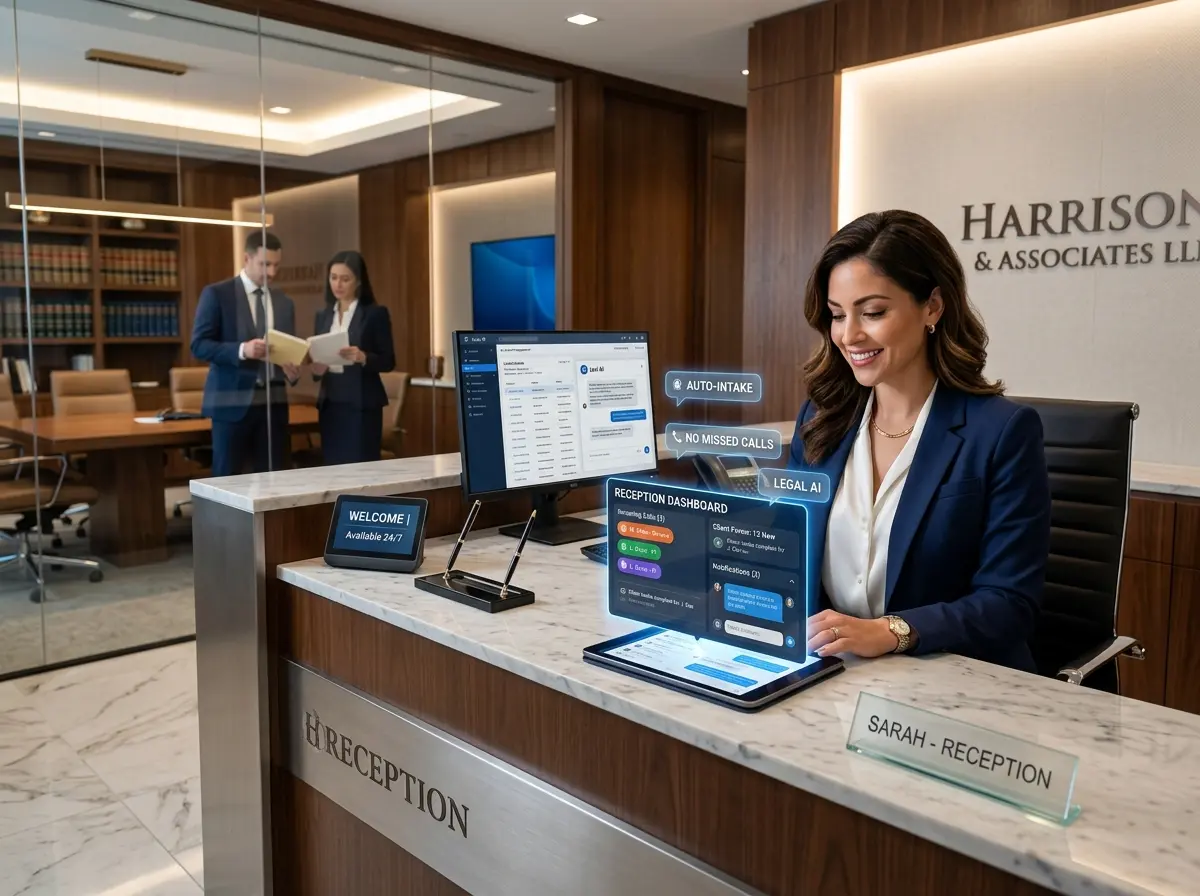
This is exactly the kind of problem that Stella was built to solve. Stella is an AI robot employee and phone receptionist that answers your calls 24/7 with real business knowledge — your services, pricing, policies, hours, promotions, and more. She doesn't put callers on hold, she doesn't forget to mention the new membership deal, and she definitely doesn't call in sick the Saturday before Mother's Day.
For spas specifically, Stella can handle incoming calls after hours, collect client information through conversational intake forms, and send AI-generated voicemail summaries with push notifications directly to your managers — so nothing slips through the cracks, even at midnight. She also comes with a built-in CRM, meaning every caller interaction gets logged, tagged, and organized into client profiles you can actually use. No more piecing together a client's history from sticky notes and memory.
And if you have a physical location, Stella isn't just a phone presence — she stands inside your spa as a friendly, human-sized kiosk, greeting walk-ins, answering questions, and promoting your current offers while your staff focuses on delivering the actual treatments.
Turning Missed Calls Into a Booking System That Works While You Sleep
Audit Your Missed Call Log Right Now
Before you can fix the problem, you need to see it clearly. Pull your missed call data from the last 30 days and look for patterns. How many calls came in after 6pm? How many on weekends? How many during peak treatment hours when your receptionist is tied up with check-ins? Most spa owners are genuinely surprised by what they find — and mildly horrified, which is a productive emotion in this context.
If you're averaging even five missed calls per week and converting just half of them at a conservative $100 per appointment, you're leaving $1,000 on the table every month. That's $12,000 a year. Probably more, once you factor in repeat visits and retail purchases.
Set Up Systems to Capture Intent, Not Just Contact Info
The goal isn't just to answer every call — it's to convert every answered call into a meaningful next step. That means your phone system needs to do more than say "we're closed, please call back." It should be able to tell callers about your current promotions, answer basic questions about your services, and collect their name and contact information so your team can follow up proactively.
A few practical steps to tighten up your intake process:
- Standardize your greeting so every caller — live or AI-assisted — receives consistent, professional information about your spa.
- Define what "handled" means for different call types. New client inquiries, existing booking changes, and product questions all have different resolution paths.
- Create a follow-up protocol for any call that wasn't fully resolved. If someone left their name but didn't book, that's a warm lead that deserves a human callback within a few hours.
Stop Treating the Phone Like a Secondary Channel
Despite the rise of online booking, the phone remains the preferred contact method for a significant portion of spa clients — particularly those over 40, first-time visitors, and anyone with specific questions that a booking widget can't answer. These clients want to talk to someone. They want to feel like they're choosing a place that values their time and their experience before they even walk in the door.
If your phone experience is subpar — long hold times, voicemail, inconsistent information — that's the first impression you're giving them. And in the spa industry, where the entire brand promise is care, relaxation, and premium experience, a bad phone call is a contradiction you can't afford.
Quick Reminder About Stella
Stella is an AI robot employee and phone receptionist available for $99/month with no upfront hardware costs — she answers calls around the clock, greets in-store visitors, collects client information, and keeps your CRM organized without any of the turnover headaches that come with human staff. She's easy to set up and always ready to represent your business professionally, whether it's noon on a Wednesday or 2am on a Sunday.
Your Next Steps Start With One Simple Question
How much revenue walked out the door — or more accurately, hung up the phone — this month? You probably don't know the exact number, but if you've made it this far in this article, you have a feeling it's not zero. And that feeling is worth acting on.
Here's what to do this week:
- Pull your missed call report and calculate a rough revenue estimate using your average appointment value.
- Identify your highest-risk time windows — the hours and days when calls are most likely to go unanswered.
- Evaluate your current phone experience by calling your own spa after hours. What does a new client hear? Is it compelling, or is it a generic voicemail from 2019?
- Explore solutions that cover the gaps without requiring you to staff up — because the economics of hiring a part-time receptionist for after-hours coverage rarely pencil out.
Your spa's revenue potential isn't limited by the number of clients who want to book with you. It's limited by how many of them actually get through. Fix the phone problem, and you fix a lot of other things all at once — including that nagging suspicion that you're working this hard and still leaving money on the table.
Spoiler: you are. But now you know where it's going, and more importantly, how to stop it.