When "Just a Second" Turns Into 45 Minutes of Your Receptionist's Day
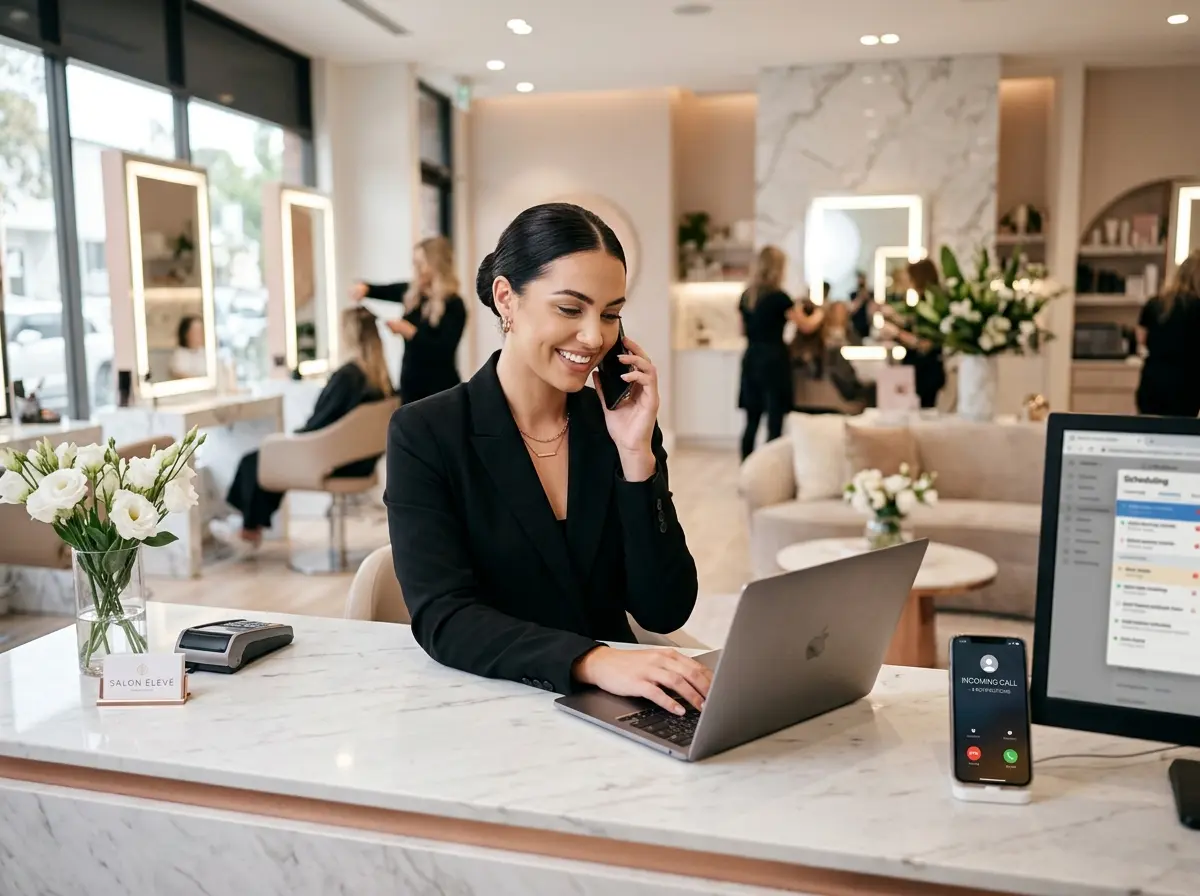
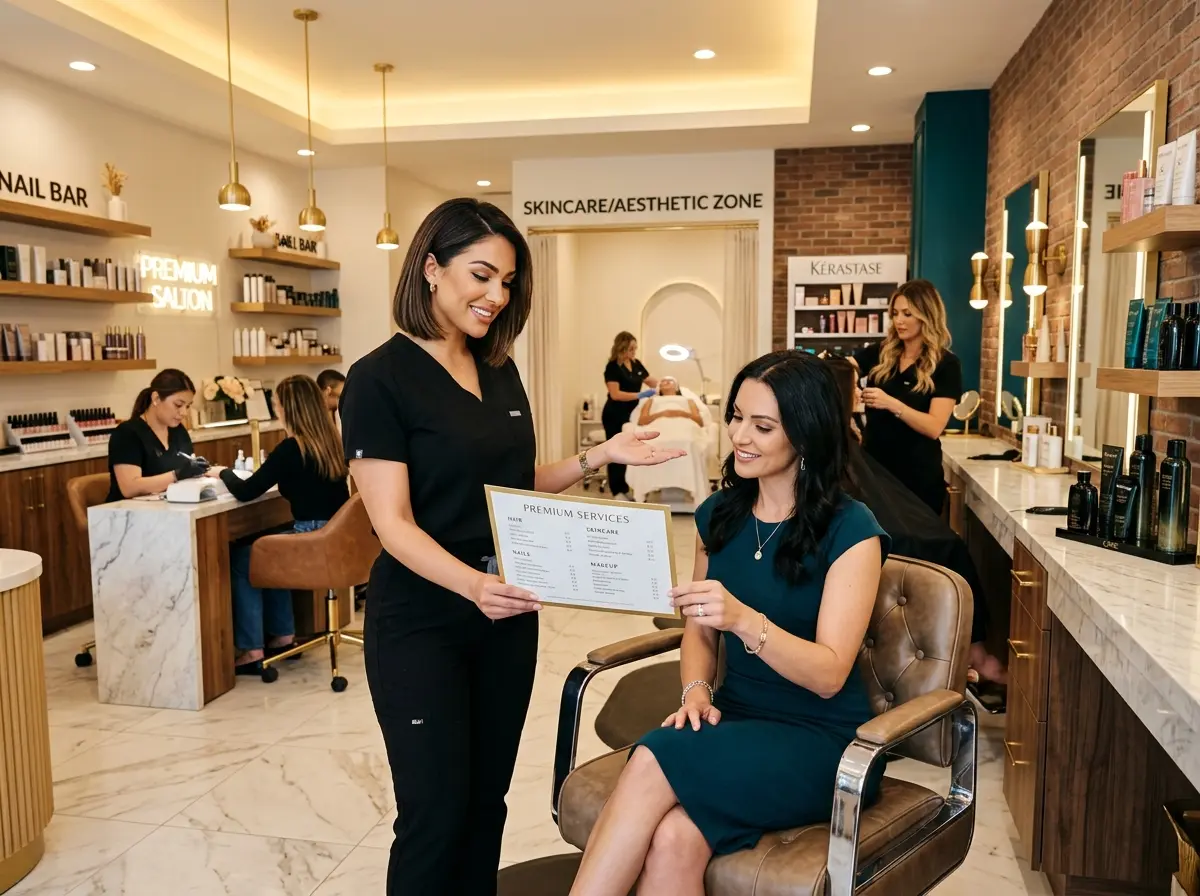
If you run a salon, you already know the drill. A client walks in, and before your front desk can even say "welcome back," the phone rings. Then another client needs to check out. Then someone wants to know if you offer balayage. Then the 2:15 appointment is five minutes early and needs to fill out an intake form — again — because somehow the last one got lost. By the time the dust settles, your receptionist has spent the better part of an hour doing things that, with the right systems in place, could have handled themselves.
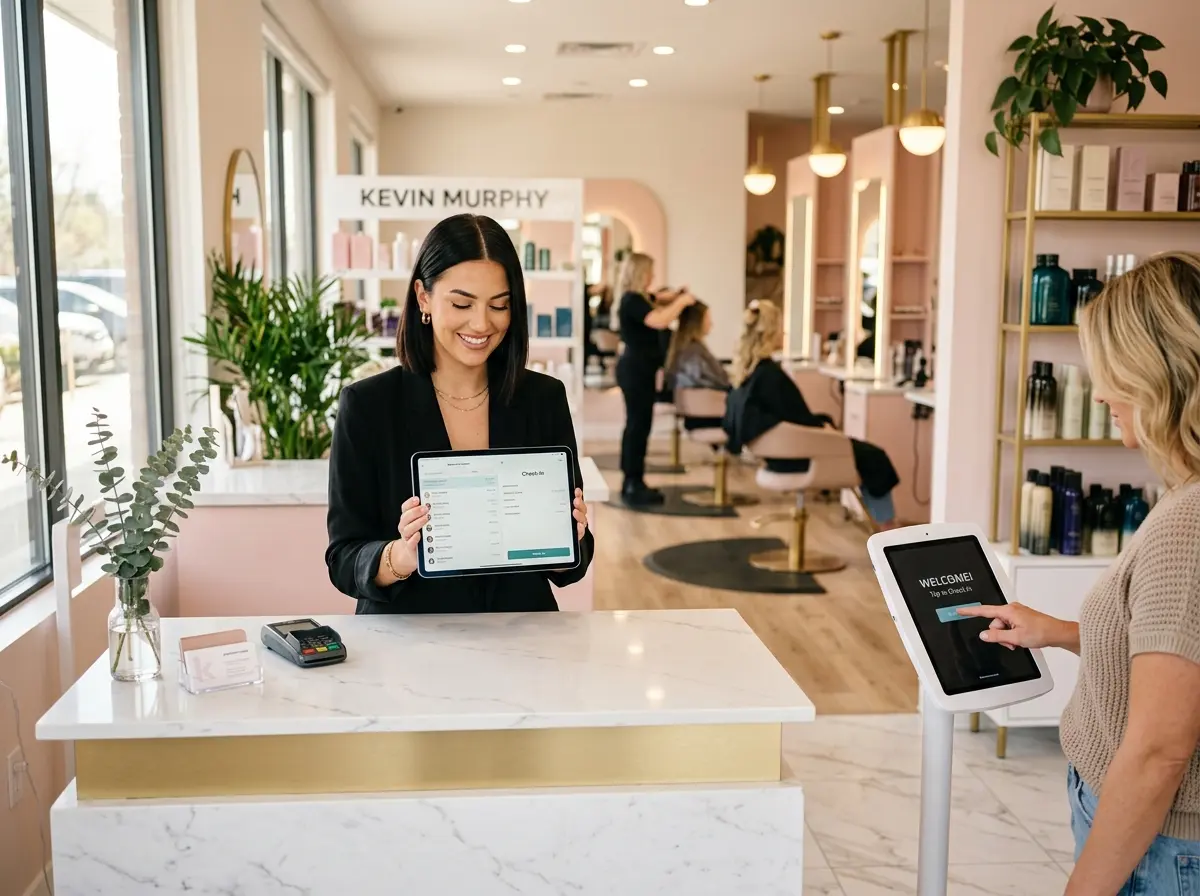
The check-in process is one of those invisible time thieves that nobody talks about until they add it up. Greet the client, confirm the appointment, verify services, collect updated contact info, note any new preferences, get a signature on the consent form — it sounds simple, but multiply that by 30+ clients a day and you've got a significant chunk of your staff's bandwidth evaporating before lunch.
The good news? An automated check-in system can give that time back. And we're not talking about a janky tablet on a wobbly stand with a confusing UI. We're talking about a real, structured solution that your clients actually enjoy using — and your staff will quietly thank you for every single day.
The Real Cost of a Manual Check-In Process
It's Not Just Time — It's Energy and Accuracy
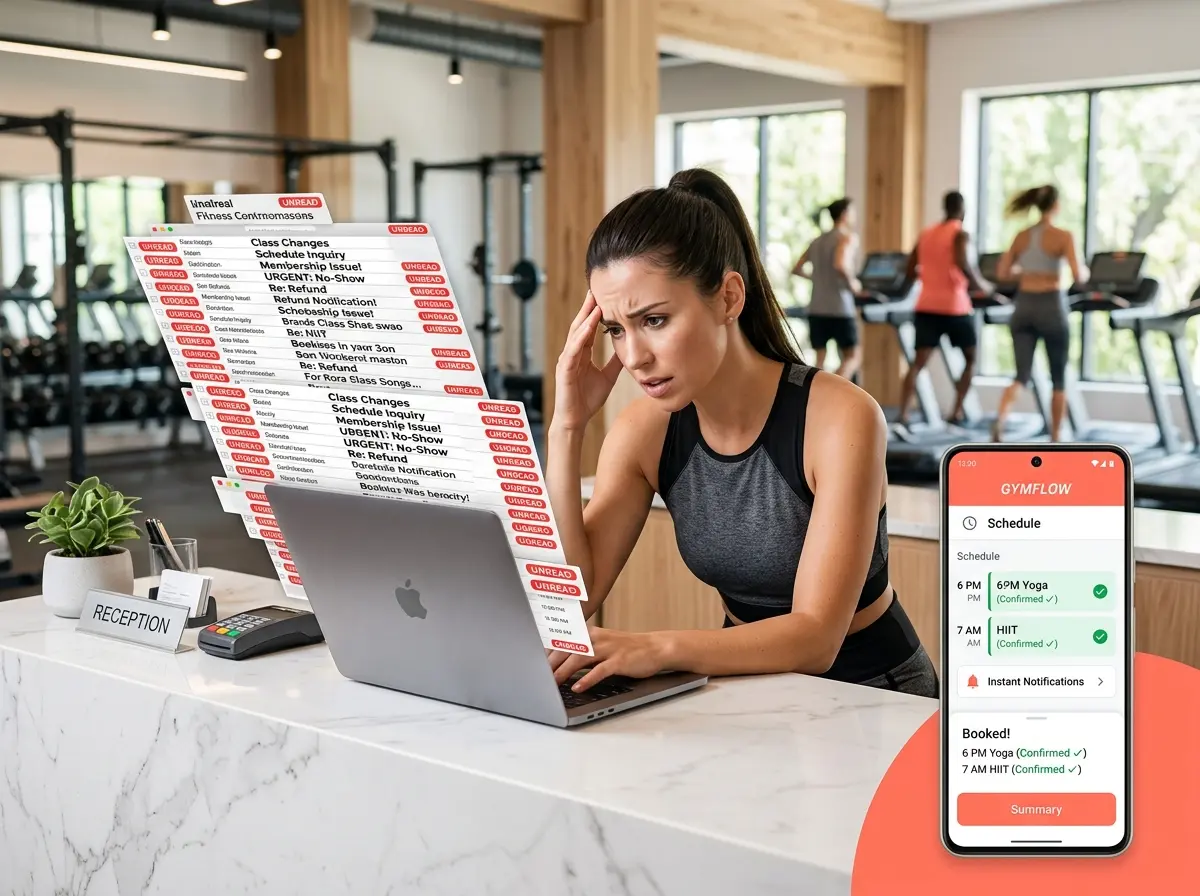
Let's be honest: manually checking in clients isn't hard, but it is relentless. The cognitive load of greeting, confirming, updating, and routing clients continuously throughout the day adds up. Your front desk staff isn't just spending time on check-ins — they're spending mental energy on them, which means less focus for the tasks that actually require human judgment, like handling a frustrated client or upselling a treatment package.
Manual processes also introduce errors. A name spelled wrong in the system. A service preference that never got updated. A consent form that was signed but not saved properly. These small mistakes compound over time into scheduling headaches, client frustration, and the occasional awkward conversation about why you recommended a keratin treatment to someone who specifically noted a sensitivity.
What 5 Hours a Week Actually Looks Like
Five hours a week sounds modest until you realize that's over 260 hours a year — roughly six and a half full work weeks. For a busy salon front desk, those hours are currently being spent on tasks like:
- Verbally confirming appointment details that the client already knows
- Re-entering contact information the client has given you three times before
- Tracking down paper consent forms or chasing digital ones that never got completed
- Answering the same five questions about parking, products, and policies
- Playing phone tag with clients who didn't show up to their appointment
Automate even a portion of those interactions, and you haven't just freed up time — you've fundamentally changed what your front desk is capable of doing. That's time that can go toward client relationship-building, retail upsells, or simply reducing the frantic energy that clients pick up on the moment they walk through the door.
The Client Experience Angle (Because It Matters)
Here's something counterintuitive: clients often prefer a smooth automated check-in to a rushed human one. Nobody likes feeling like they're part of an assembly line, and when your receptionist is juggling three things at once, that's exactly the vibe. A well-designed check-in experience that lets clients confirm their appointment, update their info, and note preferences at their own pace actually feels more attentive — not less. First impressions matter, and "we have our act together" is a very good first impression for a salon to make.
How Smart Tools Like Stella Are Changing the Front Desk Game
An AI Receptionist That Actually Shows Up (And Never Calls in Sick)
Stella is an AI robot employee and phone receptionist designed specifically for businesses that need a reliable, professional presence without the overhead of additional staff. For salons with a physical location, she operates as a human-sized kiosk that greets clients when they walk in, answers questions about services, promotes current specials, and collects intake information through conversational forms — all without pulling your human staff away from what they're doing.
What makes Stella particularly useful for the check-in bottleneck is her ability to handle the intake and information-gathering process conversationally. Rather than handing a client a clipboard or a confusing tablet form, Stella walks them through the process naturally — the way a person would, but consistently, every single time. Her built-in CRM captures and organizes client data with custom fields, tags, notes, and AI-generated profiles, so your team always has what they need before the appointment even starts. She also answers phone calls 24/7 with the same business knowledge she uses in person, so your front desk isn't interrupted every time someone calls to ask what time you close.
Building an Automated Check-In System That Actually Works
Start With the Form — Then Automate the Follow-Up
The foundation of any good automated check-in system is a smart intake form. Not a wall of text with 40 fields — a focused, conversational form that captures what you actually need: confirmed service, stylist preference, updated contact info, health or allergy notes, and consent signatures. Keep it under three minutes to complete, and make sure it's mobile-friendly. If clients can fill it out before they even leave their car, you've already won half the battle.
Once the form is submitted, automation should take over. Send a confirmation to the client. Flag the completed intake in your booking system. Alert the assigned stylist if there are any new notes. None of this requires a human to touch it — and all of it makes the actual appointment run smoother.
Integrate Check-In With Your Booking and CRM System
An automated check-in process that exists in a silo is only half useful. The real value comes when check-in data flows directly into your booking platform and client records. When a client updates their contact info at check-in, it should update everywhere. When they note a new allergy, their stylist should see it. When they check in for their third visit in two months, your system should recognize them as a high-frequency client worth nurturing.
This kind of integration isn't just nice to have — it's what separates salons that feel organized and personalized from the ones that ask "is this your first time here?" to someone who's been coming in for two years. Connecting your check-in touchpoint to a robust CRM transforms a logistical necessity into a genuine relationship-building tool.
Don't Forget the Phones
It would be a missed opportunity to fix your in-person check-in process and leave your phone situation untouched. A significant portion of check-in friction doesn't start at the front desk — it starts the day before, when clients are calling to confirm, reschedule, or ask questions that pull your staff away from the clients who are actually in the building. Automating or offloading routine phone interactions is just as important as streamlining your in-person flow, and the two systems work best when they're connected.
Quick Reminder About Stella
Stella is an AI robot employee and phone receptionist available for $99/month with no upfront hardware costs — she works as an in-store kiosk, a 24/7 phone receptionist, or both. She's built to handle exactly the kind of repetitive, high-volume interactions that slow down a busy salon front desk, so your human staff can focus on the work that actually requires a human touch.
It's Time to Stop Paying a Human to Ask "Can I Confirm Your Last Name?"
The automated check-in system isn't a futuristic luxury — it's a practical, affordable fix to a problem that's costing your salon real time and real money every single week. The technology exists, it works, and your clients are already comfortable with it from their experiences at medical offices, gyms, and retail stores. The only question is how long you want to keep doing it the hard way.
Here's what your action plan looks like:
- Audit your current check-in process. Time it. Count the steps. Identify where the bottlenecks are and which parts could realistically be automated without losing the personal touch.
- Build or upgrade your intake form. Keep it short, mobile-friendly, and integrated with your booking and CRM system. If it's not connected to your client records, it's just a form — not a system.
- Address the phones. Whether that's an AI receptionist, a structured voicemail system with push notifications, or a combination, stop letting phone calls interrupt your in-person service flow.
- Measure the time savings. Track hours saved in the first 30 days. Then decide what your team does with that time — because that's where the real ROI shows up.
Five hours a week is just the beginning. Salons that invest in smart front-of-house systems don't just run more efficiently — they grow faster, retain clients longer, and build the kind of reputation that doesn't require a marketing budget to sustain. That's worth a lot more than a clipboard and a pen.