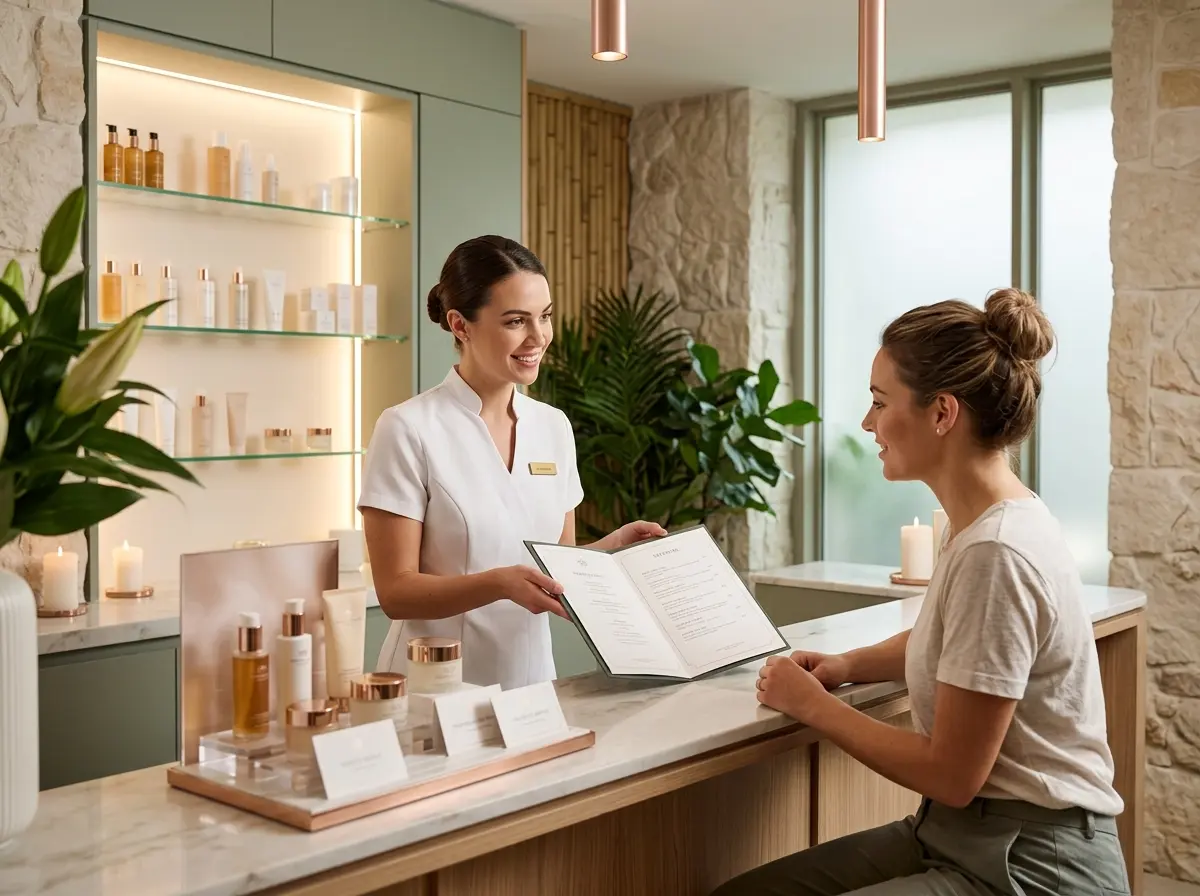
Your Retail Shelf Is Just Sitting There, Judging You
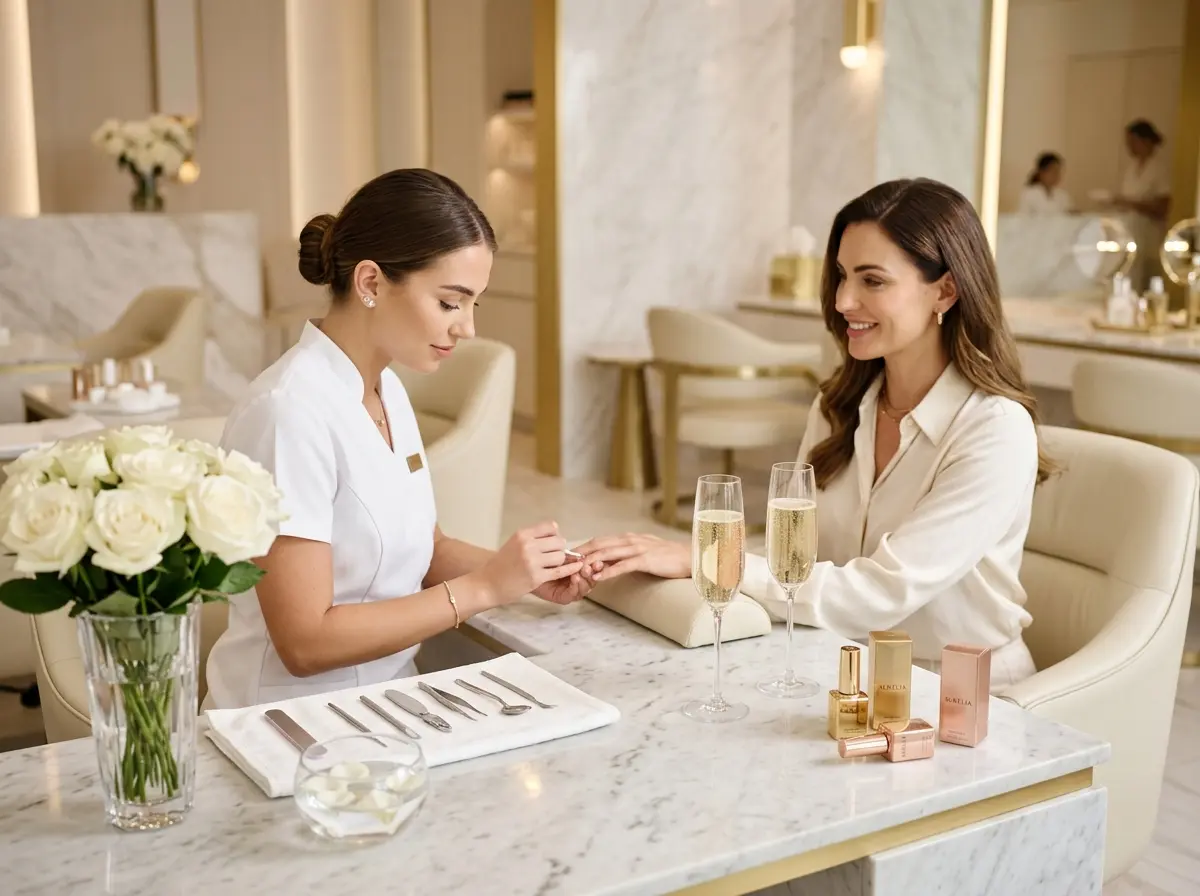
Let's be honest. You spent real money stocking that beautiful retail display near your spa's front desk. The serums, the exfoliating scrubs, the aromatherapy oils — all lined up perfectly, labels facing forward, collecting a light layer of dust while your clients float out the door in their post-treatment bliss without buying a single thing. Sound familiar?
Here's the uncomfortable truth: a spa that offers exceptional treatments but ignores retail is leaving somewhere between 15% and 30% of its potential revenue on the table, according to industry estimates. And no, the solution isn't just telling your estheticians to "mention the products more." That approach has been failing since approximately forever.
What you actually need is a cross-sell funnel — a structured, intentional system that connects your treatment menu to your retail offerings in a way that feels natural to the client and profitable for your business. The good news: building one isn't as complicated as it sounds. The better news: it starts working before the client even sits down in the treatment room.
Mapping the Connection Between Treatments and Products
Before you can sell anything, you need a clear, logical map of which products support which treatments. This sounds obvious, but most spas skip this step and just hope their staff figures it out organically. Spoiler: they don't. Or they do, inconsistently, depending on who's working that day.
Create a Treatment-to-Product Matrix
Sit down with your treatment menu and your retail inventory and build a simple matrix. For every service you offer, list two to four retail products that either complement the results, extend the benefits at home, or address the same skin concern. A hydrating facial pairs naturally with a hyaluronic acid serum and a gentle cleanser. A deep tissue massage is a perfect lead-in for a muscle recovery balm. A chemical peel? Hello, SPF and a calming moisturizer.
The key is making these connections logical and genuine. Clients aren't stupid — they can tell the difference between "this product will genuinely help maintain your results" and "we're trying to hit our retail quota this week." Once your matrix is built, train every staff member on it. Post it in the break room. Make it part of new hire onboarding. Consistency is the whole game here.
Anchor the Recommendation to the Client's Experience
The most powerful moment to introduce a retail product is during or immediately after the treatment, while the client is still feeling the results. A skilled esthetician who says, "I used our rose hip oil on you today — you can really feel the difference in your skin's texture, right? We carry that in the retail area," is not being pushy. They're being helpful. That's the energy you want your entire team to carry.
Train your staff to frame every product recommendation around the client's specific outcome. Not "this is a great product," but "this is what's going to help you keep that glow until your next appointment." Personalization converts. Generic pitching doesn't.
Build Bundled Offerings Into Your Menu Itself
Don't wait for the post-treatment upsell — bake the cross-sell right into your service offerings. Consider creating "treatment packages" that include a take-home product as part of the experience. A "Signature Facial + Glow Kit" at a slight premium feels like a curated luxury purchase, not a sales transaction. Clients feel like they're getting something special. You increase your average ticket. Everybody wins, and nobody feels sold to. That's the dream.
How Technology Can Do Some of the Heavy Lifting
Here's where we get to talk about working smarter rather than just training harder. Because even the best-trained staff can't be everywhere, and they definitely can't answer the phone while giving a facial.
Let an AI Assistant Handle the Pre-Visit and Post-Visit Touchpoints
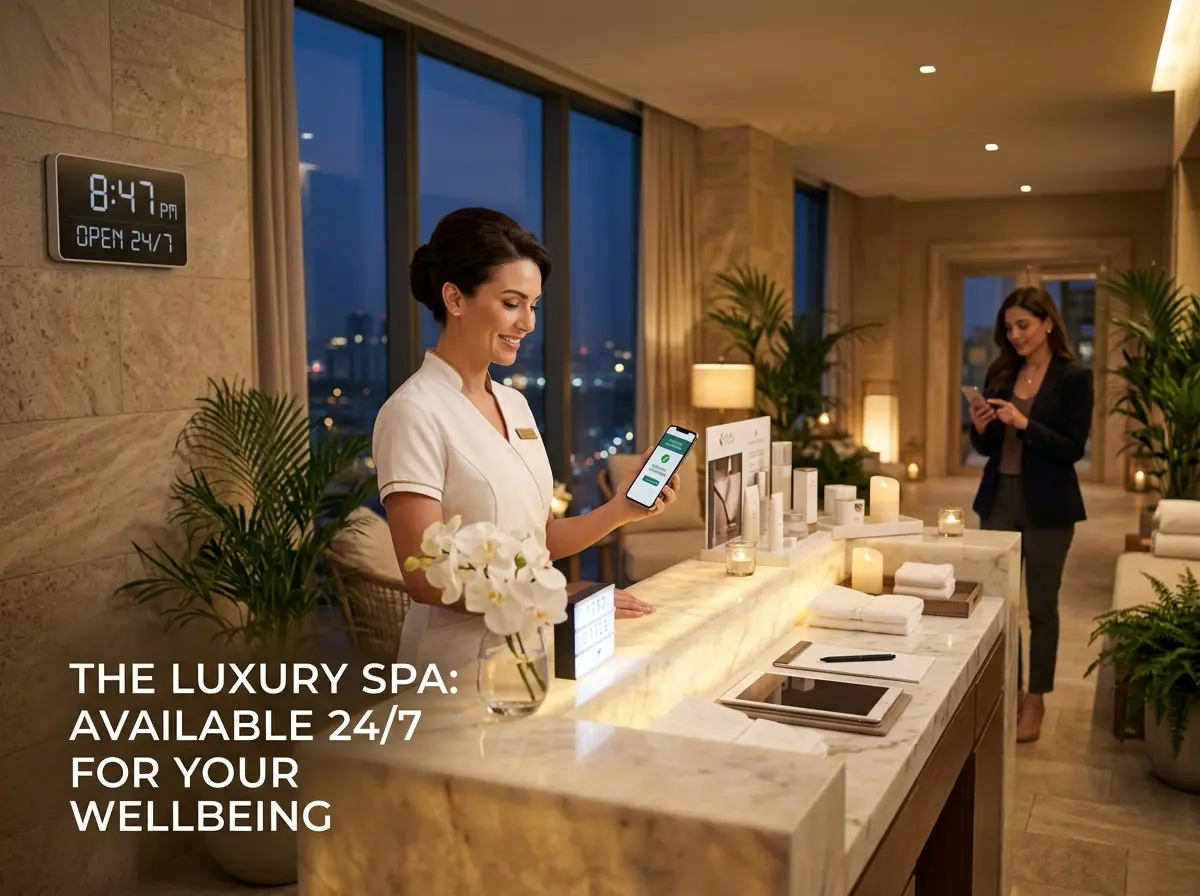
Stella, an AI robot employee and phone receptionist, is genuinely built for exactly this kind of work. In a spa setting, her in-store kiosk presence means she can greet clients as they arrive, engage them in a friendly conversation about current promotions, and naturally highlight retail products or treatment add-ons before they even sit down with your team. She never forgets to mention the monthly special. She never has an off day. She never gets too busy greeting one client to acknowledge the next person who just walked in.
On the phone side, Stella answers calls 24/7 and can talk through your service menu, describe retail offerings, and collect client intake information through conversational forms — all before a human staff member needs to get involved. Her built-in CRM means that the details she captures (skin concerns, preferences, past services) are stored and accessible, giving your team the context they need to make smarter, more personalized product recommendations when the client arrives. That's not just convenience — that's a cross-sell funnel running on autopilot.
Structuring the Funnel From First Contact to Follow-Up
A true cross-sell funnel isn't a single touchpoint — it's a sequence of well-timed, relevant interactions that move a client from "just here for my appointment" to "also a loyal retail customer." Here's how to build that sequence intentionally.
The Pre-Visit Warm-Up
Your funnel starts before the client walks through the door. Appointment confirmation messages are an underused opportunity. A simple line like, "Before your hydrating facial, you may want to know we just restocked our bestselling vitamin C serum — ask your esthetician about pairing it with your treatment" plants a seed without any pressure. Social media, email newsletters, and even your website's booking page can all do similar work. The goal at this stage is simply awareness — letting clients know that your retail offerings exist and that they're connected to the treatments they're already excited about.
The In-Visit Experience
We covered treatment-anchored recommendations above, but the physical environment matters too. Product placement near the reception desk and treatment rooms, signage that explains why a product pairs with a specific service, and even tester stations near the retail display all reduce friction between interest and purchase. Make it easy for a curious client to pick something up and smell it, try it, ask about it. The path from "that looks interesting" to "I'll take one" should have as few steps as possible.
The Post-Visit Follow-Through
Most spas do absolutely nothing after a client leaves, which is a genuinely baffling missed opportunity. A follow-up message 24 to 48 hours after an appointment — "Hope you're still feeling that post-facial glow! Here's a quick tip for maintaining your results at home" with a gentle product mention — keeps your brand top of mind and gives a natural, non-pushy second chance at a retail sale. If the client didn't buy in person, they might buy online or during their next visit. The follow-up also signals that you care about their results beyond the hour they spent in your chair, which is great for retention regardless of whether it drives a retail sale.
Quick Reminder About Stella
Stella is an AI robot employee and phone receptionist available for just $99/month — no upfront hardware costs, easy to set up, and ready to work from day one. Whether she's greeting clients at your kiosk, answering calls after hours, or helping your team capture client data through conversational intake forms, she's the kind of employee who never calls in sick and always remembers to mention the monthly special. For a spa trying to build a consistent, professional cross-sell experience, that kind of reliability is worth its weight in gold-infused facial serum.
Start Small, Stay Consistent, and Watch the Numbers Move
Building a cross-sell funnel between your treatment menu and retail products doesn't require a complete business overhaul. It requires intention, consistency, and a few well-placed systems that do the work even when you're not actively thinking about it.
Here's a practical starting point:
- This week: Build your treatment-to-product matrix and share it with your team. Make sure everyone can name at least two relevant retail products for your top five services.
- This month: Audit your client touchpoints — booking confirmations, in-spa signage, post-visit follow-ups — and add at least one relevant product mention to each.
- This quarter: Create one bundled service-plus-product offering and track its uptake. Use that data to refine and expand.
The goal isn't to turn your spa into a high-pressure sales environment. Quite the opposite. When cross-selling is done well, it enhances the client experience — they leave with better results, more education, and a stronger connection to your brand. That's good for them. And it's very good for your revenue numbers.
Your retail shelf has been patient long enough. It's time to put it to work.