Introduction: When "I Didn't Know Who to Call" Becomes Your Most Expensive Problem
Picture this: It's a busy Friday night. Your dining room is packed, a table just sent back an order, the phone is ringing off the hook, and your newest server has no idea who's actually in charge tonight. So they do what any reasonable person would do — they panic quietly and hope the problem resolves itself. Spoiler: it does not.
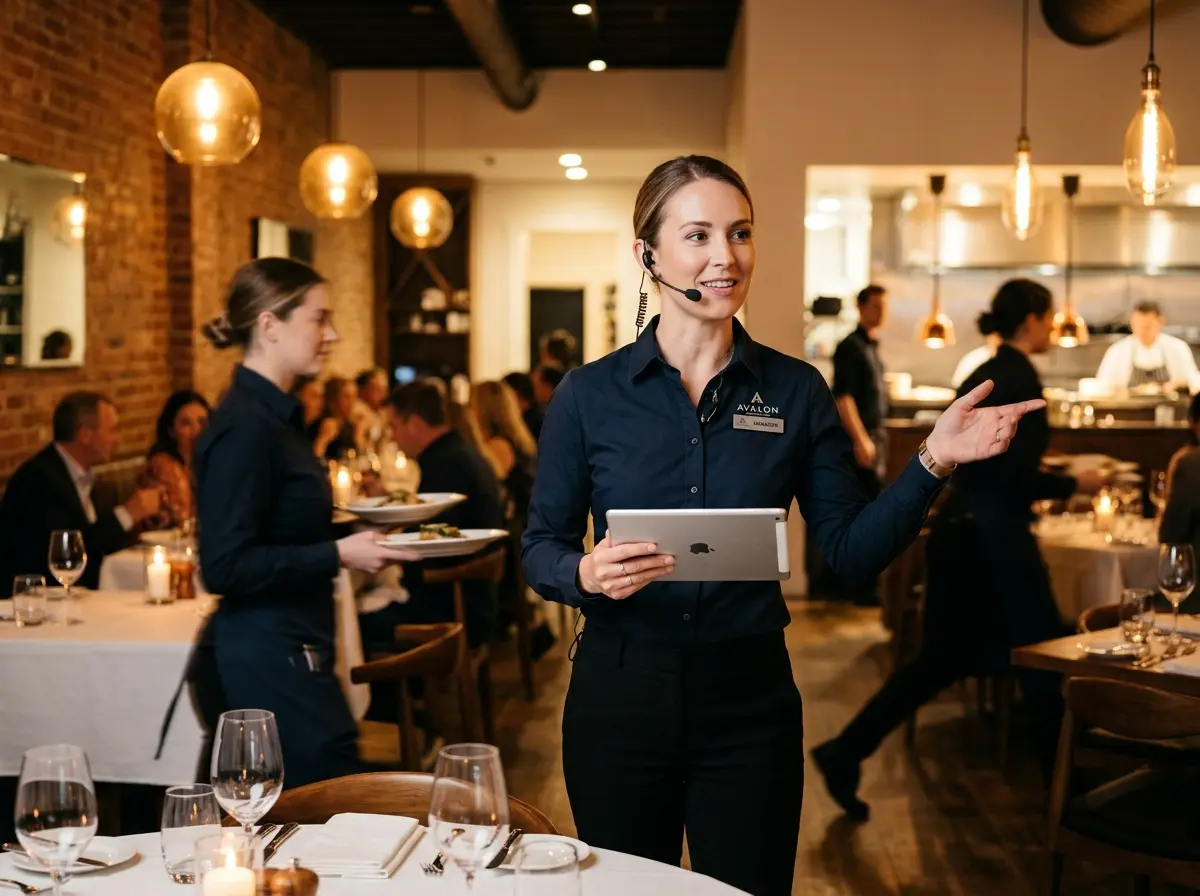
This scenario plays out in restaurants across the country every single weekend. Not because the staff is incompetent, not because the food is bad, and not because you haven't put in the work. It happens because there's no clear Manager on Duty (MOD) communication protocol — a defined system that tells every employee, at any given moment, who is in charge, how to reach them, and what kinds of issues warrant an interruption.
The good news? This is one of the most fixable operational gaps in the restaurant industry. It costs you nothing but a little time to set up, and the payoff in smoother service, happier staff, and fewer fires (literal and figurative) is enormous. Let's walk through how to build a protocol that actually works — even on your busiest nights.
The Real Cost of an Undefined Chain of Command
Your Staff Is Making Decisions They Shouldn't Have To
When there's no designated manager on duty — or when there is one but nobody knows who it is or how to reach them — your frontline staff fills that vacuum with improvisation. A server comps a meal they weren't authorized to comp. A host turns away a walk-in party that could have been seated. A line cook lets a food safety issue slide because they didn't want to bother anyone. Each of these micro-decisions might seem small in isolation, but they compound into real revenue loss, liability exposure, and customer experience damage over time.
According to the National Restaurant Association, employee turnover in the restaurant industry hovers around 75% annually. That means a large portion of your team, at any given time, is relatively new — and new employees especially need clear escalation paths. Without them, they default to inaction or guesswork, neither of which is great for your Yelp reviews.
Communication Breakdowns Cost More Than You Think
A lack of MOD protocol doesn't just create awkward moments — it creates measurable operational drag. Think about how many times a week a staff member interrupts a manager mid-task to ask a question that should have been answered by a clear protocol. Now think about how many times a customer issue wasn't escalated because a staff member didn't know it should be. Both problems are expensive, just in different ways.
When communication flows clearly — staff know who to call, when to call them, and through what channel — managers can actually manage instead of constantly reacting. That's the difference between a restaurant that runs and a restaurant that hums.
Liability and Compliance Don't Take Nights Off
Here's the scenario nobody wants to talk about: a guest has an allergic reaction, a staff member gets injured, or there's a conflict that requires documentation. In each of these cases, the absence of a clearly identified manager on duty isn't just an operational inconvenience — it's a compliance and liability nightmare. Health codes, labor laws, and insurance policies often require that a responsible party be identifiable and reachable at all times during business hours. If your protocol is "whoever feels like it tonight," you may want to revisit that before your next health inspection.
How Technology Can Support Your MOD Protocol
Let Tools Handle the Routine So Humans Handle the Critical
One of the biggest reasons MOD protocols break down is that managers get bogged down answering the same low-stakes questions over and over — reservation hours, menu items, parking, gift card policies. Every time a manager has to field a routine inquiry, their attention is pulled away from actual management. This is where smart technology makes a real difference.
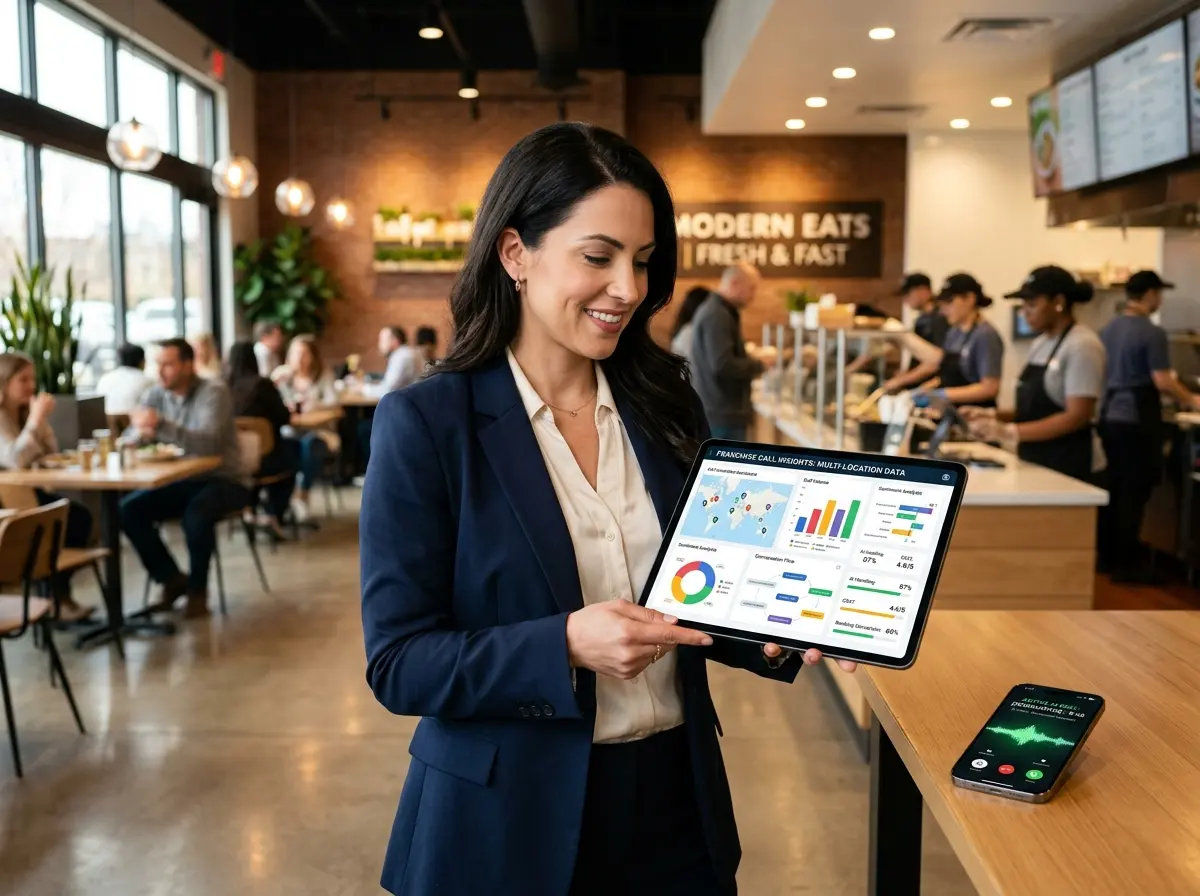
Stella, the AI robot employee and phone receptionist, is built exactly for this. As a human-sized in-store kiosk, she greets customers, answers product and service questions, promotes specials, and handles routine inquiries — all without pulling a manager away from more pressing responsibilities. On the phone side, she answers calls 24/7, routes them based on configurable conditions, and delivers AI-generated voicemail summaries with push notifications directly to the right person. That means your MOD gets alerted to the things that actually need their attention, not every single call that comes in. Stella also collects customer information through conversational intake forms and manages contacts through a built-in CRM — so your team has context before they even pick up the phone.
Building a Manager on Duty Protocol That Actually Sticks
Define the Role Before You Assign It
The first step in building a functional MOD protocol is clarity on what the role actually entails. Don't assume your staff knows. Write it down. The MOD should have a defined scope of authority — what they can comp, what they can approve, what decisions require owner escalation — as well as clear responsibilities for the shift. This includes opening and closing checklists, incident documentation, staff conflict resolution, and customer complaint handling.
Post this somewhere visible. Put it in your employee handbook. Review it during onboarding. A protocol that lives only in the manager's head is not a protocol — it's a rumor.
Create a Tiered Escalation System
Not every problem is a five-alarm emergency, and your team needs to know the difference. A tiered escalation system gives staff a clear decision tree for when and how to loop in the MOD. For example:
- Tier 1 — Handle independently: Routine customer questions, standard order modifications, minor wait time updates.
- Tier 2 — Notify the MOD: Complaints requiring a comp or discount, unusual wait times, staff conflicts, equipment issues.
- Tier 3 — Immediate MOD intervention: Medical situations, security concerns, food safety incidents, disruptive guests.
When your team has a framework like this, they stop second-guessing themselves and start executing confidently. That confidence translates directly into better customer experiences and fewer situations that spiral out of control because someone waited too long to escalate.
Standardize How Staff Reaches the MOD
Even the best escalation system fails if the communication channel is unclear. Does staff text the MOD? Use a walkie-talkie? Find them in person? The answer should be documented, consistent, and actually used. Many restaurants are moving toward team communication apps like 7shifts, Homebase, or even a dedicated group text thread. Whatever tool you choose, make it the single source of truth for shift communication — not a mix of personal texts, sticky notes, and shouting across the kitchen pass.
Also, consider having the MOD do a brief "I'm in charge tonight" check-in at the start of each shift. It takes thirty seconds and eliminates the confusion entirely. Simple, obvious, and almost nobody does it consistently.
Quick Reminder About Stella
Stella is an AI robot employee and phone receptionist that greets customers in-store, answers calls around the clock, and handles routine inquiries so your human staff can focus on what matters. At just $99/month with no upfront hardware costs, she's an easy addition to any restaurant operation. If your MOD is still fielding calls about your hours and specials at 9pm on a Saturday, Stella would like a word.
Conclusion: Stop Leaving Your Friday Nights to Chance
A Manager on Duty communication protocol isn't glamorous. It won't make your food taste better or magically reduce your food costs. But it will make your restaurant more resilient, your staff more confident, and your managers more effective — and those things have a very direct line to your bottom line.
Here's what to do this week:
- Write a one-page MOD role description that defines authority, responsibilities, and expectations.
- Build a tiered escalation guide and share it with your entire team — not just managers.
- Standardize your communication channel for shift-level coordination and make sure everyone is actually using it.
- Audit what's consuming your MOD's time and identify which tasks — especially routine customer inquiries and phone calls — could be handled by smarter tools.
Running a restaurant is already hard enough. Build the systems that let your team do their jobs without having to guess. And on the nights when everything hits at once — and it will — you'll be very glad you did.