So You Want to Open a Spa
Congratulations! You've decided to enter the business of helping people relax — which, ironically, is one of the most stressful businesses you can start. Opening a spa is a deeply rewarding venture, but it comes with a staggering number of moving parts that can turn your dream of zen into a logistical nightmare before you've lit a single candle. The good news? With the right checklist in hand, you can walk into opening day feeling confident, prepared, and maybe even a little calm.
The spa industry in the United States generates over $20 billion annually, and demand for wellness services has only grown in the post-pandemic era. Consumers are prioritizing self-care, and they're willing to spend on it. But a beautiful treatment room and a great massage therapist aren't enough on their own. Behind every successful spa is a well-oiled machine of licensing, staffing, branding, operations, and customer experience. This guide will walk you through the essentials so you can build that machine — without losing your mind in the process.
The Legal and Financial Foundation
Before you order a single aromatherapy diffuser, you need to make sure your business actually has the legal right to exist. This is the unglamorous part of entrepreneurship, but skipping it is a fast track to fines, closures, and the kind of stress no facial can fix.
Business Structure and Licensing
Start by choosing your business entity — most spa owners opt for an LLC for personal liability protection and tax flexibility. Register your business with your state, obtain an Employer Identification Number (EIN) from the IRS, and open a dedicated business bank account. Mixing personal and business finances is a rookie mistake that accountants and auditors both love to hate.
Spa licensing requirements vary significantly by state and municipality. You'll likely need a general business license, a cosmetology or esthetics establishment license, and potentially separate permits for specific services like massage therapy, nail care, or body treatments. Check with your state's cosmetology board and local zoning office — and yes, you do actually have to call them, even when the hold music is insufferable.
Budgeting and Startup Costs
The average cost to open a small day spa ranges from $75,000 to $250,000, depending on location, size, and the level of buildout required. Key cost categories to plan for include:
- Lease deposit and tenant improvements
- Equipment and furniture (treatment tables, steamers, wax pots, etc.)
- Product inventory and professional supplies
- Signage, branding, and marketing
- Payroll and training costs for pre-opening staff
- Insurance premiums and licensing fees
- Technology: booking software, POS systems, and customer management tools
Build a 6-month cash reserve if possible. Spas often take 3–6 months to hit their revenue stride, and you don't want to be rationing lavender oil in month two because you underestimated your runway.
Staffing, Operations, and the Art of Not Doing Everything Yourself
Many first-time spa owners fall into the trap of trying to handle every role themselves — receptionist, esthetician, social media manager, janitor, and CEO all at once. This is a recipe for burnout, and your clients will notice. Building the right team and the right systems from the start is what separates thriving spas from the ones quietly closing after eighteen months.
How Stella Can Help You Run a Leaner, Smarter Spa
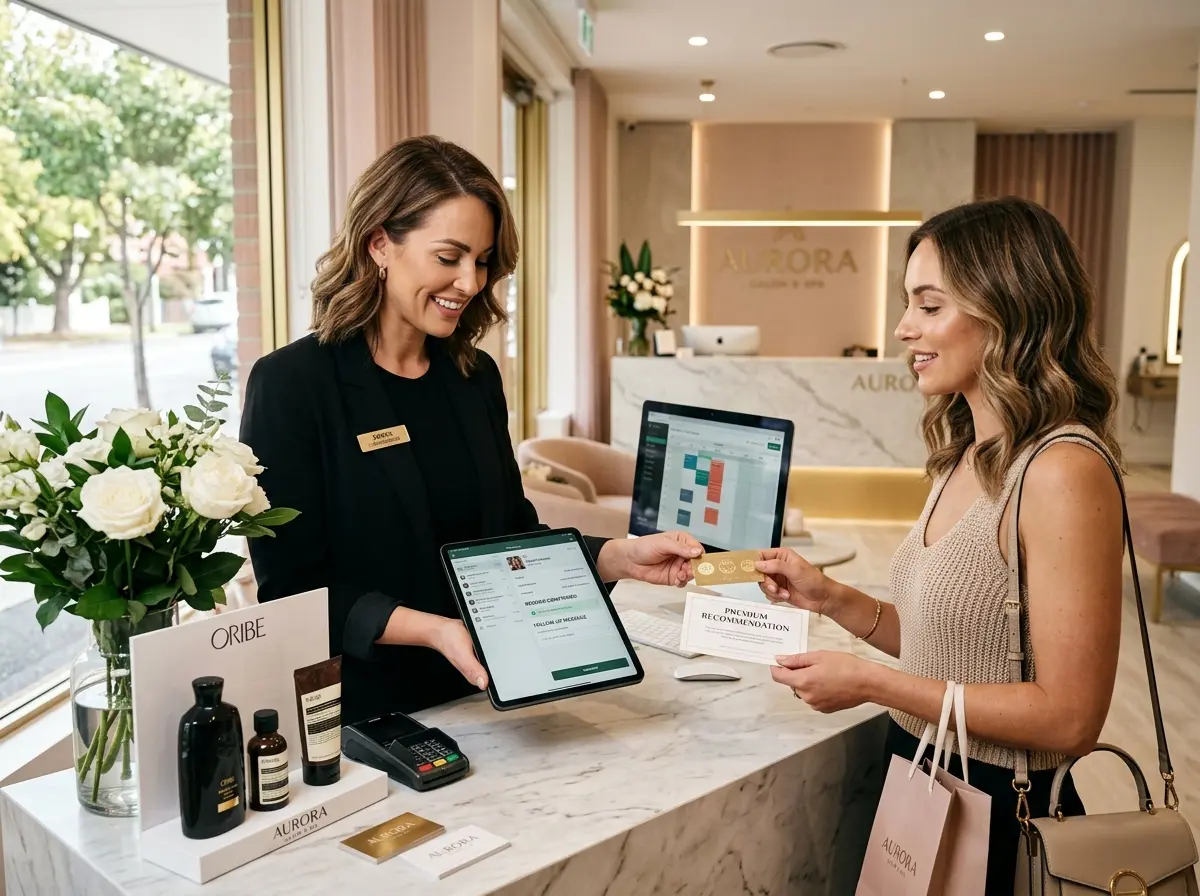
One of the most overlooked stress points for new spa owners is the front desk. Phones ringing during treatments, no one available to greet a walk-in, missed calls from potential clients who just booked with your competitor instead — it adds up fast. Stella is an AI robot employee and phone receptionist designed to solve exactly this problem. Her in-store kiosk presence means every client who walks through your door is greeted warmly and professionally, even when your human staff is busy in the back. She can answer questions about your services, pricing, and promotions without pulling your esthetician away mid-treatment.
On the phone side, Stella answers calls 24/7 with the same knowledge she uses in person — handling inquiries, collecting client information through conversational intake forms, and forwarding calls to staff when needed. Her built-in CRM keeps track of every contact with custom fields, tags, notes, and AI-generated profiles, so your team always has context before picking up a client interaction. At just $99/month with no upfront hardware costs, she's the staff member who never calls in sick and never asks for a holiday bonus.
Building Your Brand and Attracting Clients
A spa without clients is just an expensive, very nice-smelling room. Marketing your spa effectively before and after opening is non-negotiable, and in today's market, digital presence is where most of that work happens.
Brand Identity and Visual Experience
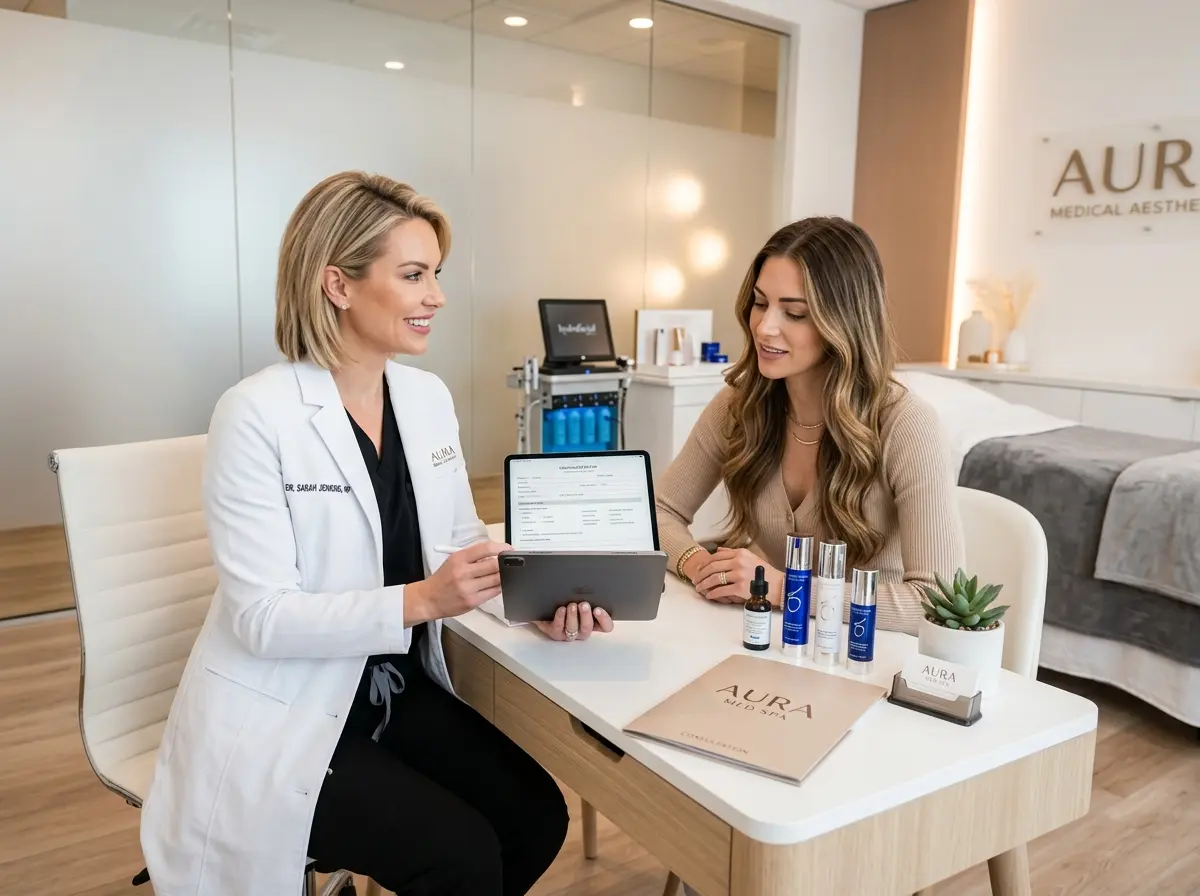
Your brand is more than a logo — it's the feeling your spa evokes before a client ever steps through the door. Invest in professional branding that reflects your positioning: Are you a luxury destination spa? A wellness-focused community hub? A results-driven clinical skincare studio? Your name, color palette, typography, photography style, and even your email signature should all tell a consistent story.
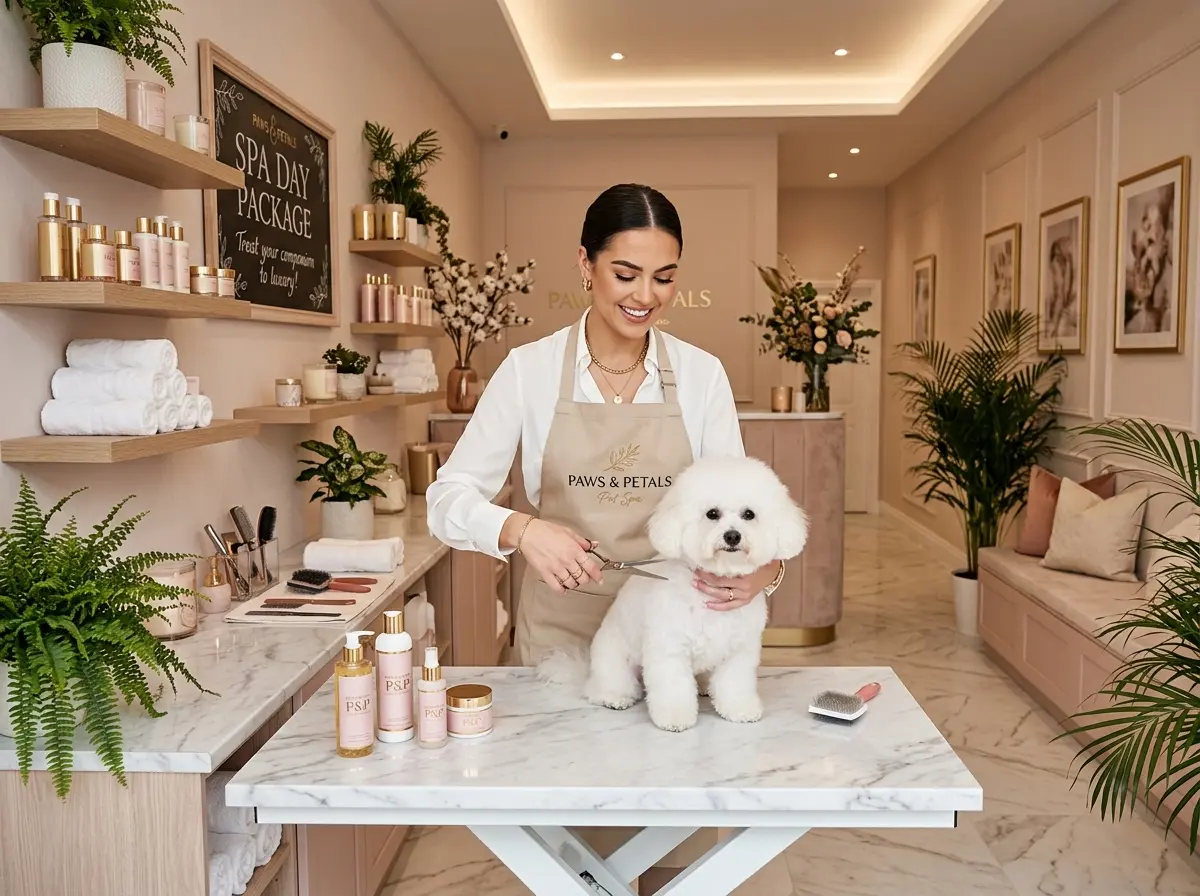
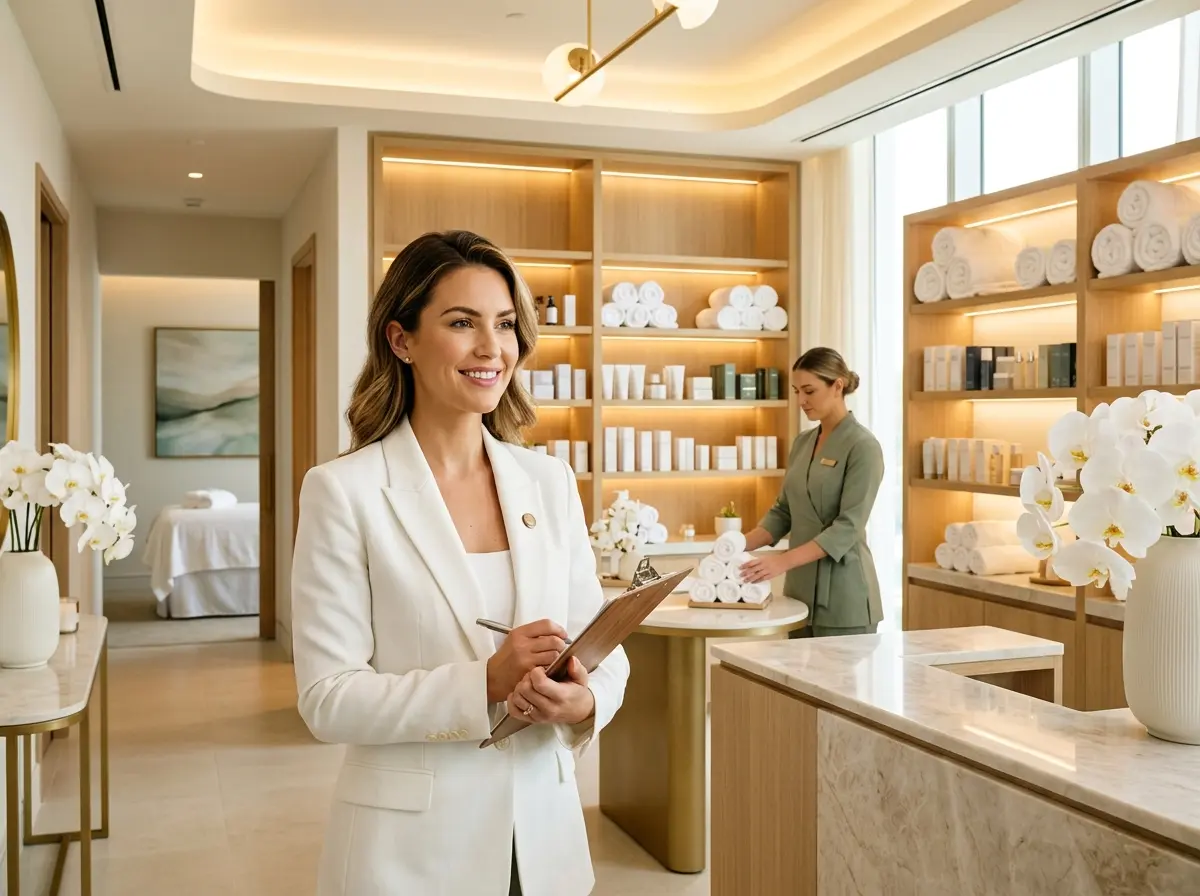
Your physical space needs to match your brand promise. First impressions matter enormously in the spa industry — scent, lighting, music, temperature, and décor all contribute to whether a first-time visitor becomes a loyal regular. Small details like branded robes, custom retail displays, and cohesive signage communicate professionalism and attention to detail.
Digital Marketing and Local SEO
Claim your Google Business Profile immediately — this is one of the highest-ROI moves a local business can make. Optimize it with accurate hours, service descriptions, photos, and a steady stream of client reviews. Local SEO for terms like "day spa near me" or "facial in [your city]" can drive significant organic traffic without ongoing ad spend.
Social media, particularly Instagram and TikTok, performs exceptionally well for spas. Behind-the-scenes content, before-and-after treatment results (with client permission), staff introductions, and product spotlights all build the kind of trust that converts followers into bookings. Pair your organic content with a modest paid ads budget targeting local audiences, and consider a soft-launch promotion — like a discounted first visit or a complimentary add-on — to fill your books in the early weeks.
Booking Systems and the Client Experience Pipeline
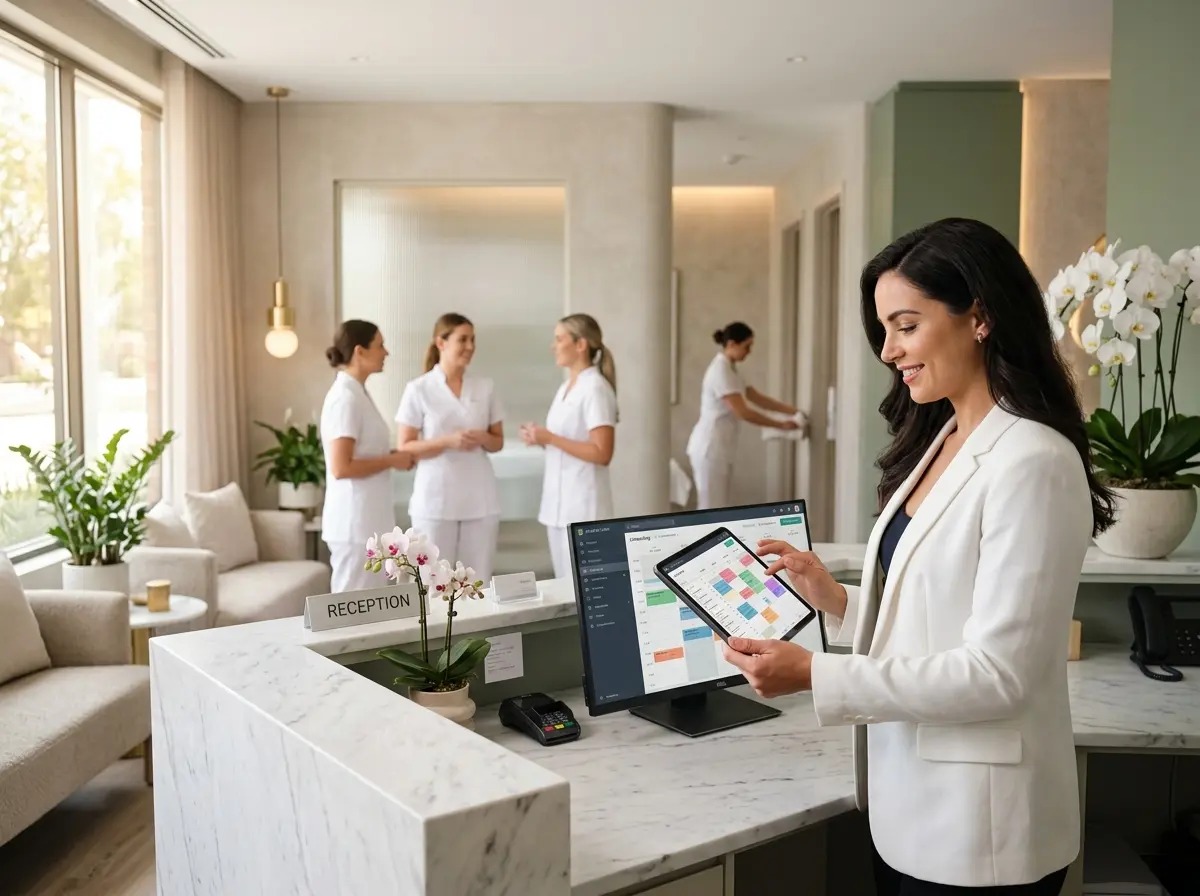
Online booking is now a baseline expectation, not a luxury feature. Platforms like Mindbody, Vagaro, or Square Appointments allow clients to book 24/7 and send automated reminders that dramatically reduce no-shows. Connect your booking system to your CRM so client histories, preferences, and purchases are always at your team's fingertips. A client who mentioned she has sensitive skin during her first visit should never have to repeat that information — that kind of attentiveness is what earns five-star reviews and referral business.
Quick Reminder About Stella
Stella is an AI robot employee and phone receptionist that greets walk-in clients, answers calls around the clock, promotes your services and specials, and manages customer contacts — all for $99/month with no hardware costs upfront. She's the always-on front desk presence that keeps your spa running smoothly even when your human team has their hands full (literally). Whether you're a solo esthetician or managing a full team, she's worth knowing about.
Your Next Steps: From Checklist to Grand Opening
Opening a spa is a significant undertaking, but it's entirely achievable with the right preparation. The owners who succeed aren't necessarily the ones with the most experience — they're the ones who plan thoroughly, build strong systems early, and stay adaptable when things don't go exactly according to script (and something always doesn't).
Here's your condensed action plan to get moving:
- Finalize your business structure and register your LLC with your state.
- Research all required licenses and permits for your specific services and location.
- Build a detailed startup budget with at least a 6-month cash reserve.
- Secure your location and begin any necessary buildout or renovation.
- Hire and train your team — starting with licensed practitioners and front desk support.
- Set up your booking software and CRM before opening day, not after.
- Develop your brand identity and launch your digital presence at least 4–6 weeks before opening.
- Plan a soft launch or grand opening promotion to generate early buzz and bookings.
- Explore tools like Stella to handle client communications and front desk coverage efficiently from day one.
The spa industry rewards those who combine genuine passion for wellness with sharp business instincts. Now that you have the roadmap, the only thing left to do is get started — preferably after a good night's sleep, because you're going to need it.