Your Phone Is Ringing. Your Staff Is Busy. And That New Member Just Left.
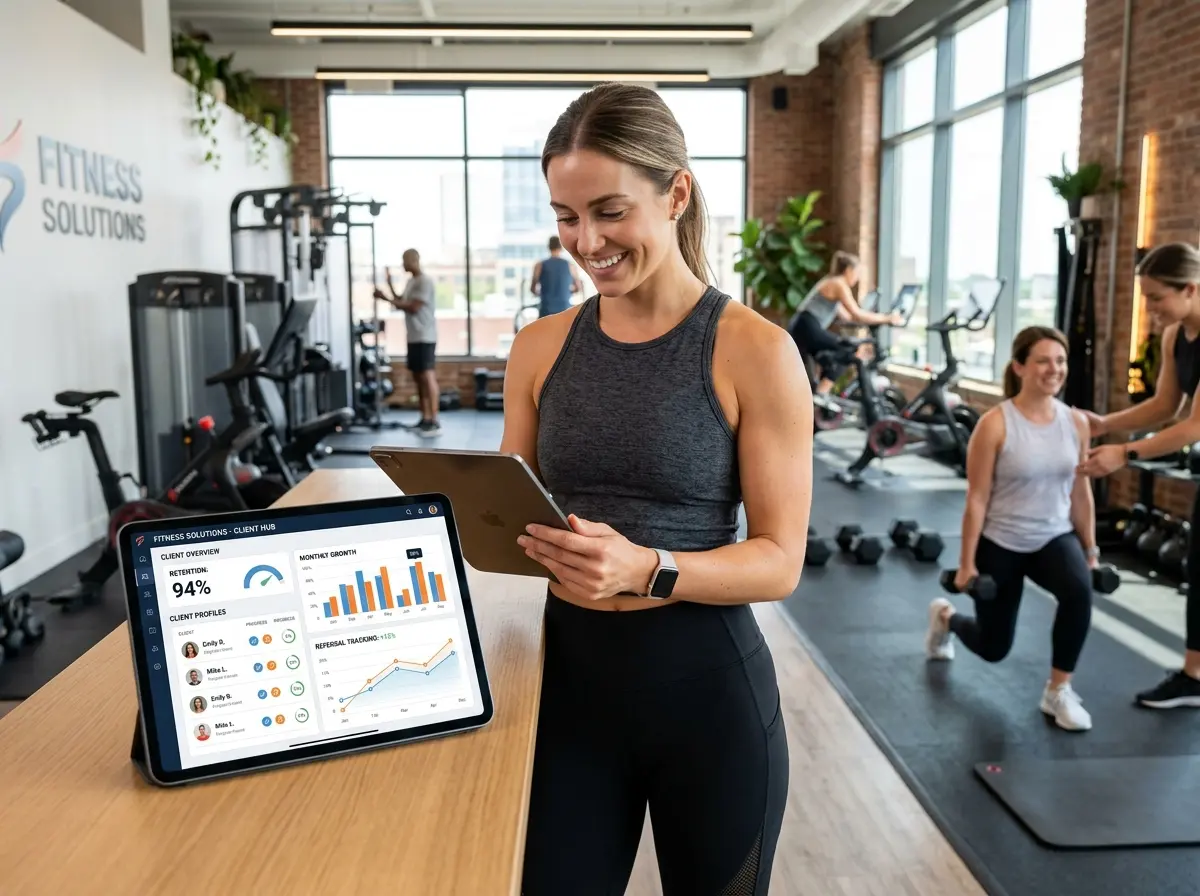
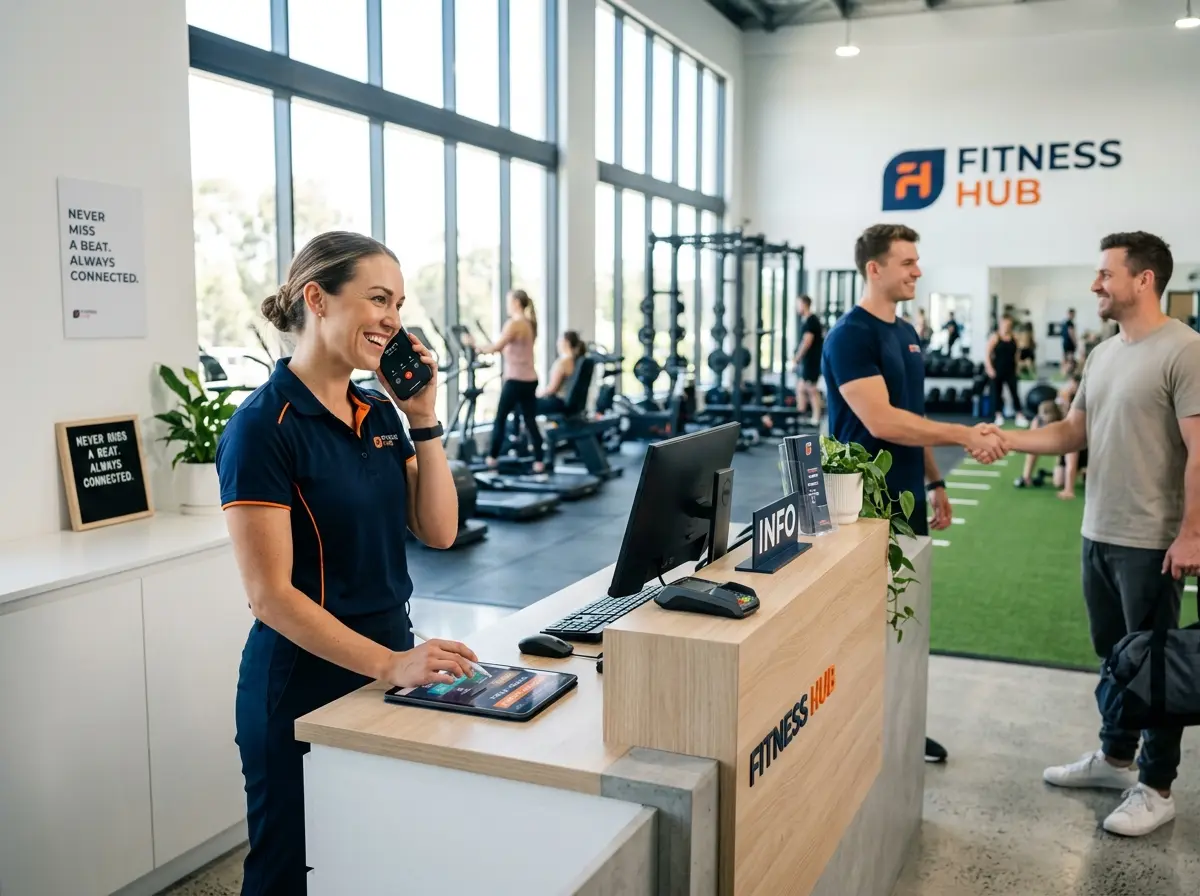
Here's a scenario that's probably painfully familiar: It's a Tuesday evening rush at your gym. Your front desk staff is checking in a line of members, your coaches are running classes, and somewhere in the background, your phone is ringing. And ringing. And then — silence. Voicemail. Another potential new member just got sent to the digital equivalent of a waiting room with no chairs, no music, and no promise that anyone will ever call back.
According to research, 80% of callers sent to voicemail do not leave a message — they simply hang up and call your competitor. In a competitive fitness market where gyms are fighting for every membership, that unanswered call isn't just a minor inconvenience. It's lost revenue walking out the door before it ever walked in.
The good news? You don't have to choose between giving great in-person service and answering every call. You just need a smarter system — and this post is going to walk you through exactly how to build one.
Why Gyms Struggle With Phone Management (And Why It's Not Your Fault)
Your Staff Is Doing Five Jobs at Once
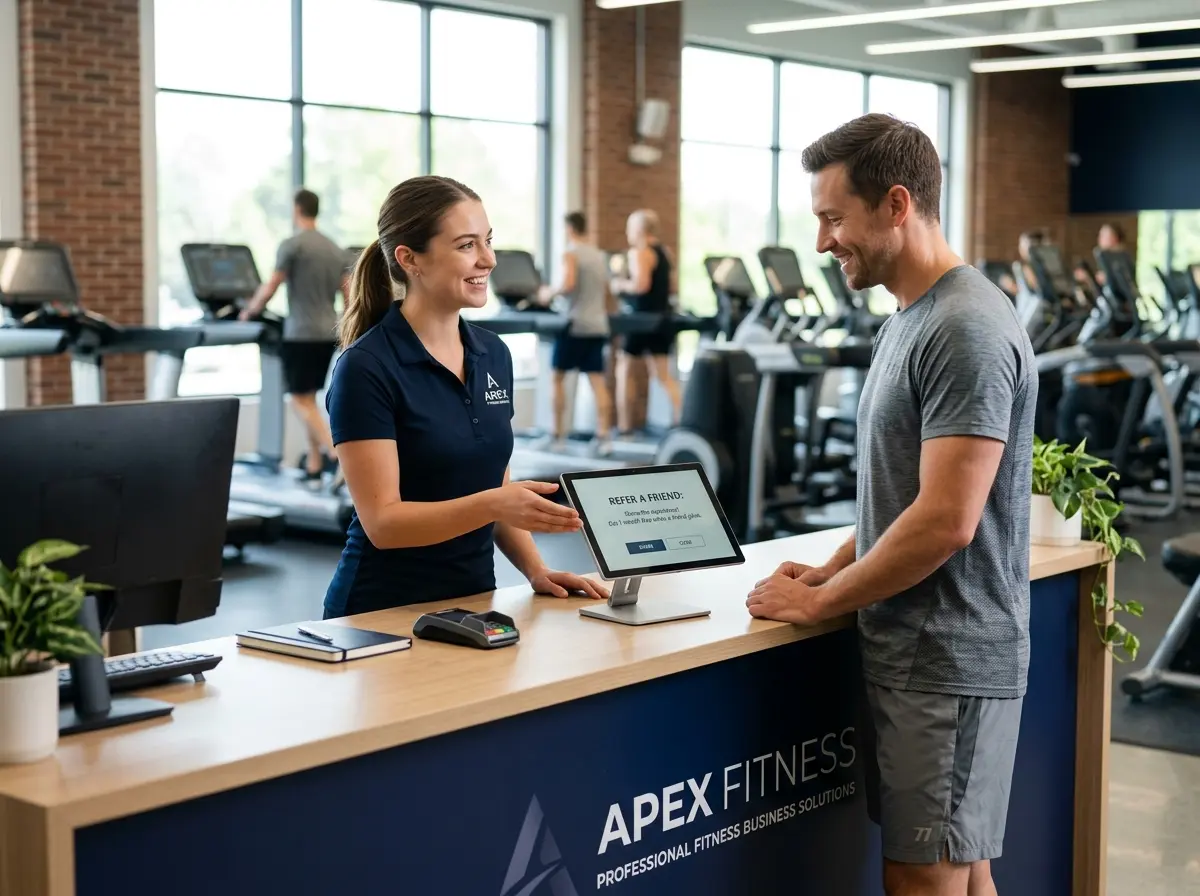
Let's be honest: the front desk at a gym is one of the most demanding roles in any small business. Your receptionist is simultaneously greeting members, processing payments, handling check-ins, answering questions about class schedules, managing locker room keys, and yes — trying to answer the phone in between all of that. Something has to give, and more often than not, it's the phone.
This isn't a staffing failure. It's a systems failure. When you expect one person to do the work of three, critical touchpoints — like that prospective member asking about your personal training packages — inevitably fall through the cracks. The solution isn't necessarily hiring more people. It's designing your communication workflow so that your staff can focus on high-value, in-person interactions without every incoming call feeling like a grenade going off.
Peak Hours Are the Worst Time to Handle Inquiries
Here's the cruel irony of gym operations: your busiest times — early mornings, lunch hours, and evening rushes — are exactly when prospective members are most likely to call. They're on their lunch break, curious about your boot camp class. They just finished work and want to know about your membership pricing. And your staff is completely swamped managing the very members you've already won over.
The mismatch between when calls come in and when your team has bandwidth to handle them gracefully is a structural problem. No amount of hustle fixes a structural problem — only a structural solution does. That means building a communication system that doesn't depend on your team being available at exactly the right moment.
Voicemail Is Not a Communication Strategy
Let's retire the idea that voicemail is an acceptable fallback. It isn't — especially not for a service business where urgency matters. A prospect asking about a New Year's membership promotion isn't going to wait 48 hours for a callback. They're going to Google the next gym on the list within about four minutes. Even for existing members, voicemail sends an unintentional message: we're too busy for you right now. That's not the brand experience you've worked hard to create.
Technology That Actually Helps: Meet Your New Front Desk Teammate
AI Receptionists Are No Longer a "Big Business" Thing
Stella is an AI robot employee and phone receptionist designed specifically for businesses like yours. She answers every call, 24 hours a day, 7 days a week, with the same confident knowledge about your gym's services, class schedules, membership pricing, promotions, and policies — without ever needing a break, a shift change, or a pep talk. For gyms with a physical location, she also stands as a human-sized kiosk inside your facility, greeting walk-ins, answering questions, and even proactively promoting your current deals to members and visitors.
What makes Stella particularly powerful for gym owners is that she handles the conversational intake that typically bogs down your staff. Prospective members calling about pricing? She walks them through options naturally. Someone asking about class times? She has the answer. She can forward calls to your human team when it truly warrants human attention — based on conditions you configure — and when voicemails are unavoidable, she generates AI-powered summaries and pushes notifications directly to managers, so nothing slips through unnoticed. Her built-in CRM and conversational intake forms mean that every lead who calls in or visits your kiosk gets logged, tagged, and profiled automatically, giving you a clear picture of where your prospects are coming from and what they're asking about.
Building a Communication System That Actually Works for a Gym
Map Your Inbound Communication Touchpoints
Before you can fix your phone problem, you need to understand the full scope of how people try to reach you. For most gyms, inbound communication comes through at least five channels: phone calls, walk-ins, website inquiries, social media messages, and Google Business profile questions. Each one requires a response strategy — not just a hope that someone on your team happens to see it in time.
Start by auditing your current state. For one week, track every missed call, every unanswered walk-in question, and every web inquiry that sat in a queue longer than an hour. The data will almost certainly be uncomfortable — and that discomfort is the motivation you need to actually change something. Most gym owners are surprised to discover they're missing 20 to 30 percent of inbound inquiries during peak periods alone.
Define What "Handled" Looks Like for Each Inquiry Type
Not every inquiry needs a human. That's an important distinction that most gym owners haven't consciously made. Here's a practical breakdown:
- Class schedules, pricing, and amenity questions — These can and should be handled automatically. They don't require judgment, empathy, or nuance. They require accurate information delivered quickly.
- Membership cancellations or billing disputes — These benefit from a human touch. Route them accordingly.
- Personal training inquiries or corporate wellness packages — High-value leads that deserve a warm handoff to your sales-minded staff.
- General feedback or complaints — Needs a real person with the authority to respond appropriately.
By defining these categories in advance, you give your entire team — and any technology you deploy — a clear playbook. Your AI receptionist handles tier one automatically. Tier two and three get escalated thoughtfully. Nobody is guessing.
Follow Up Faster Than You Think Is Necessary
Speed-to-response is one of the most underappreciated competitive advantages in the gym industry. Studies consistently show that leads contacted within five minutes of inquiry are nine times more likely to convert than those contacted after 30 minutes. Nine times. That stat should be printed and pinned above every front desk in America.
When your communication system is set up correctly — with smart call routing, automated intake, instant notifications for your managers, and no inquiry falling into a voicemail black hole — your response times drop dramatically. And when response times drop, your conversion rates climb. It's one of the few improvements in business where the math is almost embarrassingly simple.
Quick Reminder About Stella
Stella is a friendly AI robot employee who works as both an in-store kiosk and a 24/7 phone receptionist for businesses like gyms, salons, retail stores, and more — all for just $99 per month with no upfront hardware costs. She greets walk-ins, answers calls, promotes your current deals, and collects lead information so your human team can focus on what they do best. Setup is easy, she never calls in sick, and she's genuinely better at answering repetitive questions than most of us would like to admit.
What to Do Starting This Week
You don't need to overhaul everything at once. Sustainable improvement happens in focused steps, and your phone and communication system is a great place to start because the impact is immediate and measurable. Here's a realistic action plan:
- Audit your missed calls for the past 30 days. Pull the data from your phone system. How many calls went unanswered? What times of day? This is your baseline.
- Document your most frequently asked questions. What do people call about most? Pricing, schedules, parking, policies? Make a list. This is the foundation of any automated response system.
- Define your call routing logic. Decide which inquiry types should go to automation, which should be escalated to staff, and under what conditions. Write it down. A system that only lives in someone's head isn't really a system.
- Implement a 24/7 answering solution. Whether that's an AI receptionist, an answering service, or a combination, stop letting calls go to voicemail during hours when inquiries are high and staffing is thin.
- Measure results after 30 days. Compare your missed call rate, your lead conversion speed, and your new membership signups against the prior month. The numbers will tell you exactly what's working.
Your gym is built on helping people show up, put in the work, and see results. The same principle applies to your business operations. Set up a communication system that shows up every time, does the work consistently, and produces results you can actually measure. Your next member is probably calling right now. Make sure someone — or something — answers.