Why Your Tattoo Studio Is Losing Money While You Sleep
Let's paint a picture. It's 11:47 PM on a Tuesday. Your studio is closed, your artists are (hopefully) sleeping, and somewhere across town, a potential client just finished binge-watching a tattoo reality show. They're inspired. They're motivated. They're ready to book. So they hop onto your website, find your contact page, and discover... a phone number. And maybe an email address that gets checked twice a week if you're feeling ambitious.
By morning, they've either booked with your competitor or completely forgotten their tattoo epiphany ever happened. Congratulations — you just lost a booking in your sleep, without even knowing it.
Here's the good news: deposit-based online scheduling solves this problem almost entirely. It captures clients at peak motivation, secures their commitment with a real financial stake, and keeps your calendar organized without requiring you or your artists to lift a finger. If your tattoo studio isn't using an online scheduling system with deposits built in, this guide is your wake-up call — just a less intrusive one than a 1 AM booking inquiry call.
Understanding the Deposit System and Why It Works
The Psychology Behind the Deposit
A deposit isn't just a financial transaction — it's a psychological contract. When a client puts money down, they've made a decision. They've crossed a mental threshold from "maybe someday" to "this is happening." Studies in behavioral economics consistently show that people place higher value on things they've already invested in, a concept known as the sunk cost effect. For tattoo studios, this translates directly into a dramatically lower no-show rate.
Without a deposit system, no-show rates in the tattoo industry can hover anywhere between 10% and 30% — which is a polite way of saying that up to a third of your scheduled appointments might just... not show up. With a non-refundable deposit policy clearly communicated upfront, that number drops significantly. Clients who have paid $50, $75, or $100 to hold their appointment treat it differently. They reschedule instead of ghosting. They show up on time. They come prepared.
Setting Up Your Deposit Policy the Right Way
A deposit policy only works if it's clear, consistent, and enforced — every single time, with zero exceptions for "this one guy who seems super reliable." Start by deciding on a deposit amount that makes sense for your pricing structure. Most studios charge between $50 and $150 as a flat rate, or 20–30% of the estimated session cost for larger pieces. The deposit should feel meaningful enough to create commitment but not so steep that it scares off legitimate clients before they've even seen your portfolio.
Next, document your policy clearly and put it everywhere: on your booking page, in your confirmation emails, in your studio, and ideally in a brief pre-booking message. Your policy should address the following key questions:
- Is the deposit refundable, and under what circumstances?
- How far in advance must a client reschedule to retain their deposit?
- Does the deposit apply toward the final cost of the tattoo?
- What happens if the artist needs to cancel?
Being transparent about these terms upfront protects you legally, sets professional expectations, and actually builds client trust. Clients respect studios that have their act together.
Choosing the Right Online Scheduling Platform
Not all booking platforms are created equal, and the tattoo industry has some specific needs that generic scheduling tools don't always accommodate. You'll want a platform that supports deposit collection at the time of booking, integrates with a payment processor you trust, allows you to assign bookings to specific artists, and sends automated reminders to reduce no-shows even further.
Popular options in the tattoo space include Vagaro, Square Appointments, Acuity Scheduling, and Booksy — each with different pricing structures and feature sets. Look for platforms that offer intake forms, since collecting reference images, style preferences, placement details, and skin condition notes before the appointment makes consultations dramatically more efficient. The less time your artists spend gathering basic information on the day of the appointment, the more time they spend actually tattooing.
Streamlining Your Booking Process With Smarter Tools
Automating the Client Journey From First Click to Appointment
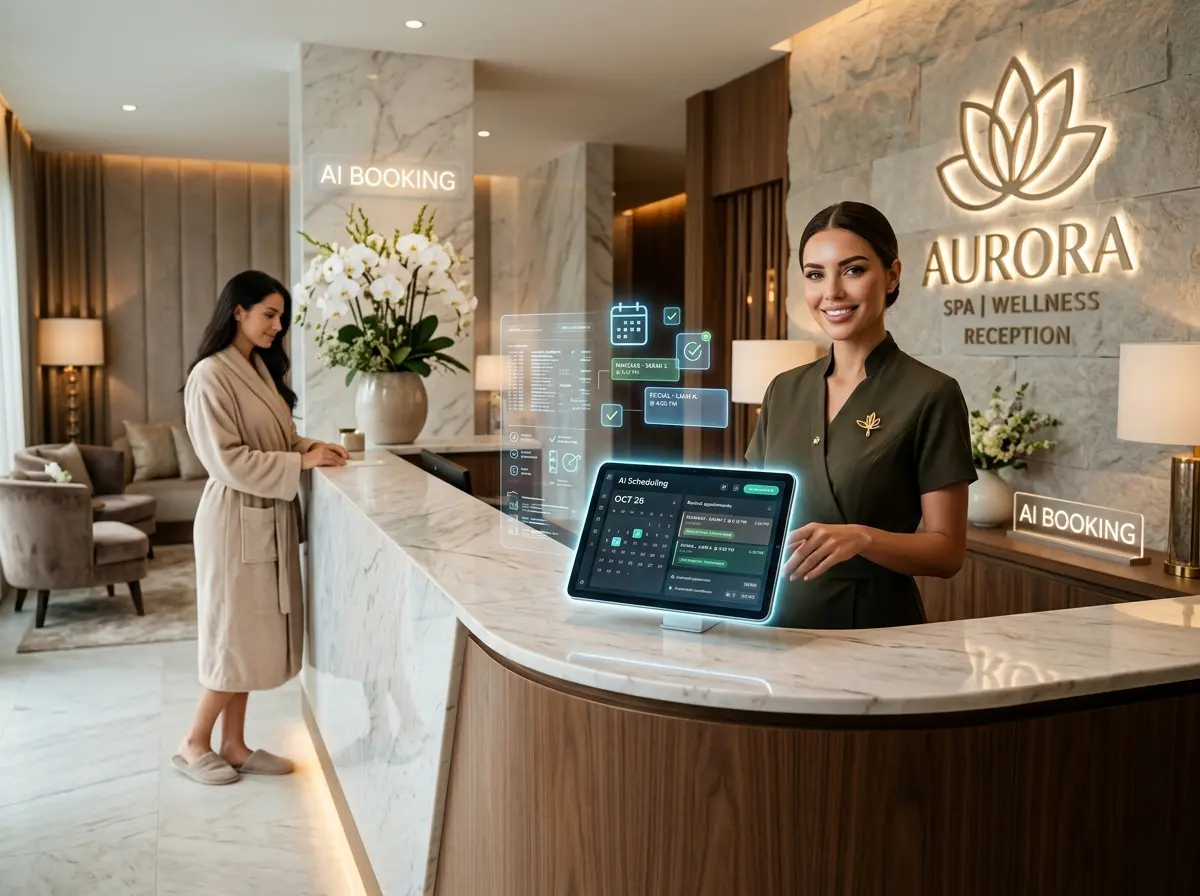
Online scheduling isn't just about convenience — it's about removing every possible friction point between a client's decision to book and their confirmed appointment. Your booking flow should feel effortless. A client should be able to land on your site, browse your artists' portfolios, select a service type, pick a time slot, fill out a brief intake form, pay their deposit, and receive a confirmation — all without sending a single DM or waiting for a callback.
Automated confirmation emails and SMS reminders do the follow-up work for you. Set reminders to go out 48 hours before the appointment and again the morning of. Include the deposit policy reminder, parking information, and what to do if they need to reschedule. The more informed your clients are heading into their appointment, the smoother the day runs for everyone involved.
How Stella Can Support Your Studio's Customer Experience
While your online booking platform handles the scheduling side, Stella can handle the human side — without requiring an actual human. As an AI robot receptionist, Stella answers your studio's phone calls 24/7, responds to questions about pricing, availability, artist styles, aftercare policies, and deposit requirements, and can guide callers directly to your online booking page. For studios with a physical location, she also operates as an in-store kiosk, greeting walk-ins, answering their questions, and keeping them engaged while your artists are heads-down on a piece.
Stella also handles intake through conversational forms — collecting client information, style preferences, and contact details directly over the phone or at the kiosk. That information flows into her built-in CRM, where you can tag clients, add notes, track their appointment history, and build out client profiles over time. For a tattoo studio managing relationships with regulars, collectors, and walk-ins all at once, that kind of organized client data is genuinely valuable — and it doesn't require a dedicated receptionist to maintain it.
Managing No-Shows, Cancellations, and the Occasional Drama
Enforcing Your Policy Without Losing Your Professionalism
Here's where many studio owners get soft. A client cancels the day before. They have a great excuse. They're very sorry. And suddenly your clearly documented, professionally communicated deposit policy flies right out the window because confrontation is uncomfortable. Don't let it. Your deposit policy exists precisely for moments like this — it protects the artist's time, compensates for a slot that could have gone to someone else, and maintains the financial stability of your business.
The trick is to enforce the policy through your system, not through a personal conversation. Your booking platform should handle cancellation rules automatically: if a client cancels within the non-refundable window, the deposit is retained without requiring anyone to have an awkward exchange. Let the software be the bad guy. You just continue being the talented, professional studio owner you are.
Turning Cancellations Into Opportunities
A last-minute cancellation doesn't have to mean lost revenue. Build a waitlist into your scheduling system so that when a slot opens up, clients on the list are automatically notified and can claim it immediately. Many studios have filled same-day openings through Instagram stories or waitlist notifications, turning a no-show into a fully booked day. If your platform supports it, even a simple automated message to waitlisted clients can recover the slot within hours.
It's also worth periodically reviewing your cancellation data. If the same time slots are consistently seeing cancellations, or if cancellations spike at a particular price point, that's useful information. Patterns in your booking data can inform smarter scheduling decisions, better client screening, or adjusted deposit amounts for certain service types.
Rescheduling Policies That Protect Everyone
Rescheduling is not the same as canceling, and your policy should reflect that distinction. A client who reschedules with 48 hours' notice is showing responsibility — they're not abandoning their appointment, they're adjusting it. Most studios allow one reschedule while retaining the original deposit, as long as the new appointment is booked within a reasonable window (typically 30 to 60 days). Beyond that, the deposit is forfeited and a new one is required.
Communicate this clearly in your policy, and make rescheduling easy through your booking platform so clients actually use the process instead of just not showing up. The easier you make it to do the right thing, the more often clients will do it.
Quick Reminder About Stella
Stella is an AI robot employee and phone receptionist designed to help businesses like yours run more smoothly — whether she's standing in your studio as a kiosk greeting walk-ins, or answering your phones at midnight when a freshly inspired client wants to know your deposit policy. She handles the repetitive front-desk work so your team doesn't have to, all for $99 a month with no hardware costs upfront.
Your Next Steps Toward a Fully Optimized Booking System
If you've made it this far, you already know what needs to happen. The studios that run efficiently, maintain strong revenue, and keep their artists' schedules full aren't doing anything magical — they've just taken the time to build systems that work while they aren't watching. Deposit-based online scheduling is one of the highest-impact, lowest-effort improvements a tattoo studio can make, and there is genuinely no good reason to delay implementing it.
Start with these concrete steps this week:
- Draft your deposit policy — amounts, refund conditions, reschedule rules, and what happens if either party cancels. Write it in plain language.
- Select a booking platform that supports deposit collection, automated reminders, and intake forms. Most offer free trials, so test before committing.
- Update your website and social profiles with a direct booking link so clients can get from "inspired" to "booked" in under five minutes.
- Build your waitlist so cancellations don't turn into lost revenue.
- Review your setup quarterly — look at no-show rates, cancellation patterns, and booking volume to see what's working and what needs adjusting.
The tattoo industry runs on artistry, trust, and relationships — but it survives on operational discipline. A solid deposit-based scheduling system is the foundation that lets your artists focus on the work they love, your clients feel confident in the process, and your studio grow without the chaos. That's not a bad return on a few hours of setup work.