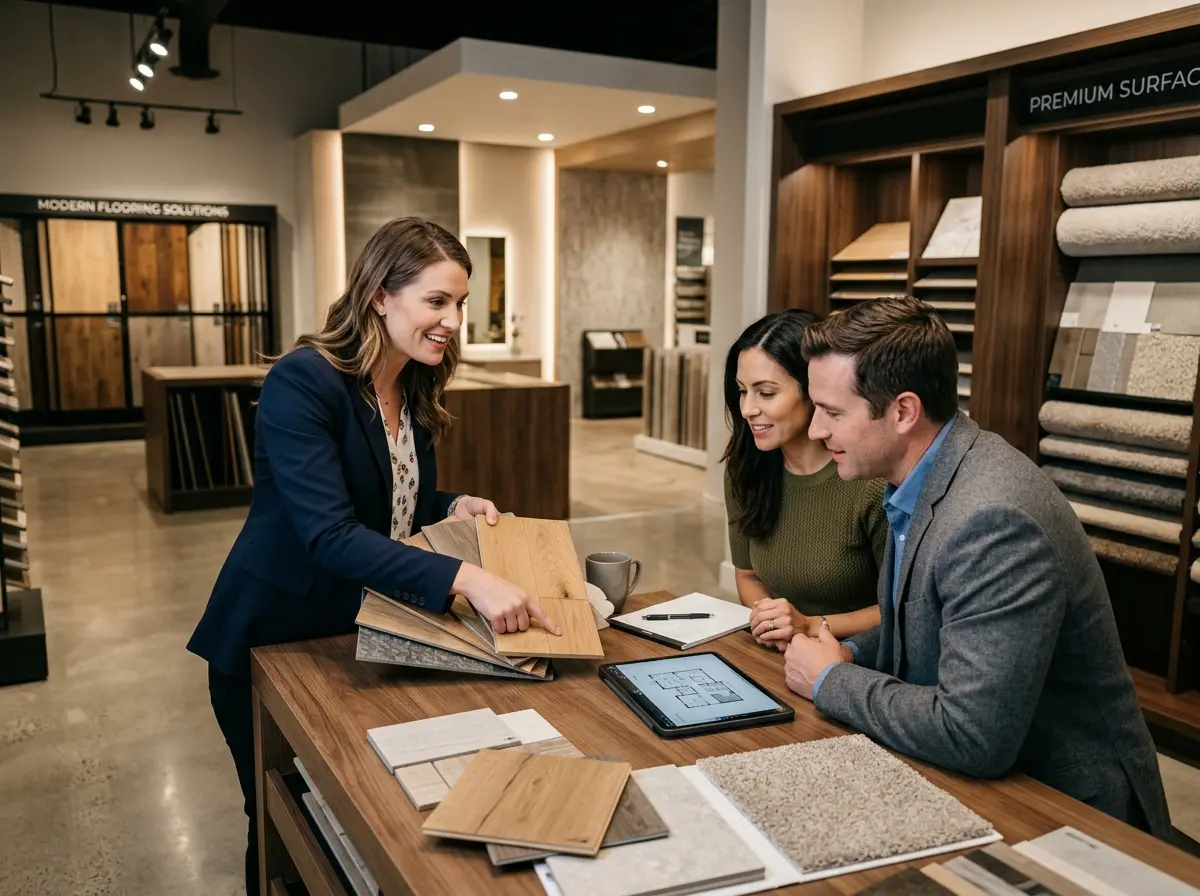
Why Most Flooring Consultations Are Leaving Money on the Table
Let's be honest — not every customer who walks into your showroom or calls asking about hardwood pricing is ready to sign a contract. Some are genuinely excited homeowners with a project starting next month. Others are "just browsing," which is the retail equivalent of window shopping in a hurricane — lots of noise, zero commitment. The problem is, most flooring companies treat every inquiry the same way, burning through time, staff energy, and resources on leads that were never going to close.
Here's the good news: your design consultation isn't just a service — it's one of the most powerful lead qualification tools you already own. When used strategically, a well-structured consultation filters out the tire-kickers, elevates your serious buyers, and gives your sales team a clear pipeline instead of a chaotic guessing game. This guide will show you exactly how to make that happen — without turning your consultation into an interrogation.
Rethinking the Design Consultation as a Sales Filter
The Hidden Qualifying Power of a Consultation Request
The moment a customer agrees to schedule a design consultation, they've already told you something important: they're willing to invest time. And time, as any flooring professional knows, is the first real indicator of intent. Someone casually curious about LVP pricing doesn't book a consultation — someone planning a whole-home renovation does. That small act of commitment separates the browsers from the buyers before you've even said hello.
This is why you should never position your design consultation as a freebie or a low-barrier afterthought. Frame it as an exclusive, value-packed experience that helps homeowners make smarter decisions. When customers perceive it as valuable, only those who genuinely need that value will opt in. You're not gatekeeping — you're filtering by relevance, which benefits both parties.
What to Ask Before the Consultation Even Happens
The intake process before a consultation is arguably more important than the consultation itself. Before your designer sits down with a potential customer, you should already know the answers to a few critical questions:
- What is the approximate square footage of the project?
- What is the customer's timeline? (Next month vs. "eventually" are very different answers.)
- What is their estimated budget range?
- Are they a homeowner, renter, or property manager?
- Have they worked with a flooring company before?
Collecting this information conversationally — not through a cold, clinical form — makes a significant difference in completion rates. When customers feel like they're having a conversation rather than filling out a tax document, they're far more likely to be honest and thorough. That data becomes your pre-qualification scorecard, letting your team walk into each consultation prepared and focused.
Scoring Your Leads Without Feeling Like a Robot
You don't need a sophisticated algorithm to score leads — you need a consistent framework. Assign internal priority levels based on the intake responses. A customer with 800+ square feet, a 30-day timeline, and a defined budget? High priority. Someone unsure of their square footage, thinking about doing it "next year," and hoping to stay under $500? That's a nurture lead — still worth maintaining a relationship with, but not worth the same immediate resource investment.
The goal isn't to dismiss anyone. It's to align your team's energy with your most likely conversions, which ultimately improves close rates, reduces burnout, and keeps your pipeline healthy. According to HubSpot research, companies that prioritize lead nurturing generate 50% more sales-ready leads at 33% lower cost — a stat that should make every flooring business owner sit up a little straighter.
Using Technology to Streamline the Intake and Qualification Process
Automating the Pre-Consultation Conversation
One of the fastest ways to improve your lead qualification process is to stop relying entirely on humans to handle every initial touchpoint — especially during busy hours or after closing time. This is where Stella, the AI robot employee and phone receptionist, becomes genuinely useful for flooring companies. Whether a customer walks into your showroom on a Saturday afternoon or calls at 8 PM after seeing your truck wrap in their neighborhood, Stella is there to greet them, ask the right intake questions, and capture their information — all through a natural, conversational experience.
For in-store visitors, Stella proactively engages customers at the kiosk, introduces current promotions, and walks them through a conversational intake that populates your built-in CRM with custom fields, tags, and AI-generated contact profiles. For phone inquiries, she answers every call with consistent knowledge about your services and collects the same qualifying information. No missed calls, no fumbled intakes, no leads lost to a voicemail nobody checked until Tuesday.
Structuring the Consultation Itself for Maximum Signal
Design the Conversation to Reveal Intent
The consultation isn't just about picking samples — it's your single best opportunity to listen for buying signals and uncover the real scope of the project. Start with open-ended questions about the customer's vision, lifestyle, and pain points. A customer who mentions their dog, their kids, their rental property income, or a pending home sale is giving you context that goes far beyond flooring preferences. That context tells you what they actually need, what they're willing to pay for, and how quickly they'll make a decision.
Train your design consultants to listen as much as they talk. The customer who says "we've been putting this off for two years" is telling you there's a decision-making obstacle that needs addressing. The one who says "we want this done before the holidays" is giving you a deadline that creates urgency. These details shape the entire sales conversation that follows.
Building in a Natural Handoff to the Sales Process
A consultation without a defined next step is just a pleasant chat with samples. At the end of every consultation, your team should have a clear, practiced handoff that moves the customer naturally toward a proposal, quote, or follow-up appointment. This isn't pushy — it's professional. Customers appreciate knowing what happens next, and a confident handoff signals that your company is organized and trustworthy.
Consider building a simple post-consultation summary document that you share with the customer. It reinforces the value of the meeting, documents the scope of what was discussed, and gives your team a paper trail for follow-up. Customers who receive a written summary are more likely to feel accountable to the process — and more likely to move forward.
What to Do with Leads Who Aren't Ready Yet
Not every consultation will end in a sale — and that's perfectly fine. What matters is that you have a system for staying in touch with those leads without smothering them. Segment your not-yet-ready leads by timeline and interest level, and build a simple nurture sequence: a follow-up email at two weeks, a check-in call at 30 days, and a seasonal promotion at 90 days. Flooring is a considered purchase, and the company that stays top-of-mind without being annoying typically wins the business when the customer is finally ready.
The data you collected during intake and consultation is gold here. Personalized follow-up that references specifics — their project type, their timeline, the samples they liked — feels human and attentive. Generic follow-up gets deleted. You've already done the hard work of learning about them; use it.
Quick Reminder About Stella
Stella is an AI robot employee and phone receptionist designed for businesses of all types — including flooring showrooms. She greets walk-in customers at a human-sized kiosk, answers phone calls around the clock, collects lead information through conversational intake forms, and keeps everything organized in a built-in CRM. At just $99/month with no upfront hardware costs, she's one of the most practical ways to make sure no lead — qualified or not — ever slips through the cracks.
Turning Your Consultation Process Into a Competitive Advantage
The flooring industry is competitive, and most companies are competing on price, product, or proximity. But the businesses that grow consistently aren't always the cheapest or the closest — they're the most organized, the most responsive, and the most strategic about how they spend their sales energy. A well-designed consultation process, used as a genuine lead qualification tool, gives you a structural advantage that most competitors haven't bothered to build.
Start by auditing your current consultation process honestly. Are you collecting meaningful intake information before the appointment? Are your consultants listening for buying signals or just presenting samples? Do you have a clear next step at the end of every meeting? And critically — are you capturing leads that come in after hours or between staff interruptions?
If the answer to any of those is "not really," pick one and fix it this week. You don't need to overhaul everything at once. Add an intake form to your consultation booking process. Train your team on two or three key qualifying questions. Set up a simple follow-up sequence for warm leads. Small, consistent improvements compound quickly — and before long, your consultation process becomes something your competitors genuinely cannot replicate, because it's built around how your customers think and buy.
The floor beneath a great sales process, as it turns out, is a pretty solid place to stand.