The Money You're Leaving on the Table After Every Appointment
Here's the uncomfortable truth: acquiring a new customer costs five times more than retaining an existing one, yet most businesses pour the bulk of their energy into acquisition while treating post-appointment follow-up as an optional afterthought. It's a bit like spending all your time cooking a beautiful meal and then forgetting to actually serve it.
Building a Follow-Up Strategy That Actually Works
Timing Is Everything (Seriously, Don't Wait a Month)
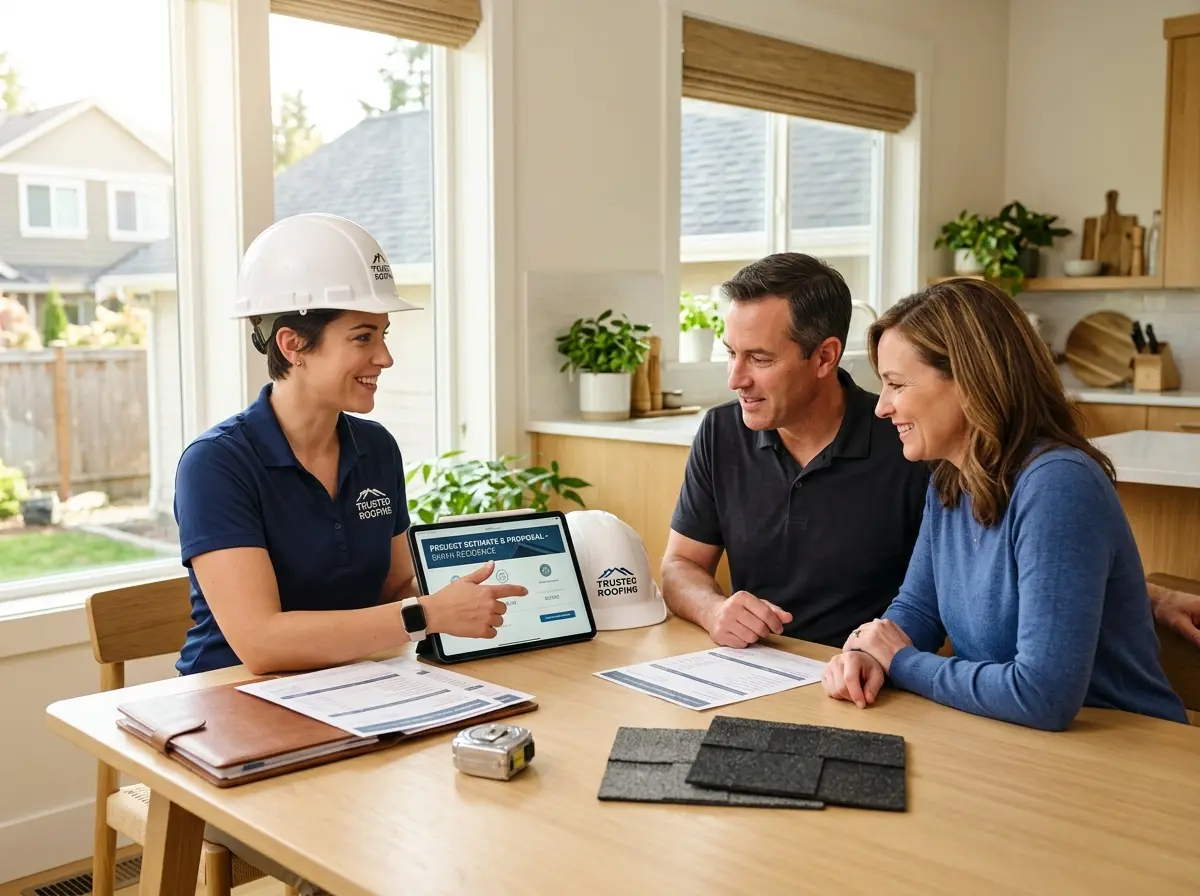
The window of opportunity after a client appointment is real — and it closes faster than you'd think. Research consistently shows that follow-up messages sent within 24 to 48 hours of an appointment see significantly higher engagement rates than those sent days later. Your client is still thinking about the experience. Their hair still looks great. Their back still feels better. Strike while the iron — and their goodwill — is hot.
Personalization Is the Difference Between Annoying and Appreciated
Choose the Right Channel for Your Audience
Email, SMS, phone calls — each channel has its place, and the best businesses use a thoughtful mix rather than defaulting to whatever is easiest. SMS open rates hover around 98%, making it excellent for short, time-sensitive messages like rebook reminders. Email works well for longer content — a post-appointment care guide, a referral program invitation, or a seasonal promotion. Phone calls, while more resource-intensive, can be highly effective for high-value clients or in industries where a personal touch makes a meaningful difference.
How Smart Tools (Like Stella) Make This Effortless
Automating Follow-Ups Without Losing the Human Touch
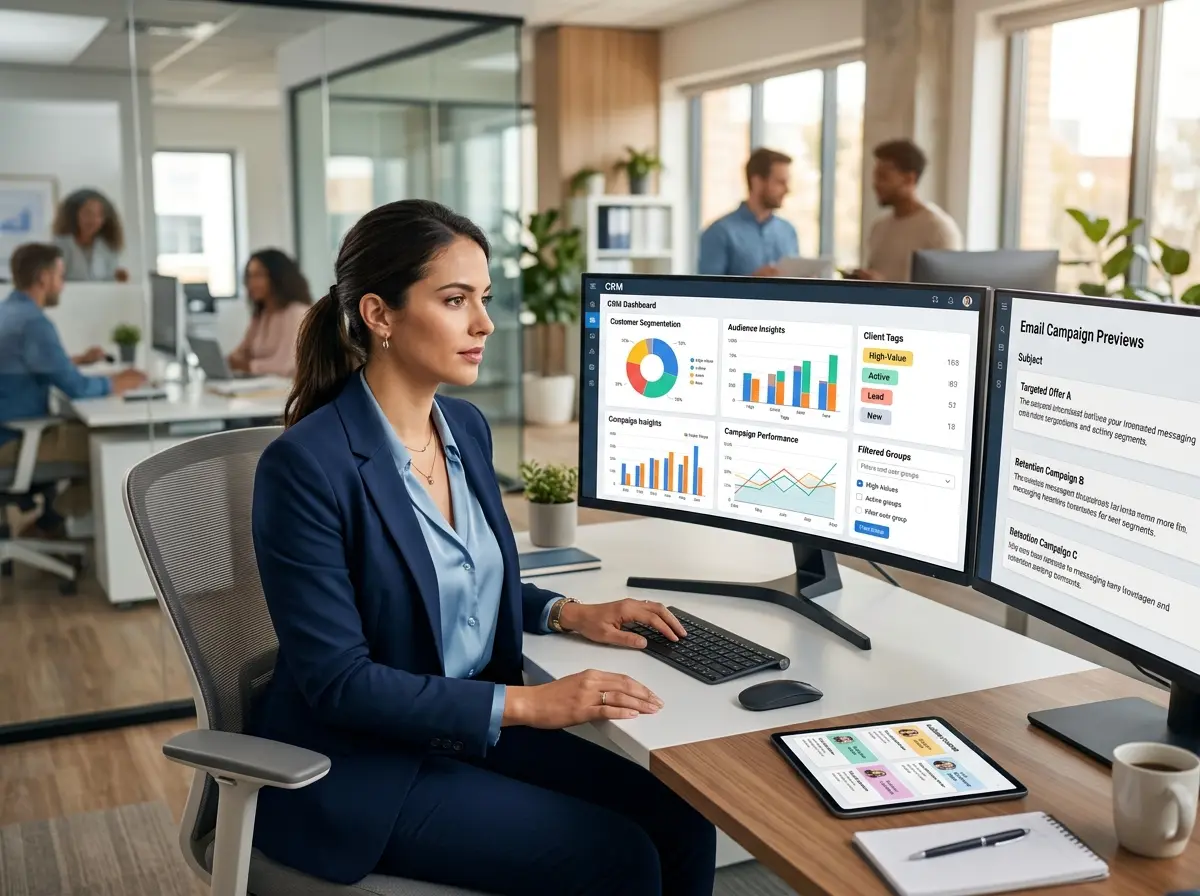
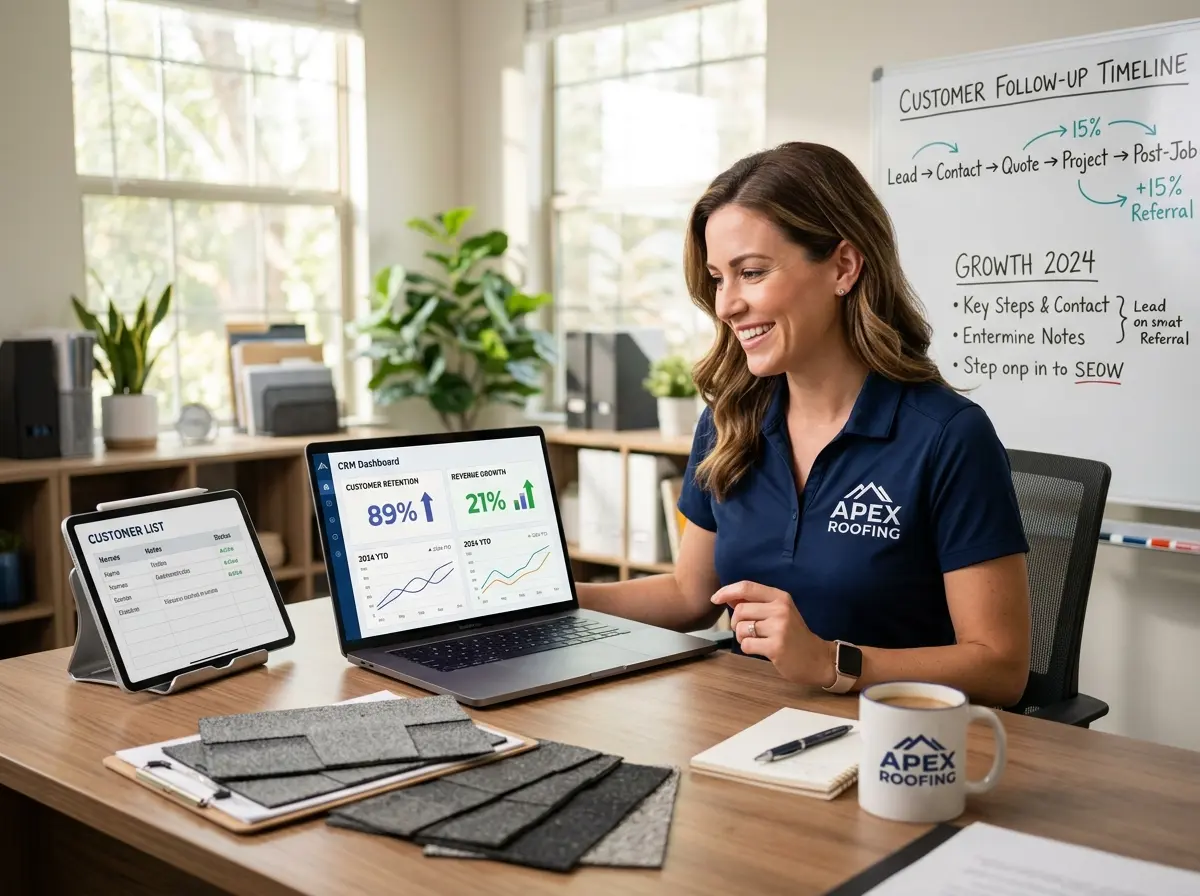
Stella, the AI robot employee and phone receptionist, fits naturally into this ecosystem. With her built-in CRM, Stella captures client information through conversational intake forms — during phone calls, at her in-store kiosk, or on the web — and stores it with custom fields, tags, notes, and AI-generated profiles. That means when it's time to send a follow-up, you're not working from a generic contact list. You're working from rich, actionable client data that makes personalization genuinely practical. And since Stella answers phones 24/7 and engages walk-in clients proactively at the kiosk, she's often the one collecting that information in the first place — without your staff having to stop what they're doing to do it.
Turning Follow-Ups Into Upsell Opportunities
The Art of the Relevant Recommendation
Rebook Incentives That Feel Like a Reward, Not a Desperation Move
Using Feedback Requests to Open the Door
Quick Reminder About Stella
Stella is an AI robot employee and phone receptionist built for businesses of all sizes — whether you have a physical location, operate entirely online, or somewhere in between. She greets and engages customers at her in-store kiosk, answers phone calls 24/7 with full business knowledge, collects client information through conversational intake forms, and manages it all inside a built-in CRM with AI-generated profiles and custom fields. At just $99/month with no upfront hardware costs, she's the kind of team member who never calls in sick and never forgets a follow-up detail.
Start Treating Follow-Ups Like the Revenue Strategy They Are
Here's what to do starting this week:
- Audit your current follow-up process. If you don't have one, that's your answer — and your opportunity.
- Map your service cycles and identify the ideal follow-up timing for each service you offer.
- Segment your client list by service type, visit frequency, and spend — then tailor your messages accordingly.
- Write two or three follow-up templates — a thank-you, a rebook reminder, and a relevant upsell — and test them over the next 30 days.
- Track your results. Rebooking rate, upsell conversion, and review generation are all measurable. Watch them improve.