Why Most Spas Are Accidentally Hanging Up on New Business
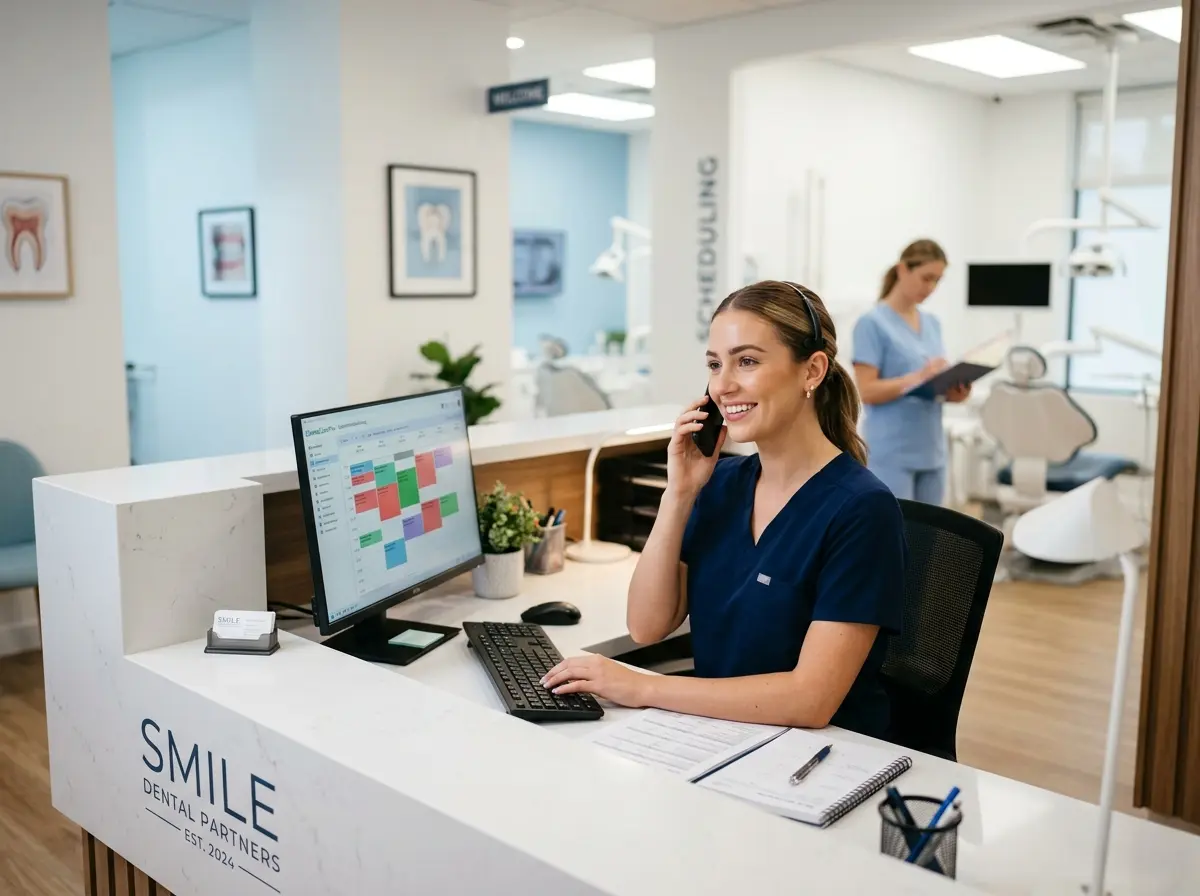
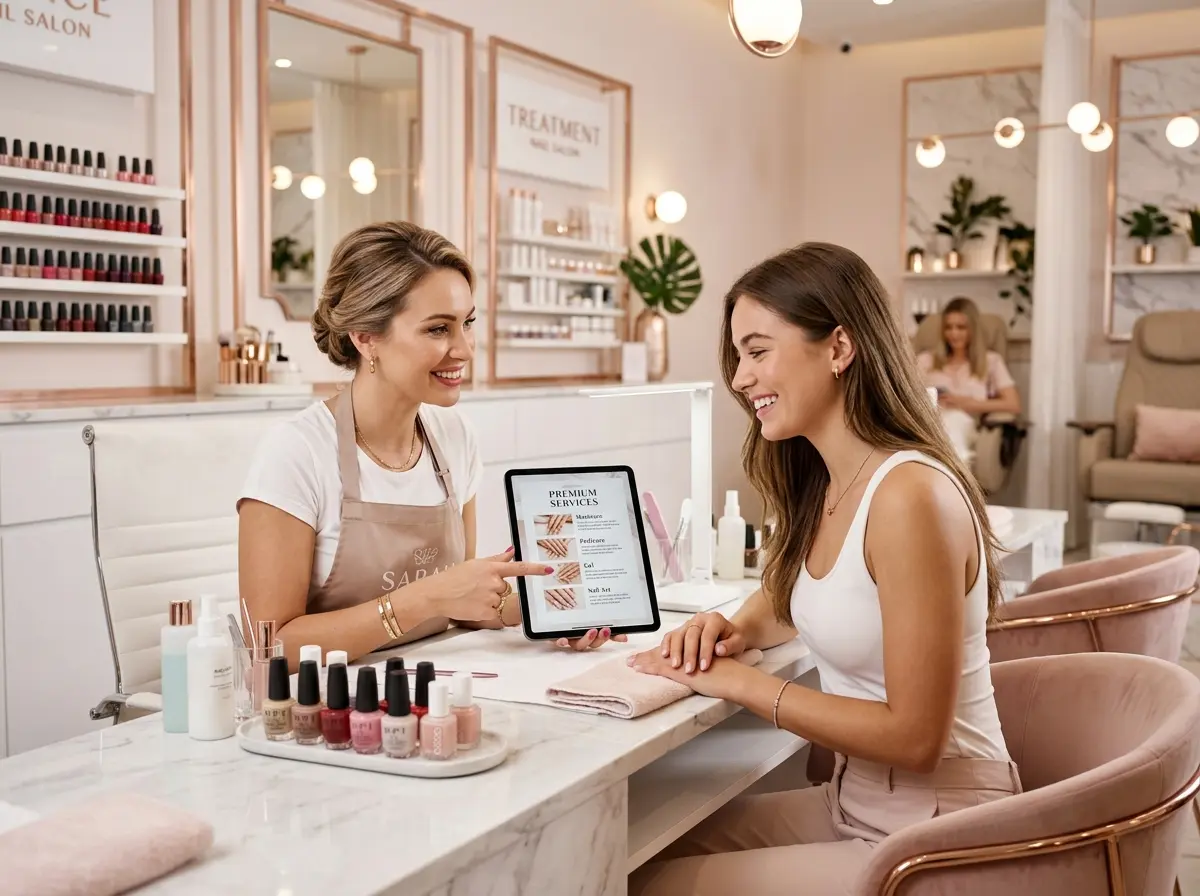
Let's set the scene. A potential client — let's call her Sarah — has finally decided to treat herself. She's been stressed, her back is screaming, and she just saw your glowing five-star reviews online. She picks up the phone, heart full of hope and wallet ready to open. Then she gets put on hold. Or worse, she gets a rushed, disinterested "Can you hold?" before she even finishes saying hello. And just like that, Sarah is booking at the spa down the street.
Here's the uncomfortable truth: most spas lose first-time callers not because of price, not because of location, but because of the phone experience. According to research from the Harvard Business Review, businesses that respond to leads within an hour are nearly seven times more likely to convert them than those who wait longer — and that's just response time, before we even get to what's actually said on the call.
The good news? A well-crafted phone script can double your booking rate from first-time callers. Not triple, not magically transform your business overnight — just double it. Which, for most spas, is an enormous deal. Let's talk about how to build one.
The Anatomy of a High-Converting Spa Phone Script
The First Ten Seconds Are Everything
You have approximately one sentence to make a first-time caller feel like they called the right place. That's it. Warm, confident, and specific beats generic every single time. Compare these two openers:
"Hello, thanks for calling, how can I help you?"
versus
"Thank you for calling Serenity Spa, this is [Name] — are you calling to book a service today or can I help you with something else?"
The second version does three things immediately: it confirms they reached the right place, introduces a human point of contact, and gently steers the conversation toward a booking. It also subtly signals that booking is the expected and welcome outcome of this call. That tiny psychological nudge matters more than most spa owners realize.
Ask Questions Before You Quote Prices
One of the most common (and costly) phone mistakes spas make is jumping straight to pricing the moment a caller asks about a service. The problem? Price without context almost always sounds expensive. Before you ever mention a number, your script should include two or three questions that help the caller feel understood and help your staff recommend the right service.
Try questions like:
- "Have you visited us before, or is this your first time?" — This segments first-timers immediately and triggers your new-client welcome language.
- "Is this for a special occasion, or more of a regular self-care visit?" — This opens the door to upsells like couples packages, gift add-ons, or multi-session memberships.
- "Do you have any areas of focus or preferences for your therapist?" — This builds trust and signals professionalism before the appointment even happens.
By the time you give a price, the caller already feels cared for. That changes everything about how they perceive your value.
Close the Call With a Booking, Not a Maybe
Here's where most scripts fall apart completely. After a lovely conversation, the receptionist says something like, "So feel free to check our website for availability!" And Sarah — who was ready to book — goes to your website, gets distracted by her kids, forgets, and never calls back. Script closed. Opportunity lost.
Your closing sequence needs to assume the booking. Try: "I'd love to get you set up — do mornings or afternoons work better for you this week?" This is a classic commitment close, and it works beautifully in service settings because it respects the caller's time while moving things forward. If they're not ready, they'll say so — but many callers simply need someone to take the lead.
How Technology Can Handle the Calls You're Missing
The Calls That Happen After Hours (And During Your Busiest Moments)
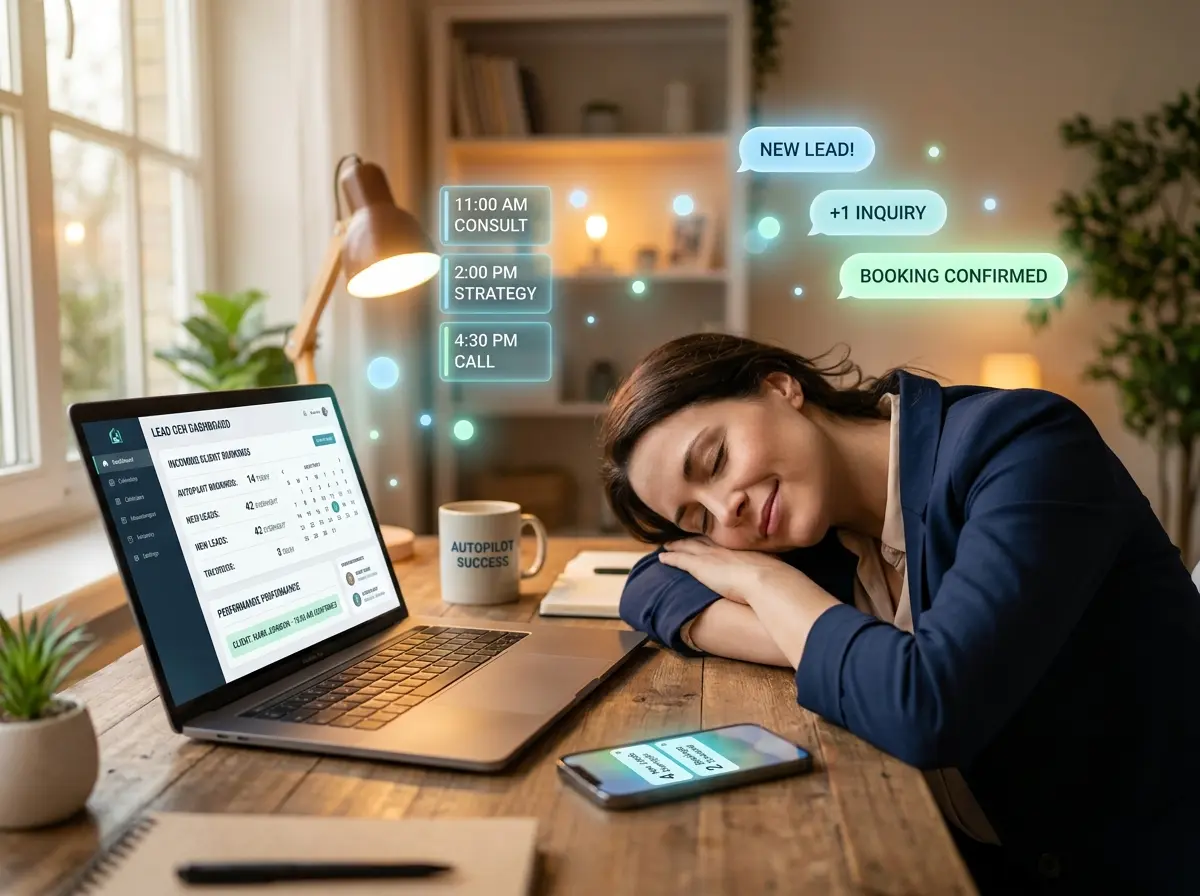
Even the most perfectly trained front desk team has limits. They're human — they need breaks, they get overwhelmed during a Friday afternoon rush, and they certainly aren't answering phones at 11 PM when someone is lying in bed finally deciding to book that massage they've been putting off for three months. If your spa isn't handling those calls, you're not just losing a booking — you're handing it to a competitor who is.
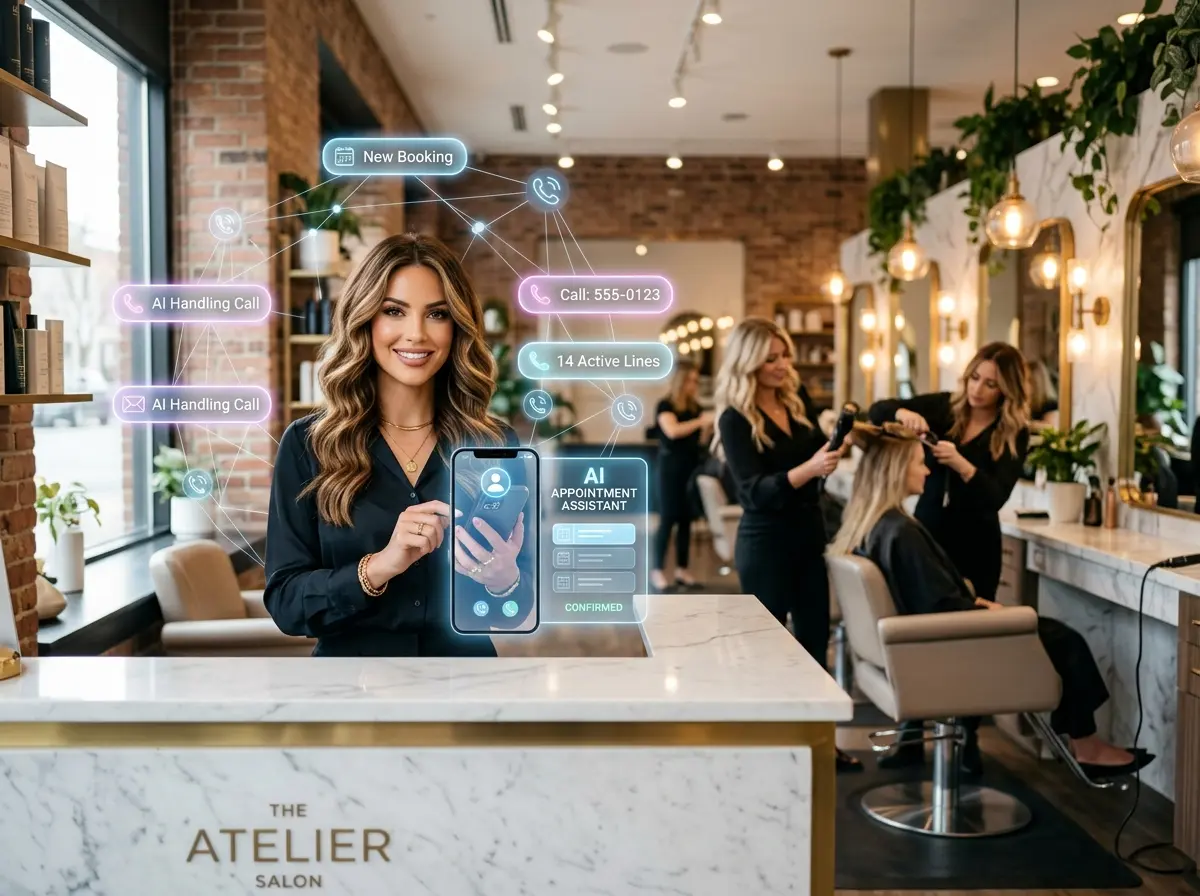
This is exactly where Stella comes in. Stella is an AI robot employee and phone receptionist that answers calls 24/7 using the same knowledge about your services, pricing, promotions, and policies that a trained staff member would have. She can walk callers through your service menu, collect intake information through conversational forms, and ensure that no first-time caller ever lands in a voicemail black hole again. Her built-in CRM automatically captures caller details, tags new clients, and generates AI summaries so your team walks in Monday morning knowing exactly who called and what they need. For a spa trying to tighten up its booking funnel, that kind of coverage is genuinely hard to overstate.
Training Your Team to Deliver the Script Consistently
Role-Playing Is Uncomfortable and Absolutely Necessary
No one enjoys role-playing phone calls with their manager. It's awkward, it feels performative, and your staff will absolutely complain about it (at least internally). Do it anyway. Research consistently shows that staff who practice scripts through role-play retain the language and deliver it more naturally than those who simply read a printed guide once during onboarding. Aim for brief, weekly practice sessions rather than a single marathon training day. Muscle memory builds gradually, and your script needs to sound natural — not recited.
Record actual calls when possible (with appropriate disclosure per your local laws) and review them together as a team. You'll quickly identify where conversations go off-script, where callers hesitate, and where the booking question is getting fumbled. This kind of real-data coaching is worth far more than hypothetical training scenarios.
Build a Script That Has Room to Breathe
A great phone script is not a telemarketing read-aloud. It's a framework — key phrases, specific questions, and deliberate transitions that your team internalizes and delivers conversationally. If callers can tell they're being read to, you've already lost the warmth that makes spa booking feel special. Give your team the core structure, let them find their own voice within it, and correct the substance rather than the style. The goal is consistency in outcome, not uniformity in tone.
Measure What Actually Matters
You can't improve what you don't track. Start measuring your call-to-booking conversion rate right now — even if it's just asking staff to mark a simple tally at the end of each day. Once you have a baseline, you can A/B test script variations, track results by staff member, and identify your peak call windows where additional coverage might be worth the investment. Data turns guesswork into strategy, and for a spa owner managing tight margins, strategy is everything.
Quick Reminder About Stella
Stella is an AI robot employee and phone receptionist designed for businesses like yours — she answers calls around the clock, greets walk-in clients in person at her kiosk, and handles intake, promotions, and customer questions without ever needing a coffee break. At $99/month with no upfront hardware costs, she's built to give small and mid-sized spas the kind of professional, always-on presence that was previously out of reach.
Your Next Steps Toward a Spa That Never Misses a Booking
Building a phone script that doubles your first-time booking rate isn't complicated, but it does require intentionality. Start by auditing your current call experience — if possible, have a trusted friend call your spa as a mystery shopper and report back honestly. Then build your script around three pillars: a warm, specific greeting that confirms you're the right place; discovery questions that establish trust before price; and a confident, assumption-based close that moves callers toward a booking rather than a maybe.
Train your team consistently, measure your results from the start, and fill the coverage gaps — after hours, during peak rushes, and on days when your best receptionist calls in sick — with technology that holds the standard even when humans can't. Your phone is one of your highest-converting sales channels. Treat it like one.
Sarah is out there right now, looking for a spa that makes her feel taken care of before she even walks through the door. Make sure when she calls, someone — or something — answers with exactly the right words.