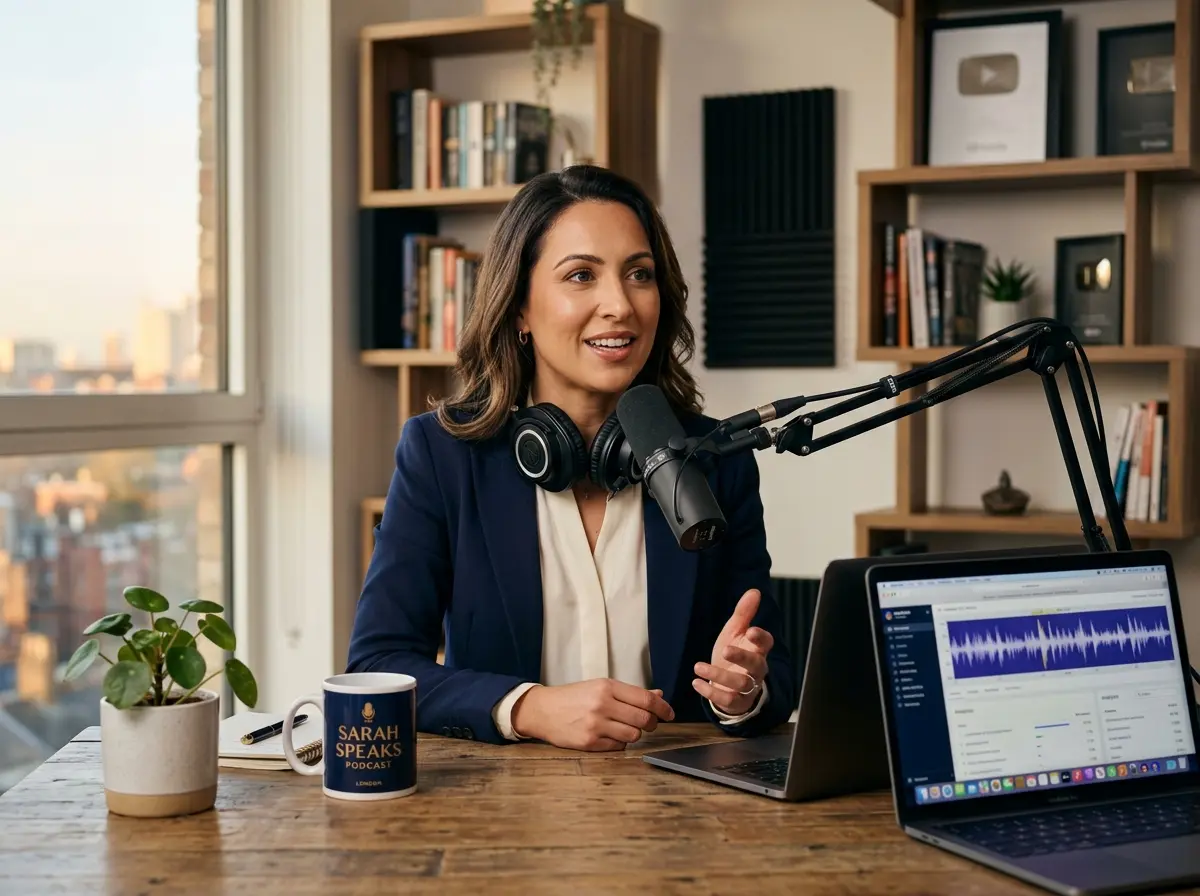
So You Want to Stand Out as a Local Service Business. Have You Tried Podcasts?
Let's be honest — if you're running a local service business, your marketing strategy probably looks something like this: a Facebook page you update when you remember, a Google Business Profile with photos from 2019, and a vague hope that word-of-mouth will carry you through the slow season. And hey, no judgment. You're busy actually running a business.
But here's the thing: your competitors are busy doing the same thing. Which means there's a glorious, wide-open opportunity sitting right in front of you — and most local business owners are completely ignoring it. That opportunity is podcast marketing.
Now before you close this tab, hear us out. You don't need a professional studio, a radio voice, or a media degree. What you need is a strategy, a microphone (a decent USB one runs about $50), and the willingness to show up consistently. Podcast listeners are one of the most loyal, engaged audiences on the internet — and they're actively looking for local experts they can trust. That could be you.
According to Edison Research, over 135 million Americans listen to podcasts monthly, and podcast listeners are 45% more likely to have a college degree and earn higher household incomes than the general population. In other words, this audience has money and they're looking for service providers they actually like. Let's talk about how to get in front of them.
Why Podcasting Works Brilliantly for Local Service Businesses
You're Already the Expert — So Act Like It
Here's a secret that marketers charge thousands of dollars to tell you: people hire service providers they trust, and they trust people who demonstrate expertise. A plumber who hosts a podcast called "Home Maintenance Unplugged" isn't just a plumber anymore — they're the plumber. The one who explains things, who educates, who clearly knows their craft inside and out.
This is called authority positioning, and podcasting does it better than almost any other medium. Unlike a social media post that disappears in 48 hours or a blog article that requires someone to actively search for it, a podcast episode lives in someone's earbuds during their morning commute, their gym session, or their grocery run. You get 20 to 40 uninterrupted minutes to build a relationship with a potential customer — without spending a dime on ads.
Local Topics Are Podcast Gold
You might be wondering what on earth you'd talk about for 30 minutes every week. Quite a lot, as it turns out. A local HVAC company could cover seasonal maintenance tips, energy efficiency upgrades, and common mistakes homeowners make before winter. A spa or salon could discuss skincare routines, product spotlights, and what to actually expect from various treatments. A law firm could demystify confusing legal processes that their clients always ask about.
The key insight here is that your best podcast content is already hiding in your daily operations. Every question a customer asks you, every common misconception you correct, every "I wish people knew this before they called" moment — those are your episodes. Your business is already generating content. You just need to hit record.
Podcasting Builds Referral Networks, Not Just Audiences
One often-overlooked benefit of local business podcasting is the networking power it unlocks. When you invite other local business owners as guests — the realtor who refers clients to your home staging service, the gym owner whose members might love your sports massage practice — you're building reciprocal relationships while creating content at the same time. Your guest shares the episode with their audience. Their audience discovers you. Everyone wins, and it cost you a Tuesday afternoon.
Getting Your Infrastructure Right (Before You Worry About Going Viral)
Set Up Your Business to Handle the Influx
Here's the part of the podcast marketing conversation that nobody talks about: what happens when it actually works. You publish a few episodes, someone influential shares one, and suddenly your phone is ringing more than usual and people are walking into your shop having already listened to three episodes of your show. Are you ready for that?
This is where a lot of small businesses accidentally drop the ball. New leads call after hours and get voicemail — or worse, no answer at all. Walk-in customers get ignored while staff are busy. The momentum you built through great content evaporates because the customer experience doesn't match the professional impression your podcast created. That's a painful irony.
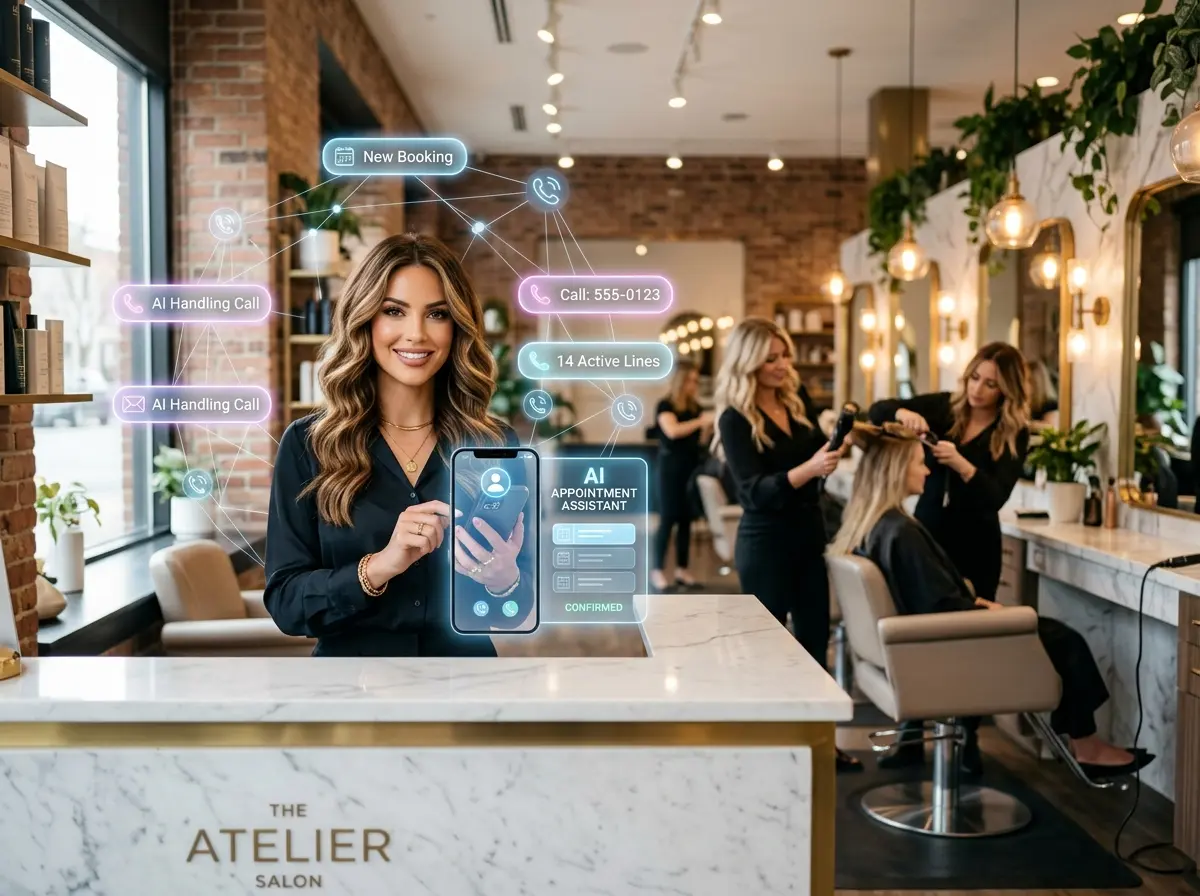
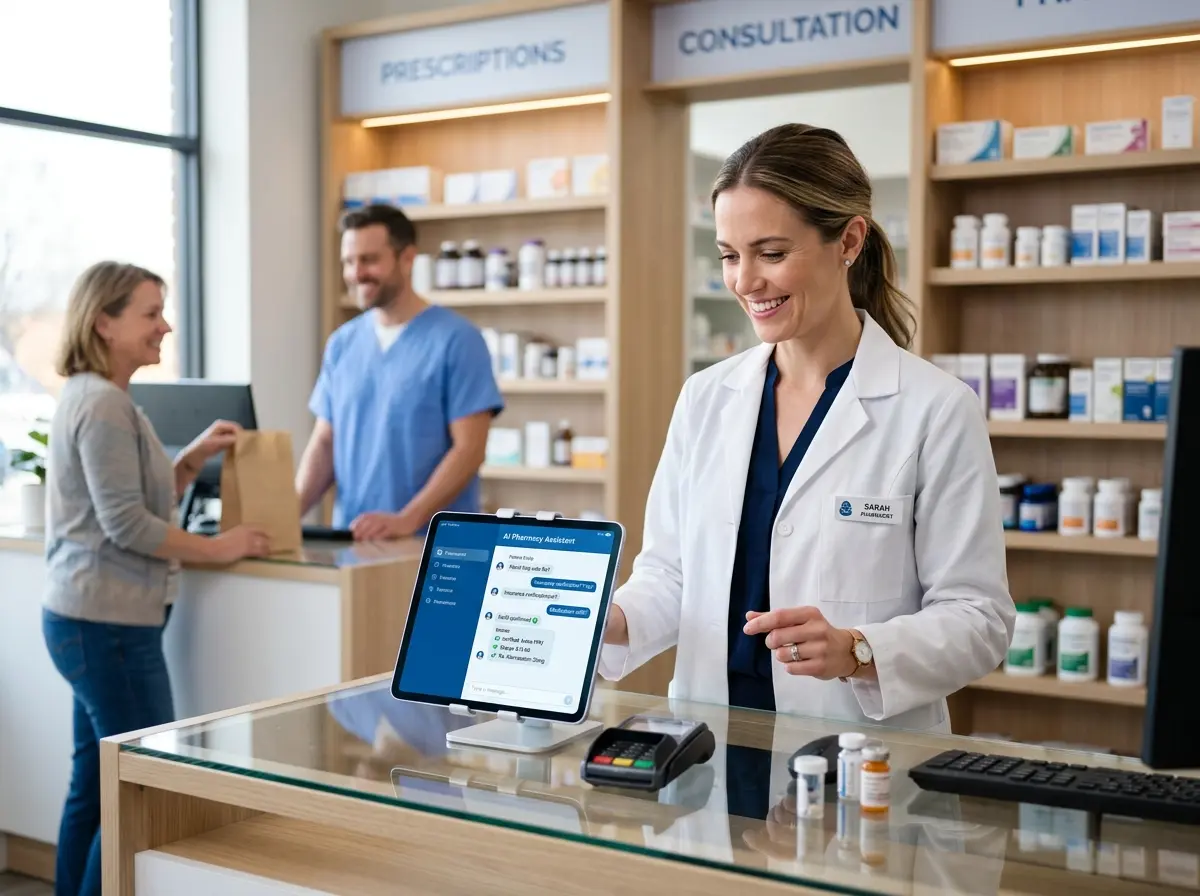
Stella — the AI robot employee and phone receptionist — is built exactly for this scenario. For businesses with a physical location, Stella stands in-store as a friendly, human-sized kiosk that proactively greets customers, answers questions, and promotes your current specials, all without pulling your staff away from their actual jobs. For phone calls, she answers 24/7 with the same business knowledge she uses in person, meaning a new listener who calls at 9pm on a Saturday still gets a professional, informed response. She can even collect customer information through conversational intake forms and manage contacts through her built-in CRM — so every new lead your podcast generates is captured, organized, and ready for follow-up. Your podcast builds the audience. Stella makes sure you don't lose them.
Building and Promoting Your Podcast for Maximum Local Impact
The First 10 Episodes Are Your Foundation
Resist the urge to launch with a single episode and pray for downloads. Instead, record your first three to five episodes before you publish anything. This gives new listeners a binge-worthy library right out of the gate, and it gives you time to find your rhythm before anyone's watching. Think of it as a soft opening.
For your first ten episodes, focus exclusively on the questions your best customers already ask you. Don't try to be clever or contrarian yet — just be genuinely useful. "What to Expect During Your First Appointment With Us" might not be the sexiest episode title ever conceived, but it will get listened to by every single person who's considering booking with you for the first time. That's called conversion content, and it's incredibly valuable.
Distribute Everywhere, But Show Up Locally on Purpose
Yes, you should be on Spotify, Apple Podcasts, and Google Podcasts — those are non-negotiable. But don't neglect the local channels. Embed your podcast episodes in your Google Business Profile posts. Share clips in local Facebook community groups (where allowed). Partner with local newsletters and community blogs to feature episodes. Reach out to local news outlets — a local business owner with a podcast is a more interesting story than you might think.
You should also cross-promote across your existing touchpoints. Put a QR code linking to your podcast on your receipts, business cards, and waiting room signage. Mention it in your email signature. If you have a physical location, consider a small sign near the entrance: "Listen to our podcast!" — customers who are already in your shop are warm leads for becoming loyal listeners.
Repurpose Everything — Work Smarter, Not Harder
One 30-minute podcast episode can generate an enormous amount of supporting content if you approach it systematically. The audio becomes a podcast episode. A transcript becomes a blog post. Key quotes become social media graphics. A short highlight clip becomes a Reel or TikTok. A summary becomes an email newsletter. You essentially create once and distribute many times, which is how small businesses with limited marketing resources can punch well above their weight.
Tools like Descript, Riverside.fm, and Otter.ai make transcription and clip creation accessible even for the least tech-savvy business owner. Budget a couple of hours after each recording session for repurposing, and you'll have a week's worth of marketing content from a single conversation.
Quick Reminder About Stella
Stella is an AI robot employee and phone receptionist designed to help local service businesses run more smoothly and look more professional — whether that's greeting customers in-store as a friendly kiosk or answering phone calls around the clock as a knowledgeable virtual receptionist. At just $99/month with no upfront hardware costs, she's an affordable way to make sure every customer touchpoint — especially the ones your podcast sends your way — gets the attention it deserves. Think of her as your most reliable employee, minus the sick days.
Your Next Steps Toward Becoming the Local Expert Everyone's Listening To
Podcast marketing isn't a magic bullet, and anyone who tells you otherwise is trying to sell you a course. What it is, however, is one of the most sustainable, relationship-driven, and cost-effective marketing strategies available to local service businesses today — and most of your competitors haven't figured that out yet. That window won't stay open forever.
Here's how to get started without overwhelming yourself:
- Pick a narrow, relevant topic for your podcast and write down 20 potential episode ideas before you buy a single piece of equipment. If you can't fill 20 episodes, niche down further.
- Get a basic setup: a USB microphone like the Blue Yeti or Audio-Technica ATR2100, a quiet room, and a free recording tool like Audacity or Riverside.fm's free tier.
- Record your first three episodes before launching anything. Don't perfect them — just finish them.
- Submit to major directories through a hosting platform like Buzzsprout, Podbean, or Anchor. This takes about 30 minutes.
- Tell every customer you have. Your existing audience is your launch audience. Use them.
- Make sure your business can handle new interest — missed calls and unattended walk-ins are lead killers, so make sure your customer experience infrastructure matches the professional brand your podcast is building.
The local service businesses that win in the next decade will be the ones that built real relationships at scale — not just the ones who ran the most ads. Podcasting is how you do that. Your expertise is already there. It's time to share it.