Why Your Clothing Boutique Needs Personal Styling — And How to Make It Work
Let's be honest: customers walk into clothing boutiques every single day, grab a few items off the rack, disappear into the fitting room, emerge looking mildly confused, and then leave empty-handed. Sound familiar? The problem isn't your inventory. The problem is that most shoppers genuinely don't know how to dress themselves — and that's not an insult, it's an opportunity.
Personal styling services are one of the most underutilized revenue streams available to boutique owners today. While you've been busy restocking shelves and managing inventory, savvy boutiques across the country have been quietly building loyal, high-spending clientele through one-on-one styling experiences that turn casual browsers into devoted regulars. According to the fashion industry research firm Edited, personalized shopping experiences can increase average order value by up to 30%. That's not pocket change — that's a new display case or a well-deserved weekend away.
This post is your practical roadmap for launching a personal styling service from scratch, pricing it smartly, and delivering an experience that keeps clients coming back with their wallets wide open.
Building Your Personal Styling Service From the Ground Up
Adding a service offering to a product-based business feels intimidating, but it doesn't have to be. Think of personal styling less like reinventing your boutique and more like packaging the expertise you're already giving away for free every time a customer asks, "Does this make me look okay?"
Defining Your Service Tiers
The most successful boutique styling programs offer tiered options to accommodate different budgets and commitment levels. A simple three-tier structure works beautifully for most small boutiques:
- Style Consultation (30–45 minutes): A focused session where a stylist assesses the client's lifestyle, body type, color preferences, and wardrobe gaps. This is your entry-level offering — low commitment, high value, excellent for first-timers.
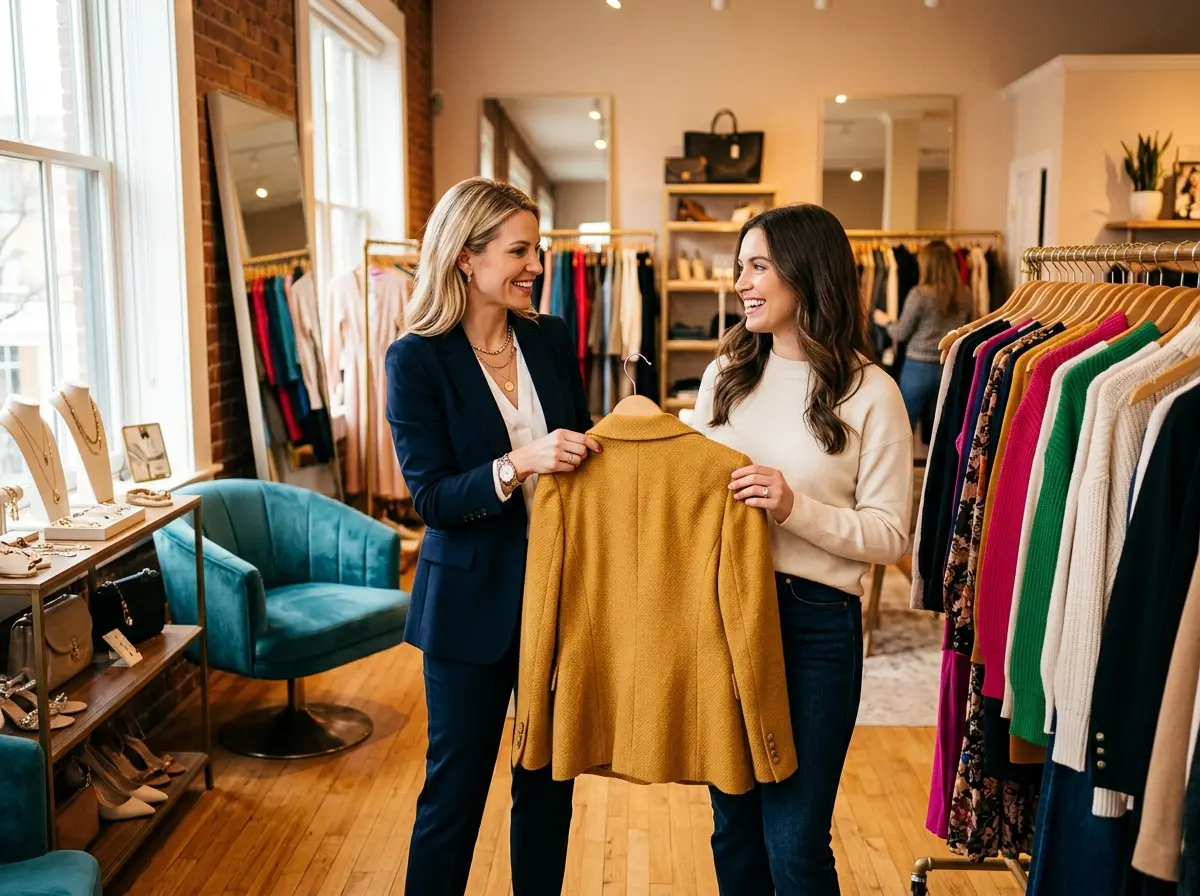
- Full Styling Session (90 minutes–2 hours): The complete experience. Curated looks, outfit building, fitting room assistance, and personalized shopping recommendations. Often bundled with a minimum purchase requirement.
- Wardrobe Refresh Package: A premium, multi-session service that includes a closet audit (potentially done virtually), a shopping appointment, and follow-up styling support. This is your flagship — price it accordingly.
Don't be afraid to charge real money for these services. A 90-minute styling session is legitimately worth $75–$150 depending on your market. Many boutiques offer the fee as a credit toward purchases, which removes the psychological barrier for new clients and almost guarantees a sale.
Training Your Team (Or Yourself)
You don't need a degree from a fashion institute to offer styling services — but you do need confidence, consistency, and a genuine understanding of your inventory. Start by documenting your boutique's aesthetic and the customer profiles you serve best. Are you dressing young professionals? Weekend moms? Women returning to the workforce? The more clearly you define your niche, the more effectively your team can style within it.
Invest in some basic styling education — there are excellent online courses from platforms like Coursera and Skillshare — and build a simple styling intake questionnaire that stylists use with every client. Consistency is what separates a professional service from a well-meaning chat in the fitting room hallway.
Marketing Your New Offering Without Overthinking It
Here's where many boutique owners stall: they build the service, then quietly hope someone notices. Don't do that. Announce your styling services boldly on Instagram, Facebook, and in your email newsletter. Create a simple booking link using tools like Calendly or Square Appointments. Film a short, genuine video explaining what a session looks like. Feature before-and-after styling stories (with client permission) on your social channels. The goal is to make the service feel tangible and approachable — not exclusive or intimidating.
Streamlining Client Experience With the Right Tools
Letting Technology Handle the Logistics
Here's a truth most boutique owners reluctantly accept: the part of the job that requires your human creativity and warmth should not be spent answering the same five questions about store hours, appointment availability, and parking. That's where Stella comes in. Stella is an AI robot employee and phone receptionist that greets customers as they walk into your boutique, answers their questions about your styling services, promotes your current offerings, and handles incoming calls 24/7 — so your team can stay focused on delivering exceptional styling experiences rather than running to the phone mid-appointment.
When a potential styling client calls after hours to ask about pricing or availability, Stella answers professionally, collects their information through conversational intake forms, and delivers an AI-generated summary straight to your phone. Your front-of-house experience looks polished and buttoned-up from the very first interaction — which, when you're selling a luxury-adjacent service like personal styling, matters enormously.
Pricing, Packaging, and Protecting Your Profit Margins
Launching a styling service is exciting. Accidentally undercharging for it and burning out your staff is less exciting. Let's make sure that doesn't happen.
How to Price With Confidence
The biggest pricing mistake boutique owners make with service offerings is anchoring the price to their discomfort rather than to the value delivered. A skilled stylist who helps a client build five complete, confidence-boosting outfits in 90 minutes has delivered enormous value. Price accordingly.
Research what personal stylists in your area charge for independent sessions — rates typically range from $50 to $300 per hour depending on location and expertise. Position your boutique's service slightly below independent stylists (you have the advantage of inventory on-site) but above what feels like a "freebie." A purchase credit model works well here: charge $100 for a full styling session and apply that $100 as a store credit upon purchase. The client feels like they got the service for free; you've all but guaranteed a $100+ sale.
Creating Packages That Encourage Repeat Business
Seasonal styling packages are your best friend. Offer a "New Season Refresh" package each quarter — a curated session timed to your new arrivals — and sell it as a subscription or prepaid bundle. Clients who commit to four sessions a year spend significantly more annually than one-time visitors, and they become your most powerful word-of-mouth marketers. Consider adding exclusive perks for package clients: early access to new inventory, a small seasonal gift, or a loyalty discount on accessories. These touches cost very little and create an outsized sense of belonging.
Tracking What's Actually Working
If you're not measuring the performance of your styling service, you're flying blind in a fashionable airplane. Track average transaction value for styled clients versus walk-in customers. Monitor booking rates, cancellation rates, and repeat appointment frequency. Survey clients after their sessions — a simple three-question email goes a long way. Use this data to refine your service tiers, adjust pricing, and double down on whatever is converting best. Data doesn't have to be glamorous to be useful.
Quick Reminder About Stella
Stella is an AI robot employee and phone receptionist available for just $99/month with no upfront hardware costs. She greets customers in your boutique, answers calls around the clock, promotes your styling services, and collects client information — all without taking a lunch break or calling in sick. For boutiques investing in elevated service experiences, having a reliable, professional front-of-house presence (human and AI) makes a real difference.
Your Next Steps Toward a Styling-Forward Boutique
Personal styling isn't a trend reserved for high-end department stores or celebrity wardrobe consultants. It's a legitimate, scalable service offering that boutiques of every size can launch, price confidently, and grow strategically. The boutiques winning right now aren't just selling clothes — they're selling an experience, a transformation, and a relationship. That's what keeps customers choosing you over a faceless online retailer with free two-day shipping.
Here's your action plan:
- Define your service tiers and write out exactly what each one includes.
- Set your pricing using the purchase credit model as your starting point.
- Create a booking system so clients can schedule without calling during your busiest hours.
- Train your team with a consistent intake process and styling framework.
- Announce it everywhere — your website, social media, email list, and in-store signage.
- Measure your results after the first 60 days and adjust accordingly.
Your boutique already has the inventory, the expertise, and the customer relationships to make personal styling work. All that's left is the decision to start — and the confidence to charge what it's worth.