Introduction: The Private Dining Goldmine You Might Be Leaving on the Table
Let's be honest — running a restaurant is not for the faint of heart. Between managing staff, controlling food costs, handling the Friday night chaos, and somehow finding time to eat a meal that isn't standing over a prep station, it's a lot. So when someone calls asking about booking a private dining event for 40 people, the last thing you want is for that call to go to voicemail, get forgotten, or be fumbled by a distracted server who writes the details on a napkin that ends up in the fryer.
Private dining and event bookings represent one of the most lucrative, underutilized revenue streams in the restaurant industry. According to the National Restaurant Association, private events and catering can account for anywhere from 20% to 40% of a restaurant's total revenue — and that's before you factor in upsells like premium bar packages, custom menus, and AV setups. Yet many restaurants still treat event bookings as an afterthought, relying on informal processes that lose leads, frustrate customers, and leave serious money on the table.
This guide will walk you through how to build a private dining and event booking operation that actually works — one that captures every lead, converts inquiries into confirmed bookings, and makes your restaurant the go-to destination for corporate dinners, birthday celebrations, rehearsal dinners, and everything in between.
Building a Private Dining Program Worth Booking
Define Your Space and What It Can Actually Offer
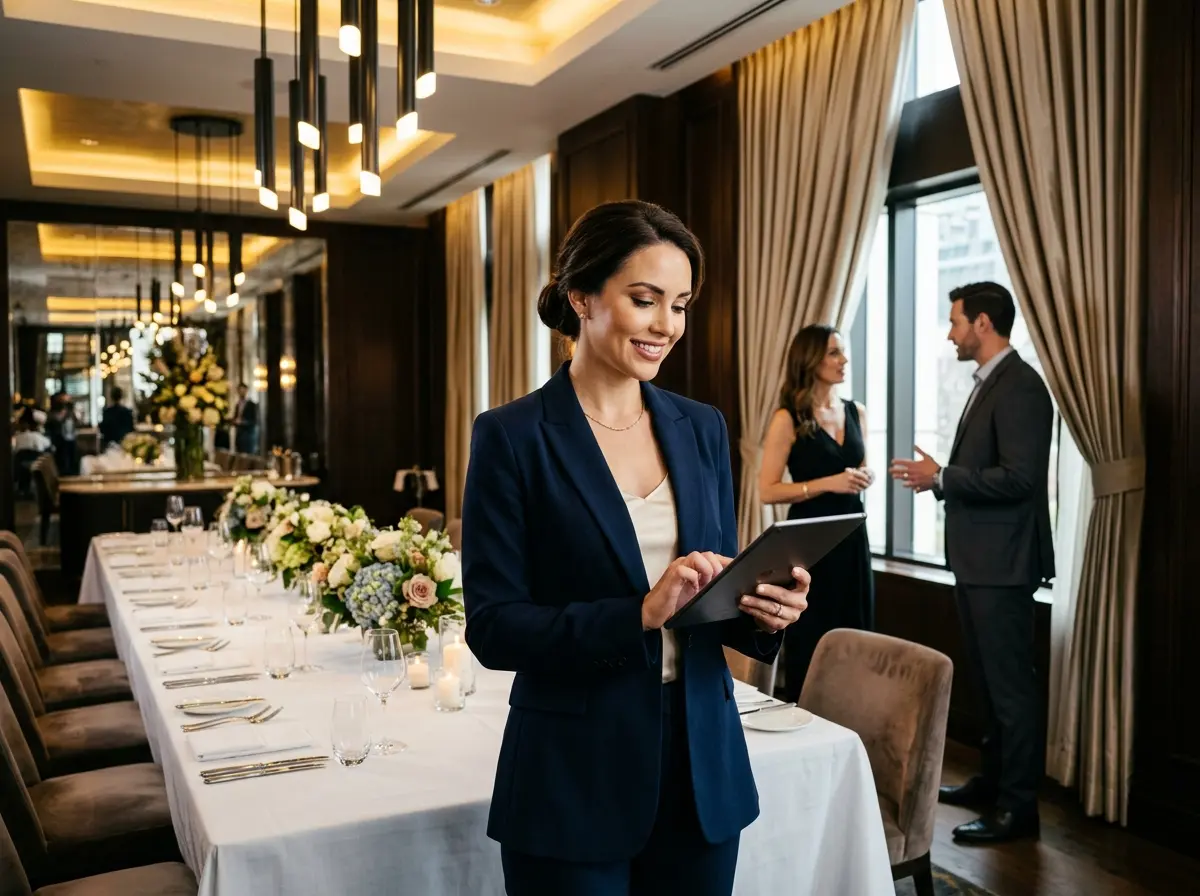
Before you market anything, you need to get brutally honest about what your private dining experience actually is. A semi-private corner sectioned off by a half-wall and a curtain is not the same as a fully enclosed dining room with dedicated staff — and pricing them the same is a fast track to bad reviews and refund requests.
Start by clearly categorizing your available spaces. Do you have a fully private room? A semi-private section? Can you close the entire restaurant for buyouts? Each option should have its own defined capacity (both minimum and maximum), its own pricing structure, and its own set of available add-ons. Clients love clarity, and clarity helps you qualify leads faster. When someone asks "can you accommodate 80 people for a seated dinner?" you should have an answer ready in about four seconds, not after three phone calls and a tape measure.
Create Tiered Packages That Do the Upselling For You
The fastest way to increase your average event revenue is to offer tiered packages that make the premium option look attractive without requiring a hard sell. Think of it like a flight booking — most people don't want the bare-bones experience once they see what business class includes for just a little more.
A simple three-tier structure works well for most restaurants. Your base package might include the room, a set menu, and standard service. Your mid-tier adds a welcome reception, a custom centerpiece, and a dedicated event server. Your premium tier includes the full buyout, a sommelier-curated wine pairing, branded menus, and a personalized dessert. The beauty of this structure is that customers self-select, and you're not in the uncomfortable position of pitching extras to someone who just wants a room for their kid's graduation dinner. The menu does it for you.
Nail the Minimum Spend Model
If you're not using minimum spend requirements for private dining bookings, stop reading this and go fix that immediately. A minimum spend policy protects your revenue per available seat, ensures the event is actually worth the kitchen and staffing effort, and helps filter out low-budget inquiries that would tie up your best real estate on a Saturday night.
Be transparent about minimums on your website and in your initial inquiry responses. Clients who balk at a $2,500 minimum spend for a Friday evening buyout were probably not your ideal customer anyway. Meanwhile, the corporate planner organizing a quarterly team dinner will appreciate knowing the parameters upfront — it makes their job easier and positions you as a professional operation.
How Streamlined Intake and Follow-Up Can Transform Your Booking Rate
Stop Losing Leads at the First Point of Contact
Here's where most restaurants leak revenue without even realizing it: the initial inquiry. Someone finds your restaurant, gets excited about your private dining space, and calls — only to be put on hold, transferred twice, or told "let me have our events coordinator call you back." By the time that callback happens (if it happens), they've already booked somewhere else.
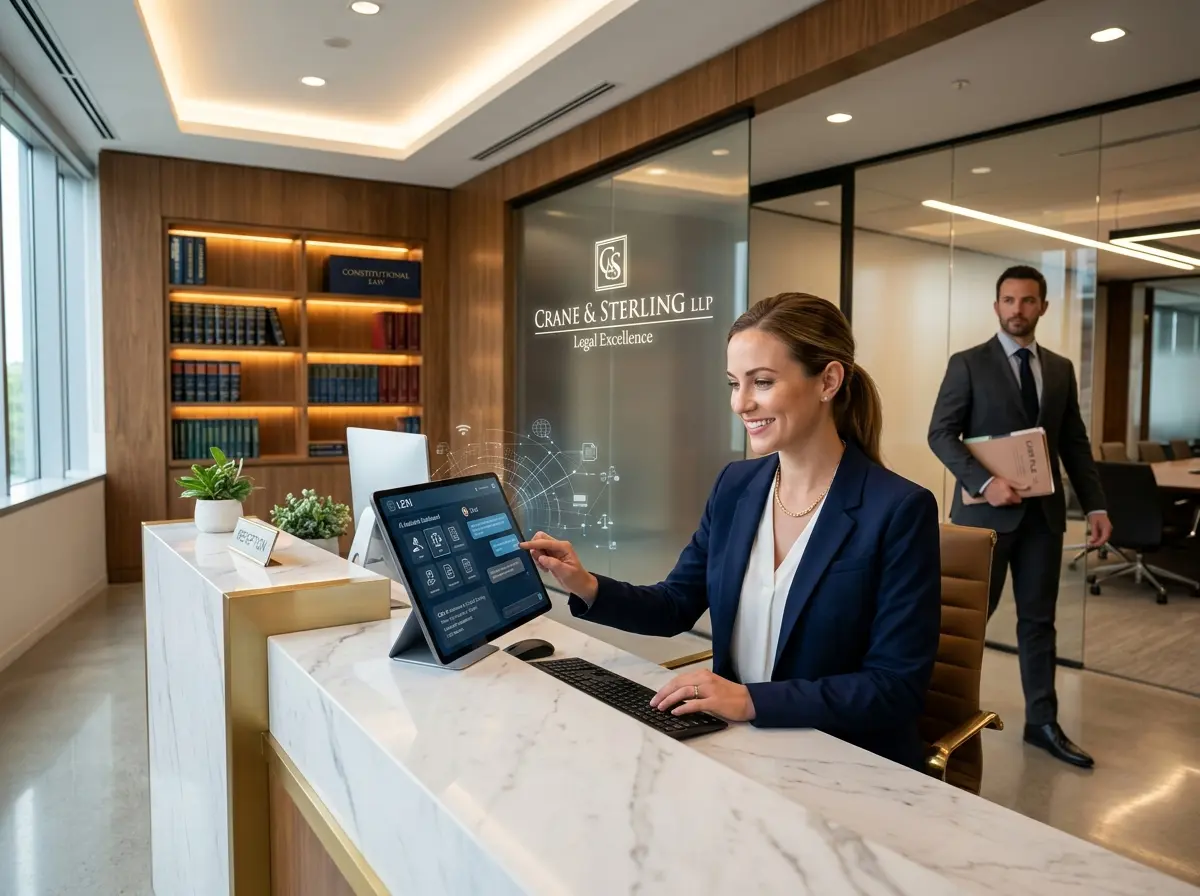
Stella, the AI robot employee and phone receptionist, can handle exactly this scenario — and she never puts someone on hold to go find the manager. Whether she's greeting walk-in customers at her in-store kiosk or answering phone inquiries at 10 PM on a Tuesday, Stella is trained on your restaurant's specific offerings, event packages, pricing, and availability parameters. She can collect full event inquiry details — party size, date, occasion type, budget range, contact information — through a conversational intake process and push those details directly into her built-in CRM, complete with AI-generated customer profiles and tags. Your events coordinator walks in the next morning with a fully organized lead waiting for them, not a napkin with a phone number.
Marketing Your Private Dining Space Like It's Actually a Product
Your Private Dining Space Deserves Its Own Landing Page
One of the most common mistakes restaurants make is burying private dining information somewhere in the navigation menu under "More" or "About Us." Your private dining offering is a distinct product with its own audience, its own buying journey, and its own price point. It deserves a dedicated landing page — not a paragraph at the bottom of your main menu page.
A strong private dining landing page should include professional photos of the space (ideally with a setup that looks like an actual event, not an empty room with fluorescent lights), clear package descriptions and pricing ranges, your minimum spend policy, a simple inquiry form, and testimonials from past event hosts. If you have capacity for corporate buyouts, say so explicitly — corporate clients search for venues deliberately, and showing up in those search results requires using the right language on your website.
Leverage Corporate and Repeat Clients Like Your Business Depends on It (It Might)
Corporate clients are the private dining holy grail. They book frequently, they have budgets approved in advance, they're less likely to haggle over minimum spends, and — if you treat them well — they come back every quarter for the team dinner, every December for the holiday party, and every time a client needs impressing over a meal.
Build a targeted outreach strategy for local businesses within driving distance of your restaurant. A well-crafted introductory email to office managers, executive assistants, and event coordinators at nearby companies can generate more reliable recurring revenue than almost any consumer-facing marketing campaign. Offer a corporate account program with perks like priority booking, a dedicated point of contact, and flexible billing. Make it easy for them to choose you over the competition — and then make sure the experience lives up to the pitch.
Use Your Existing Customers as a Booking Pipeline
Your regular diners are already sold on your food, your atmosphere, and your service. They're also the most likely candidates to book a private event — or to refer someone who will. Train your floor staff to mention upcoming availability or special event packages in natural conversation. A simple "by the way, we have a beautiful private room if you're ever planning something special" at the end of a great meal plants a seed that often bears fruit months later when someone's planning a milestone birthday or a work celebration.
Consider a modest referral incentive for customers who book private events after being referred by another guest. It doesn't need to be elaborate — a complimentary dessert or a small discount on their next personal visit is often enough to create a referral habit among your most loyal regulars.
Quick Reminder About Stella
Stella is an AI robot employee and phone receptionist built for businesses like yours — she greets customers in person at her kiosk, answers calls 24/7, captures leads through conversational intake forms, and keeps everything organized in a built-in CRM. She runs on a $99/month subscription with no upfront hardware costs and is ready to go without a lengthy onboarding process. For restaurants trying to capture every private dining inquiry without hiring a dedicated events coordinator, she's worth knowing about.
Conclusion: Stop Treating Private Dining as a Side Hustle
Private dining and event bookings are not a bonus revenue stream — for many successful restaurants, they're a core part of the business model. The difference between restaurants that profit significantly from private events and those that dabble ineffectively comes down to a few key things: having well-defined packages, protecting your revenue with smart pricing policies, marketing your space as the distinct product it is, and capturing every single inquiry with a professional, responsive process.
Here's your action plan to get started:
- Audit your space and define exactly what you're offering, with clear capacities and honest descriptions.
- Build tiered packages with a base, mid, and premium option — and price them to reflect real value.
- Set and publish your minimum spend policies so you attract the right clients from the start.
- Create a dedicated private dining landing page with professional photos, clear pricing, and an inquiry form.
- Build a corporate outreach list of local businesses and start introducing your restaurant as a venue partner.
- Fix your inquiry process so no lead falls through the cracks — whether that means a dedicated events coordinator, a reliable intake system, or both.
The private dining revenue is already out there. People are planning events, booking venues, and spending money right now. The only question is whether they're spending it at your restaurant or somewhere else that made it easier to say yes.