Introduction: Because "Just Take This" Isn't a Pharmacy Strategy
Picture this: a customer walks into your pharmacy looking for something to help with their seasonal allergies. They grab a box of antihistamines, pay, and head out the door — never knowing that the nasal spray sitting two feet away would have made their life significantly more comfortable. You missed a sale. They missed relief. Everyone loses.
Over-the-counter companion product recommendations are one of the most underutilized revenue strategies in retail pharmacy. We're not talking about pushy upselling or manipulative tactics — we're talking about genuinely helping your customers get the full solution to their problem, not just one piece of it. Done well, OTC companion recommendations increase basket size, improve customer outcomes, and build the kind of loyalty that keeps people coming back instead of clicking over to Amazon.
The challenge? Your staff is busy, customers don't always ask questions, and nobody has time to deliver a mini health consultation at the register during a Saturday afternoon rush. This guide walks you through how to build a smarter, more consistent companion product recommendation strategy — one that works even when your team is stretched thin.
The Art and Science of Pairing OTC Products
Think in Terms of Complete Solutions, Not Individual Products
The most effective companion recommendations start with a simple mindset shift: customers don't come to your pharmacy to buy products — they come to solve problems. A customer buying a pain reliever is dealing with pain. A customer buying cough syrup is trying to sleep through the night. When you think about the full picture of what they're experiencing, pairing products becomes intuitive rather than transactional.
For example, someone picking up ibuprofen for a sore throat might benefit from a throat numbing spray and a zinc lozenge. Someone grabbing a sleep aid might not realize that a melatonin supplement stacked with a calming herbal blend could work better than either product alone. The point is that almost every common ailment has a multi-product answer, and your customers are often unaware of that — not because they don't care, but because they don't know what they don't know.
Common High-Value Companion Pairings to Build Into Your Strategy
Here are some tried-and-true OTC companion pairings that tend to resonate well with customers and move product off shelves:
- Allergy relief: Oral antihistamines + nasal corticosteroid spray + eye drops
- Cold and flu: Daytime/nighttime multi-symptom combo + throat spray + electrolyte packets
- Digestive discomfort: Antacids + probiotics + digestive enzymes
- Skin conditions: Topical hydrocortisone + fragrance-free moisturizer + wound dressing
- Pain management: Oral NSAID + topical analgesic cream + heat/cold therapy pack
- Sleep support: Sleep aid + melatonin + magnesium supplement
These aren't random bundles — they're complementary approaches to the same problem. When framed correctly to customers, they feel like helpful advice rather than a sales pitch.
Placement and Signage: Let Your Store Do the Talking
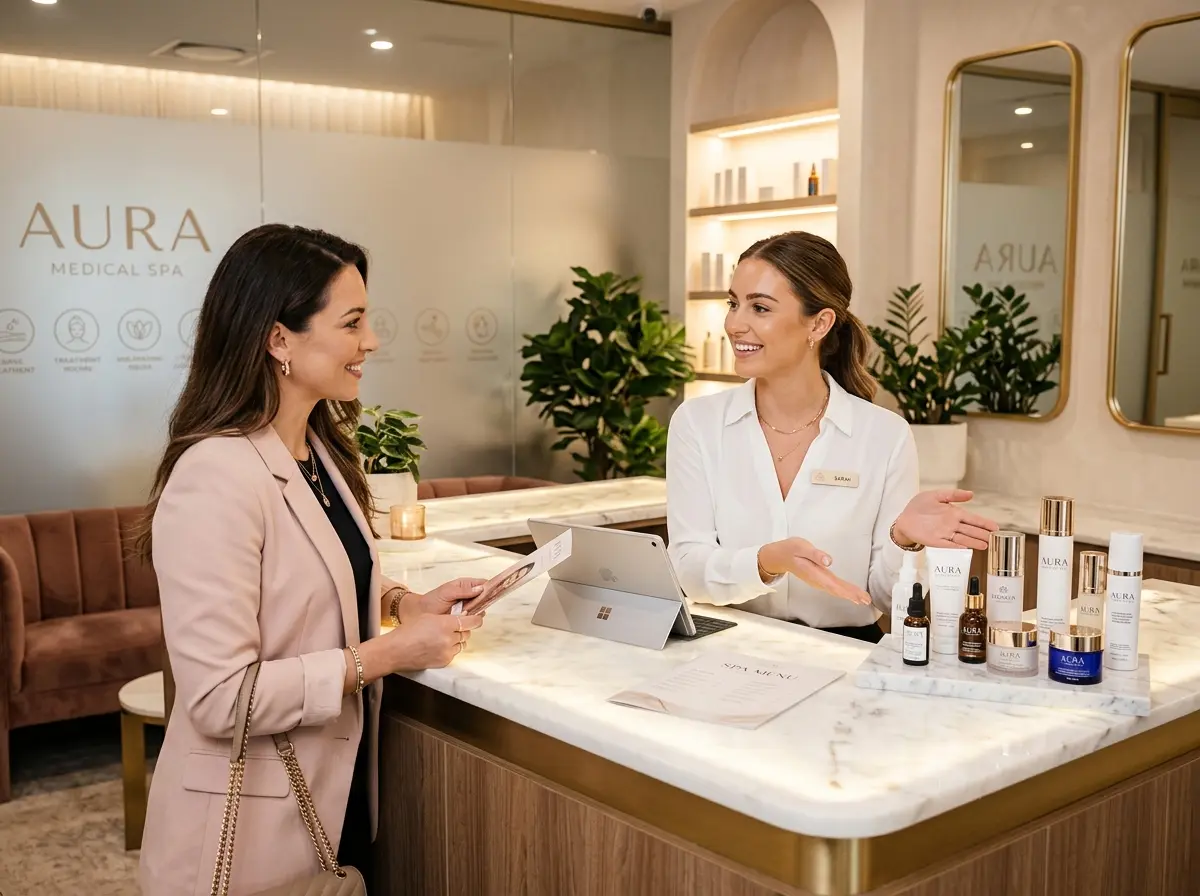
Even the best-trained staff can't catch every customer, which means your store layout needs to do some of the heavy lifting. Placing companion products in physical proximity to each other — whether through dedicated end caps, shelf talkers, or "frequently bought together" signage — creates passive recommendation opportunities around the clock.
A simple shelf sign that reads "For complete allergy relief, pair with our pharmacist-recommended nasal spray" can drive attachment sales without any staff involvement at all. Studies suggest that strategic product placement alone can increase attachment purchase rates by 20–30% in retail pharmacy environments. That's a meaningful number, and it costs you little more than some creative merchandising.
How Technology Can Make Recommendations More Consistent
Putting a Smart Assistant on the Floor and on the Phones
Here's the uncomfortable truth: your staff is inconsistent. Not because they're bad at their jobs — but because they're human. Some employees naturally suggest companion products; others focus on speed and efficiency. Some days are slow enough to have real customer conversations; others feel like triage. The result is an inconsistent customer experience that leaves revenue and goodwill on the table.
This is exactly where Stella steps in. Stella is an AI robot employee and phone receptionist that can be stationed inside your pharmacy as a friendly, human-sized kiosk. She proactively greets customers, answers their questions about products and services, and — critically — recommends companion products based on what the customer is asking about. She never has a bad day, never forgets to mention the nasal spray, and never gets too busy to engage. On the phone side, Stella answers calls 24/7 with the same product knowledge she uses in person, so customers calling in after hours still get helpful, accurate guidance instead of a voicemail black hole. At just $99/month with no upfront hardware costs, she's a practical addition for pharmacies of all sizes.
Training Your Team to Recommend Without Being Annoying
The Language of Helpful Suggestions
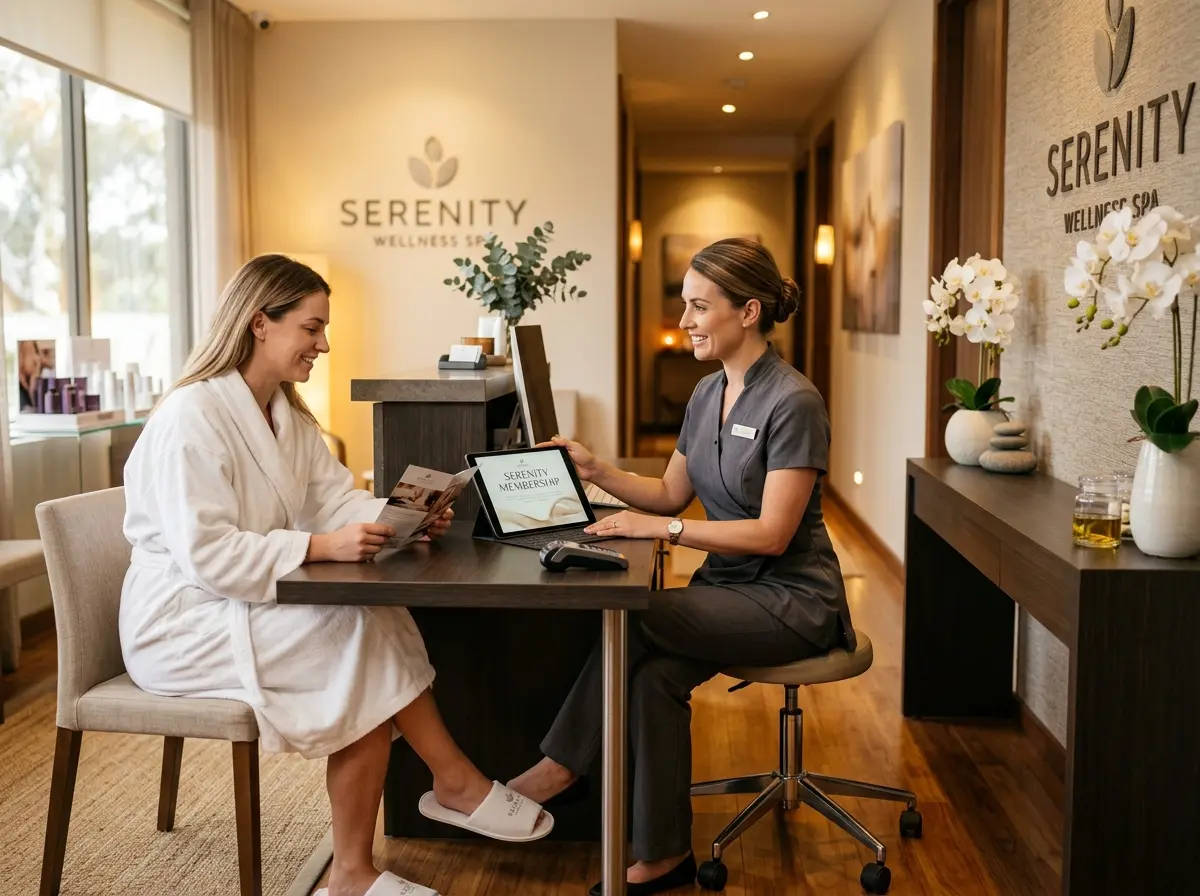
There is a meaningful difference between a staff member who says "Do you want to add anything else?" and one who says "A lot of our customers pair that with the nasal spray — it tends to work a lot better together. Want me to grab one for you?" The first is generic and forgettable. The second is specific, credible, and genuinely helpful. Teaching your team the language of companion recommendations is one of the highest-ROI training investments you can make.
Keep it simple. Train staff to associate specific products with their most common companion pairings — essentially building a mental map of "if they're buying X, mention Y." Role-play the language until it feels natural, not scripted. Customers are remarkably good at detecting when someone is genuinely trying to help versus when they're hitting a quota, so authenticity matters enormously here.
Incentivizing the Behavior Without Creating Weird Vibes
Incentive programs for recommendation-based selling can work well, but they require careful design. Tying compensation directly to individual add-on sales can create pressure that customers feel — and that's the opposite of what you want in a healthcare retail environment. Instead, consider team-based incentives that reward overall basket size improvements, or recognition programs that celebrate staff members who receive positive customer feedback about their helpfulness.
You might also consider brief weekly huddles where staff share successful pairing conversations. These aren't just motivational exercises — they're organic training sessions where your best recommendation strategies get shared and reinforced across the team. Over time, this builds a culture of proactive recommendation that doesn't feel like a sales floor, but still functions like one.
Handling Objections and Questions Gracefully
Customers will sometimes push back. They might say they can't afford both products, or that they've tried one before and it didn't work, or that they just want to keep it simple. That's completely fine — and your staff should be trained to accept that gracefully rather than doubling down. A soft, no-pressure response like "Totally understandable — just wanted to make sure you knew about it" leaves the door open without burning goodwill.
Occasionally, the objection reveals a knowledge gap that a brief, confident explanation can bridge. Staff who understand why certain products work better together — not just that they do — are far more persuasive and trustworthy in these moments. Consider creating a simple internal reference guide that explains the rationale behind your top ten companion pairings. It pays for itself quickly.
Quick Reminder About Stella
Stella is an AI robot employee and phone receptionist built for businesses like yours. She greets customers in person at her in-store kiosk, answers questions about products and promotions, and handles phone calls 24/7 — all for $99/month with no upfront hardware costs. Whether your staff is busy with the pharmacy counter or the phones are ringing after hours, Stella keeps the customer experience consistent and professional without ever needing a break.
Conclusion: Small Suggestions, Big Results
A well-executed OTC companion product strategy isn't about squeezing more money out of your customers — it's about giving them better outcomes and building genuine trust. When a customer leaves your pharmacy with everything they need to actually solve their problem, they remember that. They come back. They recommend you to their friends. That's the long game, and it starts with something as simple as mentioning one additional product at the right moment.
Here's how to put this into action starting this week:
- Audit your top 10 best-selling OTC categories and identify the highest-value companion product for each.
- Update your store layout and signage to physically pair companion products or highlight them with shelf talkers.
- Run a team training session focused on recommendation language — keep it conversational and practical.
- Create a simple internal pairing reference guide for staff to use as a quick refresher.
- Consider supplementing your team with consistent, always-on support — whether that's better systems, better signage, or a smart in-store assistant like Stella.
The shelf is already stocked. The customers are already coming in. All that's left is making sure they leave with what they actually need — and maybe just a little bit more than they planned to buy.