Why Your Website Visitors Are Leaving Without Ever Visiting Your Store
Here's a fun little scenario: someone finds your business online, browses your website for a few minutes, thinks "this looks interesting" — and then closes the tab and never thinks about you again. No visit. No call. No sale. Just a ghost. And you never even knew they were there.
If you have a physical business location, converting online traffic into actual foot traffic is one of the most valuable — and most overlooked — growth opportunities you have. You're probably already investing in a website, maybe some social media, perhaps even paid ads. But if there's nothing on your site actively engaging those visitors in real time, you're essentially setting up a beautiful storefront and then leaving the lights off.
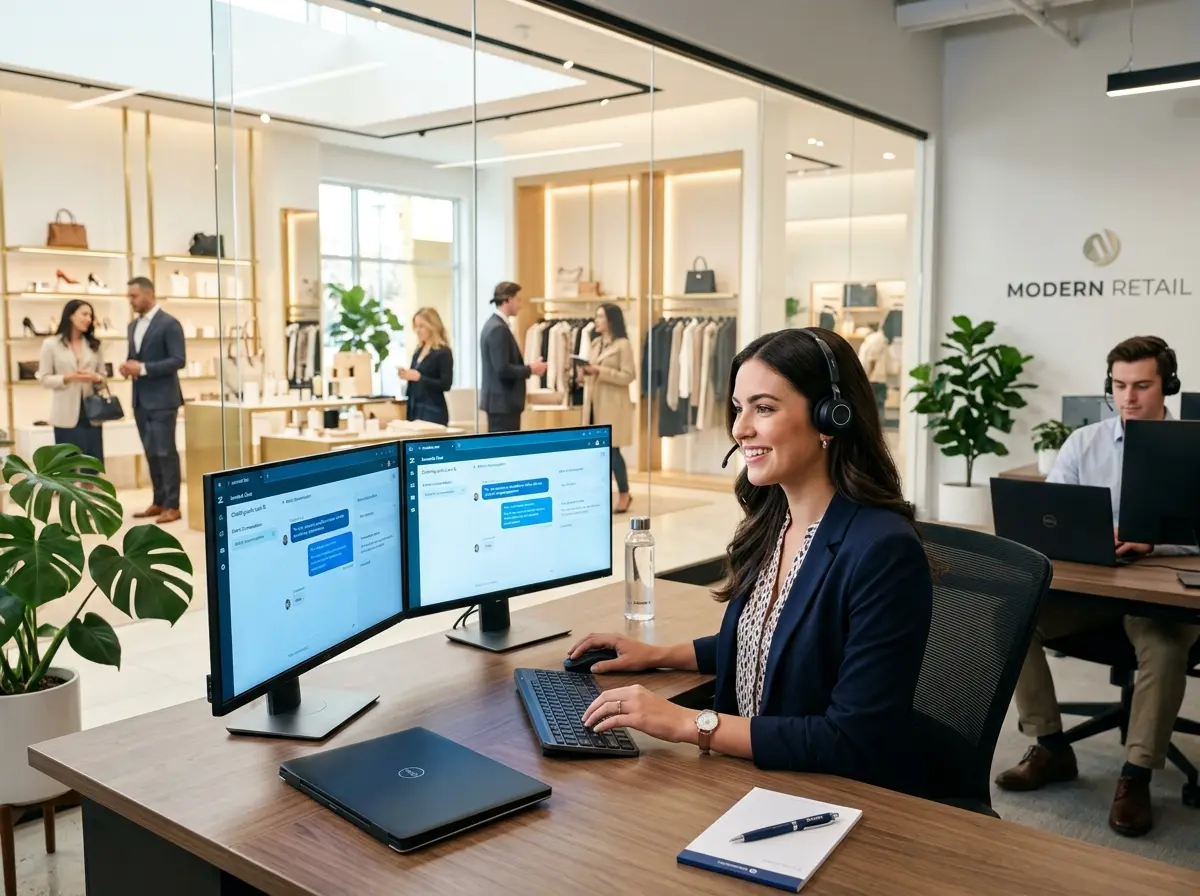
Live chat changes that. When implemented well, it creates a bridge between the casual online browser and the in-store customer. It answers questions instantly, removes friction, builds trust, and — most importantly — gives people a reason to actually show up. Let's talk about how to make it work for your business.
Understanding Why Online Visitors Don't Convert (And How Chat Fixes It)
Before we start throwing chat widgets at the problem, it helps to understand why website visitors leave without taking action. Spoiler: it's usually not because they don't like you. It's because something got in the way.
The Friction Problem
People are impatient online — shockingly, even more so than in person. If a visitor can't find the answer to a quick question within about 10–15 seconds, research consistently shows they're likely to bounce. Common friction points include unclear pricing, uncertainty about whether a product or service is available, confusion about location or parking, and not knowing whether they need an appointment. These aren't hard questions, but if your website doesn't answer them immediately, you've lost the customer before they even considered walking through your door.
Live chat removes that friction by putting a direct line of communication right where the confusion happens. Instead of hunting through your FAQ page — which, let's be honest, nobody reads — a visitor can just ask. And if they get a fast, helpful answer, the psychological barrier to visiting your store drops dramatically.
The Trust Gap Between Online Browsing and In-Person Visiting
There's a real psychological gap between looking at a business online and actually committing to visiting it in person. Walking into a store takes effort — travel, time, the mild social anxiety of potentially being the only customer. People want to feel reasonably confident before they make that trip. Live chat helps close that trust gap by giving your business a human (or human-like) presence online. When someone gets a warm, helpful, knowledgeable response to their question, they feel like they already know you a little. And that familiarity is often exactly what converts a browser into a visitor.
Timing Is Everything
Here's something worth knowing: according to various conversion studies, responding to a web lead within 5 minutes makes you up to 100 times more likely to convert that lead than if you wait 30 minutes. The window of interest is narrow. Someone googling "best gym near me" is thinking about joining a gym right now. If your chat response comes tomorrow morning, they've already signed up somewhere else. Live chat, especially when powered by AI that responds instantly at any hour, keeps you in that critical window every single time.
Bridging the Gap: Tools That Work Around the Clock
Here's where a lot of business owners hit a wall: they love the idea of live chat, but they don't have a dedicated person to sit at a computer answering website messages all day. Fair enough — you're running a business, not a call center. This is exactly where tools like Stella become genuinely useful.
AI-Powered Chat That Actually Knows Your Business
Stella isn't just a generic chatbot that spits out "I'm not sure about that, please call us during business hours." She's an AI trained on your specific business — your products, services, promotions, hours, policies, and more. For businesses with a physical location, she also stands inside your store as a human-sized kiosk, greeting walk-in customers and answering their questions in person. And when someone calls your business, she handles those calls as a fully capable AI phone receptionist, 24 hours a day, 7 days a week. The result is a consistent, knowledgeable presence across your website, your storefront, and your phone line — without adding a single person to your payroll.
For converting online visitors into in-store customers, this kind of tool is particularly powerful because it catches people at every touchpoint: the person who finds you on Google at 11pm, the caller who wants to confirm your weekend hours before making the drive, and the walk-in who wants to know if a specific product is in stock before committing to a purchase. That's a lot of ground for one $99/month subscription to cover.
How to Use Live Chat Strategically to Drive Foot Traffic
Having a chat widget on your website is a start. Using it strategically to specifically drive in-store visits is a whole other level. Here are the tactics that actually move the needle.
Trigger Chat Based on Visitor Behavior
The best live chat implementations don't just sit there passively waiting for someone to click. They reach out proactively based on what a visitor is doing. For example, if someone has been on your "Services" page for more than 30 seconds, your chat can pop up with something like: "Looking for more info on our services? I'd love to help — and if you'd like to come in, we're open today until 7!" That's not pushy — that's helpful. You're giving them information they probably want before they've even asked.
You can trigger chat messages based on time on page, scroll depth, specific page visits (like a pricing or contact page), or exit intent — that last-ditch moment when someone moves their cursor toward closing the tab. Used well, these triggers can recover visitors who were about to leave and give them one more reason to take action.
Use Chat to Promote In-Store Exclusives
One highly effective tactic for converting online browsers into physical visitors is using live chat to offer something they can only get in store. This could be a limited-time discount, a free consultation, a product demo, or an exclusive bundle. When your chat mentions, "We're actually running a special this week — stop by the store and mention this chat for 15% off your first purchase," you've created both urgency and a reason to visit that didn't exist five seconds ago. People love feeling like they got a tip from an insider. Chat makes that possible at scale.
Collect Information and Follow Up
Not every website visitor is ready to walk in today — and that's okay. What you don't want to do is let them disappear forever. Live chat gives you the opportunity to collect a name and email or phone number conversationally, without making someone fill out a stiff contact form. Once you have that information, you can follow up with a friendly message, a promotion, or a reminder about your store. A visitor who wasn't ready today might be ready next week — but only if you stayed in their orbit.
Quick Reminder About Stella
Stella is an AI robot employee and phone receptionist built for businesses like yours. She greets customers in person at your physical location, answers phone calls around the clock, promotes your deals, collects customer information through conversational intake forms, and keeps everything organized in a built-in CRM — all for $99/month with no upfront hardware costs. Whether you're a retailer, restaurateur, gym owner, or service provider, she's ready to show up every day without complaints, sick days, or a request for a raise.
Turning Browsers Into Buyers: Your Next Steps
If you've made it this far, you already know that website visitors are valuable and that most businesses are leaving serious money on the table by not actively engaging them. The good news is that live chat is one of the most accessible, affordable, and high-impact tools available to businesses of any size — and getting started doesn't have to be complicated.
Here's a practical starting point:
- Audit your current website experience. Put yourself in a first-time visitor's shoes. Is it immediately clear what you do, where you're located, and how to get in touch? If not, fix that first — chat works better on a solid foundation.
- Choose a chat tool that fits your capacity. If you have staff who can monitor and respond to chats during business hours, a basic live chat platform might work well. If you need something that runs autonomously at all hours, an AI-powered solution is the smarter move.
- Write a proactive greeting that drives action. Don't just say "How can I help?" Lead with something valuable: your hours, a current promotion, or an invitation to visit. Give people a reason to keep talking.
- Track what's working. Most chat tools provide data on conversation volume, common questions, and conversion rates. Review it regularly and adjust your approach based on what's actually driving visits.
The gap between "browsing your website" and "walking into your store" is smaller than you think — it just needs a little bridge. Live chat, done right, is that bridge. And if you'd rather have that bridge staffed by an AI that never calls in sick, well, there's a robot for that.