Why Your Med Spa Is Leaving Money on the Table (And How to Fix It)
Client health assessments — those intake forms and consultations you may already be using — are secretly one of the most powerful revenue tools in your business. Done right, they're not just paperwork. They're a roadmap for personalized service recommendations that feel helpful rather than pushy, and that keep clients coming back because you actually understand their goals.
Building a Health Assessment That Actually Works
Ask Goals-Based Questions, Not Just Clinical Ones
Clinical questions are essential, but they won't tell you that your client is getting married in six months and is quietly panicking about her skin. Goals-based questions will. Include prompts like "What's your primary skin concern right now?", "Are there any upcoming events or milestones you're preparing for?", or "How would you describe your current skincare routine?". These answers give your providers the context they need to recommend services that feel personalized — because they are.
Use Tiered Follow-Up Questions
Make Reassessment a Standard Part of Every Visit
Streamlining Intake With the Right Tools
Let Technology Do the Heavy Lifting
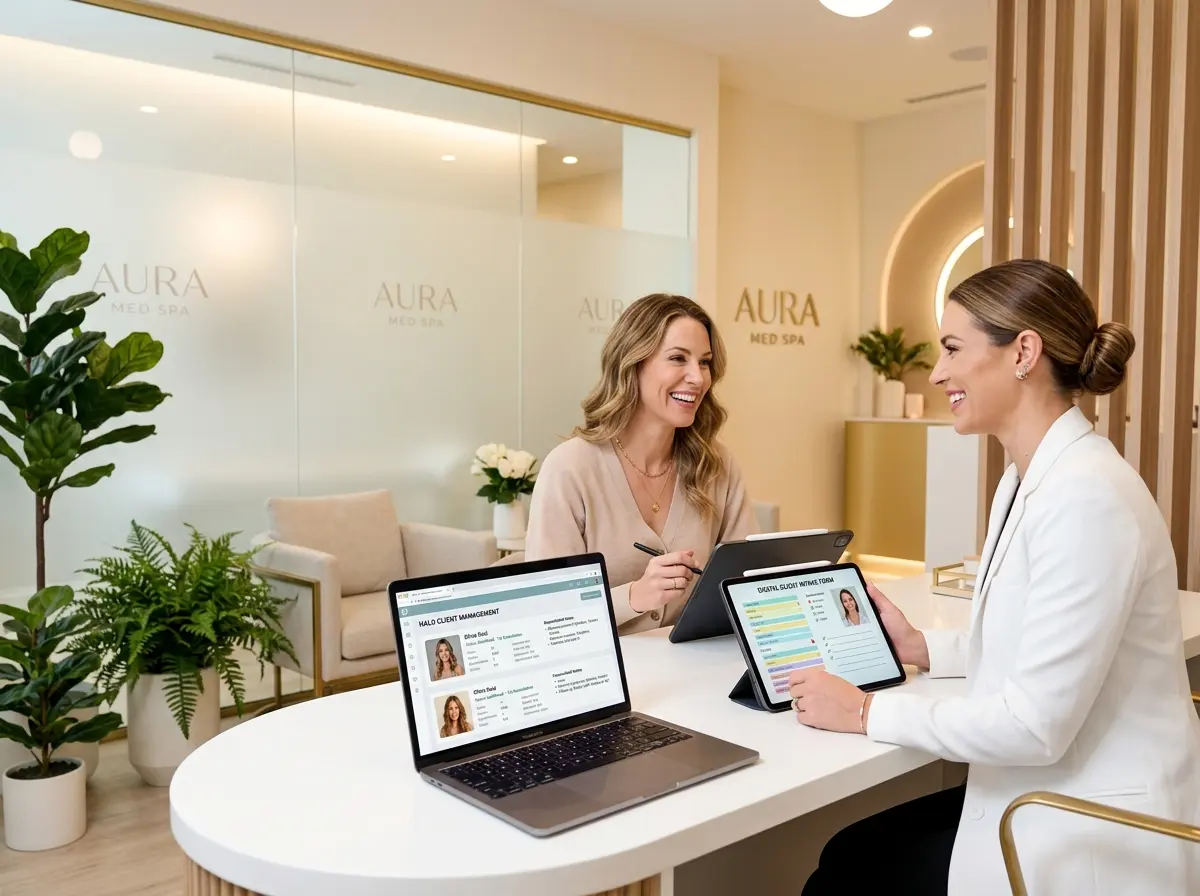
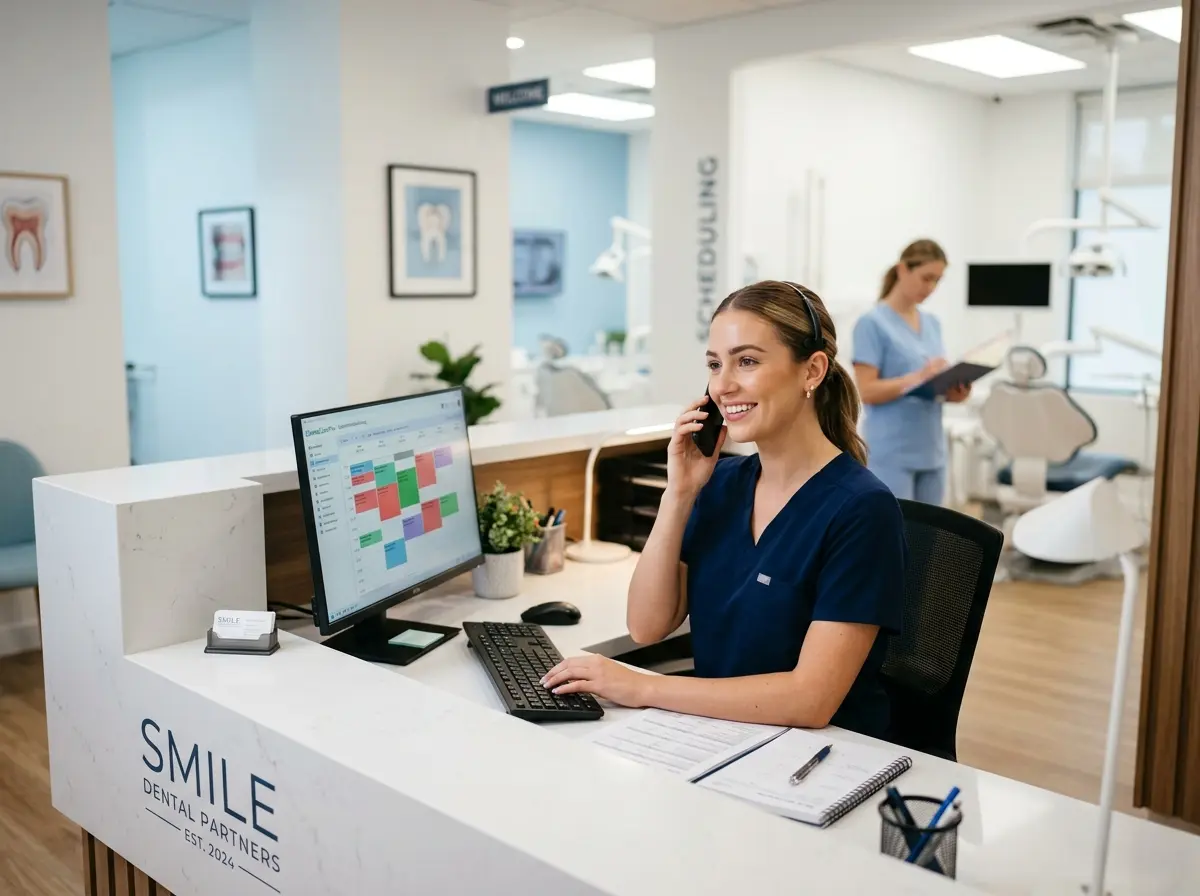
Stella, the AI robot employee and phone receptionist, can collect client information through conversational intake forms — whether during a phone call, on the web, or right at her in-store kiosk before a client even sits down with a provider. That means your front desk staff aren't stuck reading through intake questions verbally, and your providers walk into the consultation room already knowing what the client is hoping to achieve. Stella's built-in CRM stores that intake data with custom fields, tags, and AI-generated client profiles, so your team always has the full picture at their fingertips. It's the kind of intake experience that makes clients feel cared for before the appointment even starts.
Turning Assessment Data Into Service Recommendations
Create Service Recommendation Protocols by Concern Category
Train Your Team to Connect the Dots in Consultation
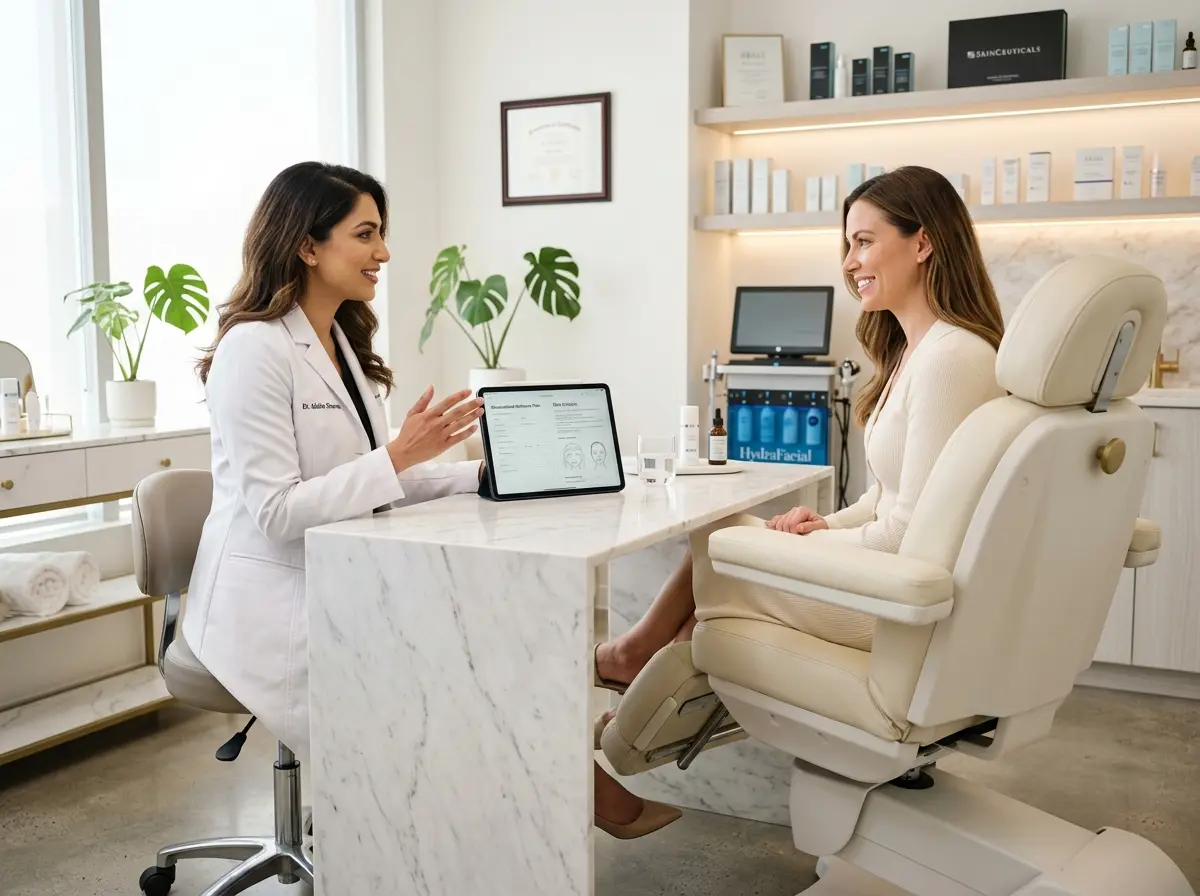
Data is only as useful as the people interpreting it. Train your providers and coordinators to review intake and assessment data before every appointment and to reference it explicitly during the consultation. Saying, "I noticed you mentioned you've been dealing with hormonal breakouts — have you tried our LED therapy add-on?" is infinitely more effective than a generic, "Is there anything else we can help you with today?" It demonstrates expertise, builds trust, and — not coincidentally — increases the likelihood that the client says yes.
Use Assessment Trends to Shape Your Promotional Strategy
Quick Reminder About Stella
Stella is an AI robot employee and phone receptionist that greets clients at your med spa kiosk, answers calls 24/7, collects intake information, manages your CRM, and supports upselling — all for $99/month with no upfront hardware costs. She's basically the front desk employee who never calls in sick and never forgets to ask the follow-up question.
Start Treating Your Intake Process Like the Business Asset It Is
- Audit your current intake form. Are you asking goals-based questions, or just clinical ones? Add two to three questions focused on client objectives and upcoming milestones.
- Build recommendation protocols. Work with your clinical team to map common concern categories to logical service progressions. Document them so every provider is on the same page.
- Automate where you can. Use digital intake tools that store responses in a CRM and make data accessible to providers before each appointment. The less friction in the process, the more consistently it gets used.
- Retrain your consultation approach. Make reviewing assessment data before appointments a non-negotiable step, and coach providers to reference that data explicitly during the conversation.
- Analyze your trends quarterly. Pull your assessment data and look for patterns. Let what you find inform your next promotion, your next service package, and your next staff training session.