Why "Feast or Famine" Is No Way to Run a Business
Ask any dog grooming business owner what keeps them up at night, and somewhere between "a golden retriever who hates blow dryers" and "no-show appointments," you'll find a common theme: unpredictable revenue. One week the schedule is packed, the next week it's crickets. Payroll doesn't care about your slow weeks. Neither does rent.
Building the Foundation: What a Grooming Subscription Model Looks Like
Tiered Packages That Make Sense for Dogs (and Their Owners)
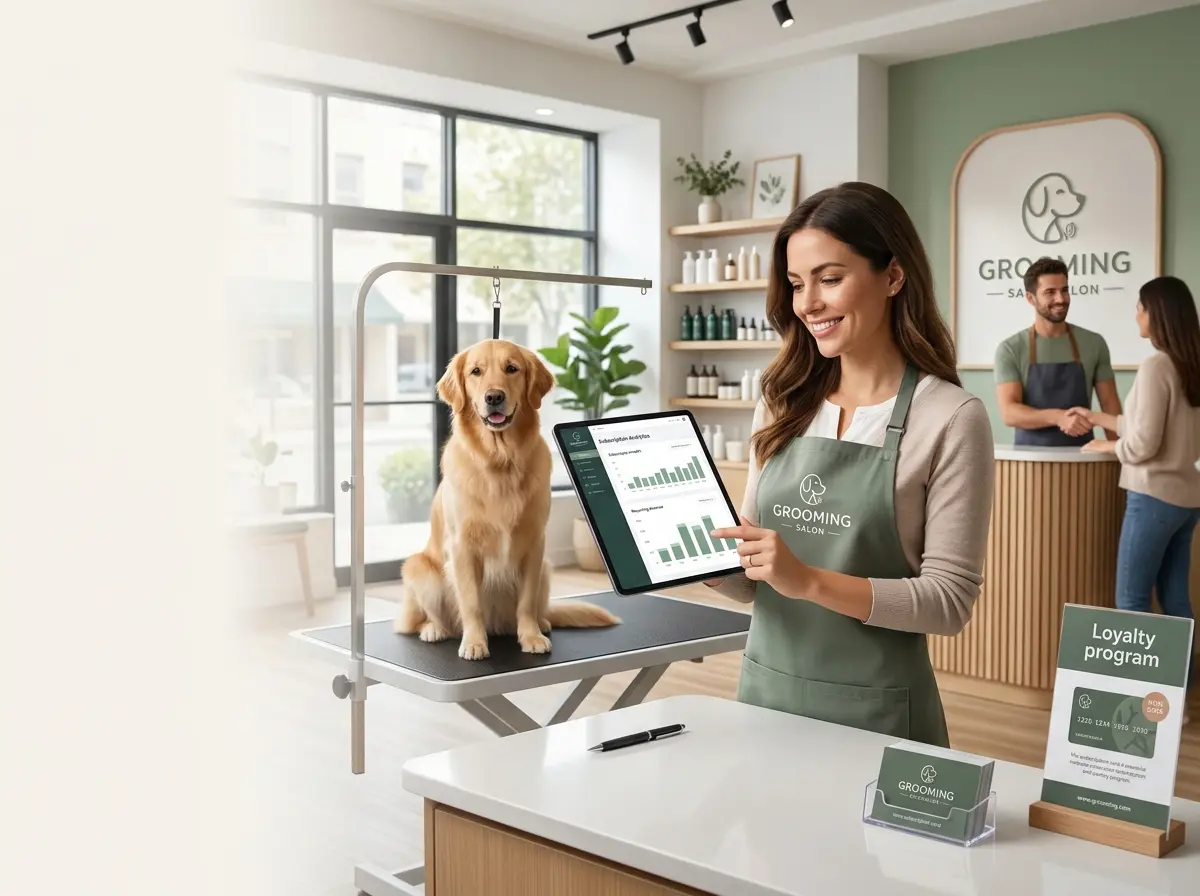
The most successful grooming subscription models aren't complicated — they're just structured. Think in tiers. A basic tier might include one bath and brush per month for smaller dogs. A mid-tier could add a full groom every six weeks. A premium tier might throw in teeth brushing, nail grinding, and a bandana (because some dogs have a personal brand). Pricing these tiers slightly below what a customer would pay à la carte gives them a reason to commit, while the volume of guaranteed appointments gives you the revenue predictability you're after.
A Real-World Example Worth Stealing
Setting the Right Price Without Leaving Money on the Table
Keeping the Phones Answered and the Customers Coming Back
Don't Let Subscriptions Sell Themselves (They Won't)
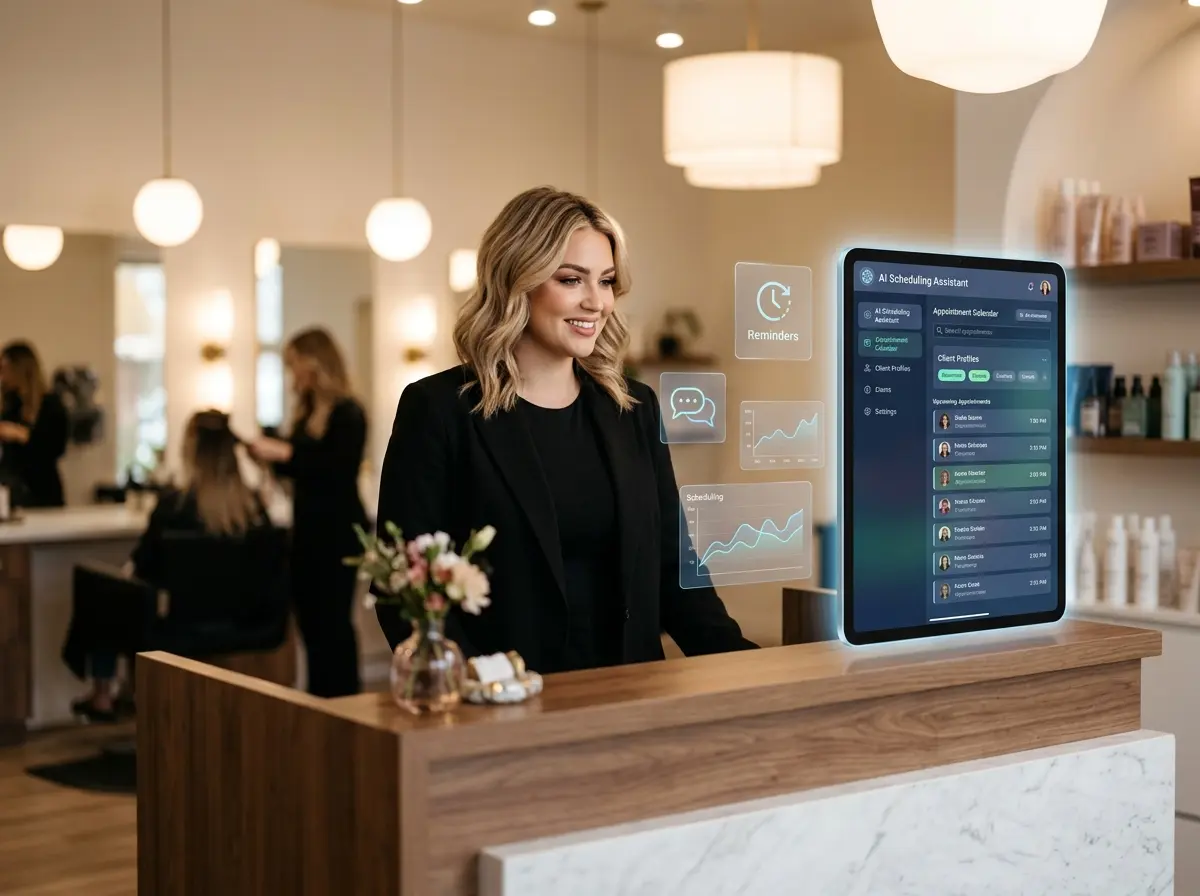
Here's where a lot of grooming businesses stumble. They set up a subscription model, post it on Instagram once, and then wonder why only eight people signed up. Subscriptions need to be actively promoted — at the counter, on the phone, in follow-up messages, and to every walk-in customer who doesn't already have one. This is exactly where Stella, the AI robot receptionist, becomes genuinely useful. She can greet customers at the kiosk, proactively mention the subscription packages, and answer any questions about pricing or tiers — all while your groomers are elbow-deep in a Bernedoodle. On the phone side, Stella answers calls 24/7, which means a customer calling at 9pm to ask about your monthly plans actually gets a real answer instead of a voicemail they'll forget they left.
Stella can also collect customer information through conversational intake forms — whether someone calls in or walks up to the kiosk — and store everything in her built-in CRM. So when a new subscriber signs up, their dog's breed, coat type, preferred stylist, and appointment history are already organized and ready. No clipboards, no lost sticky notes, no "wait, which dog is this again?" moments.
Retention: Because Acquiring Subscribers Is Hard, Losing Them Is Easy
The First 90 Days Are Everything
Tracking What's Working (And What Isn't)
Rewarding Loyalty Without Going Broke Doing It
Consider building a simple loyalty mechanic into your subscription: after six consecutive months, subscribers get a complimentary add-on service. After 12 months, they're automatically upgraded to the next tier for one month at no extra charge. These gestures cost you very little in actual dollars but generate enormous goodwill — and goodwill translates directly into referrals. A subscriber who feels valued doesn't just stay; they tell other dog owners. And dog owners, as you may have noticed, love talking about their dogs.
Quick Reminder About Stella
Stella is an AI robot employee and phone receptionist designed for businesses exactly like yours. She stands inside your location as a human-sized kiosk, greeting customers and promoting your services and subscription packages around the clock, while also answering phone calls 24/7 with the same depth of business knowledge she uses in person. At just $99/month with no upfront hardware costs, she's one of the most cost-effective ways to make sure no opportunity — walk-in or phone call — ever goes unaddressed.
Your Next Steps Toward Predictable Revenue
- Audit your current customer base. How many clients come in regularly? What's their average annual spend? These customers are your natural first subscribers.
- Design two or three simple tiers based on service frequency and dog size. Don't overcomplicate it — you can always add options later.
- Price competitively but not desperately. A 10–15% discount over walk-in rates is the sweet spot for most markets.
- Build your onboarding process before you launch. Know exactly what happens the moment someone subscribes — the confirmation, the first appointment, the welcome touchpoint.
- Promote it everywhere, every time. Your front desk, your phone line, your social channels, your existing customers. Subscriptions don't sell themselves on launch day.