You're Selling, But Are You Actually Talking to Anyone?
Here's a scenario that probably sounds familiar: a customer walks into your store, wanders around for a few minutes looking slightly lost, and then quietly slips back out the door — never having spoken to a single person on your team. Meanwhile, your staff was busy helping someone else, restocking shelves, or, let's be honest, trying to look busy near the register. The sale didn't happen. The connection didn't happen. And now that customer is telling their phone about what they were looking for instead of telling you.
The problem isn't that your team doesn't know how to sell. It's that the modern sales floor has conditioned everyone — customers and employees alike — to treat human interaction as an interruption rather than an opportunity. Customers dodge eye contact like it's a contact sport, and staff default to the robotic "Let me know if you need anything!" before retreating to safety. Sound familiar? Of course it does.
Real conversation — the kind that builds trust, uncovers needs, and actually moves product — is a skill that's slowly being forgotten. This post is about bringing it back, and making it a competitive advantage your business can actually use.
The Anatomy of a Great Sales Floor Conversation
Stop Opening With "Can I Help You?"
If there's one phrase that needs to be retired from retail and service businesses everywhere, it's the reflexive "Can I help you?" The reason it fails is simple: it invites a no. Customers are conditioned to respond with "Just looking, thanks," and both parties retreat to their corners, mutually relieved to have avoided actual human contact. Efficient? Sure. Effective? Absolutely not.
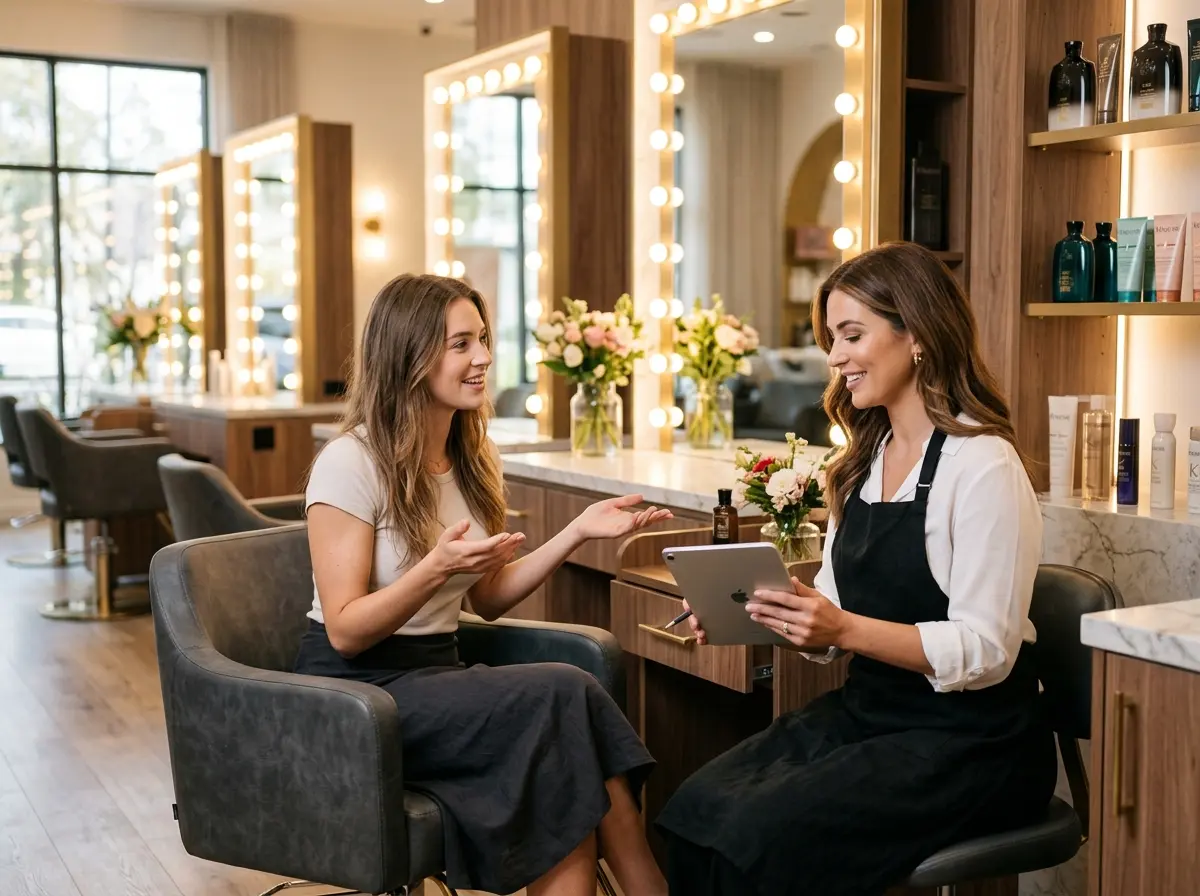
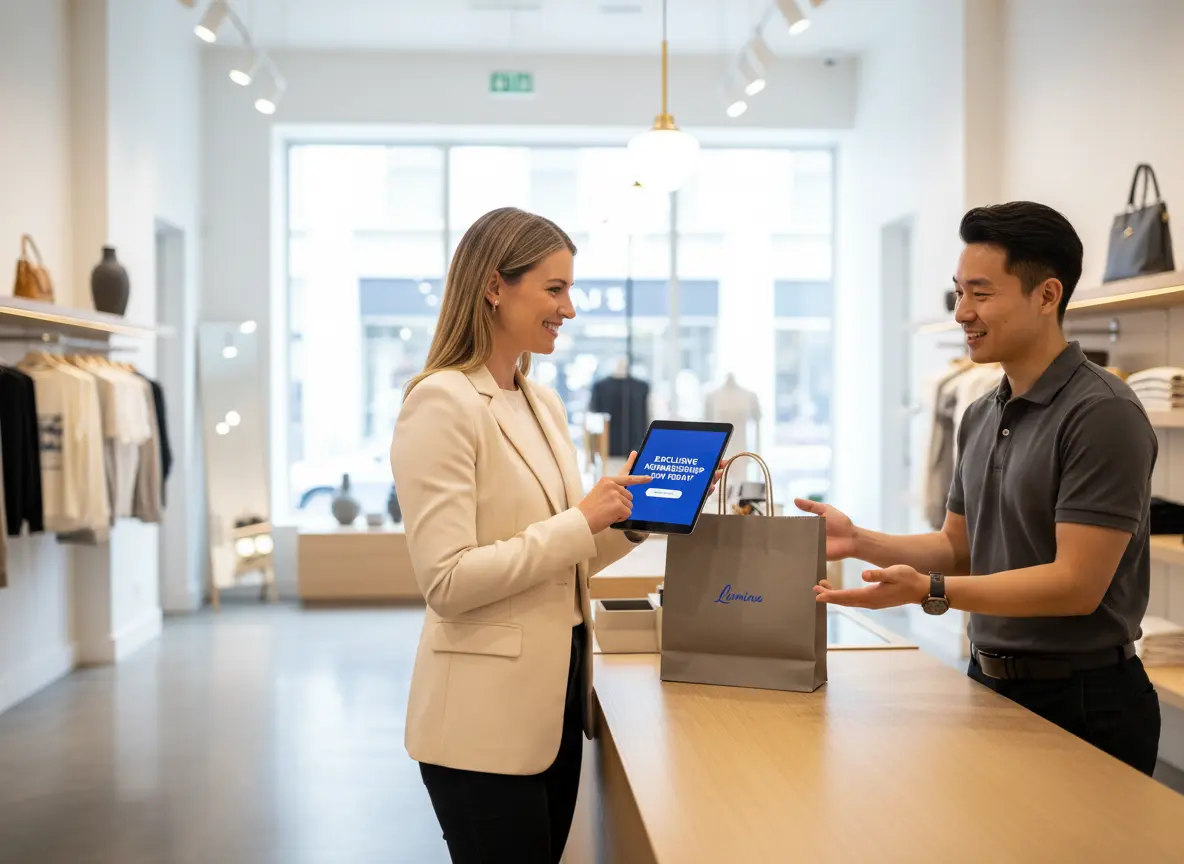
Great conversations start with observations, not offers. Instead of asking whether someone needs help, make a comment about what they're looking at. "That's one of our most popular items this season — the reviews on it have been incredible." Or, "Are you shopping for yourself or looking for a gift? That changes the recommendation completely." These openers require a real answer. They signal that you're paying attention, and they position your staff as knowledgeable guides rather than transactional order-takers.
It's a small shift in phrasing, but it fundamentally changes the dynamic of the interaction. The customer goes from being a potential interruption to an actual conversation partner, and that's where sales — and loyalty — are built.
Listen More Than You Talk (Radical Concept, We Know)
According to a study by Salesforce, 79% of customers say the experience a company provides is as important as its products or services. And yet, most sales floor interactions are dominated by one-sided monologues about features and promotions. Customers don't want to be lectured. They want to feel heard.
Practicing active listening on the sales floor means resisting the urge to immediately pivot to your pitch the moment a customer finishes a sentence. Ask follow-up questions. Reflect back what you've heard. "So it sounds like durability is the priority for you — is that right?" Not only does this help you make better recommendations, it makes the customer feel like their needs genuinely matter to your business. Because they should.
Know When to Transition From Conversation to Close
Conversation for its own sake is lovely, but you're running a business, not a book club. The goal of a great sales floor conversation is to naturally guide the customer toward a decision — ideally a happy one. The trick is recognizing the signals that they're ready.
When a customer starts asking specific questions — about pricing, availability, or how something works in practice — that's a buying signal. When they start comparing two options out loud, they're not really asking you to pick; they're asking for permission to commit. This is when your staff should confidently move from discovery mode into recommendation mode, leading with specifics and ending with a clear next step: "Based on what you've told me, I'd go with this one. Want me to grab your size?"
Where Technology Fits Into the Conversation
Letting AI Handle the First Hello
Here's the uncomfortable truth: your human staff can't be everywhere at once. During busy periods, customers get ignored. During slow periods, they get ambushed. Neither is ideal. This is exactly where Stella — an AI robot employee and phone receptionist — steps in to make sure every customer gets acknowledged the moment they walk through the door, without your team having to stretch themselves thin.
Stella greets customers proactively, answers questions about products, services, hours, and current promotions, and can even upsell and cross-sell based on what a customer is asking about. She's not replacing the warm, human conversation your team should be having — she's making sure no one falls through the cracks while that conversation is happening somewhere else in the store. And when customers call instead of visit, she answers the phone 24/7 with the same knowledge she uses in person, so your business never goes to voicemail during a moment that matters.
Training Your Team to Actually Get Good at This
Role-Playing Isn't Just for Awkward Team Meetings
Sales conversation training works best when it's practiced out loud, not just read in a manual. Regular role-playing exercises — even five minutes during a pre-shift huddle — help staff internalize better openers, practice active listening, and get comfortable with the transition to close. The goal isn't to script every interaction. It's to build the reflexes so that good conversation habits become second nature rather than a conscious effort.
Rotate the scenarios so they don't get stale. Practice handling the customer who "just wants to browse." Practice the upsell conversation. Practice what happens when a customer has a complaint and staff need to de-escalate before selling. The more variety in training, the more adaptable your team becomes in real situations.
Measure What's Actually Happening
If you're not tracking conversion rates by staff member, you're missing one of the most valuable data points your business has. A significant gap between your highest and lowest performers isn't just a training opportunity — it's a signal that something specific is working for one person that isn't being shared with the rest of the team. Find out what your best conversationalists are doing differently, and build that into how you train everyone else.
Beyond conversion rates, pay attention to average transaction value and return visit frequency. Great conversations don't just close single sales — they create repeat customers. A customer who feels genuinely helped is worth far more over their lifetime than one who got a good deal and never came back.
Create a Culture That Values Connection, Not Just Conversion
Numbers matter, but pressure kills authentic conversation. When your staff feels like every interaction is a performance being graded, they default to rigid scripts and awkward pitches. The businesses with genuinely great sales floor culture are the ones where employees feel empowered to be curious, to make recommendations they actually believe in, and to occasionally just have a nice chat with a regular customer without a transaction attached.
That kind of culture doesn't happen by accident. It comes from leadership that models good conversation, that celebrates relationship-building alongside revenue, and that gives staff the product knowledge and confidence to engage without a cheat sheet. Invest in that, and the sales follow naturally.
Quick Reminder About Stella
Stella is a friendly, human-sized AI robot kiosk and phone receptionist built for businesses of all kinds — retail, restaurants, salons, medical offices, law firms, and more. She greets customers in-store, answers questions, promotes specials, and handles phone calls 24/7, all for just $99/month with no upfront hardware costs. Think of her as the employee who's always on time, never needs a break, and never forgets a promotion.
Start Talking — and Start Winning
Mastering conversation on the sales floor isn't about being slick or manipulative. It's about being genuinely present, curious, and helpful — and training your team to do the same consistently. The businesses that get this right don't just make more sales; they build the kind of customer relationships that generate word-of-mouth, repeat visits, and loyalty that no discount campaign can buy.
Here's where to start:
- Audit your opening lines. Walk the floor this week and listen to how your staff initiates conversations. If "Can I help you?" is dominating, it's time to retrain.
- Schedule one role-playing session this month. Keep it short, keep it specific, and make it a regular habit rather than a one-time event.
- Track your conversion data by individual. Find your best conversationalist and figure out what they're doing that others aren't.
- Fill the gaps with smart technology. Make sure no customer is ever ignored during a busy period by having tools in place that can engage proactively when your team is occupied.
The sales floor has always been about people. It's time to start treating it that way again — intentionally, skillfully, and maybe with a little less "just looking, thanks" in your future.