Your Customers Are Walking Past Your Store Right Now — Do Something About It
Picture this: A potential customer is strolling down the street, phone in hand, completely unaware that your store is 30 feet away and that you have exactly what they need on sale right now. They walk past. You never knew they existed. They never knew you existed. A perfectly tragic missed connection — and it happens hundreds of times a day.
Here's the good news: location-based marketing technology has matured to the point where this scenario is entirely preventable. Beacons and geofencing aren't just buzzwords reserved for enterprise retailers with million-dollar tech budgets anymore. They're accessible, affordable tools that small and mid-sized business owners can deploy to turn foot traffic into actual customers — and existing customers into repeat buyers.
According to Salesforce, location-triggered messages have an average open rate of over 50%, compared to roughly 20% for standard email campaigns. That's not a typo. When you reach someone at the right place and the right time, they actually pay attention. So let's talk about how to make that happen for your business.
Beacons vs. Geofencing: Know Your Weapons
What Are Beacons and How Do They Work?
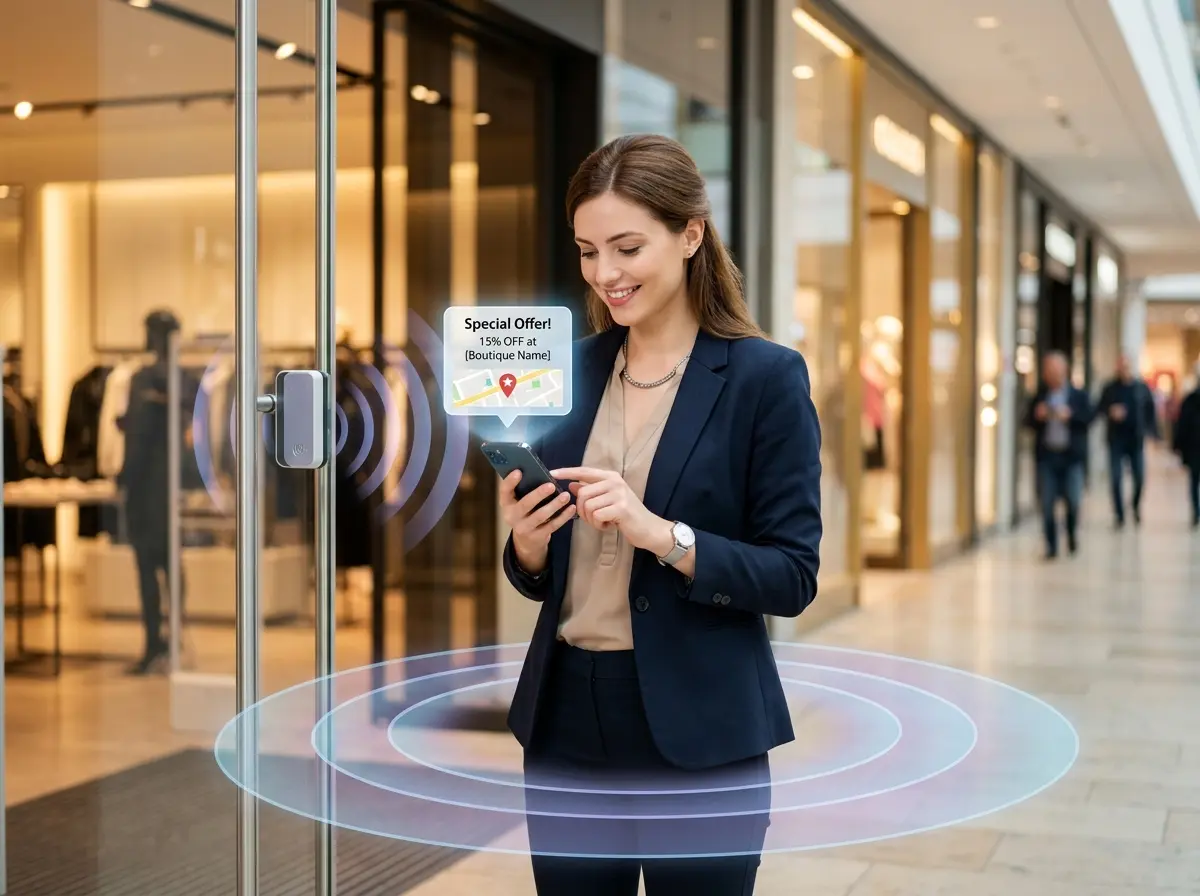
Bluetooth beacons are small, inexpensive hardware devices — often about the size of a hockey puck — that you place inside or outside your business. They broadcast a Bluetooth Low Energy (BLE) signal that can be detected by smartphones within a range of roughly 10 to 300 feet, depending on the beacon's configuration. When a customer's phone (with your app or a compatible app installed) enters that range, it triggers a pre-programmed action — like a push notification offering 15% off, a welcome message, or a prompt to check out today's specials.
Beacons are ideal for hyper-precise, indoor engagement. Think about a customer browsing your shoe section — a beacon placed near that display could ping them with a "Buy one, get one 50% off on all sneakers today" notification right at the moment of consideration. That's surgical-level marketing, and it works.
What Is Geofencing and When Should You Use It?
Geofencing operates at a larger scale using GPS or cellular data to create a virtual boundary — a "fence" — around a geographic area. When someone with location services enabled on their device enters or exits that zone, your system fires off a notification, ad, or message. Geofences can be drawn around your own location, a competitor's location (yes, this is a real strategy), a neighborhood, or even a major event venue nearby.
For example, a restaurant could set a geofence around a local stadium. When the game ends and thousands of hungry fans start heading home, those within the fence radius get a push notification: "Hungry after the game? We're 5 minutes away — show this message for a free appetizer." That's not luck. That's strategy.
Choosing the Right Tool for the Right Job
The short answer: use both when possible, and let them complement each other. Geofencing casts the wider net — it catches people in your neighborhood or competitive zones. Beacons close the deal once they're inside or right at your door. Together, they create a seamless funnel from awareness to conversion. Popular platforms like Gimbal, Proximity, and Swirl offer beacon management, while geofencing campaigns can be run through Google Ads, Facebook Ads, or dedicated tools like Radar.io and Simpli.fi.
Making Sure Your Store Is Ready to Receive the Traffic You're Sending
Don't Drive Customers to a Dead End
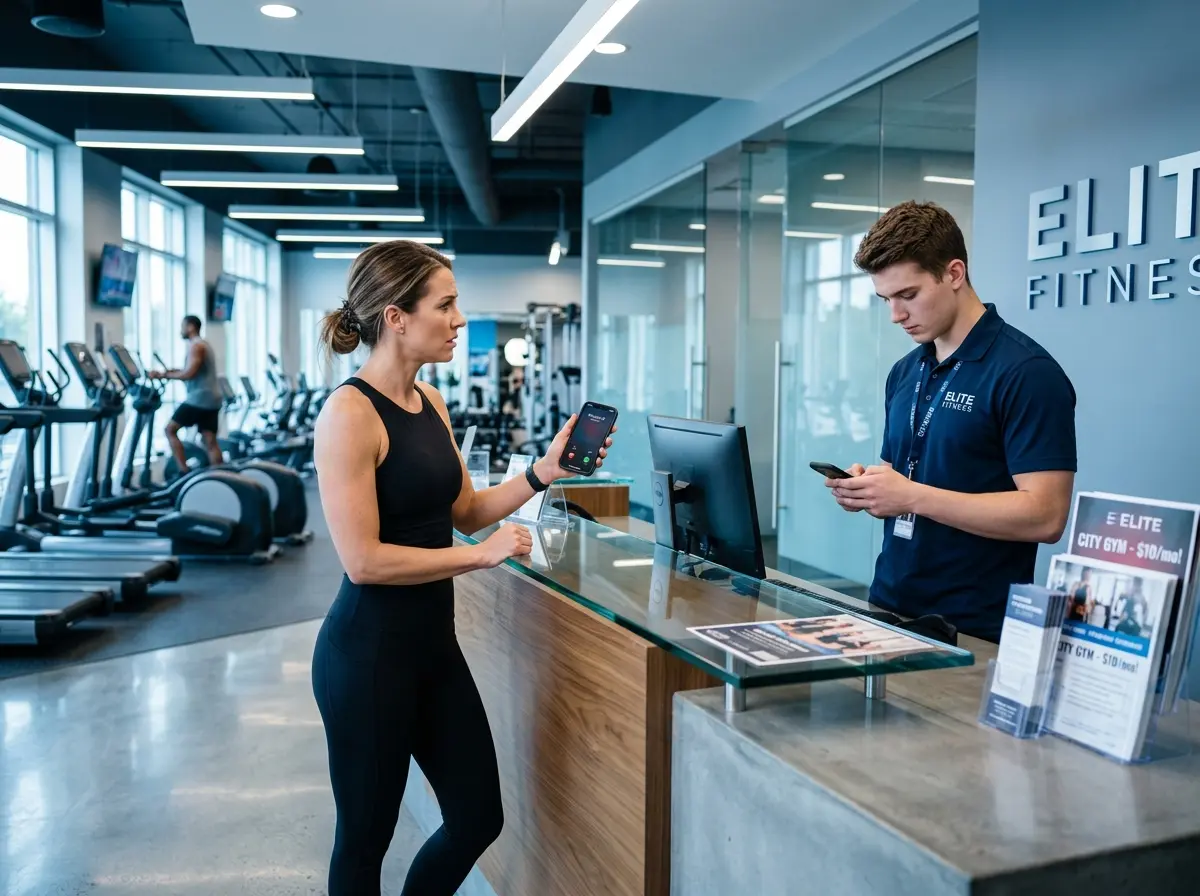
Here's the thing nobody talks about when they explain beacons and geofencing: all of that smart, location-triggered marketing is completely wasted if a customer walks through your door and gets ignored, confused, or poorly served. You've done the hard work of getting them in — now what? If your staff is occupied, your signage is unclear, and nobody greets them for three minutes, that carefully crafted promo notification has done nothing but raise expectations you failed to meet.
This is where Stella becomes relevant. Stella is an AI robot employee and phone receptionist designed specifically for businesses like yours. As an in-store kiosk, she greets every customer who walks through the door, engages them proactively, and can immediately follow up on whatever promotion drove them in — whether that's answering questions about the offer, highlighting related products, or guiding them through their visit. She also answers phone calls 24/7, so if a nearby shopper calls ahead to ask about your deal before walking over, Stella handles that conversation with the same expertise as your best employee — without ever being "too busy." No missed calls, no missed conversions.
Building Campaigns That Actually Convert
Craft Offers Worth Responding To
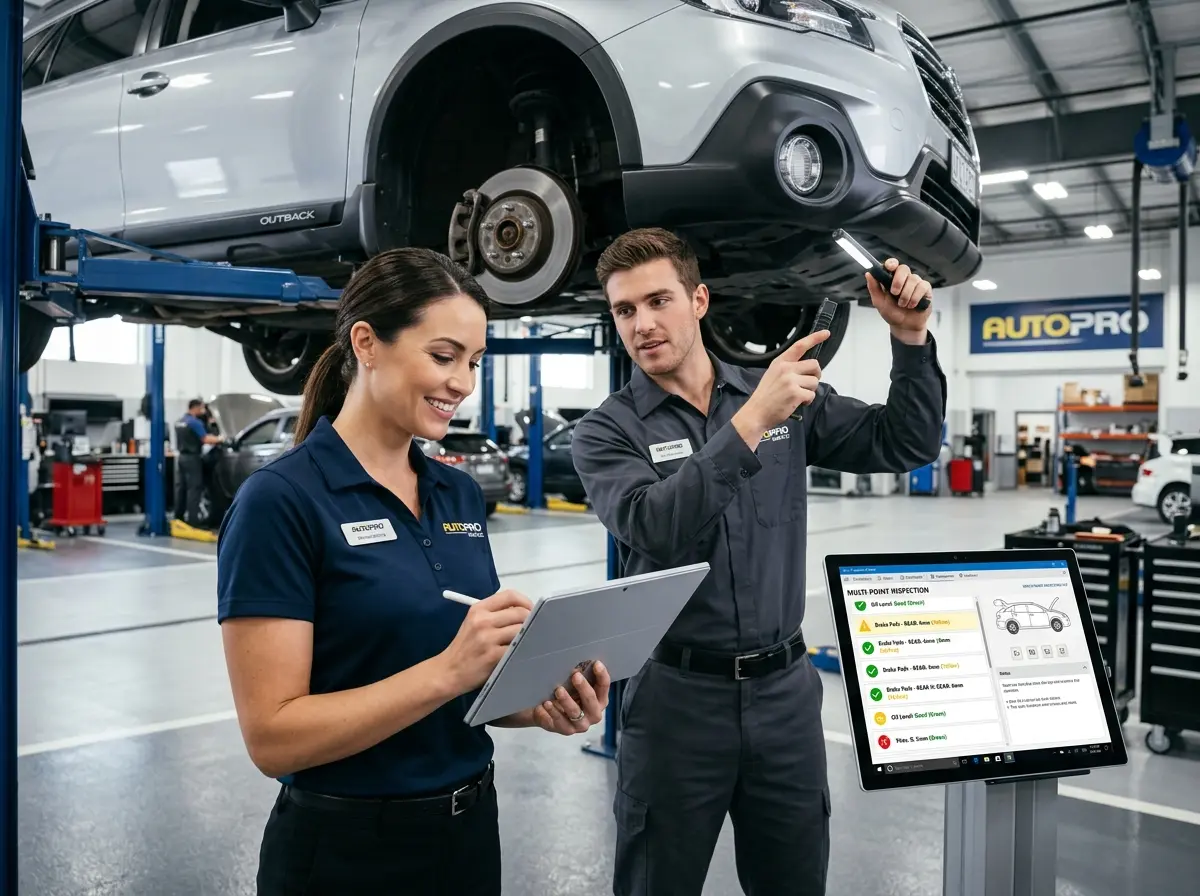
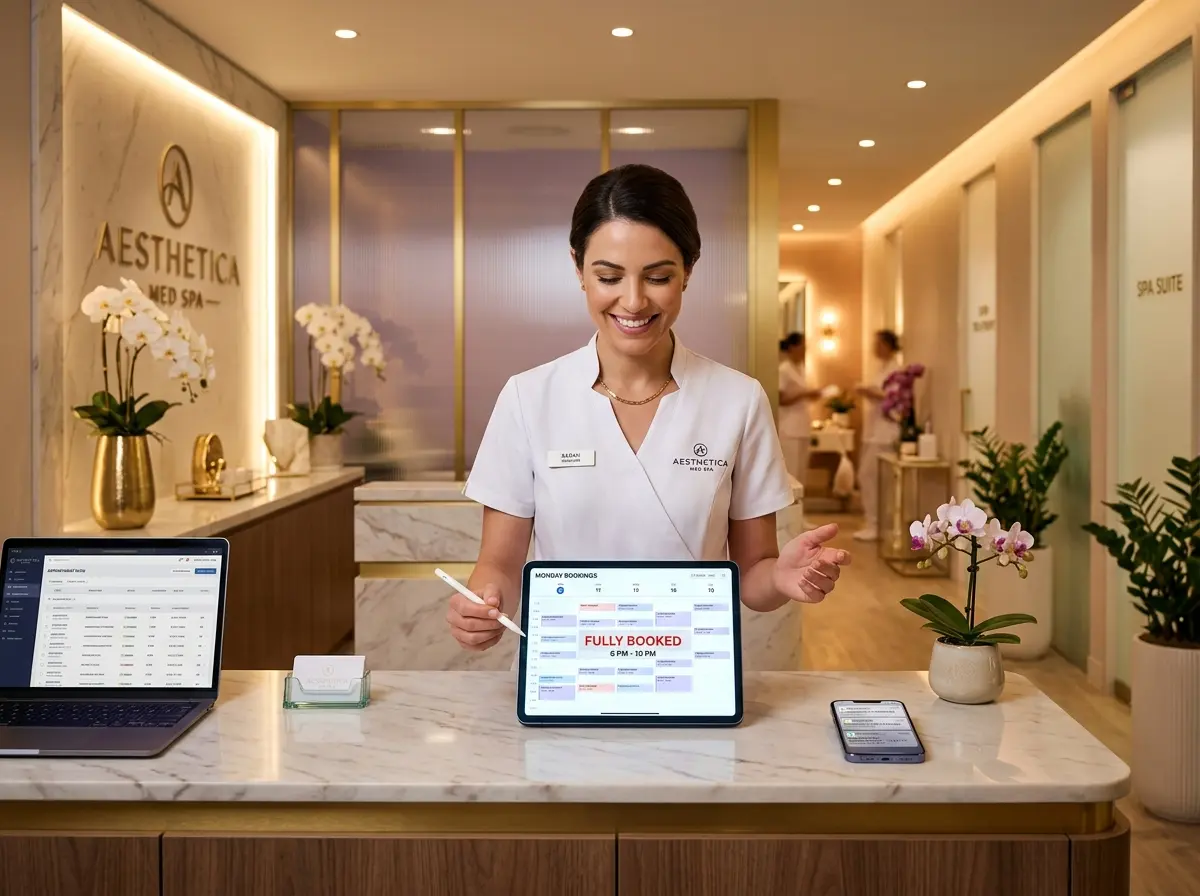
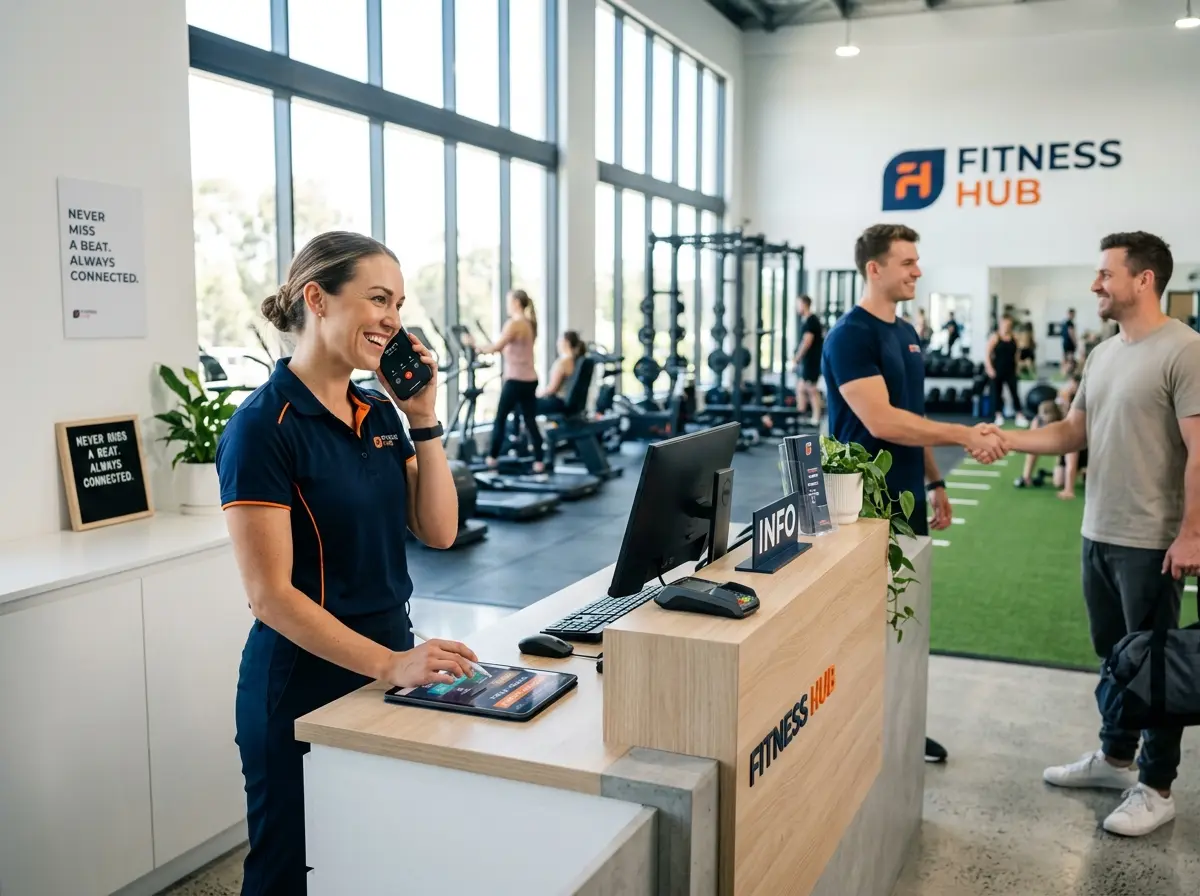
Location-based notifications live or die by their relevance and urgency. A generic "Come visit us today!" message will be swiped away faster than you can say "marketing budget." Your offers need to be specific, time-sensitive, and genuinely valuable. A spa could send: "You're nearby — grab a same-day massage for 20% off if you book in the next hour." A gym could target people walking past: "Free 7-day pass for new members who walk in today only." An auto shop could geofence a dealership and offer: "Just bought a car? Get your first oil change free." The more tailored the message to the moment, the higher the response rate.
Studies from Business Insider Intelligence have shown that 53% of shoppers have made a purchase they weren't originally planning after receiving a location-based promotion. That's impulse buying, engineered ethically. Use it.
Segmenting Your Audience for Better Results
Not every customer who walks past deserves the same message. With the right platform, you can segment your audience based on behavior and history. New visitors might receive a first-time discount. Returning customers could be rewarded with a loyalty perk. Customers who haven't visited in 90 days might get a "We miss you" re-engagement offer. This kind of segmentation turns location-based marketing from a blunt instrument into a precision tool — and it dramatically improves both response rates and customer satisfaction.
Measuring What Matters (and Ignoring What Doesn't)
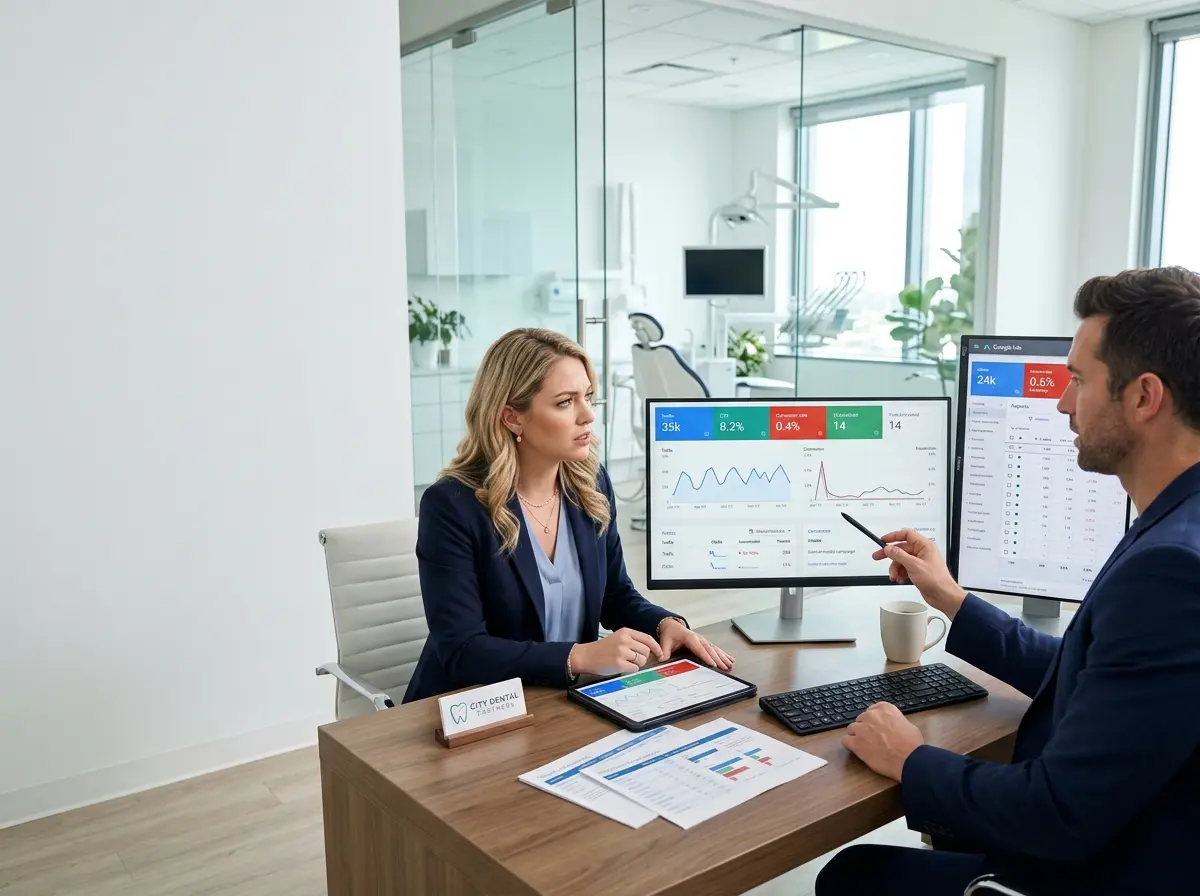
Vanity metrics will get you nowhere. When evaluating the performance of your beacon and geofencing campaigns, focus on conversion rate (how many people who received the notification actually came in or made a purchase), redemption rate (how many used the specific offer), and revenue per visit from notification-driven traffic versus baseline. Most platforms provide this data natively. Set a baseline in your first month, run tests, and iterate. Location-based marketing rewards businesses that treat it as an ongoing experiment rather than a one-time setup.
Quick Reminder About Stella
Stella is an AI robot employee and phone receptionist built for businesses of all sizes, available for just $99/month with no upfront hardware costs. In-store, she greets customers, promotes deals, answers questions, and upsells — so the traffic your location campaigns drive actually converts. On the phone, she's available 24/7 to handle inquiries, collect customer information, and forward calls when needed. She's basically the employee who never calls in sick and never forgets a promotion.
Your Next Steps Start Today
Location-based marketing is one of the most underutilized tools in the small business arsenal, mostly because business owners assume it's complicated, expensive, or "for big companies." It's none of those things. Here's a simple roadmap to get started:
- Choose your approach. Start with geofencing if you want broader reach, or beacons if you have a physical storefront and want precise, in-location triggers. Ideally, plan for both.
- Pick a platform. Research tools like Radar.io, Gimbal, or built-in options within Google and Meta ad platforms. Many offer free trials.
- Design one strong offer. Don't overcomplicate your first campaign. Create one compelling, time-sensitive promotion and test it for 30 days.
- Make sure your in-store experience can handle the traffic. There's no point driving people to your location if the experience doesn't match the promise of your promotion.
- Measure, adjust, repeat. Let the data tell you what's working and double down on it.
The technology is ready. Your competitors may or may not be using it yet — but either way, the customers are already walking past your door. The only question is whether you're going to say something to them. It's time to make sure you do.