Your Athletes Are Already Out There — Are You Talking to Them?
Here's the thing: most physical therapy practices offer perfectly good care for athletes. The problem isn't the treatment. It's the messaging. General healthcare marketing is safe, comfortable, and almost completely invisible to the athlete audience. "We treat pain and help you recover" sounds great on paper. To a triathlete or a high school soccer player, it sounds like every other clinic on the block.
Why Athletes Are a Different (and Better) Kind of Patient
They're Not Coming In to "Feel Better" — They're Coming In to Perform
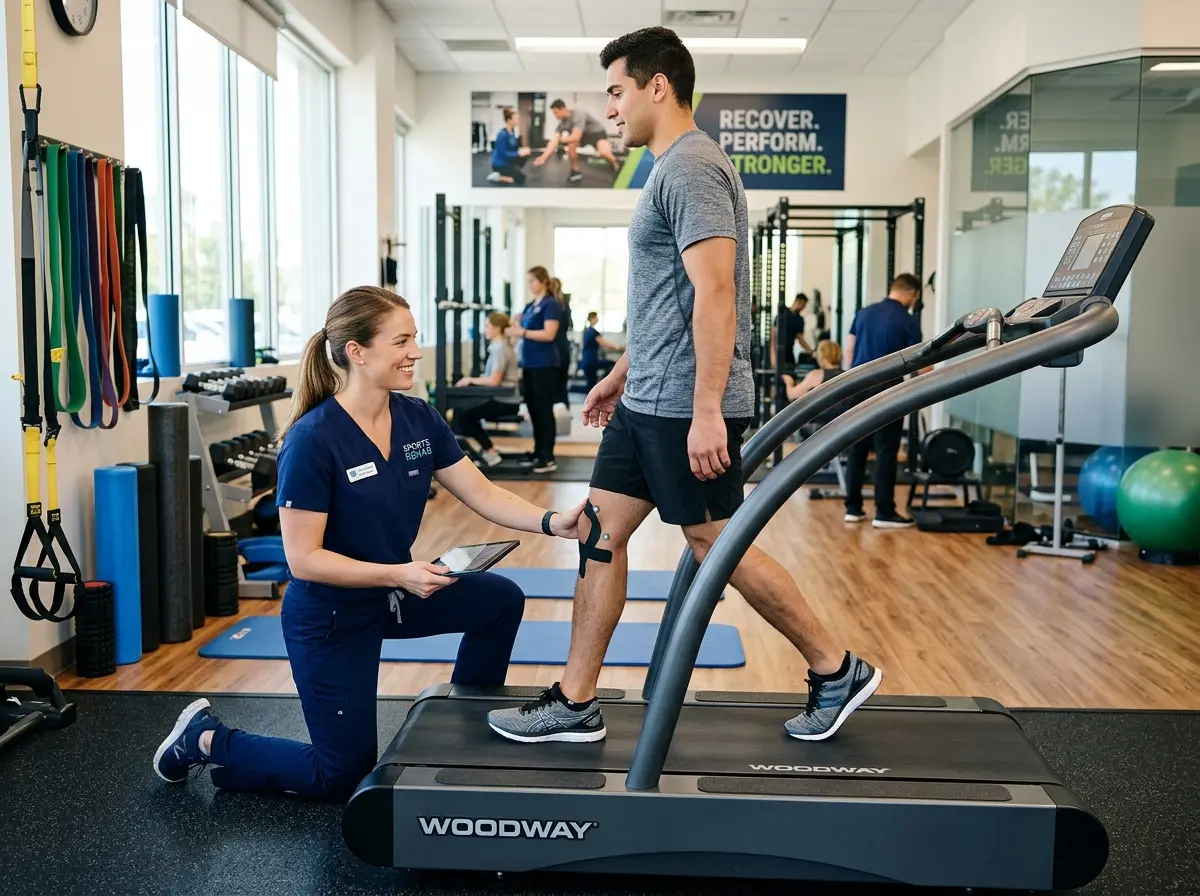
Regular patients typically want to resolve pain and get back to daily life. Athletes want to get back to the podium, the field, or the start line — and then perform better than before. This distinction completely changes how you should position your services. Concepts like movement efficiency, sport-specific rehabilitation, return-to-sport timelines, and performance optimization resonate deeply with athletes. These aren't buzzwords — they're exactly what an athlete wants to hear when choosing a physical therapist. Lead with them.
The Referral Network Is Practically Built for You
They Follow Through With Treatment
Streamlining Athlete Intake and Communication
First Impressions Matter More Than You Think
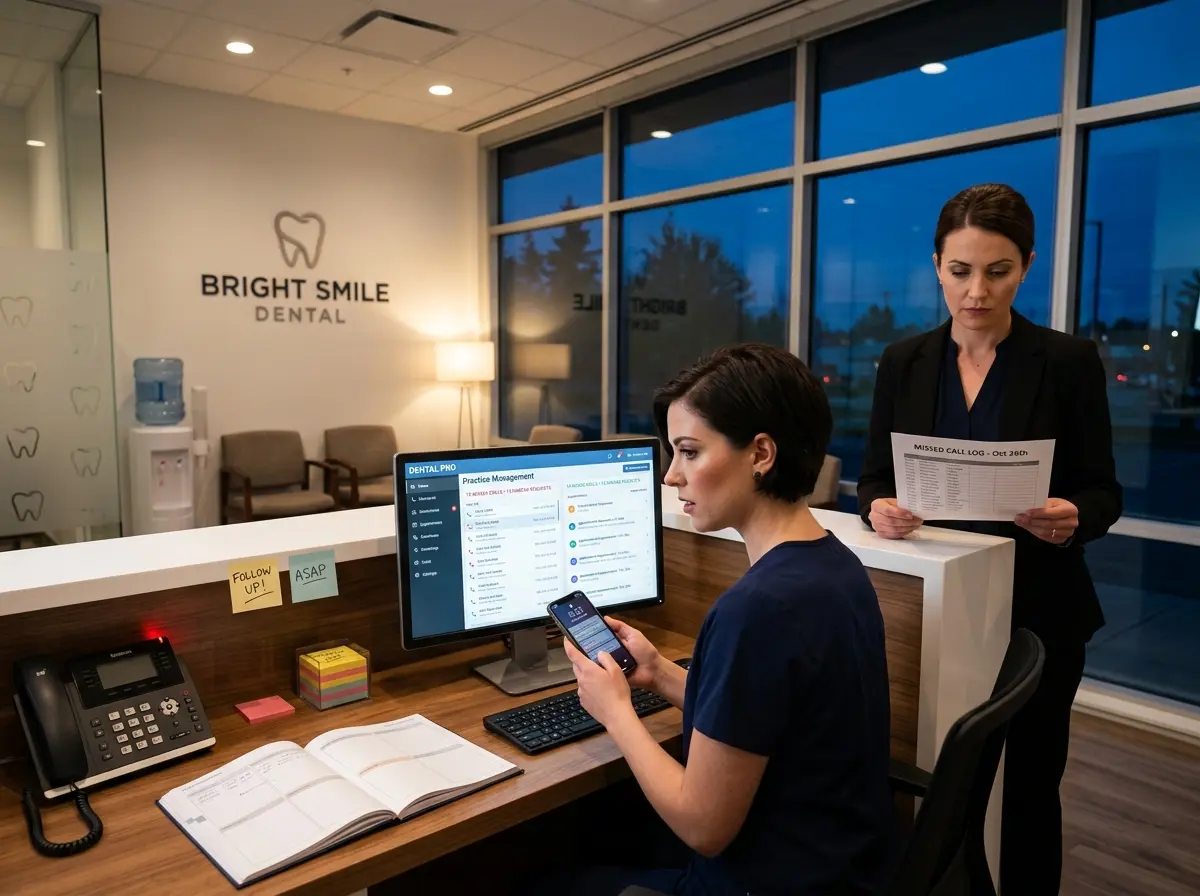
Athletes are busy. They train before work, squeeze in rehab during lunch breaks, and manage packed schedules with the efficiency of a logistics company. If your intake process is clunky, your phones go to voicemail, or a new patient inquiry gets lost in the shuffle, you've already lost them to a more responsive competitor. This is where Stella can quietly become one of your practice's best assets.
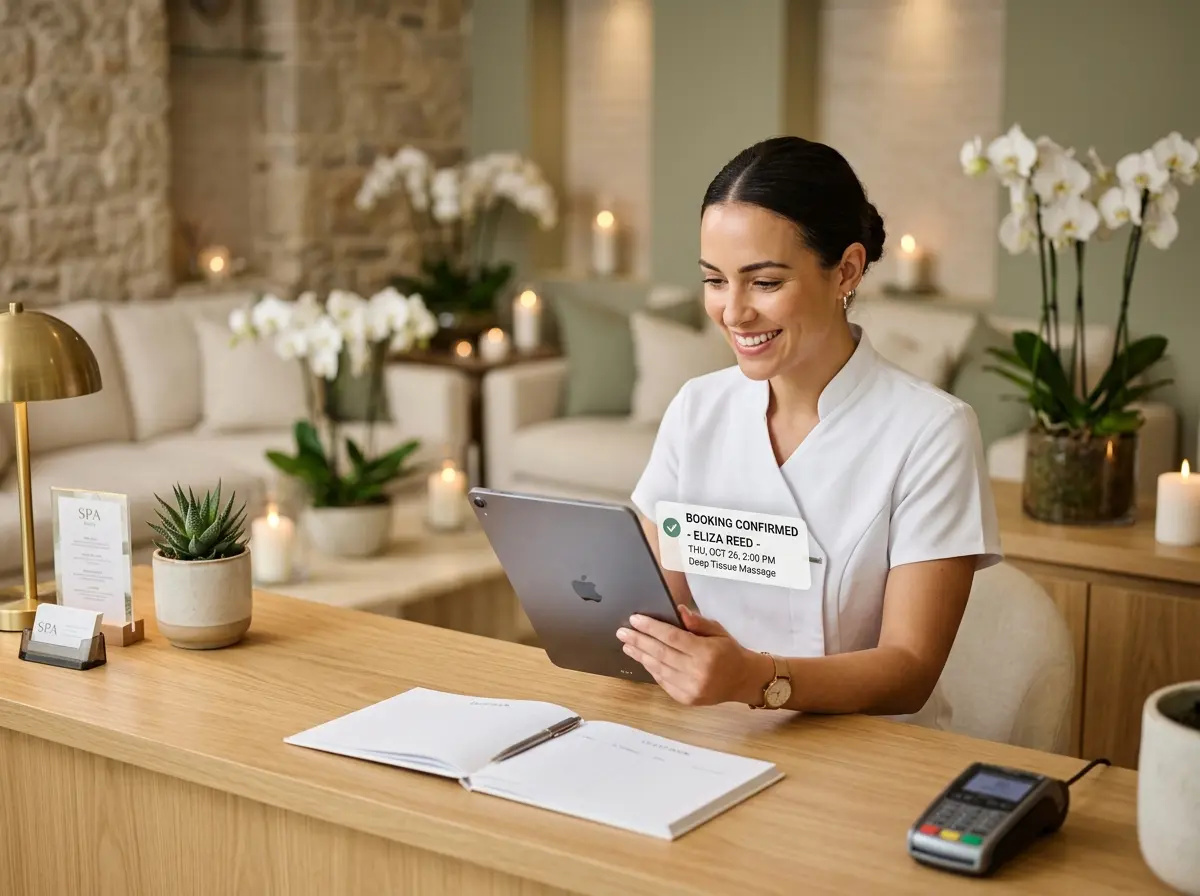
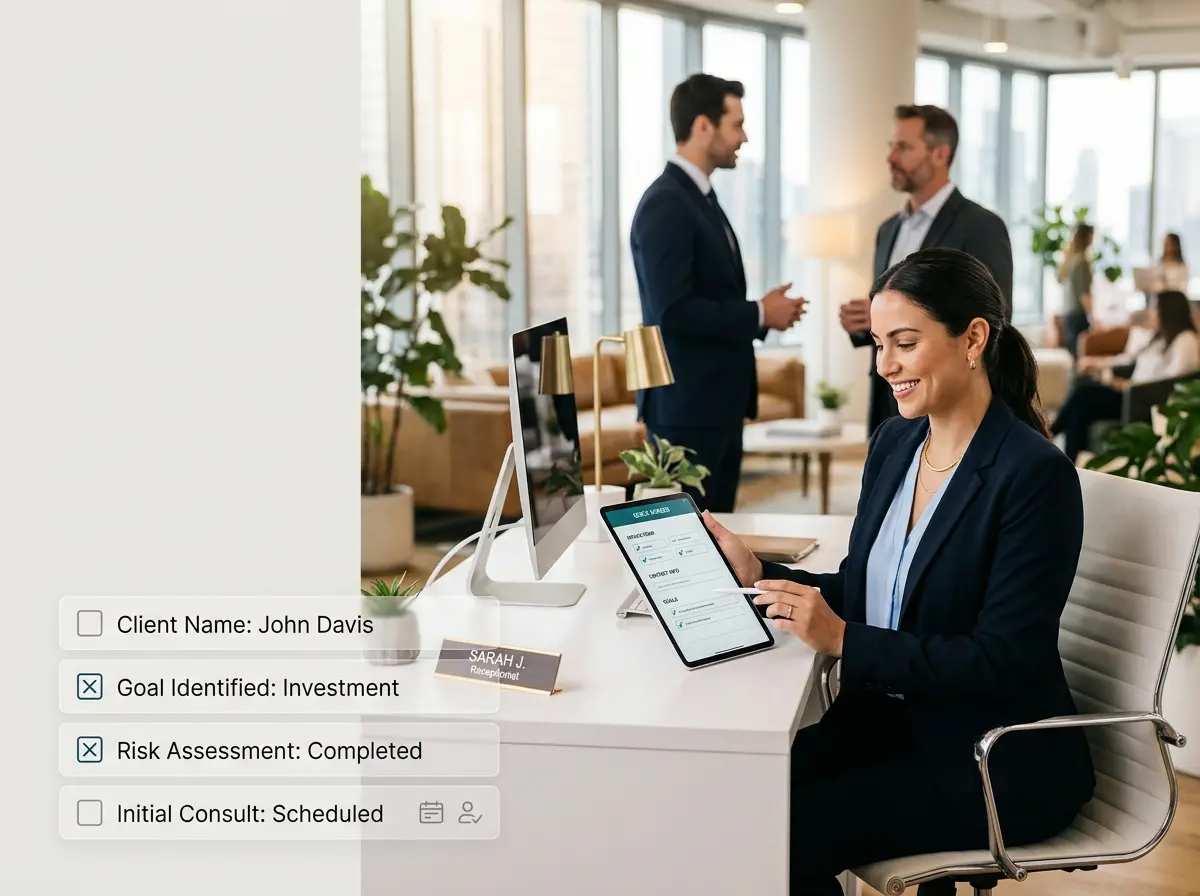
Stella is an AI robot employee and phone receptionist that handles calls 24/7, greets walk-in patients at your kiosk, and collects intake information through conversational forms — all without putting any additional pressure on your front desk staff. When an athlete calls at 7 PM after a rough practice to ask about your return-to-sport protocols or to book an appointment, Stella answers with the same professionalism and knowledge she'd use during peak hours. Her built-in CRM also lets you tag contacts by sport, injury type, or referral source, making it easy to build targeted outreach over time.
How to Actually Build an Athlete-Focused Marketing Strategy
Create Sport-Specific Content That Earns Trust
Build Relationships With Local Athletic Organizations
Leverage Patient Testimonials — Especially Ones With Specifics
A Quick Reminder About Stella
Stella is an AI robot employee and phone receptionist built for businesses like yours. She greets patients at your in-office kiosk, answers phones around the clock, handles intake forms, and keeps your CRM organized — all for $99/month with no upfront hardware costs. While you're busy treating athletes, Stella makes sure no inquiry, appointment request, or after-hours call goes unanswered.
Time to Stop Marketing to Everyone and Start Marketing to Someone
- Audit your current marketing materials for sport-specific language. If it isn't there, add it.
- Identify two or three athletic communities in your area and find one genuine way to show up for each of them this quarter.
- Create one piece of sport-specific content — a blog post, a video, an FAQ page — and publish it this month.
- Streamline your intake and response process so that no athlete who reaches out feels like they're navigating a bureaucratic obstacle course.
- Ask your existing athletic patients for testimonials and start using them actively.