Introduction: The Briefing That Could Be Making You Money
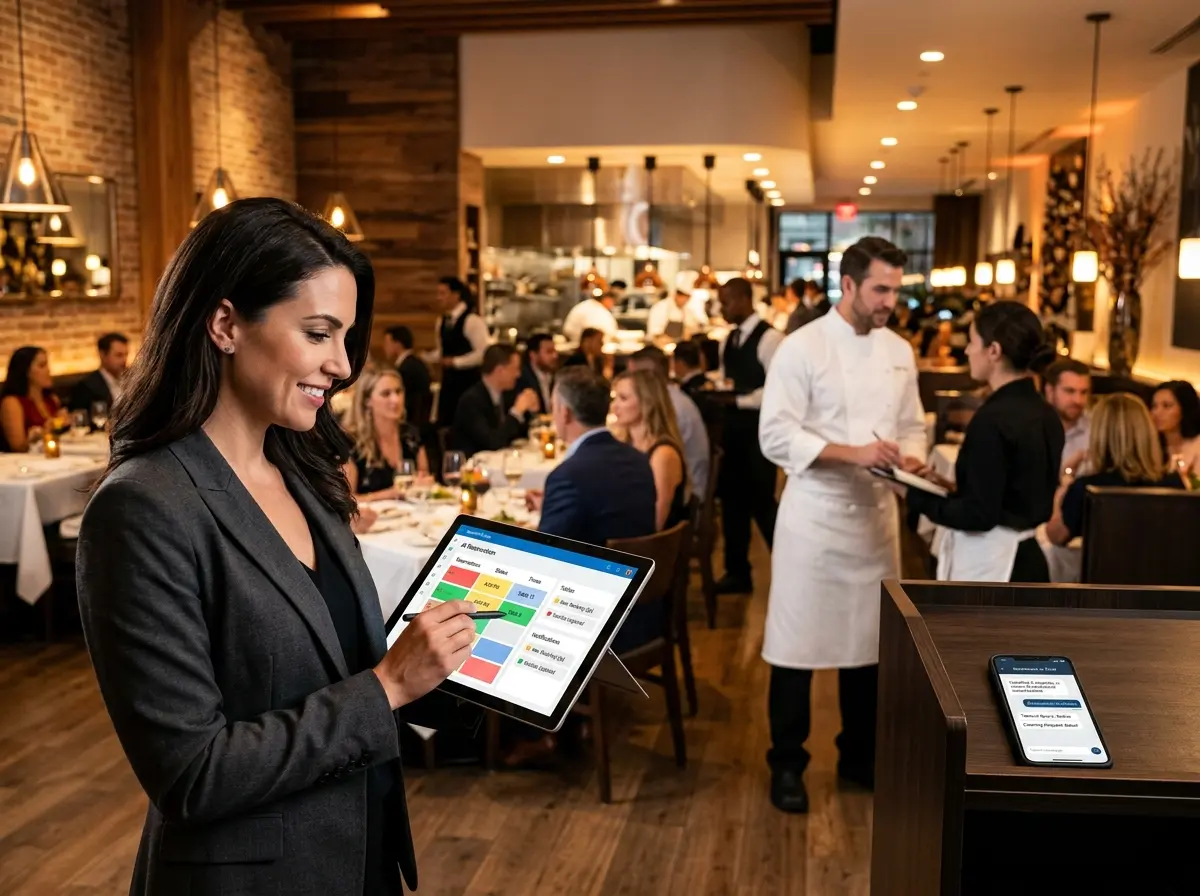
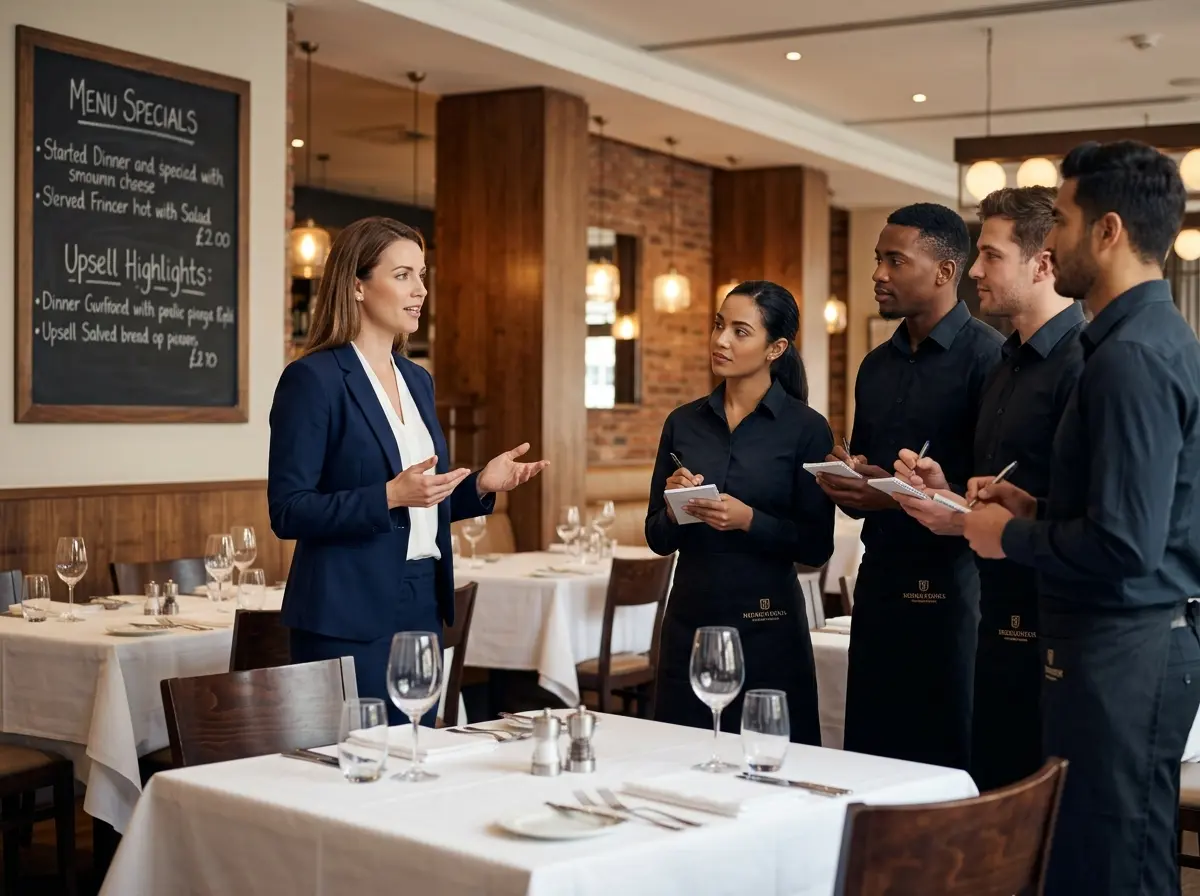
Let's be honest — the pre-shift meeting at most restaurants looks something like this: a distracted manager rattles off the nightly specials while half the servers are still tying their aprons and the other half are checking their phones. Three minutes later, everyone scatters to roll silverware, and approximately nobody retains a single thing that was said. Sound familiar?
Here's the uncomfortable truth: your pre-shift training is either making you money or costing you money. There is no neutral. Every time a server approaches a table without knowing the evening's specials, without a confident upsell strategy, or without a clear understanding of which menu items carry the highest margins, you're leaving real dollars on the table — and not in the tip jar.
The good news is that transforming your pre-shift routine doesn't require a culinary degree or a hospitality consultant on retainer. It requires intention, structure, and a team that actually walks onto the floor prepared. This post breaks down exactly how to build a pre-shift training culture that drives higher check averages, keeps your staff sharp, and ultimately makes your restaurant more profitable — one table at a time.
The Anatomy of a Pre-Shift That Actually Works
Structure It Like You Mean It
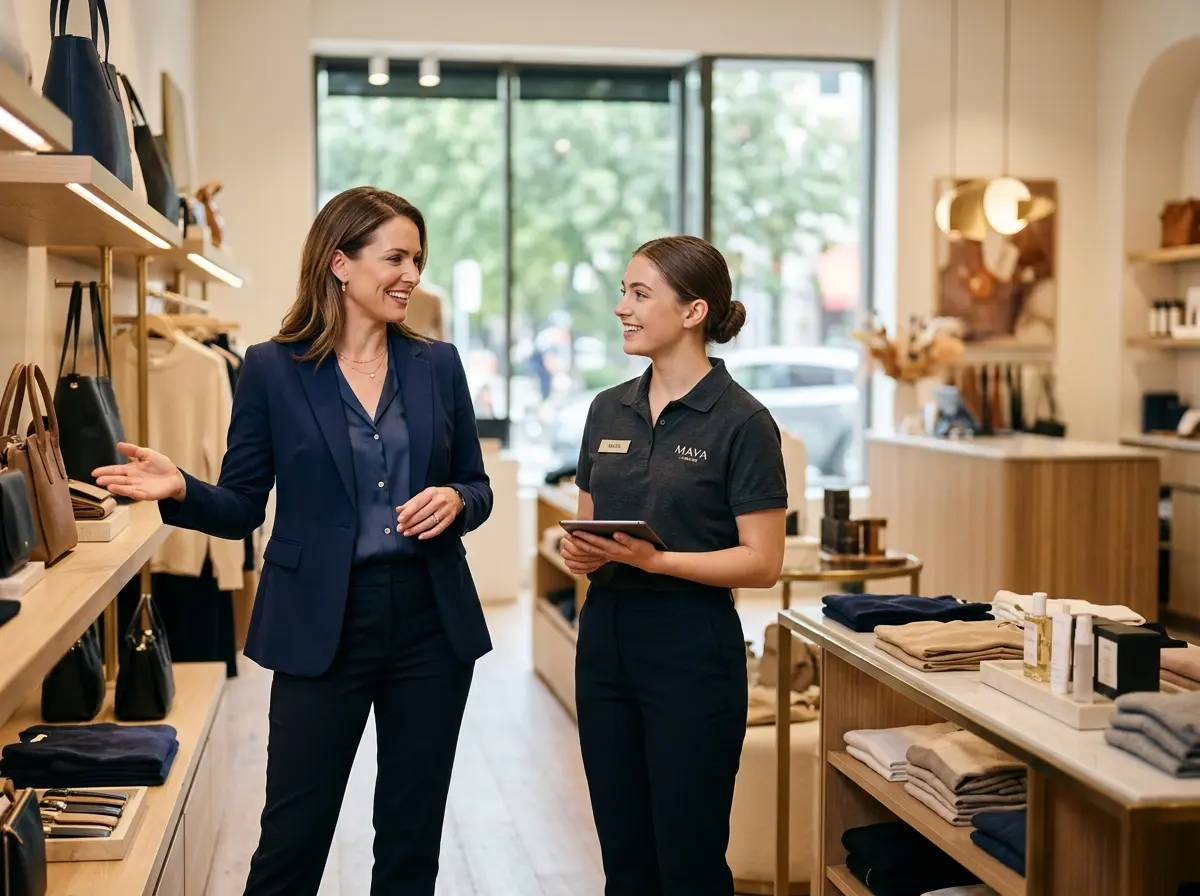
A pre-shift meeting that drives results isn't improvised — it's designed. Aim for a consistent 10-to-15-minute window before every service, held at the same time, in the same spot, with the same basic structure. Consistency signals to your team that this time matters. When managers wing it, staff take their cue and mentally clock out before they've even clocked in.
A solid pre-shift structure typically includes a brief review of reservations and expected covers, a rundown of specials with tasting notes and suggested pairings, a highlighted "feature item" or high-margin dish to actively promote, any 86'd items or kitchen limitations, and one focused training topic — more on that below. That's it. Keep it tight, keep it energetic, and keep it relevant. Your servers are about to walk into battle; they need a briefing, not a board meeting.
The "Feature Item" Philosophy
One of the highest-impact habits you can build into your pre-shift is designating a single feature item each shift — a dish, cocktail, or dessert that you actively want your servers to recommend. This isn't just about moving inventory (though that helps). It's about giving your team a focused talking point that feels natural rather than salesy.
Research consistently shows that suggestive selling by servers can increase average check totals by 10–30%, depending on the concept and execution. A server who genuinely says, "The short rib is incredible tonight — Chef just got a new batch in and the kitchen is really proud of it," is not upselling. They're hosting. Train your staff to make that distinction, and watch the hesitation disappear.
Use Tasting as a Training Tool
You cannot sell what you cannot describe, and you cannot describe what you've never tasted. Allowing servers to taste specials and new menu items before service is one of the most cost-effective training investments a restaurant can make. A server who has actually eaten the mushroom risotto can tell a guest it's "earthy, creamy, and a little bit addictive" — and that kind of authentic enthusiasm is worth more than any table tent or menu description ever printed.
Even a small bite during pre-shift transforms a server's confidence when speaking to the menu. It also builds genuine pride in the product, which guests can feel. If full tastings aren't feasible every shift, rotate featured items and ensure every server has tasted every menu item at least once per season.
How Technology Can Take Some of the Load Off Your Team
Let Your Front-of-House Focus on the Table, Not the Phone
Here's a scenario every restaurant owner knows too well: your servers are mid-service, tables are full, the kitchen is firing on all cylinders — and the phone rings. Someone needs to know if you take reservations, what your hours are on Sunday, or whether you have a gluten-free menu. Now one of your staff members is standing at the host stand, half-distracted, fumbling through an answer while three tables wait.
Stella, the AI robot employee and phone receptionist, can handle exactly this kind of interruption. As a physical kiosk presence inside your restaurant, she can greet walk-in guests, answer questions about the menu, and promote current specials — so your servers can stay focused on delivering exceptional table-side experiences. And as a 24/7 phone receptionist, she handles incoming calls professionally, answers common questions, and can even forward calls to human staff when a situation genuinely requires it. The result? Your team walks into every service less distracted and more focused on what actually moves the needle: the guest in front of them.
Turning Pre-Shift Knowledge Into Table-Side Results
Teach the Art of the Strategic Upsell
There's a meaningful difference between pushy upselling and genuinely helpful recommendations — and your servers need to understand that line clearly. Strategic upselling isn't about squeezing every dollar out of a guest. It's about enhancing their experience in a way that also happens to benefit your bottom line. When done well, guests don't feel sold to at all. They just feel taken care of.
Train your servers to upsell at natural moments in the dining experience: suggesting a wine pairing when the entrée is ordered, offering a starter when the table is still deciding, or mentioning a dessert special before the check is requested. Role-play these scenarios during pre-shift. Have servers practice the language out loud — because there's a significant difference between a server who knows the right approach and one who can execute it under pressure with a four-top staring at them.
Build Team Accountability Around Check Averages
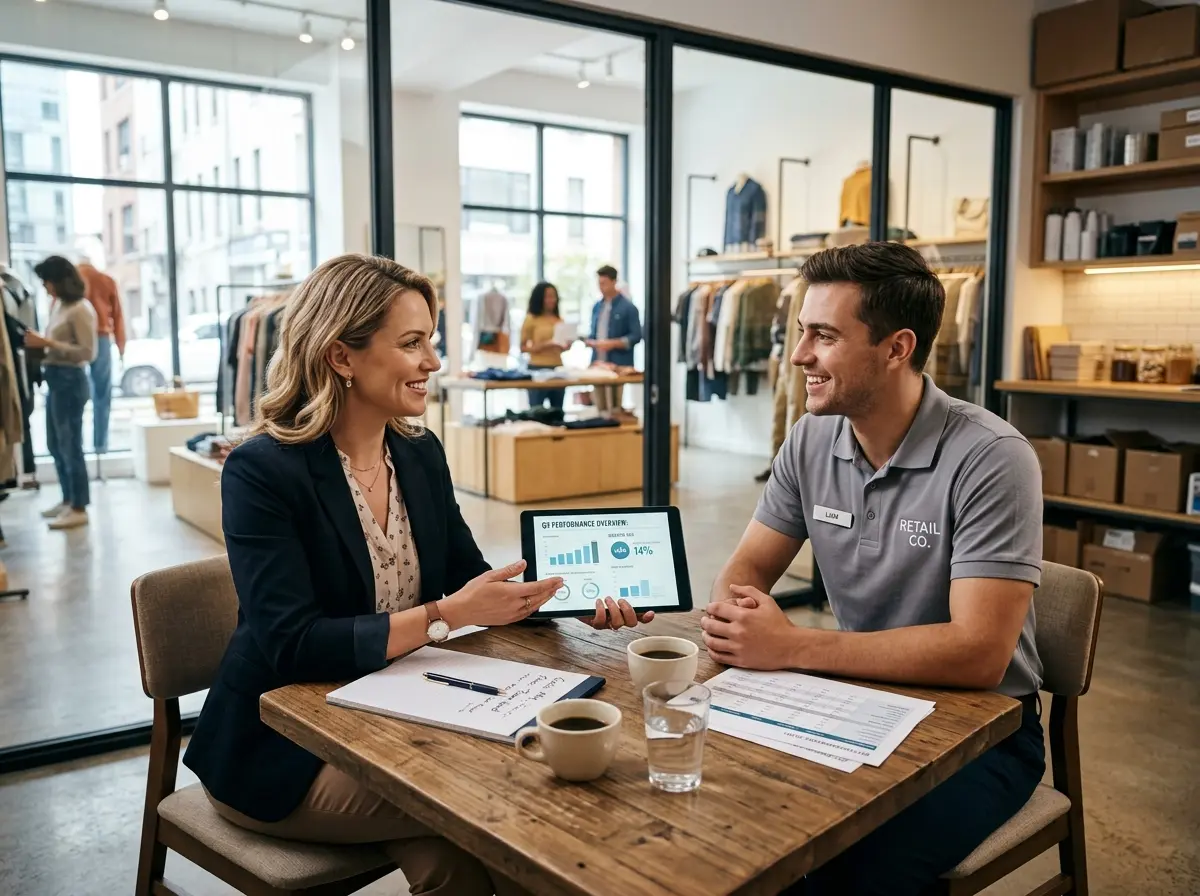
If you're not already tracking per-server check averages, start today. This single metric can reveal an enormous amount about your team's performance — and it gives you something concrete to discuss during pre-shift briefings. You don't need to shame anyone publicly; rather, use the data to celebrate wins ("Marcus ran the highest check average on Saturday — here's what he was recommending") and to identify coaching opportunities for those who are consistently underperforming.
Consider implementing a simple weekly recognition practice for the server who demonstrates the best upsell results. It doesn't need to be elaborate — a preferred section, first pick of shifts, or even just genuine public acknowledgment can go a long way toward building a culture where suggestive selling is seen as a skill worth developing rather than an awkward obligation.
Rotate Training Topics to Keep Momentum Going
One of the fastest ways to kill pre-shift engagement is to repeat the same content week after week. Rotate your micro-training topics on a regular cycle to keep things fresh and relevant. Consider cycling through subjects like wine and beverage knowledge, handling dietary restriction conversations with confidence, managing table pacing for optimal turnover, reading guest cues for upsell timing, and handling complaints with grace and efficiency.
Even dedicating just three to five minutes per shift to one of these topics compounds dramatically over time. A server who gets 200 micro-training moments per year knows significantly more than one who gets zero. That knowledge gap shows up in check averages, guest satisfaction scores, and ultimately, in your revenue. The investment is minimal. The return is not.
Quick Reminder About Stella
Stella is an AI robot employee and phone receptionist designed for businesses like yours — she stands inside your location as a friendly, knowledgeable kiosk presence, and she answers your phones 24/7 so your staff never has to break focus during a busy service. At just $99/month with no upfront hardware costs, she's one of the easiest ways to reduce staff interruptions and ensure every customer interaction — in person or over the phone — gets handled professionally.
Conclusion: Small Shifts, Big Results
The pre-shift meeting is one of the most underutilized revenue tools in the restaurant industry. It costs you nothing but a few minutes of intentional preparation, and when done consistently, it can meaningfully move your check averages, improve guest satisfaction, and build a more confident, cohesive front-of-house team.
Start with these actionable steps this week:
- Formalize your pre-shift structure. Choose a consistent time, place, and agenda format — and stick to it every single service.
- Designate a feature item every shift. Give your team one focused item to recommend with confidence and enthusiasm.
- Implement server tastings. Even a rotating schedule ensures your entire team can speak authentically about your menu.
- Track check averages by server. Use the data to coach, celebrate, and continuously improve.
- Rotate micro-training topics. Build a bank of brief, practical topics and cycle through them consistently.
Your servers are your most powerful sales force — and your pre-shift is the one moment each day when you have their full attention. Use it wisely, and your average check total will thank you for it.