Introduction: The Beautiful Disaster of Running Both
Ah, the walk-in and appointment hybrid model. The idea sounds wonderful in theory: a welcoming salon that accommodates loyal scheduled clients and spontaneous walk-ins looking for a quick trim. You get the best of both worlds! More revenue! More clients! More flexibility!
And then reality sets in.
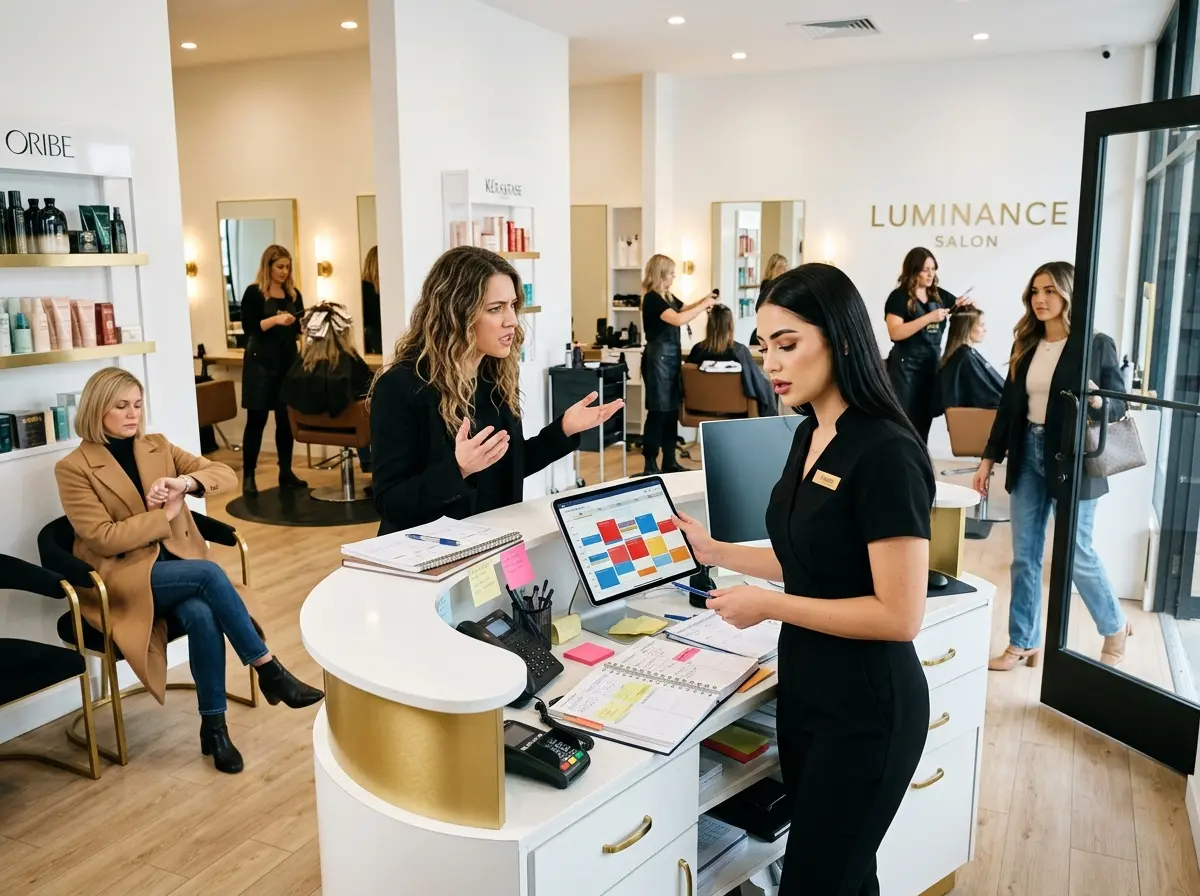
Your stylists are double-booked, your front desk is juggling three conversations at once, a walk-in client has been waiting 45 minutes and is now passive-aggressively scrolling through Yelp, and your 2 o'clock appointment just called to say she's "five minutes away" — which, based on experience, means twenty. If this sounds familiar, you are not alone. According to a study by Zippia, poor scheduling and communication are among the top reasons customers leave a service business and don't return. That's not a small problem. That's a revenue leak dressed in a trendy haircut.
The good news? The chaos isn't inevitable. A hybrid model can work beautifully — it just requires honest operational systems, clear communication, and a little strategic thinking. Let's talk about how to actually pull it off without losing your mind (or your clients).
Why the Hybrid Model Breaks Down
You're Treating Walk-Ins and Appointments the Same Way
One of the most common mistakes salon owners make is failing to differentiate between their two client types at a structural level. Walk-ins and appointment clients have fundamentally different expectations and different levels of urgency — and when you treat them identically, both groups end up disappointed. Your appointment clients feel disrespected when their reserved slot gets pushed because a walk-in took longer than expected. Your walk-in clients get frustrated when they're told the wait is "about 20 minutes" and then sit for an hour because nobody actually tracked availability in real time.
The fix starts with creating clearly separate workflows. Appointment clients should have confirmed time slots with buffer built in. Walk-ins should be quoted wait times based on actual current capacity — not optimistic guesswork from a distracted front desk employee who's also answering the phone and ringing up a retail purchase.
Your Front Desk Is the Bottleneck
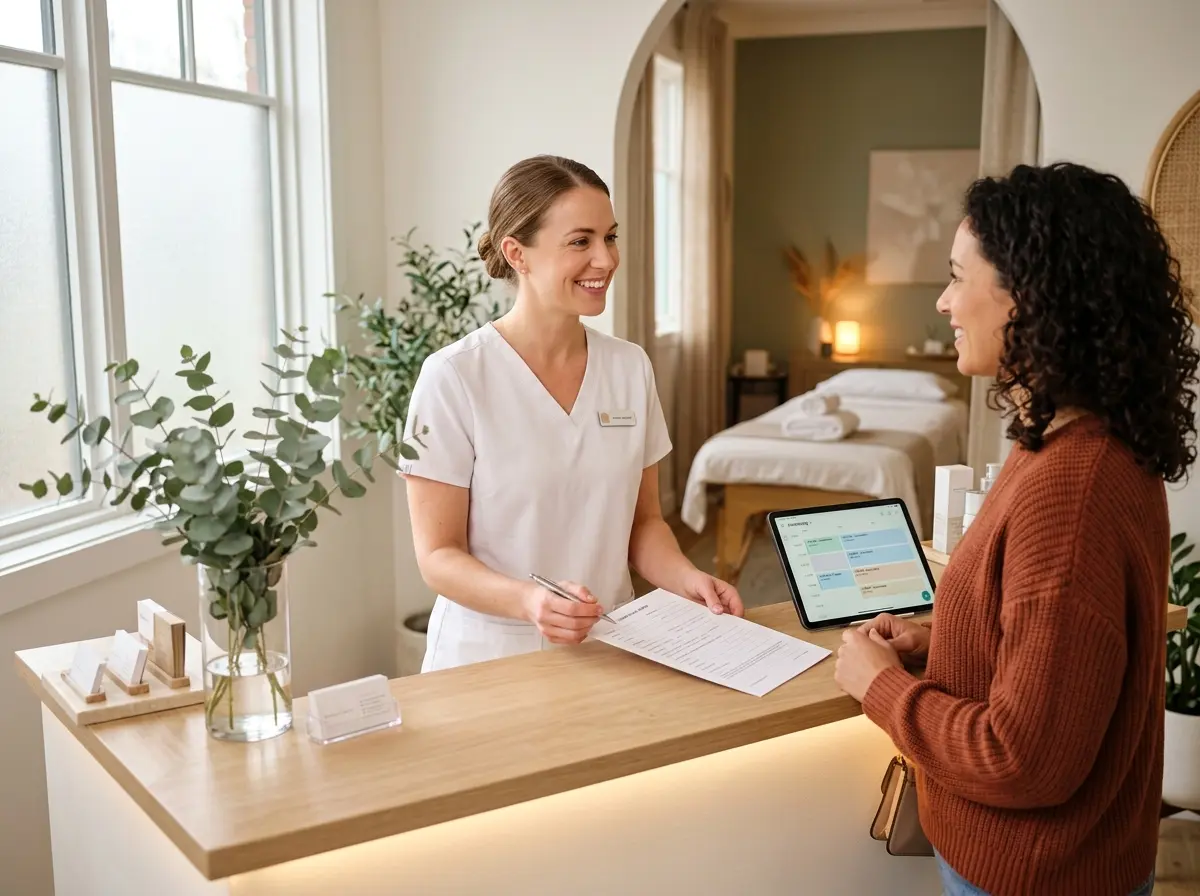
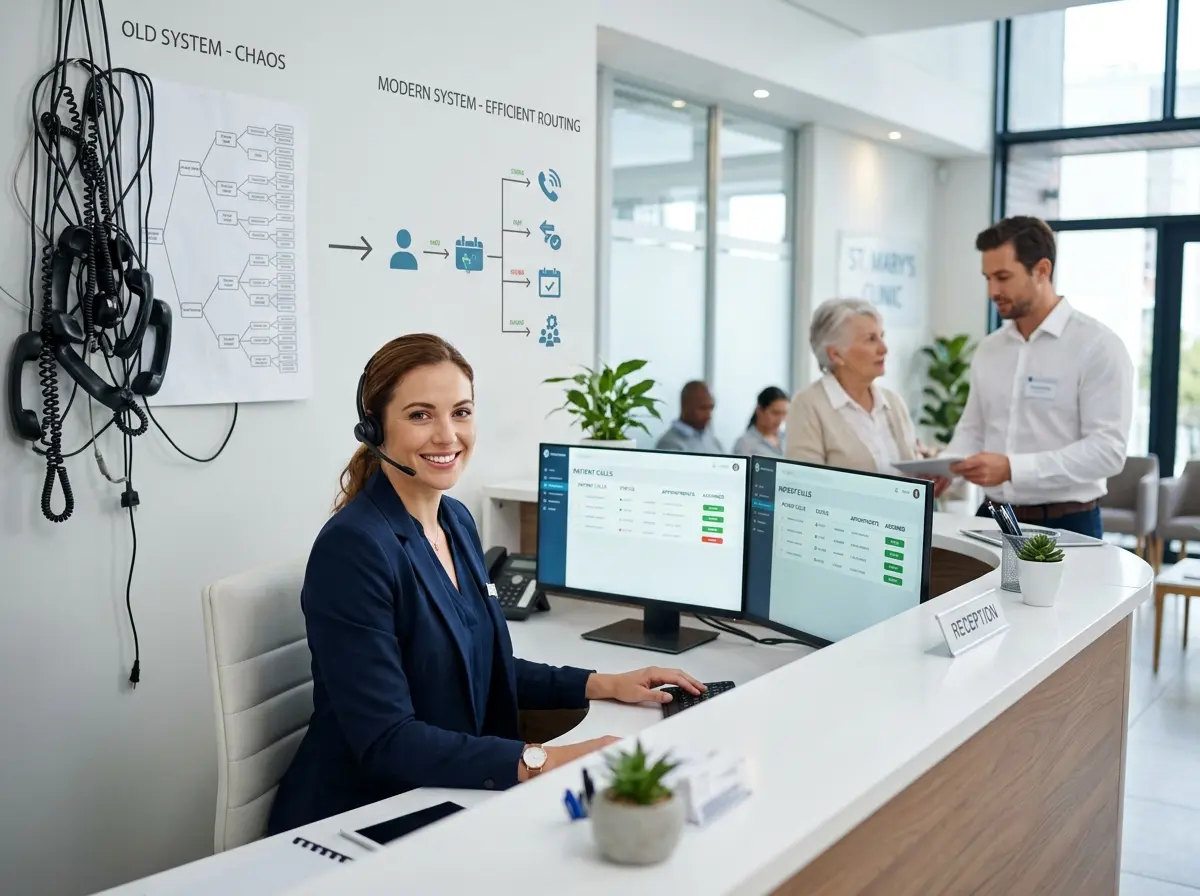
Let's be honest: the front desk at a busy hybrid salon is a pressure cooker. One or two people are expected to greet walk-ins, check in appointments, answer phones, manage a booking system, upsell retail products, handle complaints, and keep the energy positive — all simultaneously. That's not a job description, that's a cry for help.
When the front desk is overwhelmed, small things fall through the cracks. A client calls to cancel but gets put on hold and hangs up — now you have a phantom appointment blocking a stylist's schedule. A walk-in isn't told about the wait time accurately because your receptionist was mid-conversation when they walked in. These aren't failures of effort; they're failures of system design. Your team can only do so much, and pretending otherwise is how you burn out good employees and frustrate loyal clients.
Your Scheduling Software Isn't Doing Enough Heavy Lifting
Many salons operate with scheduling tools that are perfectly adequate for appointment-only models but fall apart the moment walk-in traffic enters the picture. If your system doesn't allow you to designate specific stylist availability windows for walk-ins, block buffer time between appointments, or give front desk staff a real-time visual of who's free and for how long — it's working against you. You can't manage what you can't see, and flying blind during a Saturday rush is a recipe for operational chaos.
Audit your software. Ask whether it gives you the real-time visibility you actually need. If it doesn't, it might be time to upgrade — or at minimum, supplement it with better intake and tracking processes.
A Smarter Front-of-House: Where Stella Comes In
Handling the Walk-In Rush Without Overloading Your Staff
This is where technology becomes less of a luxury and more of a lifeline. Stella, the AI robot employee and phone receptionist, is designed for exactly this kind of environment. As a physical kiosk inside your salon, Stella greets every walk-in client who enters, provides accurate wait time information, answers questions about services and pricing, and can even collect client intake information — all without pulling a single human staff member away from what they're doing. She handles the initial touchpoint so your front desk can focus on the clients who genuinely need hands-on attention.
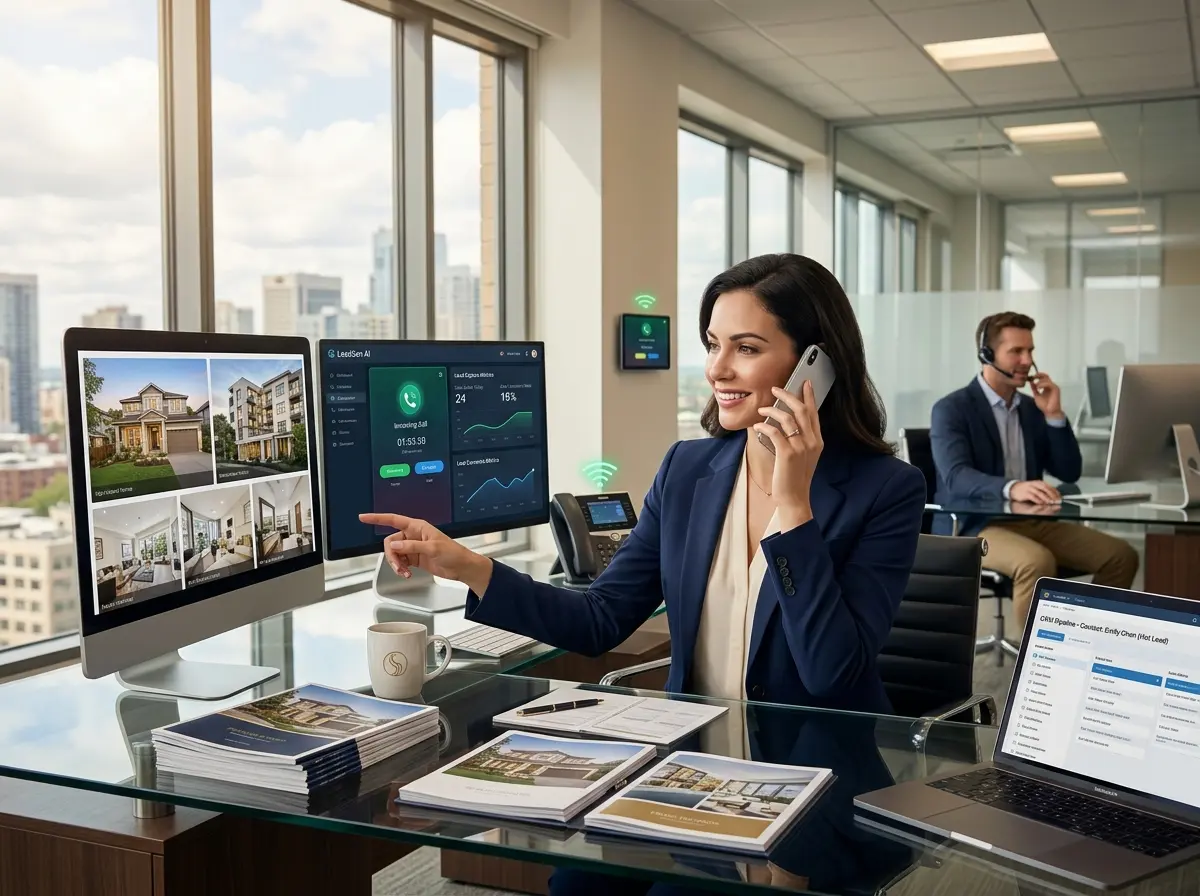
On the phone side, Stella answers calls 24/7 — which means that client calling to reschedule at 8 PM on a Sunday actually gets a response instead of a voicemail that won't be heard until Monday morning. She can handle appointment inquiries, answer policy questions, collect information through conversational intake forms, and forward calls to human staff when the situation genuinely requires it. For a hybrid salon where communication gaps are the core problem, having a consistent, always-available presence on both the front door and the phone line is a meaningful operational upgrade.
Building a Hybrid System That Actually Works
Set Dedicated Walk-In Windows and Protect Them
The most effective hybrid salons don't leave walk-in availability to chance — they engineer it intentionally. This means designating specific time windows during the day where walk-in clients are actively welcomed and stylist capacity is reserved for them. For example, you might protect the first two hours of your morning and one mid-afternoon slot as open walk-in windows, while the rest of the day is appointment-priority.
This approach gives walk-in clients predictable access without creating the anxiety of "we might be able to fit you in... maybe." It also protects your appointment clients from the frustration of competing with unpredictable foot traffic during peak hours. Communicate these windows clearly — on your website, on your social media, and at the front of your salon. Transparency isn't just good customer service; it sets expectations that prevent conflict before it starts.
Create a Real-Time Wait List System (And Actually Use It)
A wait list only works if everyone follows it consistently and updates it in real time. Whether you use a digital tool or a well-managed physical sign-in sheet, the key is that every walk-in client gets logged immediately upon arrival, with a realistic wait estimate that gets updated as conditions change. If the wait time grows, tell the client. Most people can handle a longer wait — what they cannot handle is being told "about fifteen minutes" and then sitting for forty-five with no updates and no acknowledgment.
Consider implementing a simple text notification system so walk-in clients can step out, grab a coffee, and receive a heads-up when they're next. This reduces the social pressure of the waiting area, makes your salon feel more professional, and dramatically improves the perceived experience even when the actual wait is long.
Train Your Team on the Dual-Track Mindset
Your stylists and front desk staff need to fully understand and genuinely buy into the hybrid model — because if they don't, they'll unconsciously favor one client type over the other, usually based on whoever is most visibly present or most vocal at that moment. Hold a team meeting specifically dedicated to walking through how the hybrid system works, what each role is responsible for, and how conflicts should be handled when they arise. Role-play difficult scenarios. What happens when a walk-in arrives right as an appointment client is being checked in? What's the script? Who takes the lead?
Clear protocols eliminate the awkward improvisation that leads to inconsistent client experiences. Your team shouldn't have to figure it out on the fly during a busy Saturday — they should know exactly what to do because you've prepared them in advance.
Quick Reminder About Stella
Stella is an AI robot employee and phone receptionist available for just $99/month with no upfront hardware costs. She works inside your salon as a friendly kiosk and answers phone calls around the clock, giving your business a consistent, professional front-of-house presence without the overhead of additional staff. Easy to set up, always ready, and never in need of a coffee break — she's worth knowing about.
Conclusion: Chaos Is Optional
Running a walk-in and appointment hybrid salon doesn't have to feel like controlled mayhem. The businesses that do it well have one thing in common: they made deliberate choices about how their system works instead of letting it evolve organically into a stressful free-for-all. They protected time blocks, invested in real-time visibility, trained their teams with intention, and found smart ways to handle front-of-house volume without burning out their staff.
Here's your action plan to get started:
- Audit your current scheduling software and confirm it supports real-time walk-in management alongside appointment tracking.
- Define and publish dedicated walk-in windows so clients know when to come and what to expect.
- Implement a real-time wait list system with proactive client communication — no more mystery waits.
- Hold a team training session on your hybrid protocols so every staff member knows the playbook.
- Explore tools like Stella to take pressure off your front desk and keep your phone covered at all hours.
The hybrid model is genuinely one of the most client-friendly approaches a salon can offer. It just needs to be built on purpose, not patched together with wishful thinking and crossed fingers. Get the systems right, and you'll have a salon that feels welcoming to everyone — without making your team feel like they're holding the whole thing together with their bare hands.