So, Someone Left You a Bad Review. Now What?
It happens to the best of us. You pour your heart into your business, go above and beyond for your customers, and then one morning you open your phone to find a one-star review that reads something like: "Worst experience of my life. The parking lot was slightly inconvenient." Fantastic. Thanks, Gary.
Here's the hard truth: negative online reviews are not the end of the world. In fact, 93% of consumers say online reviews influence their purchasing decisions — which means how you respond to a bad review can be just as powerful as the review itself. Potential customers aren't just reading the complaint; they're watching how you handle it. A graceful, professional response can actually increase trust in your brand. A defensive, all-caps meltdown? Less so.
This post is your practical guide to turning those cringe-worthy review moments into genuine opportunities — without losing your professionalism, your customer base, or your sanity.
The Art of Responding to Negative Reviews
Step Away from the Keyboard (Briefly)
Before you type a single word, take a breath. Seriously. The impulse to defend yourself immediately is completely understandable, but responding in the heat of the moment is one of the most common — and costly — mistakes business owners make. A reactive response can escalate a minor complaint into a full-blown PR situation, and the internet has a very long memory.
Give yourself 30 minutes to an hour before crafting your reply. Use that time to actually investigate the complaint. Look up the customer's visit, talk to staff, and understand what really happened. You may find the reviewer has a legitimate point — or you may confirm that this particular individual was upset because you ran out of their preferred parking spot. Either way, you'll respond with context instead of emotion.
Craft a Response That's Professional, Empathetic, and Brief
A great response to a negative review follows a simple formula: acknowledge, apologize (where appropriate), and act. You don't need to write an essay. You don't need to list every reason why the customer might be wrong. Keep it concise, keep it human, and keep it solution-focused.
For example: "Hi [Name], we're sorry to hear your visit didn't meet your expectations. We take this kind of feedback seriously and would love the opportunity to make it right. Please reach out to us directly at [contact info] so we can help." That's it. Short, professional, and it moves the conversation offline — which is exactly where you want it. Public comment threads are not a great venue for customer service negotiations.
Know When to Flag or Report a Review
Not every negative review is a legitimate customer experience. Some are fake. Some are from competitors. Some are from people who have clearly never visited your business but have very strong opinions about it anyway. Platforms like Google and Yelp have policies against fraudulent reviews, and you have every right to flag content that violates their guidelines.
Document your case clearly — screenshots, timestamps, evidence that the reviewer was never a customer — and submit a formal dispute. It won't always work, and it won't always be fast, but it's worth pursuing for reviews that are genuinely defamatory or fabricated. Just don't fall into the trap of flagging every negative review simply because you disagree with it. That approach will get you nowhere, and it won't improve your actual customer experience.
How a Better Front-Line Experience Prevents Bad Reviews in the First Place
Most Bad Reviews Are Symptoms, Not the Disease
Here's something worth sitting with: the majority of negative reviews aren't really about the product. They're about the experience. Customers felt ignored, uninformed, or undervalued. They waited too long, couldn't get a straight answer, or felt like nobody was paying attention. These are fixable problems — and fixing them upstream means fewer fires to put out downstream.
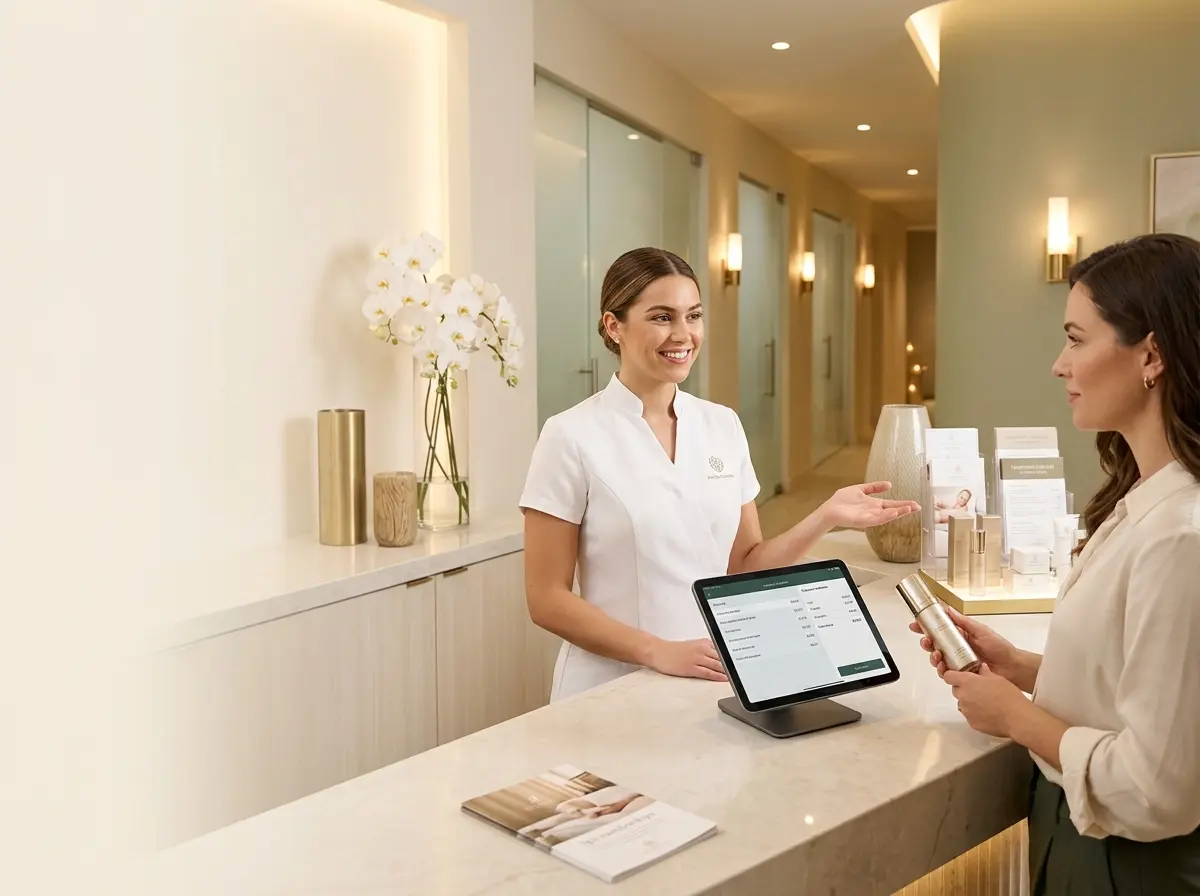
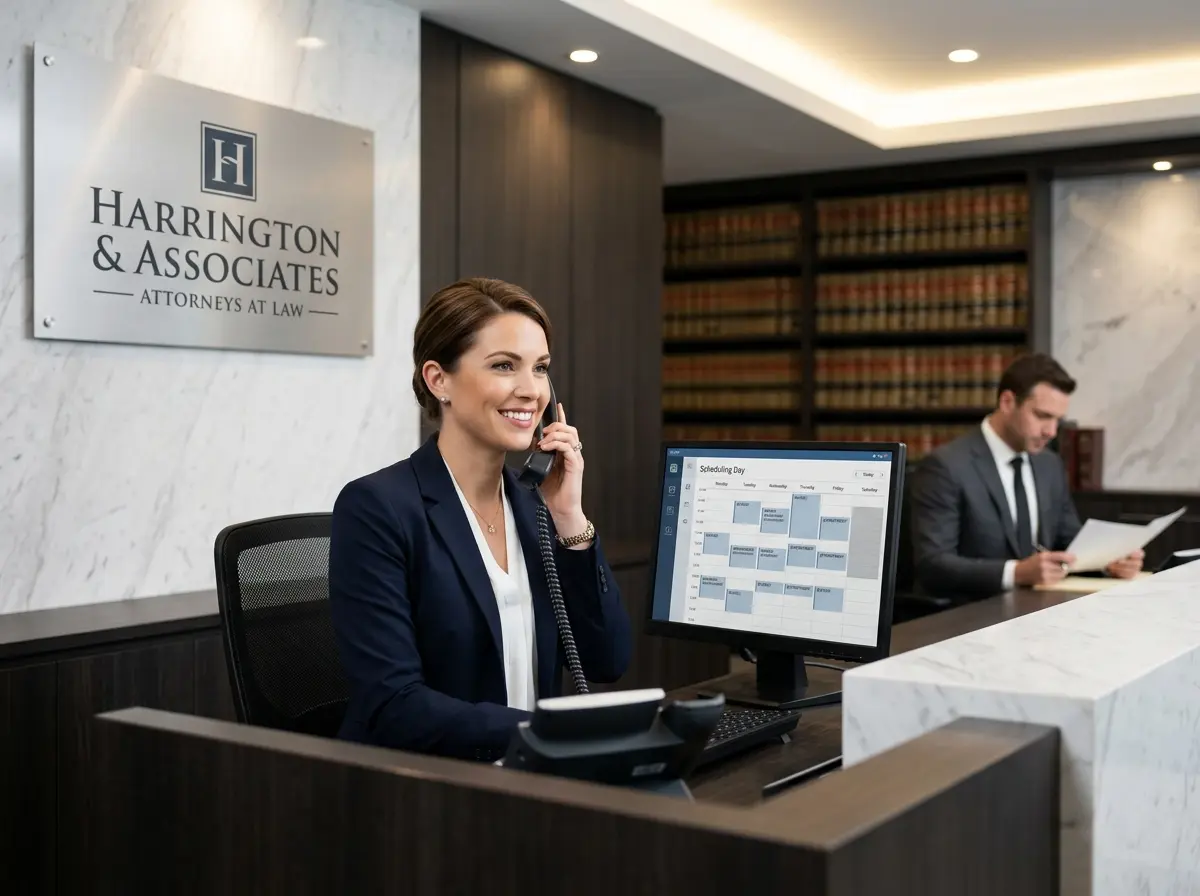
That's where Stella, the AI robot employee and phone receptionist, comes in. For businesses with a physical location, Stella greets every customer who walks through the door — proactively, consistently, and without the occasional bad day that human staff are entitled to have. She answers questions about products, services, hours, and promotions, reducing the chance that a customer leaves frustrated simply because they couldn't find someone to help them. And because she's available 24/7 on the phone as well, customers who call after hours aren't met with silence or an outdated voicemail message — they get real, helpful answers.
Stella also collects customer information through conversational intake forms and stores it in her built-in CRM, giving your team the context they need to follow up thoughtfully and personally — which, as it turns out, is exactly the kind of service that makes customers leave five-star reviews instead of one-star rants.
Building a Review Strategy That Works For You
Actively Encourage Happy Customers to Leave Reviews
One of the most overlooked tools in reputation management is simply asking. Happy customers rarely think to leave a review unprompted — but unhappy ones almost always find the motivation. This creates a natural imbalance that doesn't reflect your actual customer satisfaction levels. The fix? Build review requests into your customer journey.
After a completed service, a successful purchase, or a resolved issue, reach out with a friendly message and a direct link to your preferred review platform. Keep it simple and low-pressure. Most satisfied customers are genuinely happy to help — they just needed the nudge. Some businesses see a dramatic shift in their overall rating within weeks simply by implementing a consistent, polite ask at the right moment in the customer experience.
Monitor Your Online Reputation Consistently
You cannot manage what you don't measure. Set up Google Alerts for your business name, check your review platforms on a regular schedule, and consider using a reputation management tool that aggregates reviews across platforms into a single dashboard. The goal is to catch issues early — before a single bad review becomes a pattern, and before that pattern becomes a narrative.
Consistency matters here. A business that responds to every review — positive and negative — signals to potential customers that you're engaged, accountable, and genuinely care about their experience. Even a simple "Thank you so much! We're glad you enjoyed your visit and hope to see you again soon!" on a five-star review goes a long way toward building the kind of brand personality people actually want to do business with.
Use Negative Feedback as a Product Development Tool
This one requires a shift in mindset, but it's worth it. Negative reviews, when stripped of their emotional sting, are often free market research. If three different customers mention that your wait times are too long, that's not just a complaint — that's a signal that your operations have a gap worth addressing. If multiple reviewers mention that your staff seemed unfamiliar with a particular product line, that's a training opportunity hiding in plain sight.
Keep a simple log of recurring themes in your negative feedback. Review it quarterly. You'll start to see patterns that are genuinely actionable, and addressing them will improve not just your reviews, but your actual business. That's the real win.
Quick Reminder About Stella
Stella is an AI robot employee and phone receptionist designed to give your business a reliable, professional front-line presence — whether that's greeting customers in person at your physical location or answering calls 24/7 as your always-on phone receptionist. She's available for just $99/month with no upfront hardware costs, works across virtually every industry, and is up and running without a complicated setup. If your goal is to prevent the kinds of friction that lead to bad reviews in the first place, she's worth a look.
Your Reputation Is Built One Interaction at a Time
Managing negative reviews isn't really about damage control — it's about demonstrating who you are as a business when things don't go perfectly. And things won't always go perfectly. That's not a failure; that's just reality. What separates thriving businesses from struggling ones isn't the absence of bad reviews — it's the presence of a thoughtful, consistent strategy for handling them.
Here's your action plan:
- Pause before responding. Investigate first, react second.
- Respond professionally using the acknowledge-apologize-act framework, and move conversations offline quickly.
- Flag genuinely fraudulent reviews with documented evidence through the appropriate platform channels.
- Ask happy customers for reviews and make it easy for them to say yes.
- Monitor your reputation consistently so you're never caught off guard.
- Mine your negative feedback for operational insights and act on what you find.
- Fix the front-line experience so fewer complaints make it to the internet in the first place.
The businesses that win the reputation game aren't the ones who never make mistakes. They're the ones who respond well, improve continuously, and make their customers feel heard every step of the way. That's a reputation worth building.