Introduction: The Art of Not Throwing Money in the Trash (Literally)
Let's talk about something every restaurant owner knows intimately: the sinking feeling of watching perfectly good food go into the garbage at the end of the night. You prepped for a full house, three tables cancelled last minute, and now you're staring down a hotel pan of mise en place that's about to become tomorrow's "staff meal" — again. Food waste costs the U.S. restaurant industry an estimated $162 billion per year, and a significant chunk of that comes down to one simple problem: poor prep forecasting.
The good news? You're already sitting on a goldmine of information that can fix this. Your reservation data — who's coming, how many, when, and what they've ordered before — is one of the most underutilized tools in a restaurant's operational toolkit. When you learn to actually use that data instead of just collecting it, you can dramatically reduce waste, cut food costs, and stop prepping for a crowd that never shows up.
This guide walks you through exactly how to do that, without requiring a data science degree or a team of analysts. Just smart systems, consistent habits, and maybe one very helpful AI assistant at the front of the house.
Understanding What Your Reservation Data Is Actually Telling You
Beyond Headcount: The Layers of Useful Data
Most restaurateurs look at reservations and see one thing: covers. Forty covers tonight, sixty on Saturday, done. But reservation data is far richer than a simple headcount, and if you're only skimming the surface, you're leaving serious operational intelligence on the table — pun absolutely intended.
Think about what a single reservation record can contain: the date and time, party size, the guest's name and contact info, any dietary restrictions or special requests noted during booking, whether it's a birthday or anniversary (hello, upsell opportunity), and — if you're using a robust system — historical visit data and past orders. That's a profile. That's a prep signal. A party of four that always orders the ribeye and a bottle of Cab is telling your kitchen something very specific before they ever walk through the door.
Start treating your reservation records less like a waitlist and more like a pre-shift briefing. When your front-of-house team and kitchen team are looking at the same enriched data before service, everyone is operating from the same playbook.
Identifying Patterns Over Time
Single-night data is noise. Aggregated data is insight. The real power of reservation tracking comes when you zoom out and look at patterns over weeks and months. Which nights consistently underperform? What does your Tuesday 7 PM crowd typically order versus your Saturday 8 PM crowd? Do large parties tend to order more appetizers? Does your bar seating drive more dessert orders than your dining room?
These patterns allow your kitchen to stop guessing and start planning. If your data shows that Friday night parties of six or more almost always order a shared appetizer platter, you can confidently prep more of those components on Fridays without scrambling mid-service. If Tuesday evenings have a 20% no-show rate historically, you can adjust your prep quantities accordingly rather than prepping for full capacity that never materializes.
Most modern reservation platforms (OpenTable, Resy, SevenRooms, etc.) have built-in reporting tools that can surface these trends. The problem isn't access to the data — it's building the habit of reviewing it before each service period, not just booking confirmations.
Cancellations, No-Shows, and the Prep Problem They Create
Here's where waste really compounds: last-minute cancellations and no-shows. According to some industry estimates, no-show rates can run anywhere from 5% to 20% depending on the market and reservation policy. That's a meaningful variance to prep around. The solution isn't to stop taking reservations — it's to use historical no-show data to apply a prep buffer that's grounded in reality rather than optimism.
If your Thursday no-show rate over the past three months has averaged 12%, build that into your prep calculations. You don't need to prep for 100% of reserved covers if your data consistently tells you 88% will actually show up. Over time, this one adjustment alone can meaningfully reduce end-of-night waste without any impact on guest experience.
Smarter Tools for a Smarter Front of House
How Technology Can Close the Gap Between Bookings and Kitchen Reality
Even the best data is only useful if it gets communicated to the right people at the right time. One area where many restaurants lose the thread is in the gap between how reservations are collected and how that information flows to the kitchen. A reservation platform that doesn't talk to your POS, or a phone booking process that relies on handwritten notes, creates friction — and friction leads to miscommunication, missed prep signals, and waste.
This is where tools like Stella can quietly make a meaningful difference. Stella is an AI robot employee that handles phone calls and in-store customer interactions, and she's particularly useful for restaurants because she can collect guest information conversationally — dietary restrictions, party size, occasion details, and preferences — during the booking call itself. That information flows into her built-in CRM with AI-generated customer profiles, custom fields, and tags, so your team always has context before guests arrive. No more sticky notes, no more "I think she mentioned a shellfish allergy," no more missed details that lead to over-prepping the wrong things. Stella also answers calls 24/7, so you're capturing reservation details and guest preferences even when your host stand is understaffed or closed.
Turning Data Into a Prep Strategy That Actually Works
Building a Data-Informed Prep Sheet
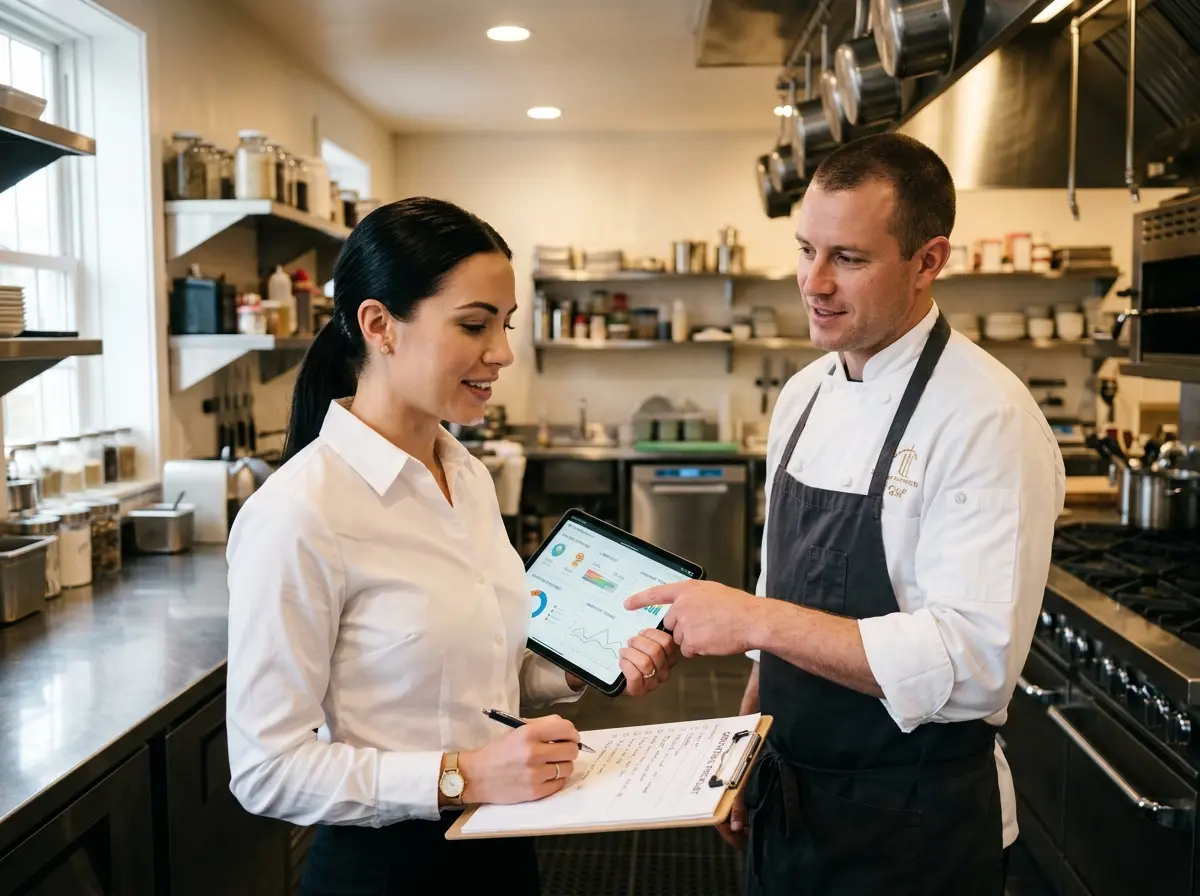
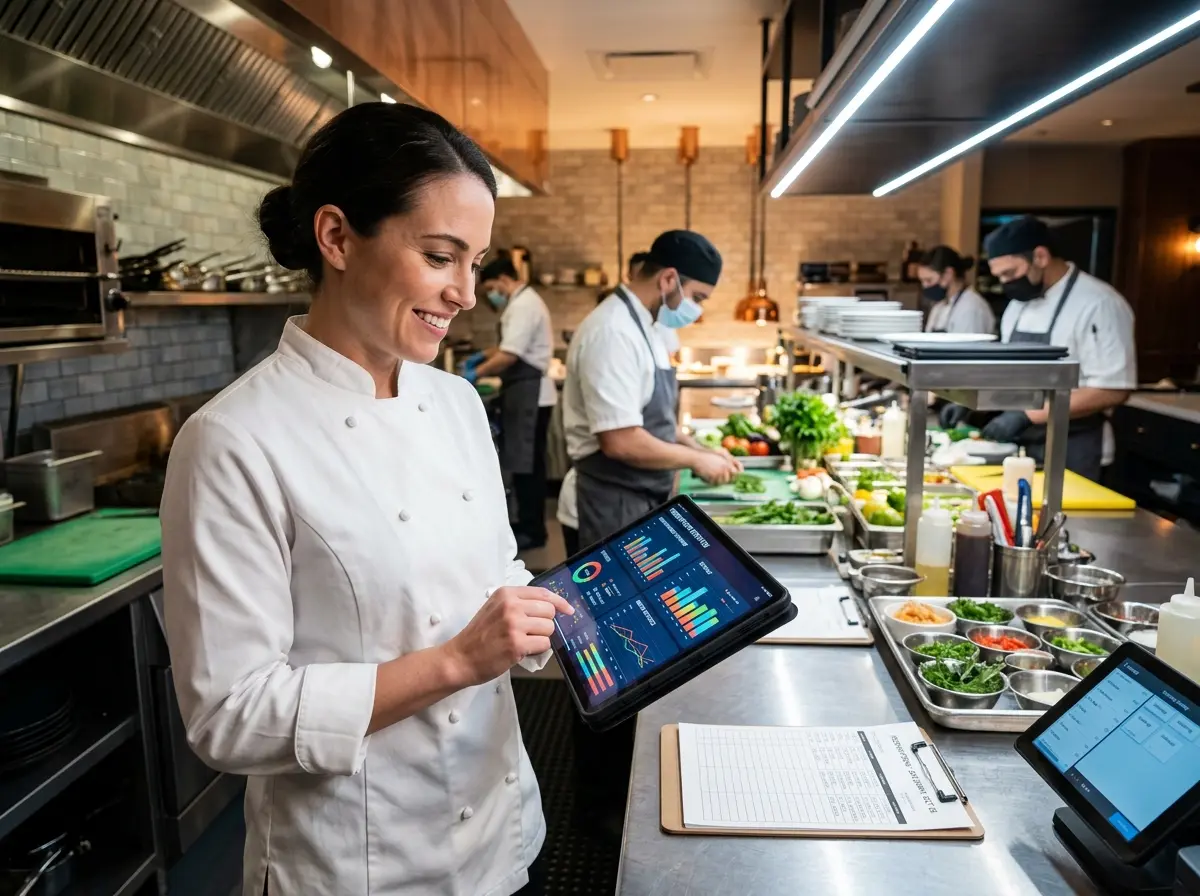
A traditional prep sheet is built on intuition, experience, and whatever the chef remembers from last week. A data-informed prep sheet is built on the same intuition and experience, but now it's backed by actual numbers. The goal isn't to replace your chef's judgment — it's to give them better ammunition.
Start by pulling your reservation data the night before or morning of each service: total expected covers, time distribution of seatings, any large parties or events, historical ordering patterns for that day of the week, and your adjusted no-show estimate. Then cross-reference that with your current inventory. From there, your prep quantities should follow logically rather than relying on gut alone.
For example, if your Saturday data consistently shows 70% of tables ordering the pasta special, and you're expecting 80 covers, you're looking at roughly 56 portions — not 80, not 40. That's a meaningful difference in protein, dairy, and produce prep that directly impacts your food cost and waste. Over the course of a month, those savings add up fast.
Creating a Weekly Review Rhythm
The restaurants that get the most out of their reservation data aren't the ones with the fanciest software — they're the ones that have built a consistent weekly review habit. Set aside 20–30 minutes every week, ideally before you finalize your ordering, to review the previous week's performance against your reservation projections.
Ask yourself: Where did we prep too much? Where did we run out? Did the no-show rate match our historical average, or was there a spike? Did any menu items underperform relative to how much we prepped? This review loop is what turns raw data into institutional knowledge, and institutional knowledge is what separates restaurants that thrive from restaurants that merely survive.
Integrating Reservation Insights with Ordering and Inventory
The final piece of the puzzle is closing the loop between your reservation forecast, your prep sheet, and your ordering cycle. Many restaurants treat these as three separate workflows when they should be one connected system. If your reservation data tells you next Saturday will be 20% lighter than last Saturday, that signal should inform your ordering by Wednesday — not your prep sheet by Saturday afternoon when it's already too late.
Work with your kitchen manager or chef to establish trigger points: if projected covers drop below a certain threshold, specific prep quantities automatically scale down. If a large private event is booked, certain ingredients get flagged for additional ordering. This kind of systematic thinking removes the guesswork that leads to chronic over-ordering and the waste that follows.
Quick Reminder About Stella
Stella is an AI robot employee and phone receptionist designed for businesses of all types — including restaurants. She greets guests in person at the kiosk, answers phone calls around the clock, collects customer information through conversational intake, and manages it all inside a built-in CRM. At just $99/month with no upfront hardware costs, she's a practical, always-on front-of-house asset that helps your team stay focused on hospitality while she handles the details.
Conclusion: Stop Guessing, Start Using What You Already Have
The data to reduce your food waste and sharpen your prep process already exists in your reservation system. The challenge isn't collecting more information — it's building the habits and systems to actually act on what you already have. Start small: pull your historical no-show rate, adjust your prep buffer accordingly, and commit to one weekly data review. Then layer in richer guest profiles, pattern analysis, and tighter integration between your reservation flow and your ordering cycle.
Here are your actionable next steps to get started this week:
- Pull 90 days of reservation data and calculate your average no-show rate by day of week.
- Identify your top 3–5 menu items and track their ordering frequency against reservation volume to establish a reliable prep ratio.
- Set a recurring 30-minute weekly review with your kitchen manager to compare projected versus actual covers and prep usage.
- Audit your reservation intake process — are you consistently capturing dietary needs, party occasions, and guest preferences at the time of booking?
- Close the loop with ordering — make sure your reservation forecast for the coming week is informing your purchasing decisions, not just your prep sheet.
Food waste is expensive, demoralizing, and — here's the key insight — largely preventable with the information you're already collecting. The restaurants winning on margin aren't necessarily the ones with the best menus or the most Instagram-worthy plating. They're the ones that treat their data like the operational asset it is. Time to join them.