Your Phone Is Sabotaging Your Restaurant — And You Probably Don't Even Know It
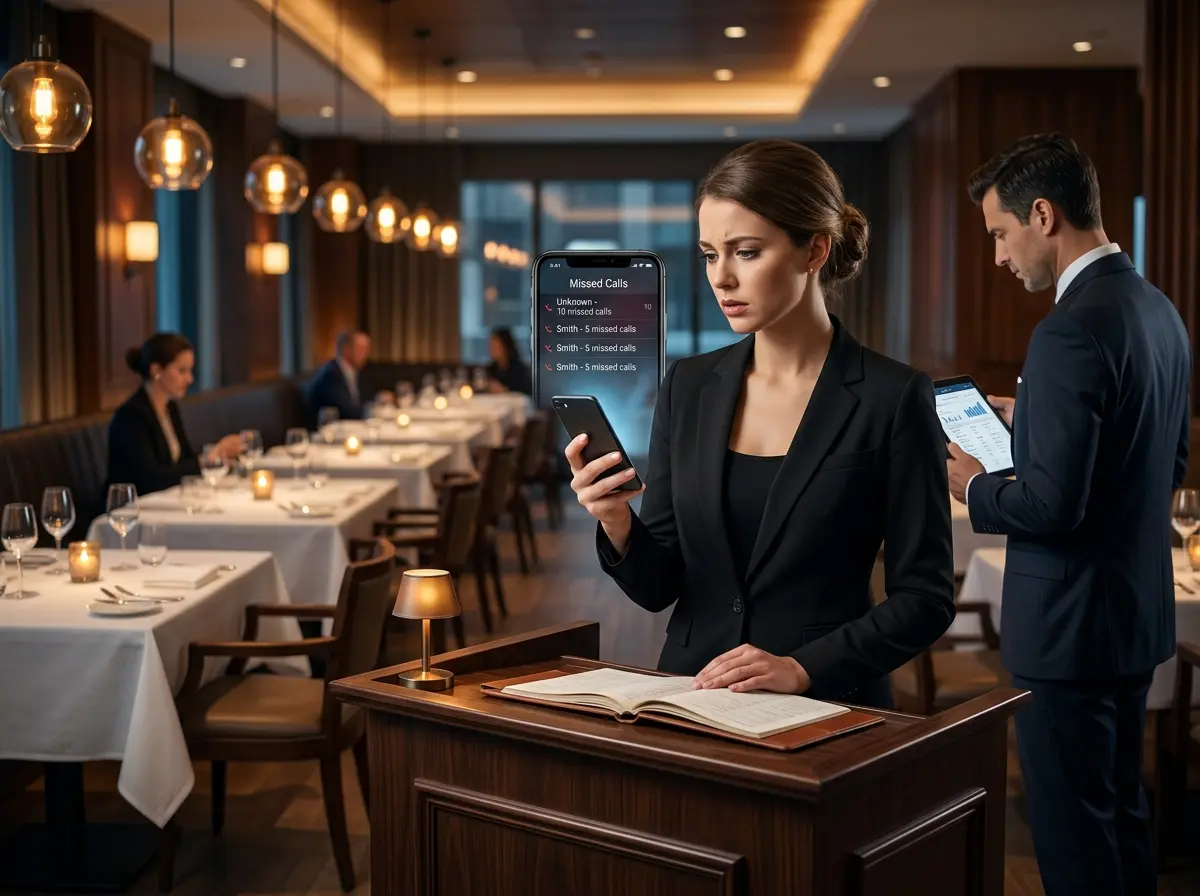
Picture this: It's a Friday night. Your dining room is buzzing, your kitchen is in full swing, and your host stand looks like a scene from a disaster movie. Somewhere in the chaos, a phone rings. And rings. And rings. The caller — a party of six looking to book a reservation for their anniversary dinner — hangs up after 45 seconds and books a table at the restaurant down the street. You never even knew they called.
This is happening at your restaurant every single night, and the worst part is it's completely invisible to you. You can't see the calls you missed. You can't count the reservations that never happened. You just notice, quietly, that the tables aren't as full as they should be.
According to research from Invoca, over 60% of customers say they'll hang up if they're not helped within 45 seconds. And in the restaurant industry, where dinner reservations are often made on impulse — someone's driving by, someone just got off work, someone's planning a birthday — that missed call is a missed check, a missed review, and a missed return visit.
So let's talk about exactly why your phone is hemorrhaging reservations, and what you can actually do about it.
The Operational Culprits Behind Every Missed Call
1. Your Staff Is Simply Too Busy to Answer
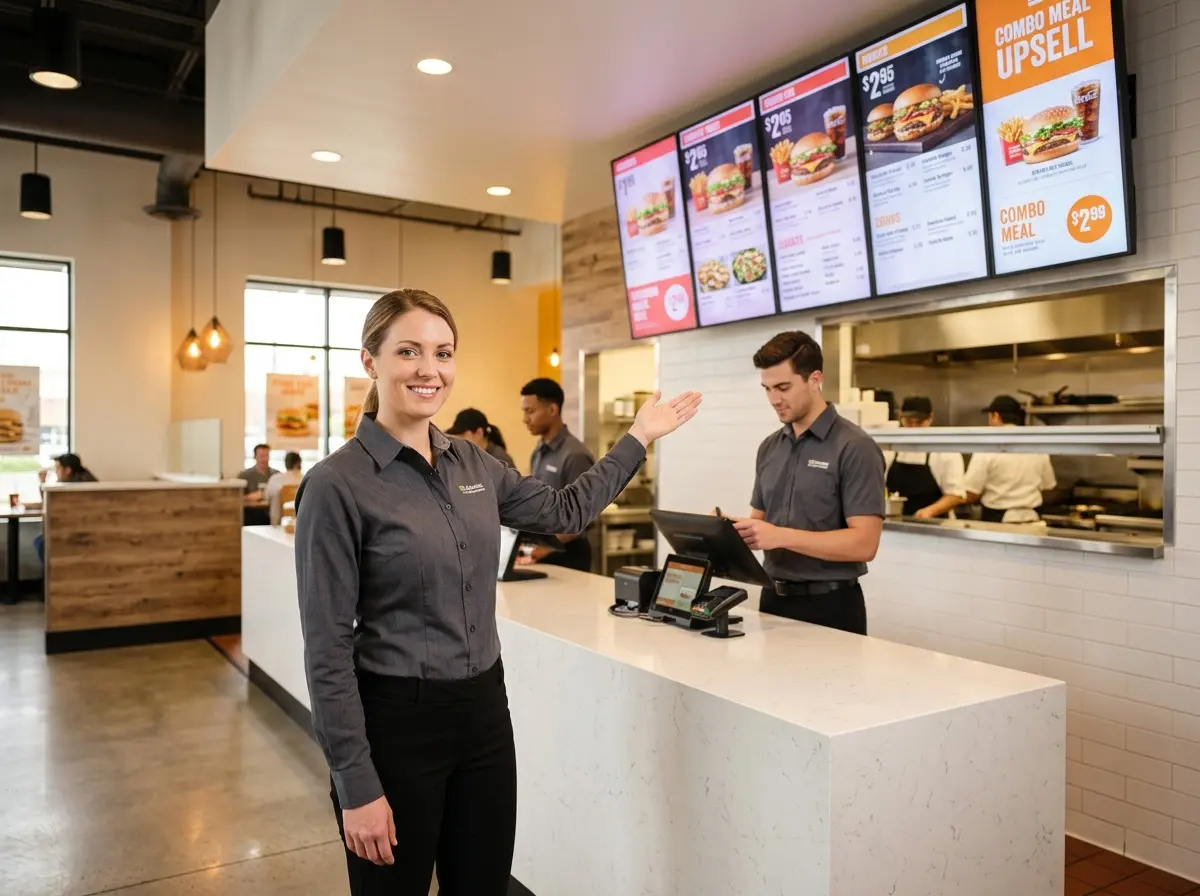
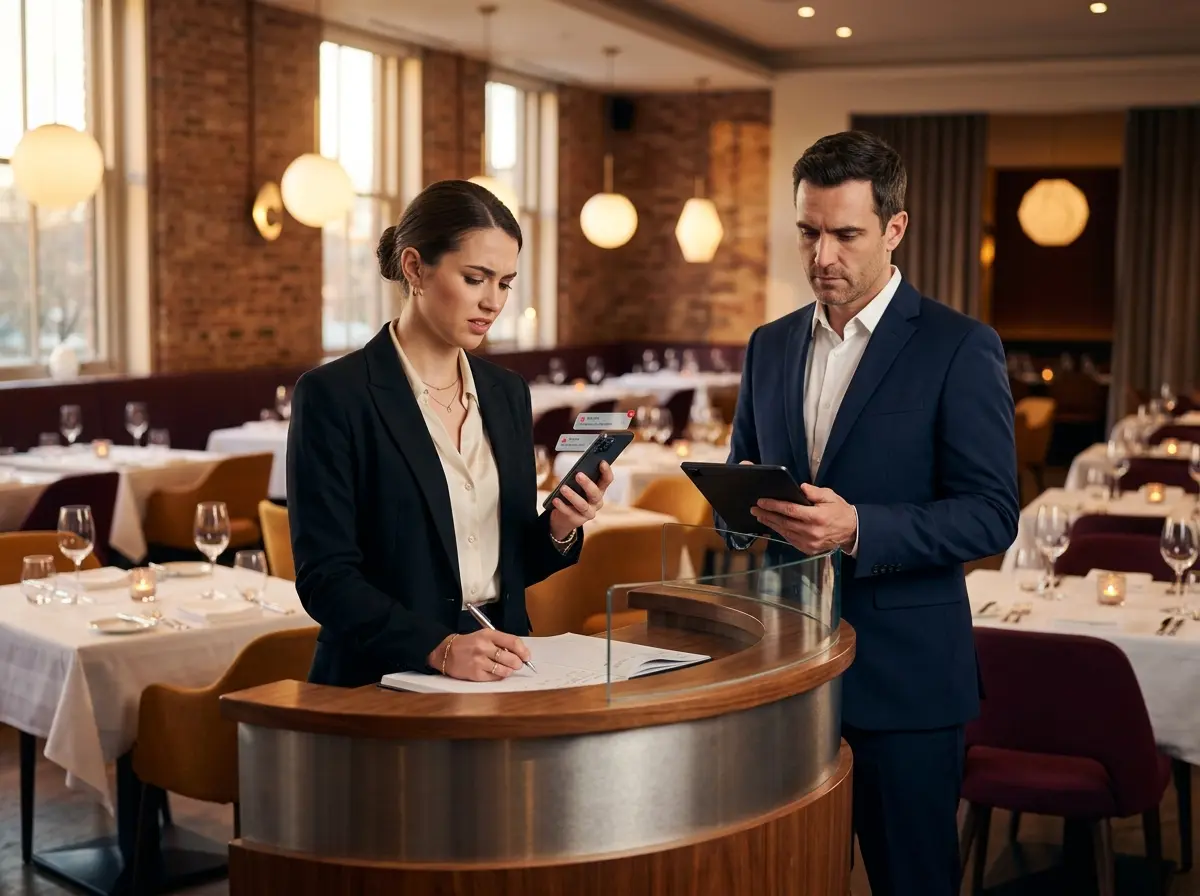
This one isn't a mystery. During peak hours, your host is seating tables, your servers are in the weeds, and nobody — truly nobody — has a free hand to pick up the phone. This is the reality of restaurant operations, and it's not a staffing failure, it's a structural one. The phone was never designed to fit into a busy service environment. It just sort of got duct-taped in there decades ago and nobody questioned it.
The result? Calls go unanswered, go to voicemail, or get answered by a frazzled team member who puts the caller on hold for four minutes while trying to find the reservation book. None of these outcomes make for a great first impression.
2. Your Voicemail Is a Dead End
Let's be honest about voicemail: almost nobody leaves one, and the people who do often leave vague, hard-to-decipher messages with phone numbers rattled off at warp speed. Your staff has to stop, replay it three times, write down the number, call back — and by then, the customer has already made other plans.
Restaurants that rely on voicemail as a fallback are essentially telling customers, "We'll get back to you whenever we have a chance." That's not a reservation system. That's a suggestion box.
3. Inconsistent Information Is Driving People Away
When a different staff member answers the phone each time, callers get different answers. One person says the kitchen closes at 9 PM, another says 9:30. One team member knows about the weekend prix-fixe menu, another doesn't. This inconsistency erodes trust — and trust is the foundation of a reservation. If customers aren't sure what they're booking, they simply won't book.
How Modern Tools (Including AI) Are Fixing This Problem
The Case for Automating Your Phone Answering
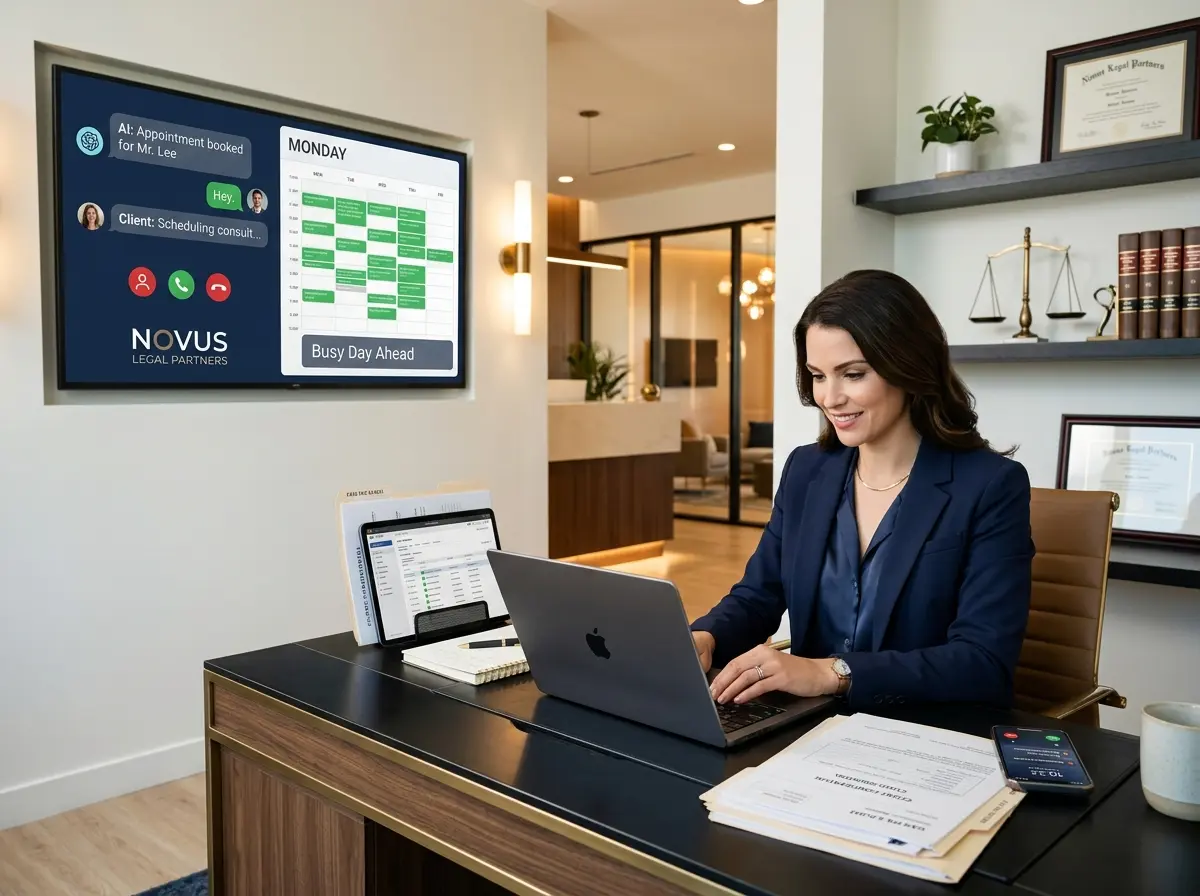
The good news is that technology has finally caught up with this very specific and very frustrating problem. Stella is an AI robot employee and phone receptionist that answers every call your restaurant receives — during the dinner rush, after hours, on holidays, and every chaotic Saturday night in between. She knows your hours, your menu, your specials, your policies, and she delivers that information consistently every single time.
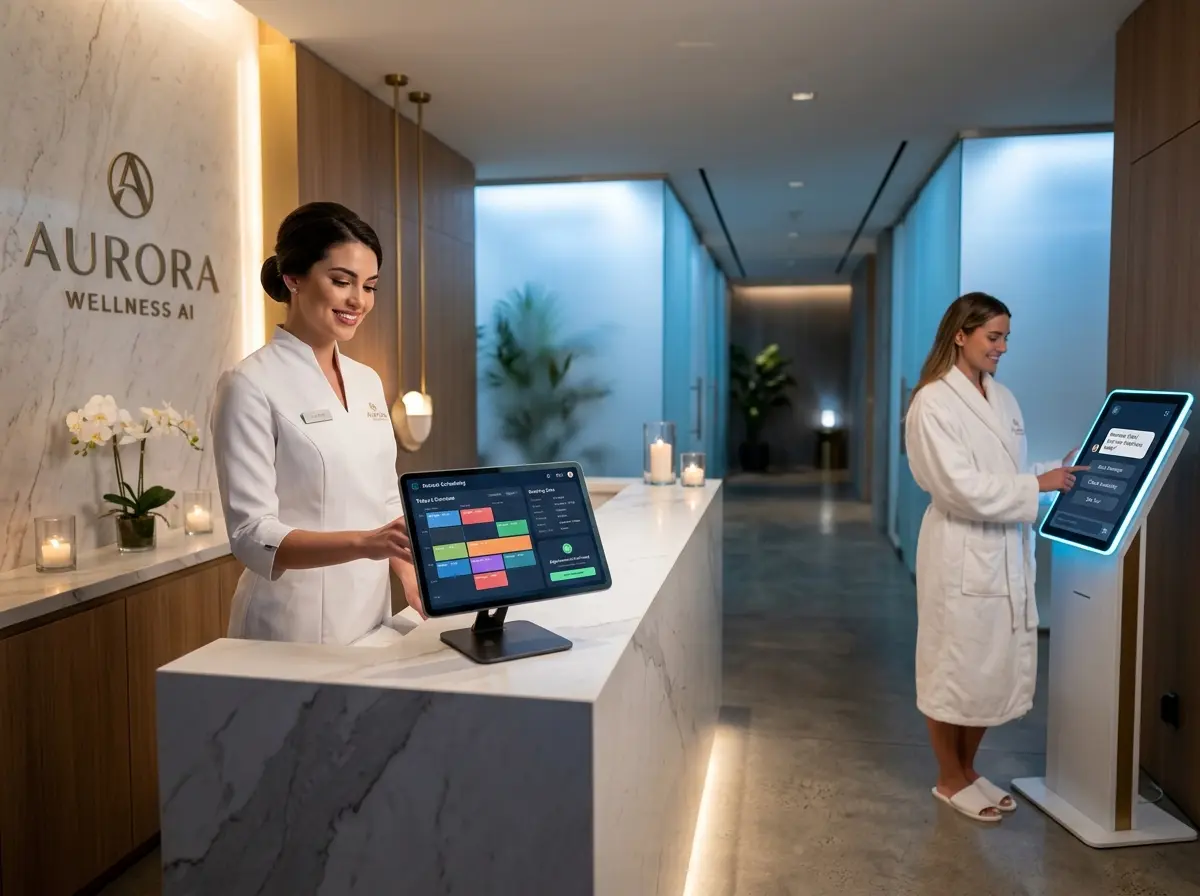
What makes Stella particularly useful for restaurants is that she doesn't just answer and hang up. She can collect customer information through conversational intake forms during the call — gathering reservation details, party size, special requests, and contact info — and feed that directly into her built-in CRM. Managers receive AI-generated summaries and push notifications for any voicemails, so nothing falls through the cracks. For restaurants with a physical location, she also stands at the host area as a kiosk, greeting walk-ins and answering questions so your host staff can focus on actually hosting. At $99/month with no upfront hardware costs, she's considerably cheaper than the reservations you're currently losing.
The Customer Experience Reasons You're Losing Bookings
4. Hold Times Are Relationship Killers
Nobody calls a restaurant expecting a spa-like experience, but being put on hold for five minutes while someone "checks on availability" is enough to send even loyal customers elsewhere. The moment a caller is put on hold, the clock starts ticking — and their patience is finite. Studies suggest that more than 34% of callers who hang up while on hold will not call back. That's not a caller who had a bad experience. That's a reservation that simply ceased to exist.
The fix here isn't hiring more staff — it's removing the bottleneck entirely. When your phone system can handle routine inquiries (hours, availability, specials, directions) without pulling a human into the loop, hold times drop to zero.
5. After-Hours Calls Are Going Completely Ignored
Here's a fun fact about human behavior: people make dinner plans at wildly inconvenient times. They think about it at 11 PM on a Tuesday. They decide to call during their lunch break at noon, only to discover your restaurant doesn't open until 4. They call Sunday morning when nobody's there. If your phone system doesn't work after hours, you are functionally invisible to a massive portion of potential customers who simply don't operate on your schedule.
The restaurants winning the reservation game are available when the customer is ready — not just when it's convenient for the kitchen.
6. You're Missing Upsell Opportunities on Every Call
Even the calls you do answer are likely underperforming. When a caller books a reservation for two, does your staff mention the Valentine's Day tasting menu? The wine pairing add-on? The private dining room available for parties? Almost certainly not, because your team is busy and the goal is to get the caller off the phone and get back to the dining room.
Every inbound call is a sales opportunity that most restaurants treat like a chore. A well-prepared phone experience — whether handled by trained staff or a capable AI — should be doing light selling on every single interaction.
7. There's No Follow-Up System After the Call Ends
Once a reservation is booked over the phone, what happens next? If the answer is "it goes into OpenTable" or "we write it on the sheet," you're missing an opportunity to build a real customer relationship. Do you have the caller's email? Their preferences? Whether it's their first visit or their tenth? Most restaurants collect almost no useful data from phone interactions, which means every caller starts from zero every time they call.
A proper phone-to-CRM pipeline — where caller information is captured, tagged, and stored — turns a one-time reservation into the beginning of a long-term guest relationship. That's the difference between a restaurant and a regulars restaurant.
Quick Reminder About Stella
Stella is an AI robot employee and phone receptionist built for businesses exactly like yours — answering calls 24/7, greeting in-store customers at her kiosk, and capturing customer data through built-in CRM tools and conversational intake forms. She's available for $99/month with no setup headaches, no turnover, and no bad days. She doesn't put anyone on hold, she never forgets the specials, and she works every Friday night without complaint.
What You Should Actually Do About This
If you've made it this far, you already know the problem is real. Here's what taking action actually looks like:
Start by auditing your current phone situation. How many calls came in last week? How many went unanswered? Most phone systems and even basic call logs can give you this data. If you've never looked at it, prepare to be uncomfortable.
Identify your worst hours. When is your phone most likely to go unanswered? Friday between 6 and 9 PM? Every afternoon between 2 and 4 when your team is in pre-service prep? These are the windows where automation can have the biggest immediate impact.
Standardize the information your phone experience delivers. Whether a human or an AI is answering, there should be a consistent script for hours, specials, reservation policies, and common questions. Inconsistency is what turns curious callers into customers of your competition.
Build a capture system for caller data. At minimum, you should be collecting name, phone number, and reservation details. Ideally, you're capturing preferences, occasion type, and contact information that allows for future marketing. Every call that ends without data is a missed relationship.
Stop treating after-hours calls as someone else's problem. They're not. They're your problem, and they're happening right now while you're reading this. A 24/7 phone presence isn't a luxury — for restaurants operating in a competitive market, it's table stakes.
Your phone should be one of your best salespeople. Right now, for most restaurants, it's the employee who calls in sick every Friday night. The technology exists to fix this, the cost is lower than you'd expect, and the reservations you're losing aren't coming back on their own. The question is just whether you're ready to stop leaving them on the table.