Introduction: Because "Thanks for Shopping, Stranger" Is Not a Loyalty Strategy
Let's be honest. Most retail businesses spend a small fortune acquiring new customers, roll out the red carpet for their first visit, and then... promptly act like they've never met them when they come back. No recognition, no personalized offer, no reason to return. Just a receipt and a vague hope that maybe they'll show up again someday.
Here's a sobering reality check: returning customers spend 67% more than new customers, and increasing customer retention by just 5% can boost profits by anywhere from 25% to 95%. Yet the average retail business dedicates the lion's share of its marketing budget to acquisition, essentially filling a leaky bucket instead of patching the holes.
The solution isn't magic — it's a deliberate, structured approach to turning one-time buyers into loyal regulars, and eventually into the kind of raving fans who tell their friends, leave glowing reviews, and show up on launch day for your new product line. That approach is called the Loyalty Ladder, and climbing it requires more than a punch card and a prayer.
In this post, we'll walk you through exactly how to move customers up that ladder — rung by rung — and how the right tools can make the whole process feel effortless rather than exhausting.
Understanding the Loyalty Ladder (And Where Most Businesses Fall Off)
The Rungs: From Stranger to Superfan
The Loyalty Ladder is a framework that describes the progressive stages of a customer's relationship with your business. Think of it as a five-rung climb:
- Prospect — Someone who's heard of you but hasn't bought yet.
- First-Time Buyer — They took the plunge. Congratulations, you've made a sale.
- Repeat Customer — They came back. This is where it starts getting interesting.
- Regular — They show up consistently, know your staff by name, and have a "usual."
- Raving Fan — They refer friends, leave reviews, post on social media, and would genuinely be sad if you closed. Protect these people at all costs.
Most businesses do a decent job at the first rung. The drop-off happens between the first-time buyer and the repeat customer — and that gap is where loyalty is either built or permanently lost. The window is surprisingly short; research suggests you have roughly 30 days after an initial purchase to re-engage a customer before they mentally file you under "places I went once."
The Most Common Mistakes Retailers Make
Before you can fix a problem, you have to admit you have one. Here are the usual suspects when it comes to loyalty failures in retail:
- Treating every customer like a transaction. No follow-up, no personalization, no acknowledgment that this is a human being who chose to give you money.
- A forgettable first experience. Long waits, unhelpful staff, no one greeting them at the door — first impressions are ruthlessly permanent.
- A loyalty program that requires a PhD to understand. If customers can't figure out how to earn or redeem rewards in 30 seconds, they won't bother.
- Inconsistent communication. Radio silence for three months, then a barrage of promotional emails. Pick a lane.
The good news is that none of these mistakes are irreversible. With the right strategy and the right tools, you can systematically address each one — and start building the kind of customer relationships that actually grow your business.
How the Right Tools Help You Build Loyalty on Autopilot
First Impressions Are Not the Time to Wing It
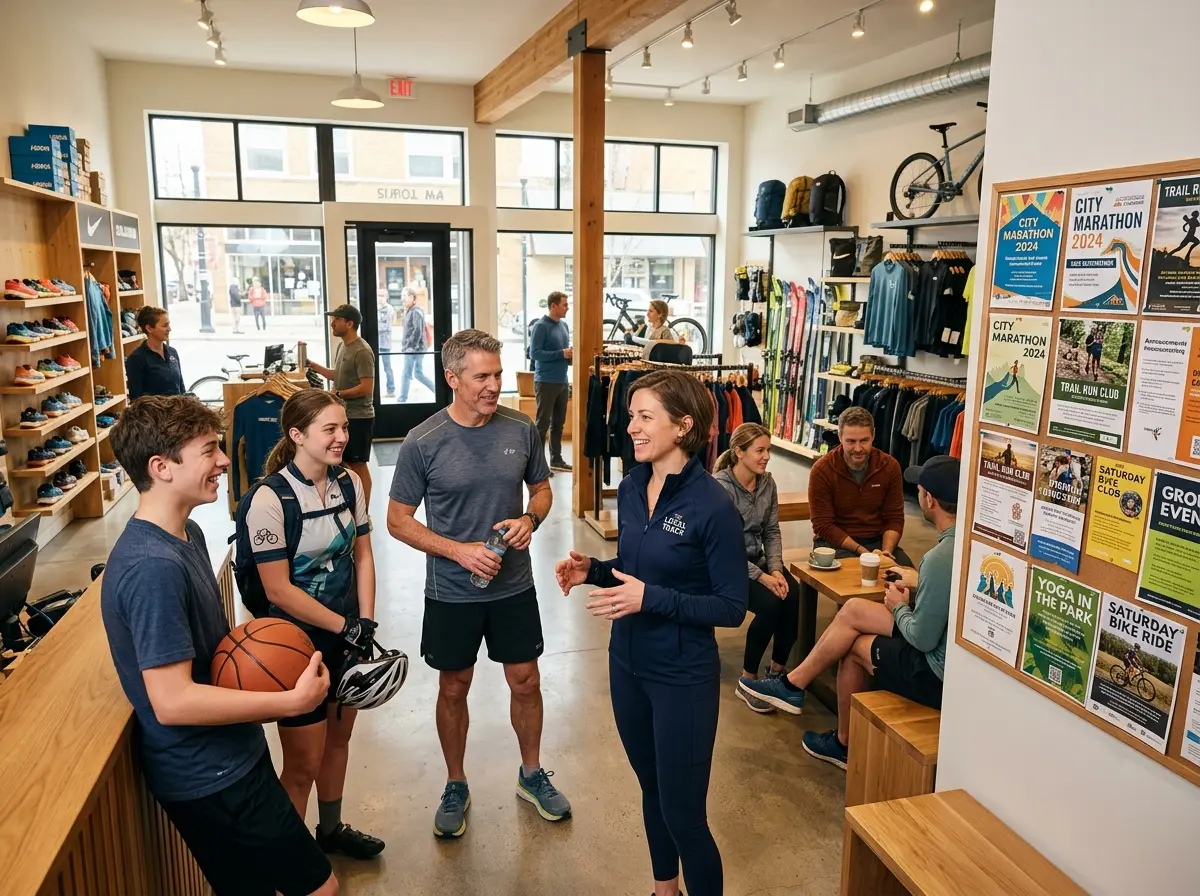
One of the simplest and most impactful things you can do to improve customer retention is to make every single person feel genuinely welcomed the moment they walk through your door — or call your phone. Not just when you're fully staffed and in a great mood, but consistently, every time, without exception.
This is where Stella, the AI robot employee and phone receptionist, makes a very compelling case for herself. As a human-sized AI kiosk stationed inside your store, Stella proactively greets every customer who walks by, engages them in natural conversation about your products, services, and current promotions, and answers questions without pulling your staff away from what they're doing. No awkward silences, no "someone will be right with you" followed by ten minutes of waiting.
And when someone calls your business after hours — because customers are inconveniently human and don't shop on your schedule — Stella answers the phone with the same warmth and product knowledge she brings in person. Her built-in CRM also lets you capture customer information through conversational intake forms, so those interactions don't just disappear into the void. You're building a contact database and customer profiles every time someone engages with her — which means every future interaction can be a little more personal than the last.
Practical Strategies for Moving Customers Up the Ladder
Nail the Post-Purchase Follow-Up
The sale is not the finish line — it's the starting gun for the loyalty race. What you do in the 24 to 72 hours after a purchase can be the difference between a one-time transaction and a decade-long customer relationship. A simple, genuine follow-up message — whether by email, text, or phone — that thanks the customer, checks in on their experience, and perhaps offers a small incentive for their next visit goes a long way.
For example, a local gift shop that sends a personalized "Hope you loved your purchase!" email with a 10% discount for the next visit within 30 days gives customers a reason, a deadline, and a warm feeling all in one move. It doesn't require a massive marketing budget. It requires intention and a system that makes it happen automatically so it doesn't fall through the cracks when you're busy.
Make Your Loyalty Program Worth Caring About
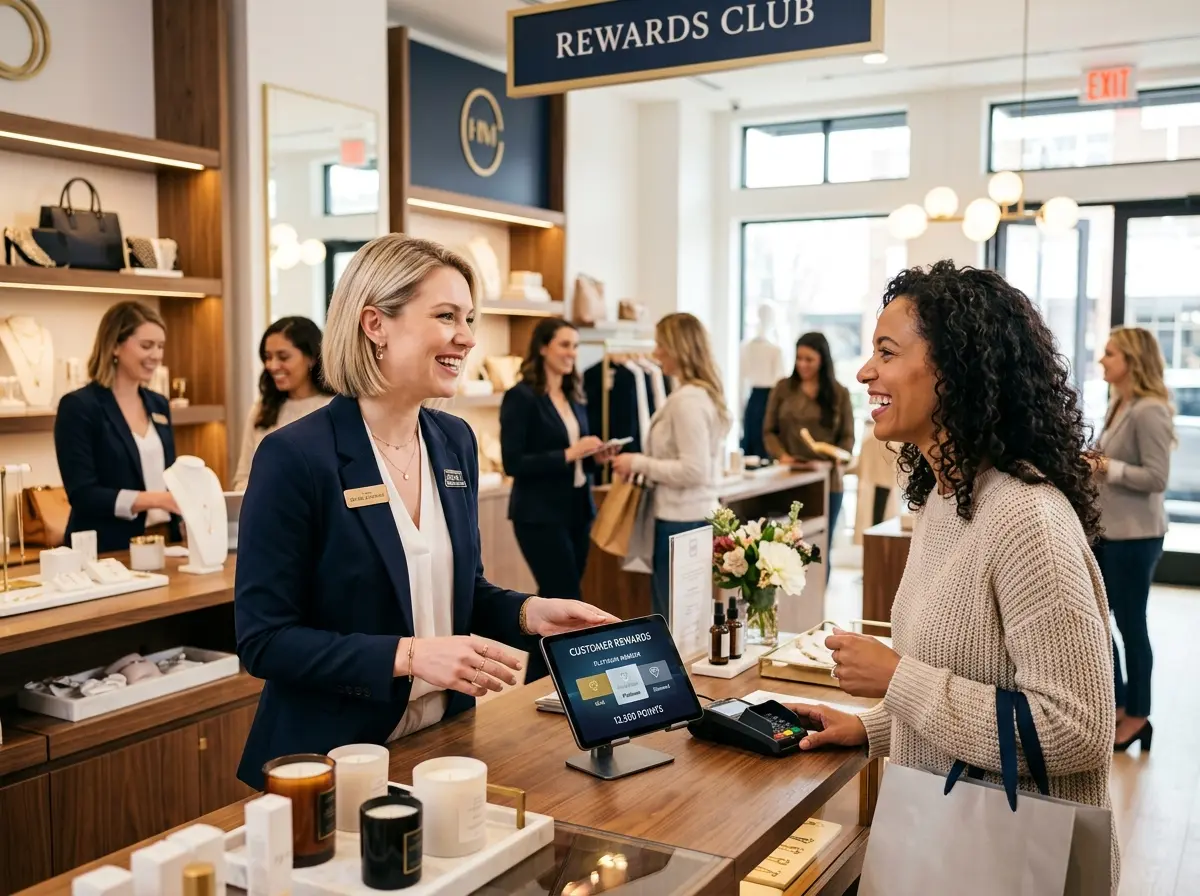
Loyalty programs work — but only if people actually use them. The bar here is low, which is both encouraging and a little embarrassing for the industry. A well-designed program should be simple to join, easy to understand, and offer rewards that feel genuinely valuable rather than like a participation trophy.
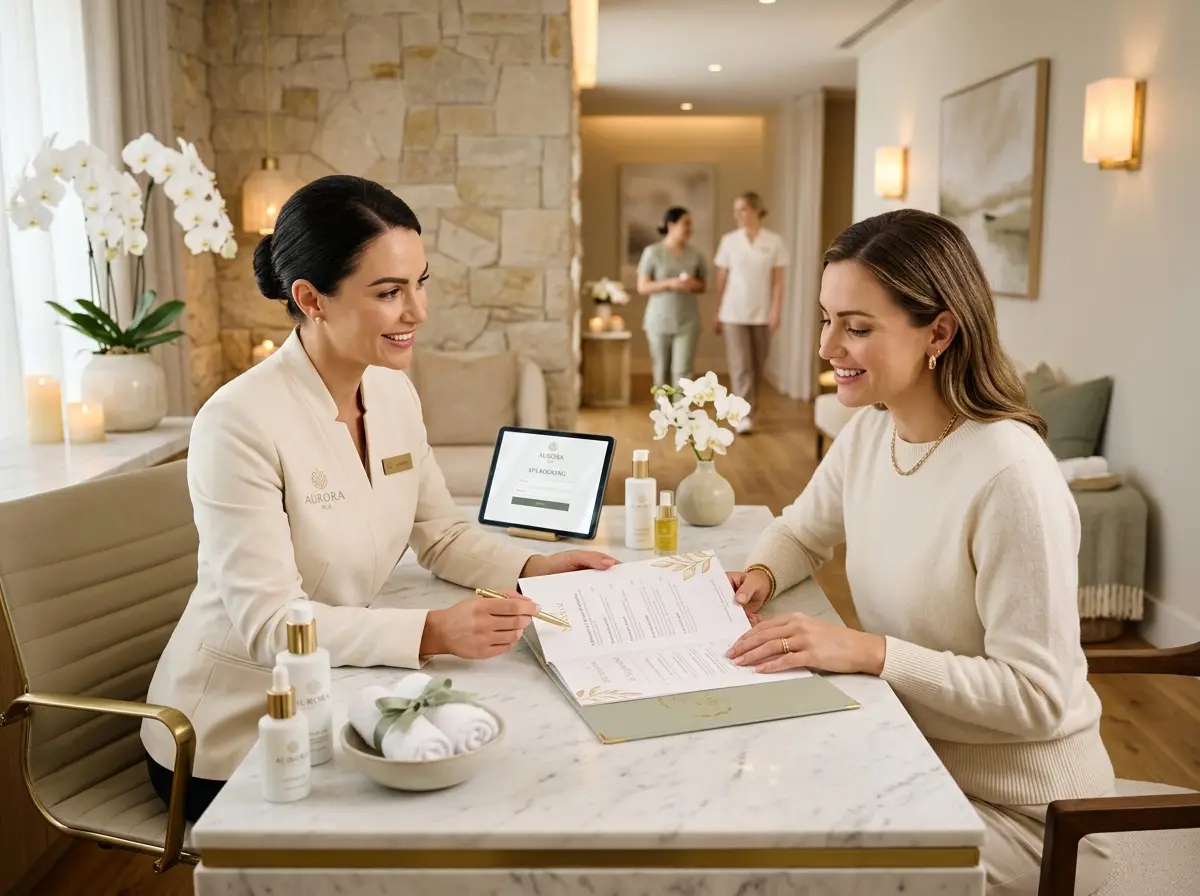
Consider tiered programs that give customers a reason to keep climbing. A spa, for example, might offer a "Gold Member" tier with priority booking and a free add-on service after every fifth visit. A boutique retailer might offer early access to new arrivals for their top spenders. The goal is to make your best customers feel like your best customers — because they are, and they deserve to know it.
Whatever program you choose, promote it at every touchpoint: at the register, on your website, during phone calls, and yes — through your in-store kiosk if you have one. Awareness is half the battle.
Turn Regulars into Advocates with Referral Incentives
Once a customer reaches the "Regular" stage of the Loyalty Ladder, you have an incredible opportunity: turn them into a marketing channel. Referral programs are consistently among the highest-ROI marketing tactics available to small and mid-sized retailers, largely because people trust recommendations from friends and family far more than they trust advertising.
A simple structure works best: offer your existing customer a meaningful reward (store credit, a free product, a discount) when someone they refer makes their first purchase, and give the referred friend an incentive to take that first step too. Keep the mechanics simple — a unique referral code or link, tracked automatically — so the experience feels effortless rather than like homework.
The retailers who do this well don't treat referrals as an afterthought. They talk about their referral program proactively, celebrate the customers who participate, and make it feel like being part of something exclusive rather than just filling out a form.
Quick Reminder About Stella
Stella is an AI robot employee and phone receptionist designed for businesses of all sizes — from bustling retail stores to solopreneurs running lean operations. She greets customers in person as a human-sized kiosk, answers phone calls 24/7, promotes your current deals, and helps collect customer information through conversational intake forms. At just $99/month with no upfront hardware costs, she's one of the more quietly powerful tools you can add to your customer experience stack.
Conclusion: Start Climbing
Building customer loyalty isn't a one-time campaign — it's an ongoing commitment to making every interaction a little better than the last. The businesses that win at retention aren't necessarily the ones with the biggest budgets or the flashiest storefronts. They're the ones that show up consistently, make customers feel genuinely valued, and have systems in place that keep that experience reliable even when the owner is swamped, the staff is stretched thin, or the phone rings at 9 PM on a Tuesday.
Here's your action plan to start climbing the Loyalty Ladder today:
- Audit your first impression. Walk through your own door (literally or virtually) and honestly assess what customers experience in the first five minutes.
- Set up a post-purchase follow-up sequence. Even a single well-timed email or text can significantly improve your return rate.
- Simplify or launch your loyalty program. If customers can't explain it to a friend in one sentence, redesign it.
- Ask your best customers for referrals. Most of them would be happy to send someone your way — they just need to be asked and given an easy way to do it.
- Use tools that work while you sleep. Whether that's automated follow-up emails, a smart CRM, or an AI receptionist who never misses a call, consistency is the secret ingredient in every loyalty success story.
The ladder is there. Your customers are ready to climb. Give them a reason to keep going up.