Your Phone Is Sabotaging Your Restaurant — And You Don't Even Know It
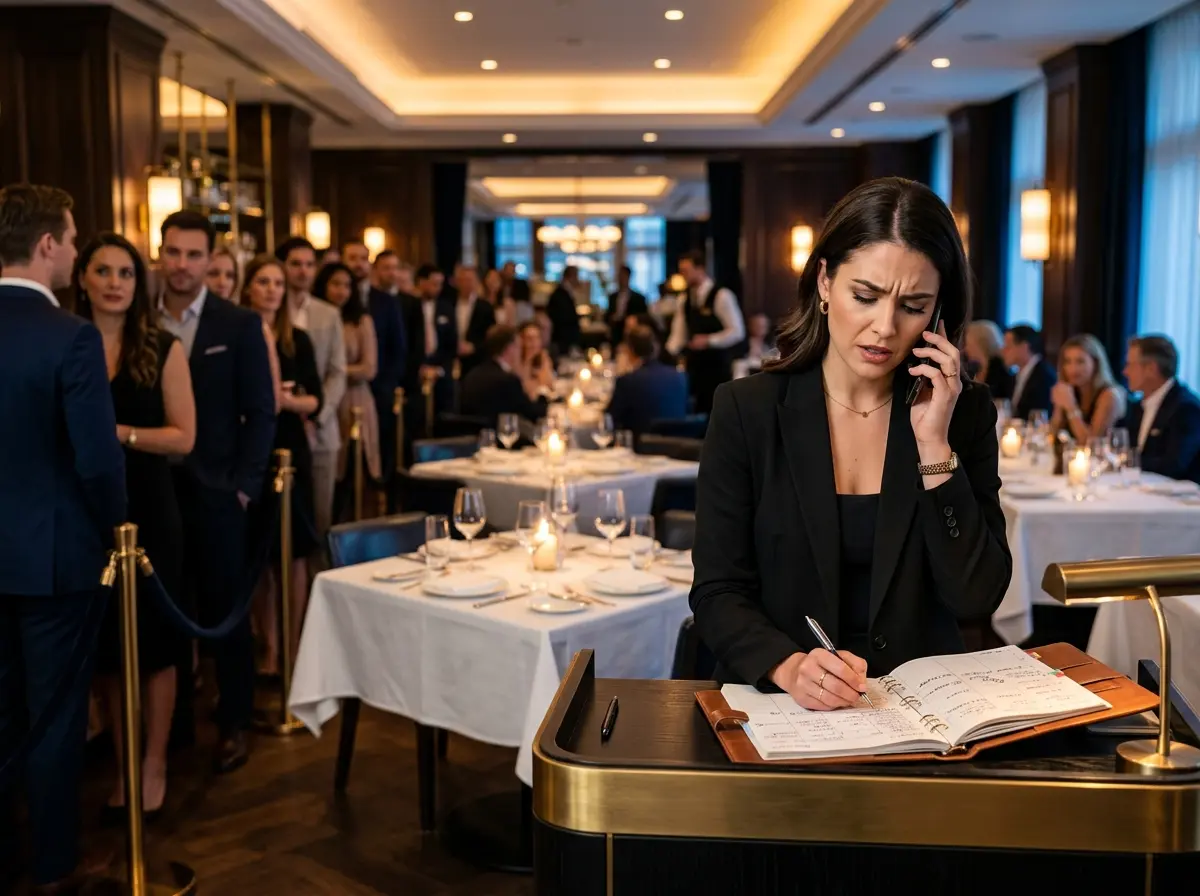
Picture this: It's a Friday evening. Your dining room is buzzing, your kitchen is firing on all cylinders, and your staff is doing their best impression of professional jugglers. Meanwhile, your restaurant's phone is ringing. And ringing. And ringing. Nobody picks up. The caller — a party of six looking to book for Saturday night — hangs up and calls the place down the street. Congratulations, you just lost a $300+ table without even knowing it existed.
If that scenario sounds painfully familiar, you're not alone. According to research from OpenTable, nearly 80% of diners still prefer to make reservations by phone rather than through an app or website. So while you've been busy perfecting your pasta and training your servers, your phone system has quietly been turning away customers with the enthusiasm of a bouncer on a power trip. Let's talk about exactly why this is happening — and what you can do to stop the bleeding.
The Everyday Phone Failures Driving Guests Away
1. Nobody Answers During Peak Hours (When It Matters Most)
Here's the cruel irony of the restaurant business: the busiest times for incoming calls are the exact same times your staff is least available to answer them. Lunch rush, Friday evenings, Saturday afternoons — these are prime reservation-booking windows, and they're also the hours when every single employee is elbow-deep in service. A phone ringing unanswered during a dinner rush isn't just annoying; it's revenue walking out the door before it ever walked in.
Studies suggest that 85% of callers who don't reach a business on the first attempt will not call back. They'll move on. They'll find someone who answers. And they'll probably leave you a one-star review about it later, which is a delightful bonus problem to manage.
2. You're Losing Reservations After Hours
Customers don't plan their dinner reservations between 9 AM and 5 PM like a polite HR department. They think about dinner when they're lying in bed at 11 PM, or during their lunch break, or at 7 AM when inspiration suddenly strikes. If your phone goes unanswered after closing time — and let's be honest, it does — those spontaneous reservation attempts are going straight to voicemail purgatory, where they will languish, forgotten, until it's too late to matter.
The modern diner expects accessibility. If they can order socks from Amazon at 2 AM, they expect to at least be able to check your availability at midnight. Failing to meet that expectation doesn't just cost you a reservation; it signals that your operation isn't particularly customer-focused.
3. Hold Times That Would Test a Saint's Patience
There's a special kind of frustration reserved for being put on hold by a restaurant. You're not disputing a medical bill or arguing with your cable provider — you just want a table for two on Thursday. Yet somehow you're listening to fifteen seconds of elevator music on a loop while a harried host tries to simultaneously seat a walk-in, answer a server's question, and locate the reservation book. Callers who experience extended hold times are far less likely to complete a reservation, and far more likely to vent about it online.
How Modern Technology Can Plug the Gaps
An AI Receptionist That Actually Shows Up
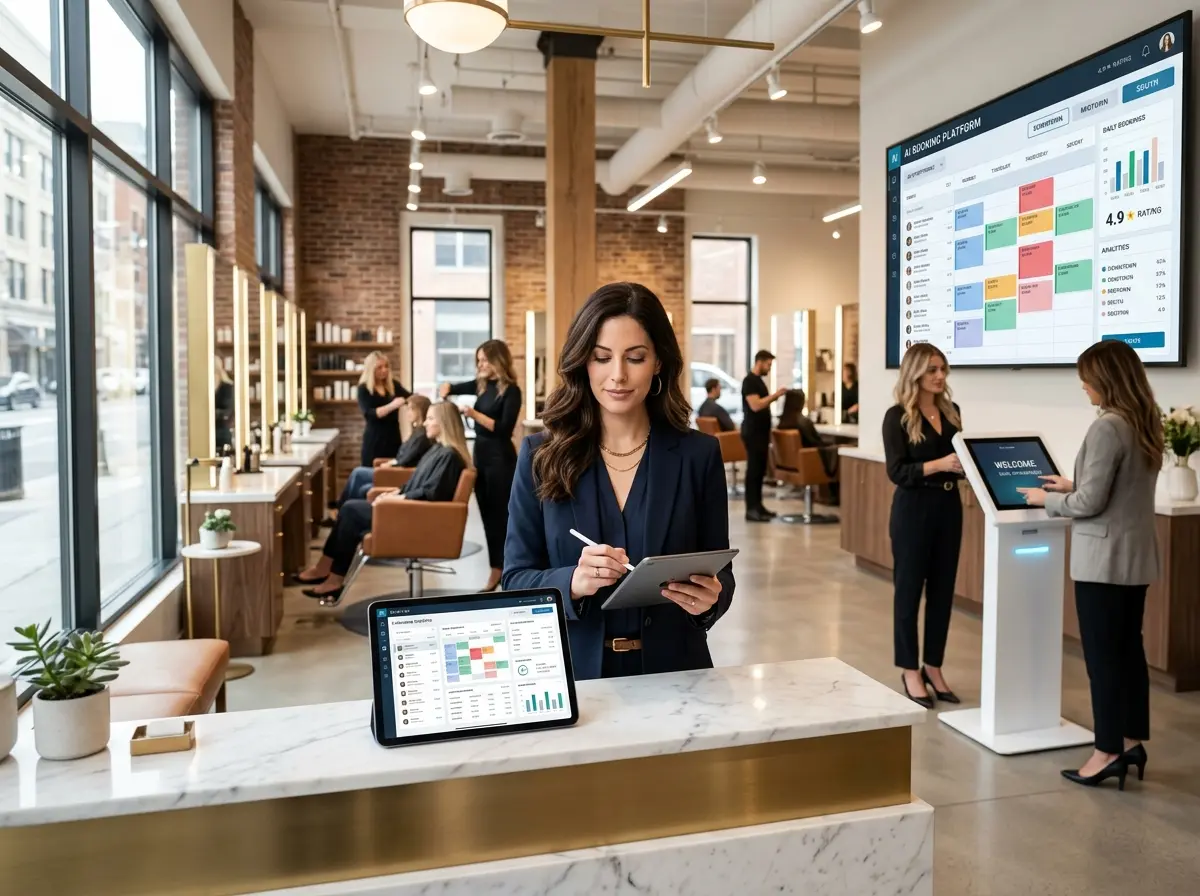
This is where things get genuinely interesting for restaurant owners. Stella is an AI robot employee and phone receptionist designed to handle exactly these kinds of situations — answering calls 24/7 with full knowledge of your menu, hours, specials, reservation availability, and policies. No hold times. No missed calls during a dinner rush. No after-hours voicemail black hole. Stella answers with the same warmth and professionalism at 11 PM on a Tuesday as she does at noon on a Saturday, because she doesn't have a Friday night dinner service to worry about.
For restaurants with a physical location, Stella also operates as an in-store kiosk, greeting guests who walk in, answering questions about daily specials, and promoting current offers — all while your human staff focuses on the things that actually require a human touch. She can even collect customer information through conversational intake forms, feeding data directly into her built-in CRM so you always know who your guests are, what they like, and when they last visited. It's the kind of operational continuity that used to require a full-time front-of-house hire.
The Hidden Costs You're Probably Not Counting
4. Staff Interruptions Are Killing Your Service Quality
Every time a server has to stop and answer the phone, something else suffers. A table goes ungreeted. A drink order gets delayed. A guest who's been waiting for their check starts doing the international "bring me my bill" mime across the dining room. Phone interruptions during service create a ripple effect of degraded experiences that are difficult to quantify but devastatingly real. Your team is already stretched thin; adding "phone receptionist" to their job description during peak hours is setting everyone up to fail.
5. Inconsistent Information Creates Distrust
What are your hours on holidays? Do you accommodate dietary restrictions? Is the private dining room available for parties under ten? These are questions that should have crisp, consistent answers every single time. But when the phone gets passed around to whoever happens to be nearby, the answers tend to vary in ways that range from mildly inconsistent to outright contradictory. A caller who receives wrong information about your hours, then shows up to find you closed, is not just a lost customer — they're an actively unhappy former customer who will tell people about it.
6. Voicemails That Go Unheard Until It's Too Late
Be honest. How many voicemails are currently sitting in your restaurant's inbox right now? Two? Six? Fourteen? Voicemails are the fast food of communication — convenient in the moment, regrettable in retrospect. By the time someone gets around to listening and returning the call, the potential guest has already made a reservation somewhere else, and the window has closed permanently. A system that generates instant AI summaries of voicemails and pushes notifications directly to managers isn't a luxury — it's the difference between recovering a lead and losing it entirely.
7. No System for Following Up With Interested Callers
Most restaurants have zero structured process for tracking people who called about a reservation but didn't confirm one. That caller who asked about your Valentine's Day prix fixe menu and said they'd "think about it"? Gone. No follow-up, no contact information captured, no way to reach back out. In virtually every other service industry, this would be considered a catastrophic gap in the sales process. In restaurants, it's just Tuesday. Building even a basic system for capturing and following up with interested callers can meaningfully move the needle on reservation conversion rates.
Quick Reminder About Stella
Stella is an AI robot employee and phone receptionist built for businesses like yours — available as an in-store kiosk and a 24/7 phone answering solution for just $99/month with no upfront hardware costs. She greets customers, answers questions, promotes specials, handles reservations inquiries, and never calls in sick on a Saturday night. Setup is simple, and she's ready to work from day one.
Stop Leaving Tables on the Table
The restaurant business is hard enough without your phone actively working against you. Between missed calls during service, unanswered after-hours inquiries, inconsistent information, and zero follow-up infrastructure, the average restaurant is leaking reservation revenue every single night — and most owners don't have a clear picture of just how much.
The good news is that none of these problems are particularly complicated to solve. Start by auditing your current phone situation honestly. How many calls go unanswered on a typical Friday? What happens to calls after closing? What information is captured from callers who don't confirm? Once you can see the gaps clearly, you can start filling them — whether that means better staff protocols, an AI receptionist like Stella, or a combination of both.
Here's a simple action plan to get started:
- Track your missed calls for one week. Most phone systems can provide this data. The number will probably surprise you.
- Listen to your last ten voicemails. Note how long they sat before being heard and whether any were actionable leads that went cold.
- Test your own phone line during peak hours. Call your restaurant on a Saturday at 7 PM and see what happens. The experience may be enlightening.
- Evaluate after-hours coverage. If your phone is effectively off after closing, you're turning away business every night you operate.
- Build a simple lead capture process. Even a basic note-taking habit can recover reservations that would otherwise disappear.
Your restaurant deserves a front-of-house presence that's as consistent and professional as the food coming out of your kitchen. The phone shouldn't be the weakest link in that chain. Fix it, and you might be surprised how many more covers you're seating by this time next month.