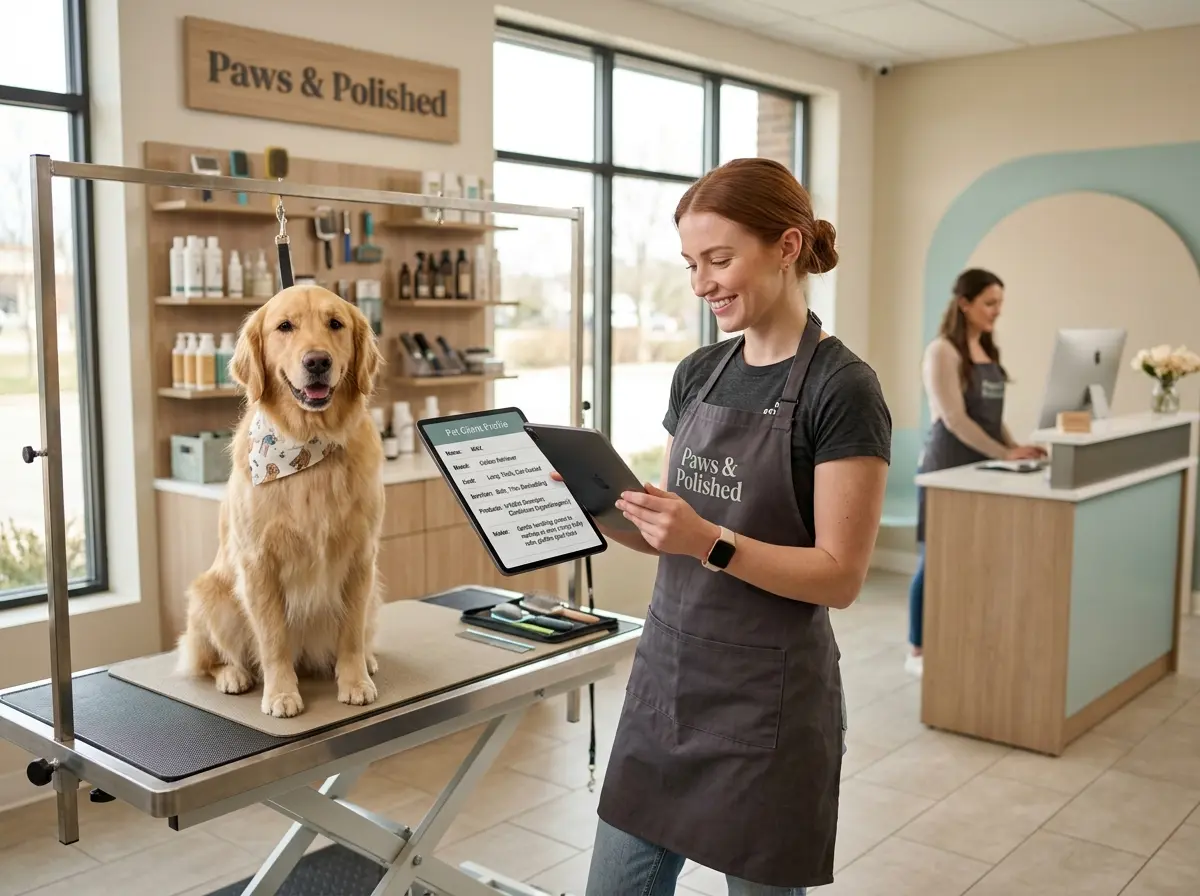
Why "Just Notes in the Margin" Isn't Cutting It Anymore
Let's be honest — you probably have a sticky note somewhere that says something like "Biscuit — nervous around clippers" or "Mrs. Henderson's poodle, NO cucumber-scented shampoo." And that system worked beautifully, right up until someone else answered the phone, Biscuit came in without his usual groomer, and things got interesting.
Here's the reality: dog grooming is an intensely personal service. You're handling someone's best friend — a creature they probably talk to more than they talk to their coworkers. The emotional stakes are high, the preferences are specific, and the margin for error is roughly the same as accidentally calling someone's golden retriever "chunky." One misstep and you don't just lose a client; you lose a client who will absolutely tell everyone at the dog park.
Building a structured client preference profile for every pet you serve isn't just a nice-to-have — it's the difference between a business that feels like a trusted partner and one that feels like a rotating door of strangers with scissors. This guide will walk you through exactly what to capture, how to organize it, and how to put it to work for your grooming business.
What to Actually Include in a Pet Preference Profile
The Basics (That Aren't Actually Basic)
Every profile should start with the fundamentals — but don't let the word "fundamentals" fool you into thinking these are throwaway fields. The breed, age, weight, and coat type of a dog directly influence which products you'll use, how long the appointment will take, and what pricing makes sense. A three-year-old standard poodle and a three-year-old labradoodle might share a birthday, but they do not share a grooming experience.
Beyond the physical basics, capture the pet's temperament. Is this dog a golden retriever who treats the grooming table like a spa day? Or a chihuahua who has decided, philosophically, that it is opposed to all human touch? Noting anxiety triggers, favorite treat rewards, and whether the dog does better with a quick appointment or needs breaks makes a measurable difference in outcomes — for the dog, the groomer, and frankly, everyone's blood pressure.
Service Preferences and Product Sensitivities
This is where your profiles start earning their keep. Document the exact cut style the owner prefers — and if possible, keep a photo on file. "Puppy cut" means seventeen different things to seventeen different people. A photo means everyone's on the same page, including the new groomer who started last Tuesday.
Also record any known allergies or sensitivities. Some dogs react to certain shampoos, conditioners, or even fragrances. Some owners have strong preferences about what goes on their pet, whether that's a preference for organic products, a specific brand they love, or a hard veto on anything with artificial dyes. This information protects the dog, protects you from liability headaches, and signals to the owner that you actually listened the first time they mentioned it.
Owner Communication Preferences
The pet has preferences. The owner has preferences. Both matter. Some clients want a call the moment their dog is done. Others find that intrusive and just want a text. Some want a detailed rundown of how the appointment went; others just want to know their dog survived. Note how each client prefers to be contacted, what their usual pickup window looks like, and whether they've ever flagged concerns about past appointments. Treat this information as operational data, not small talk — because that's exactly what it is.
Using Technology to Capture and Organize Profiles Without Losing Your Mind
Let Your Tools Do the Remembering
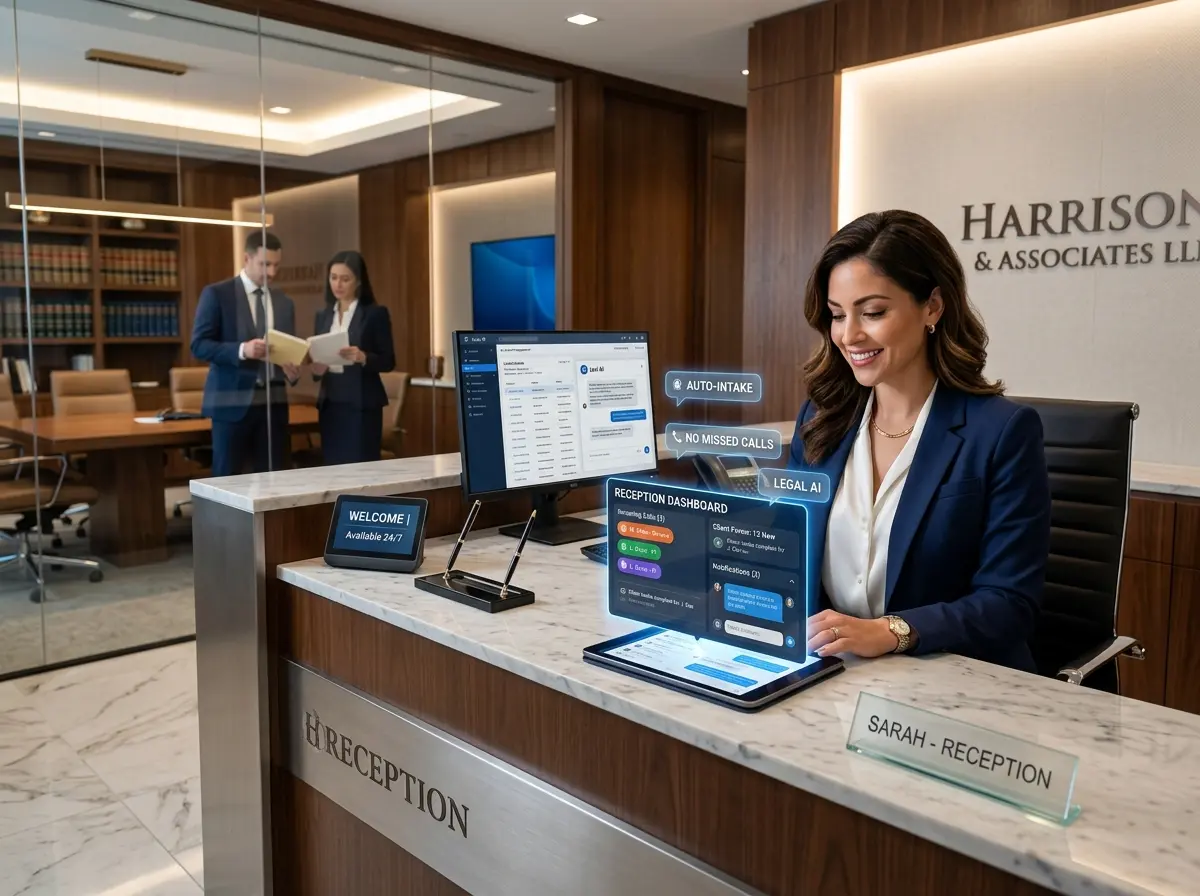
Manually maintaining detailed profiles for every client is the kind of task that starts with good intentions and ends with a chaotic spreadsheet nobody updates. The good news is that the right technology can handle the heavy lifting. Stella, an AI robot employee and phone receptionist, is genuinely useful here — she can collect client and pet information conversationally through intake forms during phone calls or at an in-store kiosk, and feed it directly into a built-in CRM with custom fields, tags, and notes. When a new client calls to book their first appointment, Stella can gather all the preference details right then and there, so by the time that pet walks through your door, your team already knows what they're working with.
For grooming businesses with a physical location, Stella's in-store kiosk presence means she can also greet clients when they arrive and prompt them to update or confirm their pet's profile — especially useful after a pet's health has changed or an owner has a new preference to log. No clipboards, no "we'll get that from you next time," and no sticky notes destined for the bottom of a drawer.
Turning Profiles Into Revenue and Retention
Personalization as a Competitive Advantage
Here's something worth sitting with: according to research from Salesforce, 76% of customers expect companies to understand their needs and expectations. That number doesn't drop just because the customer has four legs. When a grooming client calls to book an appointment and your team already knows that Max gets anxious with loud dryers and prefers the blueberry facial rinse, that client feels seen. And clients who feel seen come back — and they refer their friends.
Use your preference profiles proactively. If you know a dog is prone to matting and it's been six weeks since their last appointment, that's a perfectly natural opening to reach out with a reminder. If you stock a new shampoo that would suit a client's known preference for hypoallergenic products, that's a warm, relevant upsell — not a cold pitch. Personalization turns routine follow-ups into relationship-building moments.
Training Your Team to Use Profiles Consistently
A preference profile is only as good as the culture around it. If your groomers and front desk staff aren't in the habit of pulling up profiles before appointments, reviewing notes, and adding observations afterward, the whole system quietly collapses. Build a simple workflow: review the profile before the appointment starts, flag anything that needs updating during the appointment, and add a brief note when the pet leaves. This doesn't need to be a lengthy process — even two or three sentences after each visit compound over time into an incredibly rich picture of each pet and client.
Consider assigning someone ownership of data quality. Not full-time ownership — just enough to periodically audit profiles, chase down missing information, and make sure the system stays accurate. Profiles with outdated information are arguably worse than no profiles at all, because they breed false confidence.
Using Profile Data to Spot Business Trends
Aggregated preference data is a goldmine for business decisions. If you notice that a significant portion of your clients have flagged sensitivity to artificial fragrances, that's a signal worth acting on — maybe it's time to stock more natural product lines. If your notes consistently mention that dogs over a certain weight need extra appointment time, that's a pricing and scheduling insight. Your client profiles aren't just a service tool; they're a market research resource sitting right in your own database.
Quick Reminder About Stella
Stella is an AI robot employee and phone receptionist that works in-store as a kiosk and answers calls 24/7 — making her a natural fit for grooming businesses that want to capture client and pet information without adding to the front desk workload. At just $99/month with no upfront hardware costs, she's an affordable way to keep profiles accurate, calls handled, and clients feeling genuinely taken care of.
Start Building Profiles That Work as Hard as You Do
The path forward here is straightforward, even if the execution takes some discipline. Start by auditing what you're currently capturing about your clients and their pets — honestly, without nostalgia for the sticky note system. Identify the gaps. Build a profile template that covers physical characteristics, temperament, product preferences, service history, and owner communication preferences. Then put a workflow in place that makes updating those profiles a natural part of every appointment, not an afterthought.
If you're not already using a CRM or intake system to manage this information, now is the time to address that. The businesses winning in pet services right now aren't necessarily the ones with the fanciest equipment or the lowest prices — they're the ones that make every client feel like their dog is the most important dog in the building. A well-maintained preference profile is how you manufacture that feeling at scale.
Your clients chose you because they trust you with something they love. Give them every reason to keep making that choice.