When a Basic Wash Becomes a Premium Experience
Let's be honest — most car detailing businesses are leaving serious money on the table. A customer pulls in for a $30 basic wash, you hand back their keys, and they drive off into the sunset. Transaction complete. Opportunity missed. Repeat infinitely until you wonder why your revenue numbers refuse to budge.
That's exactly where Marcus, owner of a mid-sized car detailing operation, found himself a couple of years ago. Decent customer volume, respectable reviews, and a business that was technically "doing fine." Fine. The most dangerous word in entrepreneurship. Because fine means you've stopped asking whether things could be great.
Marcus made one strategic shift — moving from a transactional service model to a concierge detailing model — and his average ticket size tripled. Not doubled. Tripled. We're going to break down exactly how he did it, why it worked, and how you can apply the same thinking whether you're running a detailing shop, a salon, a gym, or really any service business that's been sleepwalking through its own potential.
What a Concierge Model Actually Means for a Detailing Business
It's Not Just About Fancier Services — It's About a Different Experience
The word "concierge" gets thrown around a lot, usually by businesses that really just mean "we charge more." But a genuine concierge model is something different. It's about removing friction, anticipating needs, and making the customer feel like they're being taken care of rather than processed.
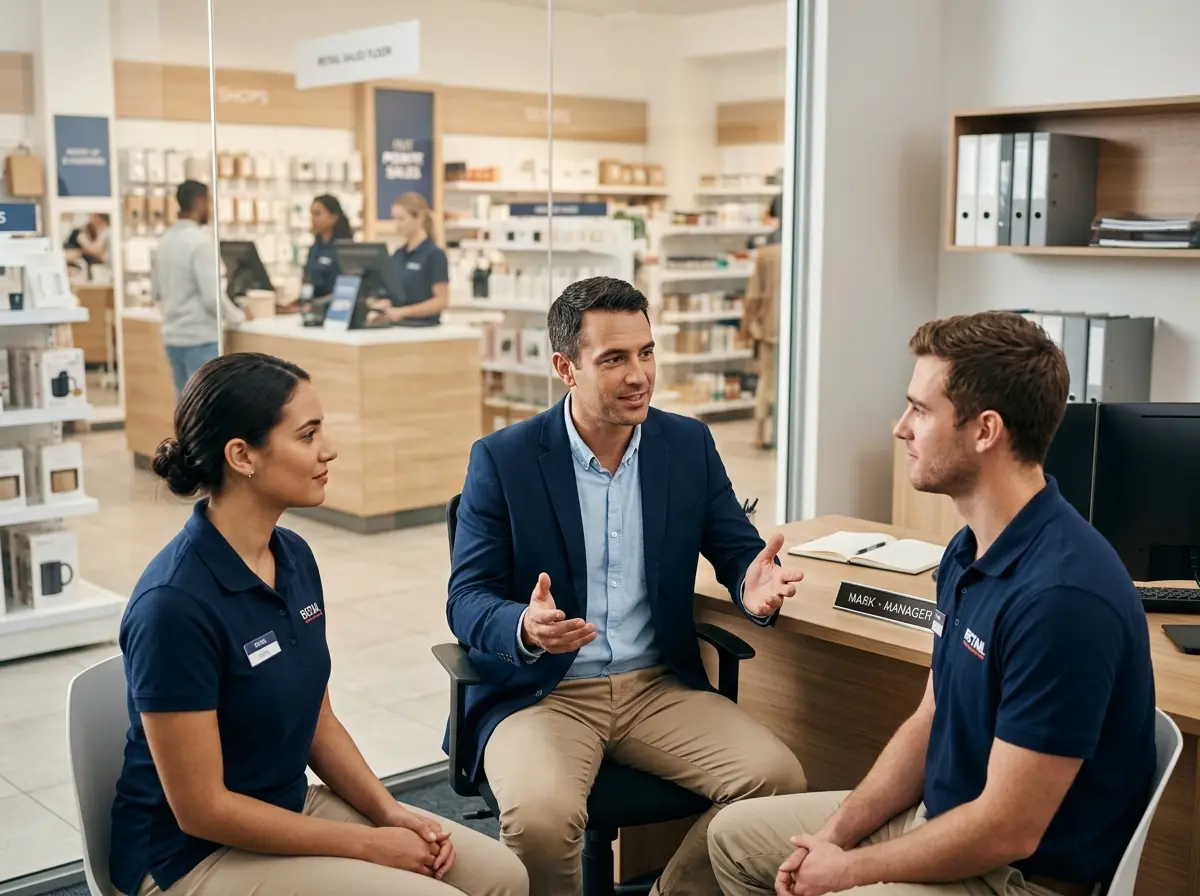
For Marcus, this started with a simple realization: most of his customers had no idea what their car actually needed. They'd walk in, squint at the menu board, and pick whatever sounded vaguely reasonable. So he stopped asking "what service do you want?" and started asking "tell me about your car and how you use it." That single conversational shift opened the door to recommendations, education, and yes — higher-value services that customers were genuinely grateful for.
A concierge model means your staff (or customer-facing technology) understands each customer's situation well enough to guide them, not just ring them up. It's consultative selling without the icky sales-y feeling.
Bundling, Packages, and the Psychology of Value
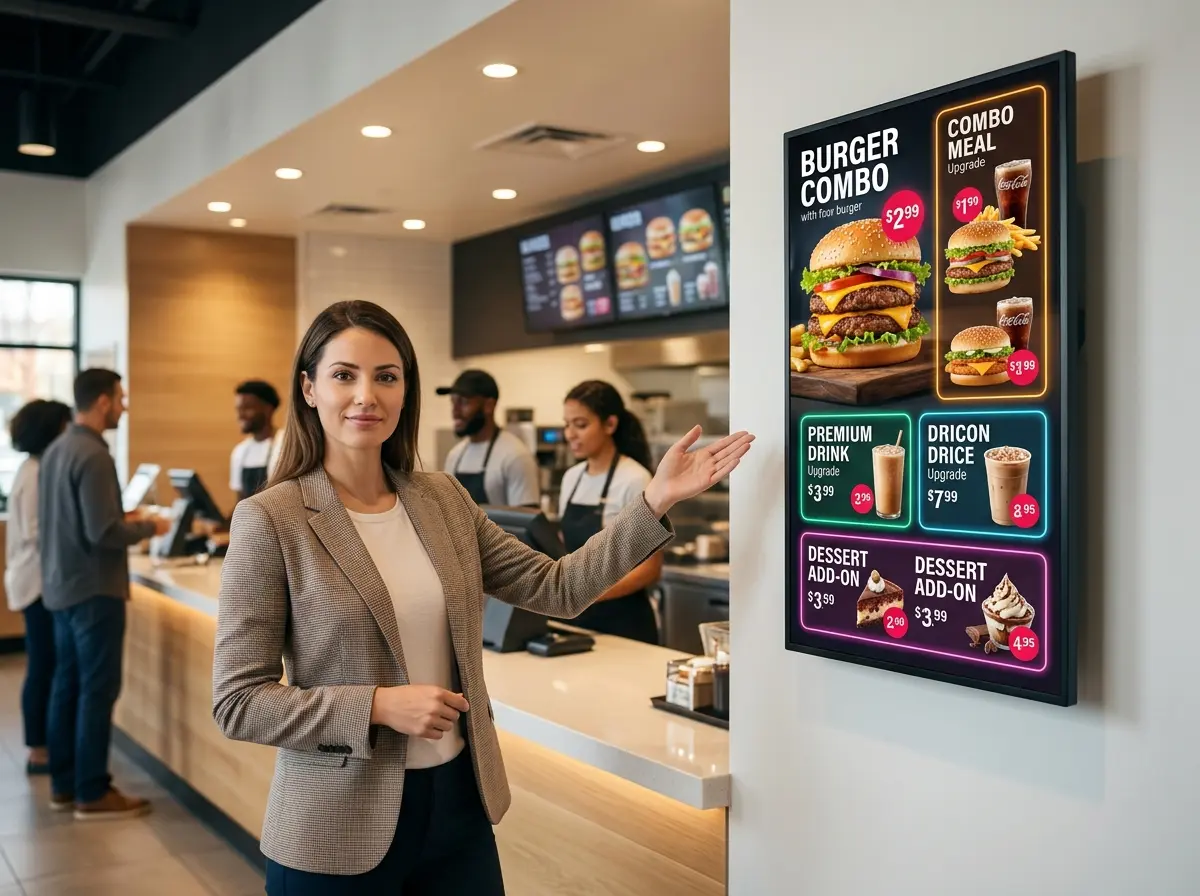
One of the most concrete changes Marcus made was restructuring his service menu into tiered packages rather than à la carte options. Instead of listing 14 individual services with prices that customers would mentally cherry-pick from, he built three clearly defined tiers: a Refresh Package, a Restore Package, and a Showroom Package.
The psychology here is well-documented. When presented with a menu of individual items, customers anchor on the lowest price and work up reluctantly. When presented with packages, they anchor on the middle option — which is exactly where you want them. Marcus priced his middle tier strategically to represent the best perceived value, and the majority of new customers chose it over his old baseline service. His average ticket jumped almost immediately.
He also trained his team to present add-ons as logical completions rather than upsells. "Since we're doing the full interior, most customers also grab the fabric protector — especially if you've got kids or pets" is a very different conversation than "want to add fabric protector for $40?"
Intake, Follow-Up, and Building Real Customer Relationships
The final pillar of Marcus's concierge model was treating customer information like a business asset rather than an afterthought. He started collecting detailed intake information — vehicle type, age, typical usage, known issues, previous services — and using it to personalize recommendations on return visits.
When a customer came back six months later, his team already knew it was a 2019 SUV with leather seats, two kids, and a history of pet hair that made grown adults weep. That context meant the conversation started three steps ahead of where it used to, and recommendations felt genuinely personal rather than scripted. Repeat customers spent significantly more than first-time visitors, and they referred friends at a higher rate too. Loyalty, it turns out, is largely just the result of feeling understood.
Tools That Make the Concierge Experience Scalable
You Can't Concierge at Scale Without the Right Infrastructure
Here's the part where a lot of business owners nod enthusiastically and then go back to doing everything manually, burning out their staff, and wondering why the model isn't working. A concierge experience requires consistency — and consistency at scale requires systems.
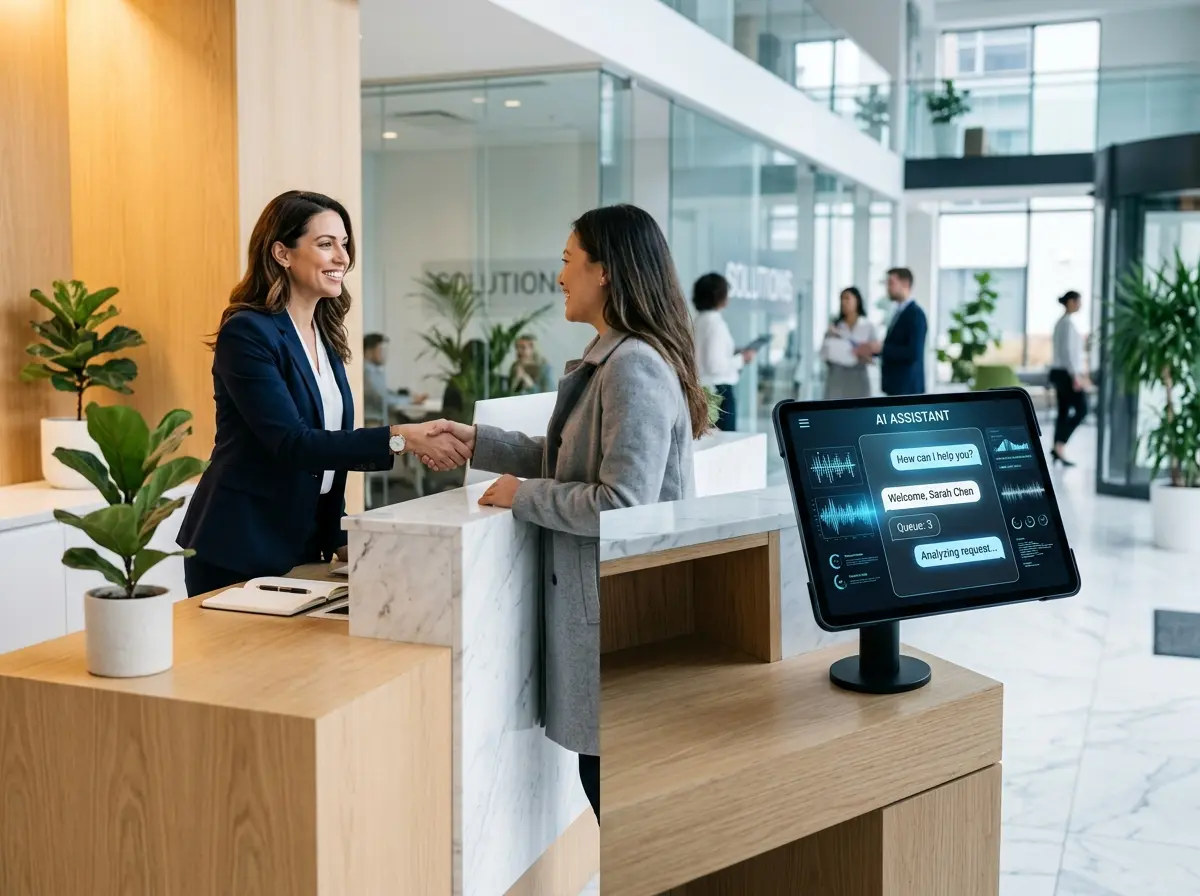
This is where Stella, the AI robot employee and phone receptionist, fits naturally into the picture. For a detailing shop (or any service business adopting a concierge model), Stella can greet customers the moment they walk in, proactively engage them in conversation about their needs, and begin the intake process before a human staff member is even involved. Her built-in CRM captures customer details, vehicle history, preferences, and more — all organized with custom fields, tags, and AI-generated profiles that make every return visit feel personalized.
Stella also answers phones 24/7 with the same business knowledge she uses in person, which matters more than most shop owners realize. A customer who calls at 7pm to ask about ceramic coating packages and gets a real, knowledgeable response — rather than voicemail — is dramatically more likely to book. She can collect intake information over the phone using conversational forms, so by the time a customer arrives, your team already knows what they need. That's a concierge experience before the car even pulls in.
Tripling Average Ticket Size: The Numbers Behind the Strategy
Where the Revenue Actually Comes From
Let's talk specifics. Marcus's baseline average ticket before the concierge shift was around $45 — mostly basic exterior washes with occasional add-ons. After restructuring his packages and training his team on consultative intake, his average ticket climbed to roughly $140 within eight months. That's not a rounding error. That's a business transformation.
The breakdown was roughly as follows: about 60% of the increase came from customers naturally selecting mid-tier and premium packages when presented with clear, well-framed options. Another 25% came from add-on services recommended contextually during intake conversations. The remaining 15% came from repeat customers who, thanks to better relationship data, received targeted follow-up communications about services relevant to their specific vehicle and history.
None of this required a price increase on existing services. Marcus didn't charge more for the basic wash. He simply created more pathways for customers to spend more — and made those pathways feel natural, helpful, and worth it.
Applying This Beyond Detailing
The principles Marcus used aren't detailing-specific. Any service business with multiple offerings, varying customer needs, and repeat clientele can apply the same framework. A med spa can shift from booking individual treatments to recommending personalized skin health programs. A gym can move from selling memberships to selling transformation packages that include coaching and nutrition guidance. An auto repair shop can build vehicle health profiles and proactively schedule preventive services.
The common thread is always the same: know your customer, guide them toward the right solution, and make every interaction feel intentional rather than transactional. The businesses that do this well don't just earn more per visit — they build the kind of customer relationships that are genuinely hard for competitors to poach.
What Needs to Change First
Before you can triple your ticket size, you need to audit where your current model is leaving money behind. Ask yourself honestly: Do customers know about all your services? Are your team members equipped to have consultative conversations, or are they just taking orders? Is customer information being captured and used, or lost after every transaction? These are the gaps that the concierge model fills — and identifying them is the first step toward filling them.
A Quick Reminder About Stella
Stella is an AI robot employee and phone receptionist built for businesses exactly like yours. She greets customers in person at your location, answers phones around the clock, promotes your services, collects intake information, manages customer contacts through a built-in CRM, and upsells — all for $99/month with no upfront hardware costs. She doesn't take breaks, doesn't call in sick, and never forgets to mention the premium package. For any business trying to deliver a more personalized, concierge-style experience without burning out their staff, she's worth a very serious look.
Start Where Marcus Started — With One Honest Question
The concierge model isn't complicated. It doesn't require a rebrand, a renovation, or a team of consultants charging you handsomely to tell you things you already suspect. It requires a willingness to look at your customer experience and ask: are we guiding people, or just processing them?
Start by restructuring your service offerings into clear, tiered packages with intentional pricing psychology. Train your team — or equip your technology — to conduct genuine intake conversations that uncover what customers actually need. Build systems to capture and use customer information so that return visits feel personal. And then track your average ticket size obsessively, because it will tell you the truth about whether your changes are actually working.
Marcus didn't find some secret pricing loophole or launch an aggressive upselling campaign that left customers feeling pressured. He just made his business feel more like a trusted advisor and less like a vending machine. Customers responded the way customers always respond to that shift — with their wallets, their loyalty, and their referrals.
Your turn.