Introduction: The Treatment Plan Conversation Nobody Wants to Have (But Everybody Needs)
Picture this: your dentist has just delivered a thorough, well-thought-out treatment plan. The patient nods along, makes appropriate "mmm-hmm" sounds, receives their printed plan at the front desk — and then vanishes into the parking lot, never to schedule those follow-up appointments again. Sound familiar? You're not alone. Studies suggest that only about 40–50% of recommended dental treatment is ever accepted and completed, which means your clinical team is doing excellent work that's essentially being left on the table.
The uncomfortable truth is that treatment acceptance isn't just a clinical problem — it's a communication problem. Your team may be presenting the right treatment, but how they present it, when they present it, and how confidently they follow through makes all the difference between a patient who books their next appointment on the way out and one who suddenly discovers they've "moved to another state."
The good news? Treatment plan presentation is a trainable skill. And when your front desk team is properly equipped with the right language, the right mindset, and the right support systems, your acceptance rates can improve dramatically. Let's break down exactly how to get there.
Building the Foundation: What Your Team Needs to Understand Before They Open Their Mouths
Patients Buy Outcomes, Not Procedures
Your front desk coordinator doesn't need a dental degree, but they do need to understand the why behind every treatment they're presenting. A patient doesn't get excited about a "three-surface composite restoration." They do, however, care deeply about eating without pain, keeping their natural teeth into their 60s, and not having to deal with a more expensive crown next year because they waited too long.
Train your team to translate clinical language into patient-friendly benefit statements. Instead of rattling off procedure codes, encourage language like: "The reason Dr. Chen is recommending this filling now is to catch it while it's still small — otherwise, it could reach the nerve and become a much bigger (and pricier) situation down the road." That's not oversimplifying. That's good communication. Coach your team regularly on the common procedures in your office and what each one means for the patient's long-term oral health.
Confidence Is Contagious — and So Is Hesitation
If your treatment coordinator presents a $4,000 plan while subtly grimacing like they're the one paying for it, the patient will pick up on that energy instantly. Team members need to genuinely believe in the treatment being recommended and present it without apology. This requires two things: trust in the provider and practice with delivery.
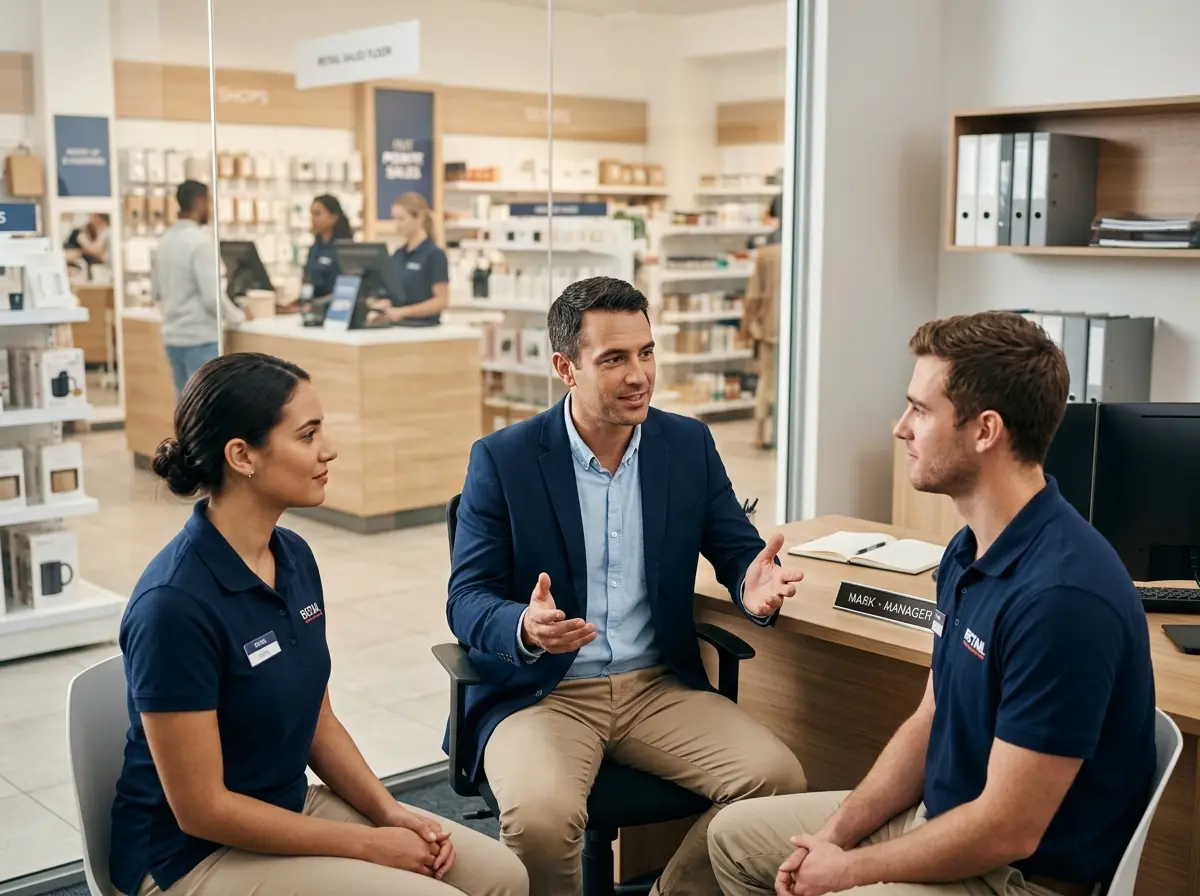
Role-playing is your best friend here. Schedule monthly training sessions where staff take turns presenting mock treatment plans to each other. Have them practice making strong eye contact, speaking in a calm and confident tone, and pausing — actually pausing — after they state the recommended treatment to let the patient respond. Silence is uncomfortable, and the temptation is to fill it with rambling or walking back the recommendation. Train your team to resist that urge. Let the patient lead the next part of the conversation.
Timing Matters More Than You Think
When and where a treatment plan is presented significantly affects whether it's accepted. Handing someone a multi-page plan at the checkout counter while three other patients are waiting behind them is not a recipe for success. Ideally, treatment should be discussed in a private, comfortable setting — preferably before the patient has their coat on and one foot out the door.
Consider implementing a dedicated "consultation moment" as part of your patient flow. After the clinical exam and before the patient transitions to the front desk, have the provider briefly introduce the treatment and its importance. Then, the treatment coordinator continues the conversation in a quieter area with the printed plan in hand. This handoff approach keeps the momentum going and signals that the treatment recommendation is serious — not just a suggestion.
Letting Technology Carry Some of the Load at the Front Desk
How Stella Can Support Your Practice's First Impressions and Follow-Ups
Here's where we get to talk about the future, because the front desk is busier than it has any right to be. While your treatment coordinator is in the middle of walking a patient through a care plan, the phone rings. Again. And again. And instead of giving that patient the focused attention they need to feel confident about a significant financial and health decision, your team is pulled in three directions simultaneously — which is a guaranteed way to tank your acceptance rates.
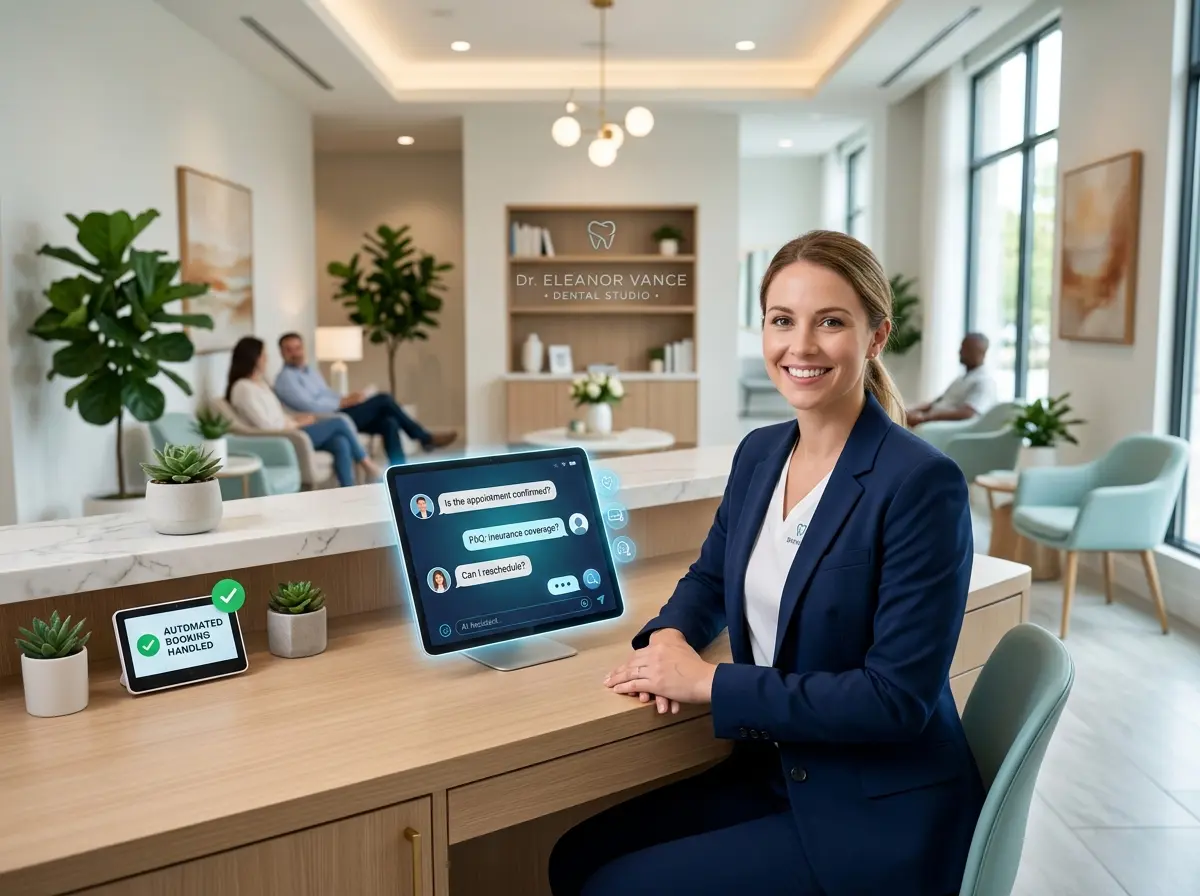
Stella is an AI robot employee and phone receptionist that can take real pressure off your front desk team. For your physical office location, she operates as a friendly in-office kiosk presence that greets patients, answers common questions about services and office policies, and keeps your waiting room experience professional and welcoming — without requiring a single staff member to step away from a critical conversation. On the phone side, she answers calls 24/7, handles routine inquiries, collects patient information through conversational intake forms, and even takes AI-summarized voicemails so your team can follow up with context rather than playing phone tag. When your treatment coordinator can actually focus on the patient in front of them, acceptance rates follow.
The Conversation Itself: Scripts, Objections, and the Art of the Follow-Up
Structure the Presentation Like a Story, Not a Spreadsheet
A treatment plan that's read line-by-line from a printout is not a presentation — it's a recitation. Train your team to structure the conversation in three parts: the problem, the solution, and the path forward. Start with what's happening in the patient's mouth and why it matters. Then introduce the recommended treatment as the solution. Finally, lay out the next steps clearly, including scheduling, financing options, and what happens if the patient delays.
For example: "So based on what Dr. Patel found today, you've got two areas of concern — one tooth with early decay and one that's showing signs of gum recession. The great news is we caught both early, which means the treatment is straightforward. Here's what we're looking at in terms of appointments and cost — and we also have financing options to make it easier to spread that out." That's a story. That's a conversation. That's how you get a patient to say yes.
Handling Objections Without Folding Like a Lawn Chair
The three most common objections are cost, time, and doubt — and your team needs scripts for all three. When a patient says, "That seems expensive," the worst response is to immediately slash the plan or offer to "just watch it for now." Instead, acknowledge the concern and redirect: "I completely understand — it's definitely an investment. That's why we work with CareCredit and in-house payment plans, so you don't have to pay it all at once. Would breaking it into monthly payments make it more manageable?"
When a patient says they need to think about it or talk to their spouse, that's not a no — it's a request for more time and possibly more information. Rather than letting them walk out with zero commitment, try: "Of course, take all the time you need. Can I go ahead and pencil in a tentative spot for you? It's easy to cancel, but this way you don't have to start from scratch on scheduling." Getting a soft hold on the calendar dramatically increases the chance they'll convert.
The Follow-Up System That Most Dental Offices Skip
According to various dental practice management experts, a second or third touchpoint can recover 20–30% of initially declined treatment plans. Most offices follow up once — half-heartedly — and then move on. Build a formal follow-up protocol into your workflow: a call at one week, a postcard or email at 30 days, and a reminder at the next hygiene appointment. Train your team that following up isn't pestering — it's caring. Frame it that way internally and it'll show up in how they communicate externally.
Quick Reminder About Stella
Stella is an AI robot employee and phone receptionist available for just $99/month with no upfront hardware costs — and she's always ready to work, whether that's greeting patients at your kiosk, answering phones after hours, or collecting intake information through conversational forms that feed directly into her built-in CRM. For a dental practice where the front desk is the nerve center of patient communication, having a tireless, professional AI presence handling routine interactions means your human team can focus on the conversations that actually move the needle — like treatment plan acceptance.
Conclusion: Small Changes, Big Acceptance Rates
Improving treatment plan acceptance doesn't require a complete practice overhaul — it requires intentional training, consistent communication, and a support system that allows your team to do their best work without constant interruption. Start with these concrete next steps:
- Schedule a monthly role-play session where staff practice presenting common treatment plans out loud.
- Audit your current patient flow to identify where the treatment presentation moment is falling apart — is it timing, location, or language?
- Create a simple objection response guide with scripts for cost, time, and hesitation objections, and keep it accessible at the front desk.
- Build a formal follow-up protocol with specific touchpoints and assign ownership to one team member.
- Evaluate your front desk bandwidth — if your team is too stretched to give patients focused attention, consider whether tools like an AI receptionist could take routine tasks off their plate.
Your patients want healthy teeth. Your team wants to help them get there. The gap between those two things is almost always communication — and communication, thankfully, is something you can teach, practice, and improve starting today. Now stop reading and go schedule that role-play session.