Why Your Running Store Should Be the Heartbeat of Your Local Running Community
Let's be honest — if your running store is just a place where people buy shoes and leave, you're essentially a very athletic-themed Amazon warehouse. And while there's nothing wrong with selling great gear, there's a massive opportunity sitting right outside your front door (literally — it's called a sidewalk), and it involves turning your store into the kind of place runners actually want to be.
Group runs are one of the most powerful, cost-effective, and genuinely fun ways to build a loyal customer base around your running store. They create community, drive repeat foot traffic, and position your shop as the local authority on all things running — not just the place where someone grabbed a pair of socks on sale. According to the Specialty Running Retail Association, stores that host regular group runs consistently report higher customer retention and stronger word-of-mouth growth than those that don't. Shocking, right? People like buying from people they actually know and run with.
So let's talk about how to build a group run program that turns casual customers into dedicated regulars — and turns your store into the community hub it deserves to be.
Building a Group Run Program That People Actually Show Up To
Start With Consistency, Not Complexity
The single biggest mistake running stores make with group runs is overcomplicating the launch. They try to offer five different pace groups, three different distances, a post-run breakfast buffet, and a motivational speaker — all before they've confirmed that anyone will even show up. Resist the urge. Start simple.
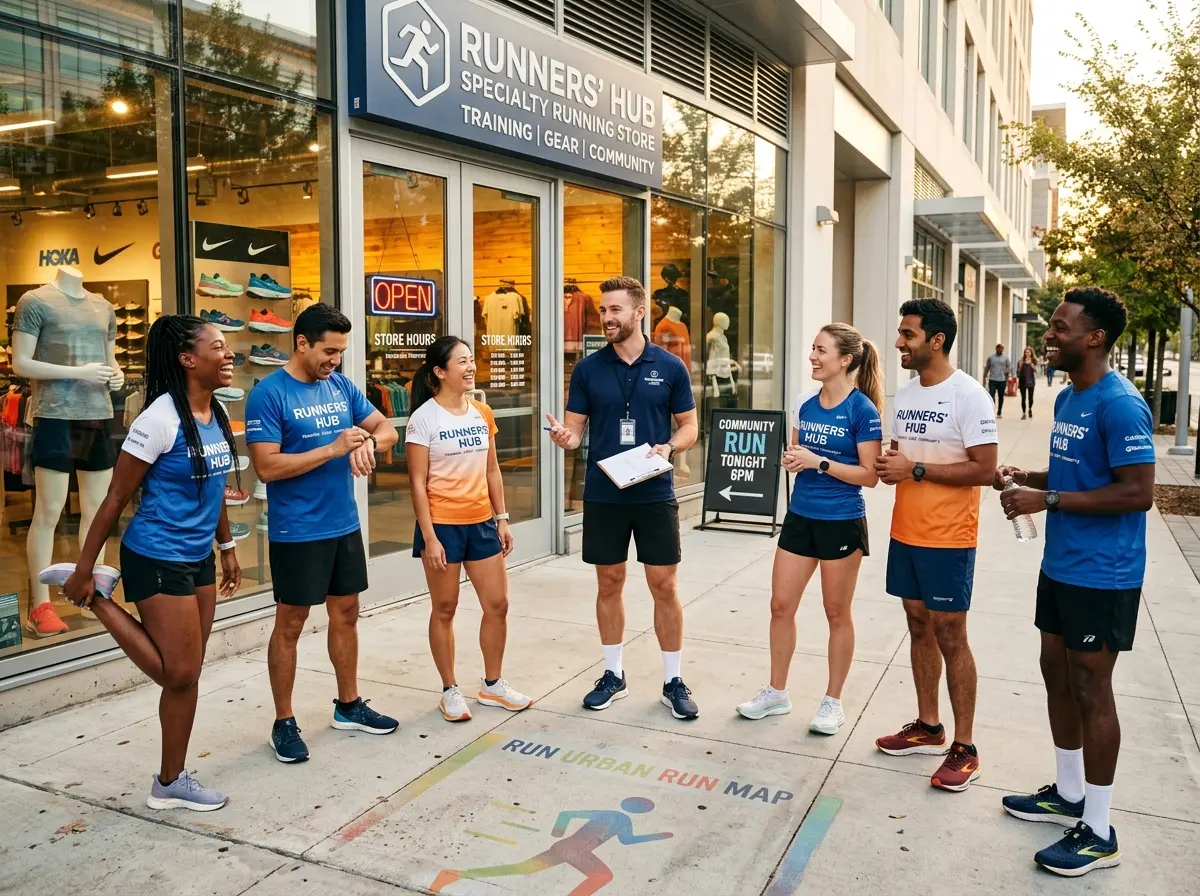
Pick one day, one time, and one consistent meeting spot — ideally your store's front door. Saturdays at 8:00 a.m. is a classic for a reason. It's a weekend, people are more flexible, and there's something deeply satisfying about earning brunch. Consistency is what builds habit, and habit is what builds community. Once your core group is established and your runs are reliably attended, you can layer in additional options like weekday evening runs or trail-specific outings.
Commit to showing up even if only two people come the first week. Those two people will tell two more, and so on. The early days of a group run program are an investment in your store's long-term relationship with the running community — treat them accordingly.
Make Every Runner Feel Like They Belong
Nothing kills a group run program faster than an environment where beginners feel like they've accidentally wandered into an Olympic qualifier. Your runs should be genuinely welcoming to all paces and fitness levels, which often means structuring your routes so faster and slower runners can participate without anyone feeling like the forgotten caboose of the group.
Consider using an out-and-back format where faster runners simply go farther before turning around, ensuring everyone finishes back at the store around the same time. Appoint enthusiastic, friendly "tail runners" who stay with the last person to cross the finish line — because that person deserves just as much encouragement as the speedy folks up front. A runner who feels welcomed at their very first group run becomes a loyal customer. A runner who feels judged buys their next pair of shoes online.
Train your staff who lead runs to introduce themselves, learn names, and make deliberate efforts to integrate newcomers into the group dynamic. This isn't just good community building — it's good business.
Promote Your Runs Before, During, and After
Your group run doesn't exist if nobody knows about it. Promote it consistently across every channel your store uses — email newsletters, social media, in-store signage, and your Google Business profile. Create a recurring social media post series that highlights regulars, shares route maps, and celebrates milestones like participants' first 5K or 100th group run attendance.
Post-run content is particularly powerful. A quick photo of sweaty, smiling runners outside your store does more for your brand than any paid advertisement. It's authentic, it's local, and it signals to every person who sees it: this is a place where real runners go. Encourage participants to tag the store and use a consistent hashtag so content builds over time and becomes searchable in your community.
Keeping Runners Engaged Between Runs
Let Technology Handle the Logistics So You Can Focus on the People
Running a community program means managing a lot of moving parts — registrations, reminders, follow-up communications, and customer questions that come in at all hours. This is where having the right tools in place makes a genuine difference. Stella, the AI robot employee and phone receptionist, is designed to help small businesses like running stores handle exactly this kind of ongoing customer interaction without pulling your staff away from the floor — or the run.
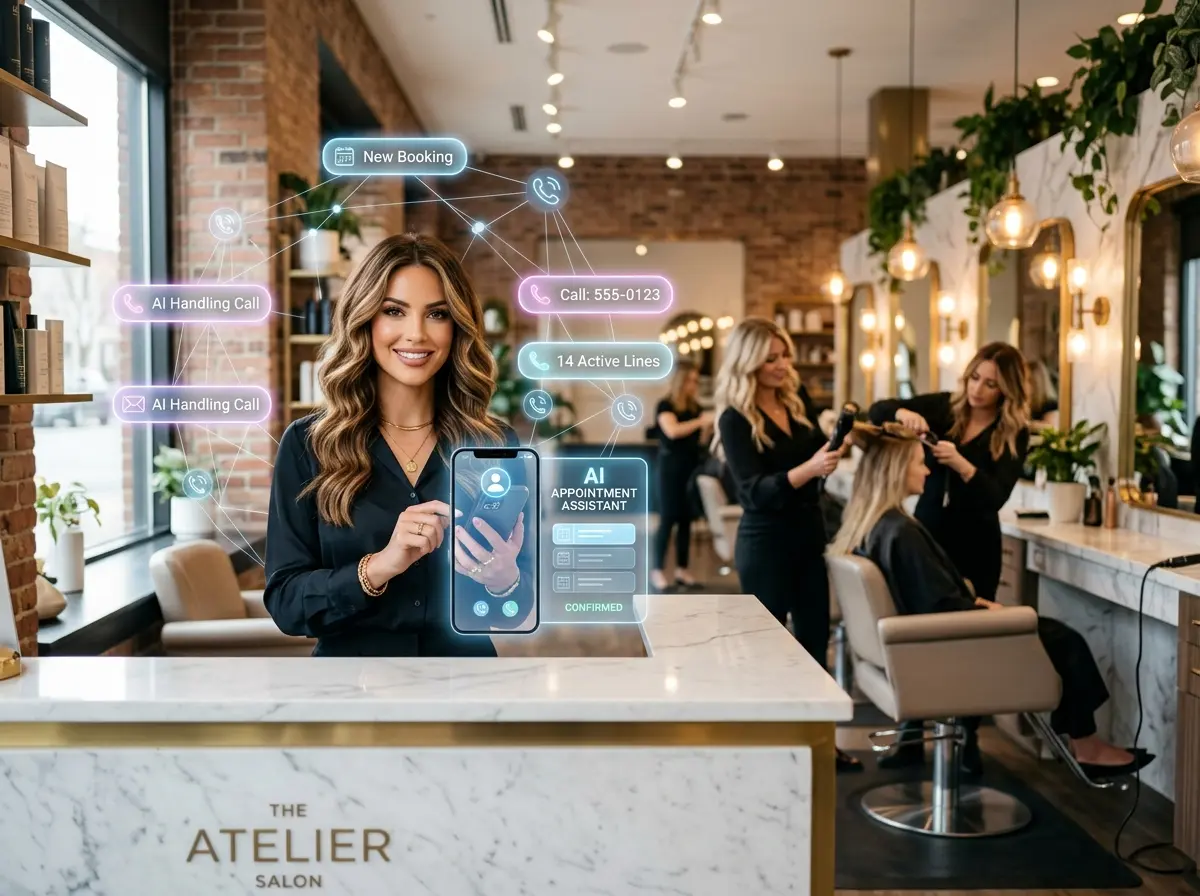
As an in-store kiosk, Stella can greet customers, answer questions about your group run schedule, promote upcoming events, and collect sign-up information through conversational intake forms — all without requiring a staff member to pause what they're doing. As a 24/7 phone receptionist, she ensures that when someone calls at 9:30 p.m. to ask what time Saturday's run starts, they actually get an answer instead of a voicemail they may or may not check. Her built-in CRM also means your customer data stays organized and actionable, so you can follow up with new runners and keep your community growing with minimal administrative overhead.
Turning Group Run Participants Into Loyal Customers
Connect the Running Experience to Your Store's Offerings
Your group run is not just a community service — it's a strategic touchpoint. When runners gather at your store before and after each run, they're in your space, around your products, and in conversation with your staff. This is a natural, pressure-free environment to introduce them to new gear, discuss what's working (or not) in their training, and offer personalized recommendations that feel helpful rather than salesy.
Equip your staff with talking points before each run. If you just received a new line of trail shoes, mention it casually in post-run conversation. If someone is complaining about knee pain mid-stretch, that's an organic moment to discuss gait analysis or supportive insoles — which, conveniently, you carry. The goal is to position your team as trusted advisors, not commission-chasing sales associates.
Create Exclusive Perks for Group Run Regulars
Loyalty deserves recognition. Consider creating a simple rewards structure for group run participants — something like a loyalty card that gets stamped each time someone shows up, redeemable for a discount or exclusive offer after a certain number of runs. You could also offer group-run-exclusive early access to new product launches, members-only sales events, or priority registration for store-sponsored races.
These perks don't need to be expensive. In fact, even modest recognition — a shoutout on social media, a small gift for hitting 50 runs, a "regular" discount on coffee at your post-run café partner — goes a long way. People want to feel like valued members of something, not just consumers in a transaction. Give them that feeling consistently, and they'll reward you with their loyalty and their referrals.
Partner With Local Businesses to Expand Your Reach
Your group run community doesn't have to exist in isolation. Partner with local businesses that share your customer base — coffee shops, juice bars, physical therapy offices, yoga studios — to create a post-run ecosystem that gives participants even more reasons to show up each week. A local café offering a discount to runners who show their group run stamp, or a physical therapist co-hosting a free injury-prevention clinic before one of your Saturday runs, adds real value without adding significant cost to your program.
These partnerships also expand your marketing reach. When a local business promotes your group run to their audience, you gain credibility and visibility in circles that might not have found you otherwise. Running communities thrive on referrals and word-of-mouth — build partnerships that accelerate both.
Quick Reminder About Stella
Stella is an AI robot employee and phone receptionist that works inside your store as a friendly kiosk and answers your phones 24/7 — for just $99 a month with no upfront hardware costs. She handles customer questions, promotes events, collects information, and keeps your operations running smoothly so your human staff can stay focused on what matters most: building real relationships with your running community.
Start Small, Think Big, and Show Up Every Saturday
Building a community through group runs is not a quick-win strategy — and honestly, that's exactly what makes it so valuable. It takes consistency, genuine care, and a willingness to stand outside your store at 8:00 a.m. even when it's a little cold and only four people showed up. But the stores that commit to this long game are the ones that become institutions in their communities, the ones whose customers drive past three competitors to shop with them, and the ones that survive — and thrive — long after the latest e-commerce trend has come and gone.
Here's your action plan to get started:
- Pick a date and commit to it. Choose your first group run date, put it on your calendar, and start promoting it at least two weeks in advance.
- Design a welcoming route. Map out a beginner-friendly route with a natural out-and-back option for faster runners, starting and ending at your store.
- Train your team. Brief your staff on how to engage newcomers warmly, make product recommendations naturally, and represent your store as a community hub.
- Set up your logistics. Use tools like intake forms, a CRM, and consistent communication channels to keep participants informed and engaged between runs.
- Document and share everything. Take photos, post consistently, and celebrate your community publicly — because the best advertisement for your group run is the people who already love it.
Your running store has the potential to be far more than a retail location. It can be the reason someone falls in love with running, completes their first race, or finds their closest friends. That kind of impact doesn't show up in a single transaction — but it absolutely shows up in your bottom line over time. Now lace up, get out there, and build something worth running to.