From "Just Browsing" to "Where Do I Sign?" — The Inquiry Conversion Problem
You've got a stunning venue. The lighting is magical, the grounds are Instagram-worthy, and your bridal suite practically sells itself. Yet somehow, couples who seemed absolutely smitten during their tour mysteriously vanish into the ether, never to be heard from again — except maybe as a competitor's wedding photo on Pinterest. Sound familiar?
Here's the uncomfortable truth: most wedding venue inquiries don't fail because of the venue — they fail because of the follow-up. According to industry data, the average venue loses up to 60% of warm leads simply due to slow response times and inconsistent communication. In a market where couples are touring four to six venues before making a decision, being the second person to call back might as well mean being invisible.
The good news? Converting inquiries into signed contracts isn't some dark art reserved for venues with full-time sales teams. It's a system — and once you build it, it practically runs itself. This guide walks you through exactly how to stop letting great leads slip through the cracks and start turning curious couples into committed clients.
The Art of the First Impression (and the First Five Minutes)
Speed Is Your Secret Weapon
We live in the era of instant gratification. Couples browsing venues on a Tuesday evening aren't going to wait until Wednesday morning for a callback — they're firing off inquiries to six venues simultaneously and mentally ranking whoever responds first. Research from Lead Response Management studies suggests that responding to a lead within five minutes makes you up to 100 times more likely to connect compared to waiting just 30 minutes. Thirty minutes. That's one episode of a mediocre Netflix show, and your lead has already moved on.
The fix is deceptively simple: build a response infrastructure that doesn't depend on someone being at their desk. This means automated email acknowledgments that feel warm (not robotic), a clear timeline promise — "You'll hear from our team within two hours" — and ideally, a way for couples to get basic questions answered immediately, whether it's your pricing range, available dates, or what's included in each package.
Crafting an Inquiry Response That Actually Gets Replied To
Your initial response sets the entire tone of the relationship. Resist the urge to dump your entire package menu, pricing structure, and 47-point FAQ into a single email. Couples don't want a brochure — they want to feel heard.
Start by referencing something specific from their inquiry. If they mentioned a garden ceremony, speak directly to that. Then offer one clear next step: a brief discovery call or a tour booking. Keep it conversational, keep it focused, and end with a question that requires a response. Something like, "Are weekends or weekdays generally more flexible for a quick call?" is infinitely more effective than a generic "Let us know if you have any questions!"
The goal of the first response isn't to close — it's to open a real conversation. Everything else follows from there.
The Tour Experience as a Conversion Tool
If you do your job right, the in-person tour is where the emotional connection happens. This is not the time for a clipboard and a rehearsed speech. Couples should leave a tour feeling like they've already had their wedding there — not like they just attended a real estate showing.
Personalize every tour based on what you learned during the inquiry phase. Walk them through the space with their vision in mind, not yours. Point out the alcove that would be perfect for the acoustic guitarist they mentioned. Reference their guest count when discussing room flow. Small details like these signal that you've been paying attention, and that goes an enormous way in building trust — which is ultimately what gets contracts signed.
Technology That Works While You're Busy Doing Everything Else
Automating Without Losing the Human Touch
Let's be honest: you're a wedding planner or venue owner, not a full-time receptionist. Between coordinating vendors, managing day-of logistics, and trying to have a life, manually responding to every inquiry the moment it arrives isn't realistic. That's where smart automation earns its keep — not to replace genuine human connection, but to ensure no one falls through the cracks while you're in the middle of a rehearsal dinner.
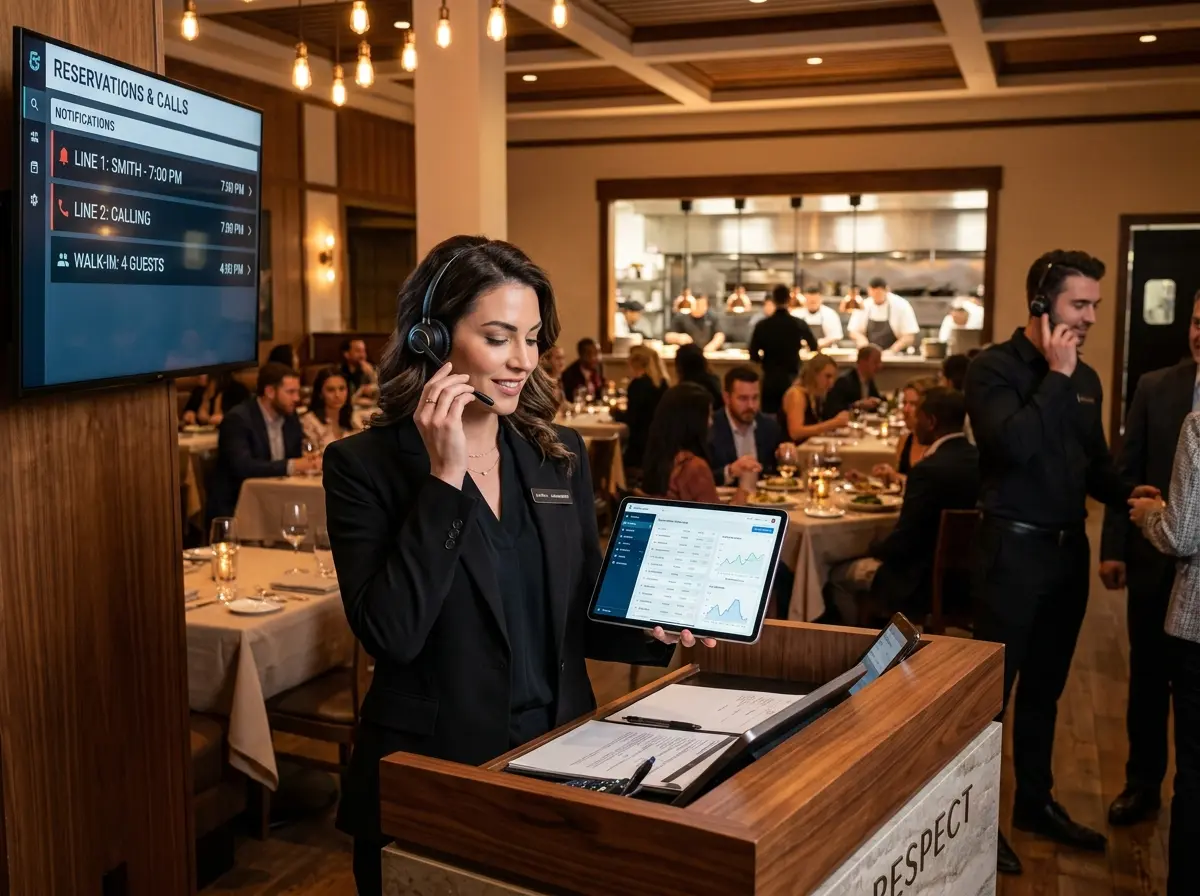
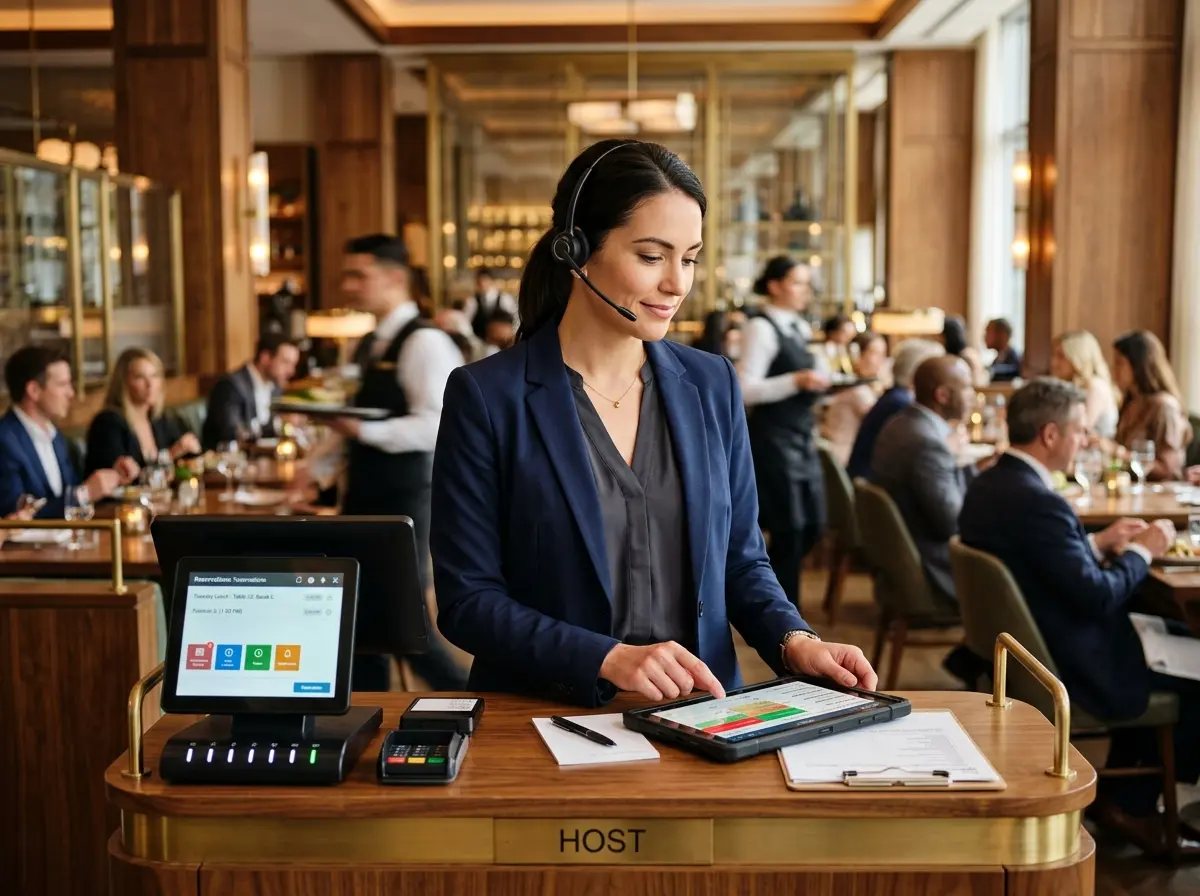
This is where Stella, the AI robot employee and phone receptionist, becomes genuinely useful for venue owners. Stella handles incoming phone calls 24/7 — answering questions about your venue, available dates, pricing tiers, and packages with the same knowledge your best team member would use. She can collect lead information through conversational intake forms during the call itself, so by the time you follow up, you already know the couple's date, guest count, and vision. Her built-in CRM automatically organizes those contacts with tags, notes, and AI-generated profiles, so your inquiry pipeline stays clean and actionable without you lifting a finger. For venues with a physical presence, Stella can also engage walk-in visitors proactively — greeting couples who stop by during open houses or venue tours and answering their initial questions on the spot.
The Follow-Up Sequence That Closes Deals
Stop Following Up Once and Calling It Done
Here's where most venues silently sabotage themselves: they send one follow-up email after a tour, hear nothing back, assume the couple went elsewhere, and move on. But silence doesn't always mean disinterest — it often means the couple is overwhelmed, still comparing options, or waiting on a budget conversation with their parents. Your job is to stay present without becoming a nuisance.
A practical follow-up sequence after a tour might look like this: a warm thank-you email within 24 hours, a personalized check-in three days later that answers any lingering questions, a gentle nudge at the one-week mark that references any urgency around date availability, and a final "closing the loop" message around day fourteen. Each touchpoint should add value — not just ask "Did you make a decision yet?" which is the follow-up equivalent of hovering awkwardly at a restaurant table.
Creating Urgency Without Being That Person
Manufactured urgency is transparent and off-putting. Real urgency, on the other hand, is just honest communication. If a date is genuinely being considered by another couple, say so professionally. If your peak season fills up by a particular month, mention it with context. Couples appreciate transparency, and real constraints motivate decisions in ways that artificial pressure never will.
Pair urgency with an easy path forward. Don't just say "This date may not last" — say "This date may not last, and here's exactly how to hold it." Reduce friction at every decision point. The simpler you make it to say yes, the more yeses you'll get.
Handling Objections Like a Pro (Not Like You're Desperate)
The most common objections in the wedding venue world are price, date availability, and "we're still looking at a few others." Each one has a confident, non-defensive response that keeps the conversation moving.
For price concerns, don't immediately offer a discount — instead, reframe value. Walk them back through what's included, what they'd pay to source each element separately, and what kind of experience your team delivers. For the "still looking" response, simply ask what they're hoping to find that they haven't seen yet. You might discover it's something you already offer and simply haven't highlighted. Objections aren't rejections — they're questions in disguise, and the venue owners who understand that close significantly more contracts than those who take pushback personally.
Quick Reminder About Stella
Stella is an AI robot employee and phone receptionist built for businesses of all sizes — including wedding venues and planners. She answers calls around the clock, greets visitors in person, collects lead information automatically, and keeps your CRM organized without any manual data entry. At $99/month with no upfront hardware costs, she's the team member who never calls in sick on the morning of a bridal show.
Turn Your Inquiry Process Into a Competitive Advantage
Most venues treat inquiry management as an afterthought — something that happens between the "real" work. But the venues that consistently fill their calendars understand that the sales process is part of the product. How you respond to a couple before they book tells them exactly how you'll treat them throughout the planning process.
Here's where to start: audit your current response time honestly. Send a test inquiry to yourself and see how long it actually takes to get a meaningful reply. Then map out your follow-up sequence — if you don't have one documented, you don't really have one. Finally, look at where leads are dropping off. Is it after the initial inquiry? After the tour? That data tells you exactly where to focus your energy.
The couples who are going to book with you this year have already started searching. They're filling out contact forms, calling venues, and making mental shortlists right now. Your only job is to make sure that when they reach out to you, the experience is so seamless, so warm, and so clearly different from everyone else that signing a contract feels like the obvious next step — not a leap of faith.
Build the system. Work the sequence. Let the right tools handle the parts that don't require you. And watch your conversion rate do something you'll actually want to photograph.