So You Have a Physical Store — Let's Make Sure Google Knows It Exists
Here's a fun scenario: a potential customer is standing half a block from your store, phone in hand, searching for exactly what you sell. Your store is right there. And yet, somehow, Google sends them to your competitor three miles away. Ouch.
This is the silent tragedy of poor local SEO — and it plays out thousands of times a day for brick-and-mortar businesses that haven't taken the time to optimize their local search presence. The good news? Local SEO for physical retail stores is one of the most actionable, high-ROI marketing investments you can make. Unlike paid ads, the results compound over time. Unlike social media, you're not at the mercy of an algorithm that changes every Tuesday.
According to Google, 76% of people who search for something nearby on their smartphone visit a related business within a day, and 28% of those searches result in a purchase. That's not a marketing statistic someone invented to sell you a course — that's real foot traffic walking past your door (or into it, if you play your cards right).
This checklist covers everything a physical retail store needs to do to dominate local search results — from the basics you might be embarrassed to admit you haven't done yet, to the advanced tactics that separate thriving local businesses from the ones wondering why their store is so quiet on a Tuesday afternoon.
Your Google Business Profile Is Your Digital Storefront
If local SEO were a house, your Google Business Profile (GBP) would be the front door. Everything else is landscaping. Neglect the door and nobody gets inside, no matter how beautiful the garden looks.
Claim, Verify, and Optimize Your Listing
First things first — if you haven't claimed your Google Business Profile, stop reading this and go do that right now. We'll wait. Once you're verified, the real work begins. Your profile needs to be treated like a living document, not a set-it-and-forget-it form you filled out in 2019.
Make sure your business name, address, and phone number (NAP) are accurate and match exactly what appears on your website and every other directory on the internet. "Exactly" means exactly — if your address says "Suite 100" in one place and "Ste. 100" in another, that inconsistency quietly erodes your local search authority. Choose a format and stick with it religiously.
Fill out every single field Google offers: business category (choose the most specific primary category available), business description (use natural language and include relevant local keywords), attributes (women-owned, wheelchair accessible, free Wi-Fi — check everything that applies), and service areas if relevant. Upload high-quality photos regularly — businesses with photos receive 42% more requests for directions and 35% more website clicks than those without.
Reviews: Your Most Underutilized Local SEO Asset
Reviews are the social proof engine of local search. Google's algorithm considers the quantity, quality, and recency of your reviews when determining where you rank in local results. A business with 200 reviews and a 4.3-star rating will almost always outrank a business with 8 reviews and a 5.0 rating — because recency and volume signal that you're an active, legitimate business.
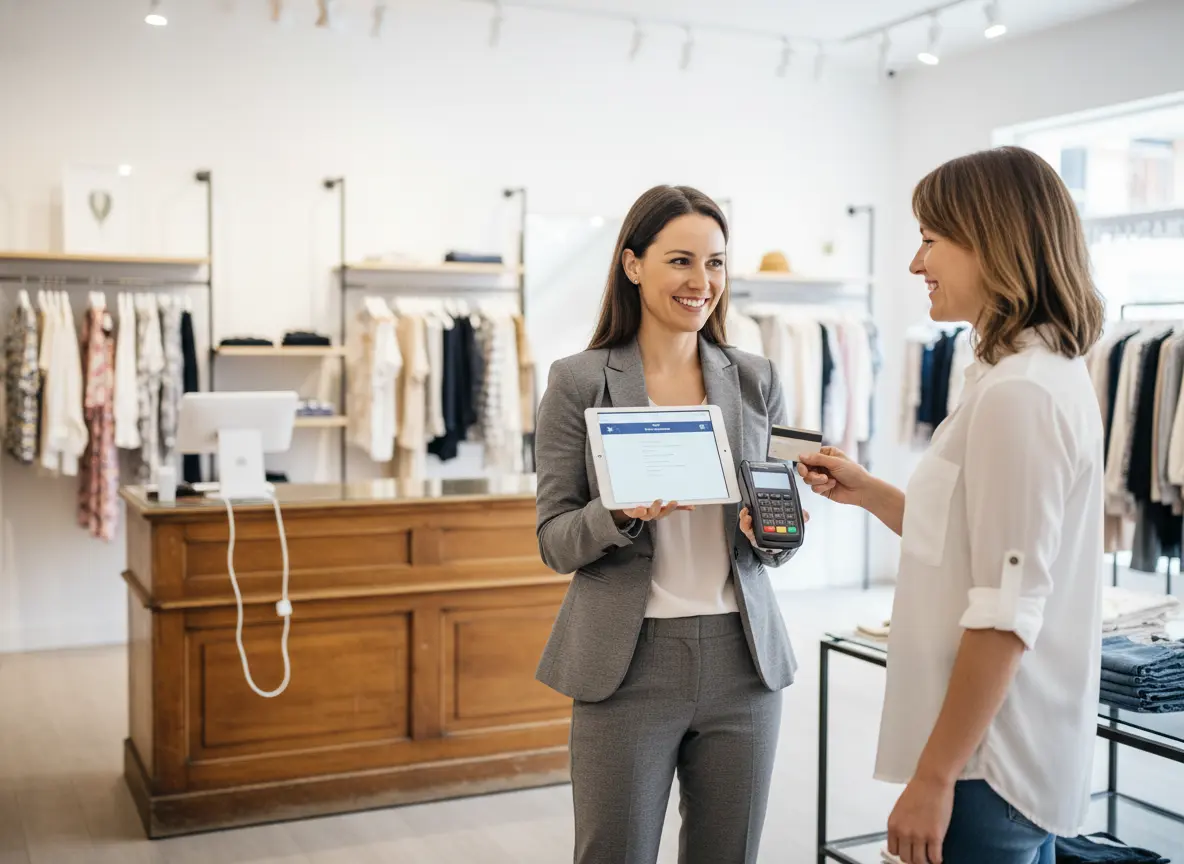
The best way to get reviews is embarrassingly simple: ask for them. Train your staff to mention it at checkout. Send a follow-up email or text after a purchase. Make it easy with a short link or QR code that goes directly to your review page. And for the love of your star rating, respond to every review — positive and negative. Responses signal to Google that you're engaged, and they signal to potential customers that you actually care.
Posts, Q&A, and Keeping Your Profile Active
Google Business Profile has a built-in posting feature that most business owners completely ignore. Regular posts about promotions, new products, events, or seasonal offers keep your profile fresh and give Google more content to index. Think of them as mini social media posts that directly influence your search visibility.
Don't overlook the Q&A section either. Anyone can ask — and answer — questions on your profile, which means if you don't seed it with your own helpful Q&As, you might end up with unanswered questions or, worse, incorrect answers from well-meaning strangers. Get ahead of it by posting the questions customers most commonly ask and answering them yourself.
How a Smarter In-Store and Phone Presence Supports Your Local SEO Efforts
Local SEO gets people through the door — but what happens once they arrive (or call) is just as important to your long-term search performance. Reviews, repeat visits, word-of-mouth, and the overall perception of your business all feed back into your local authority. This is where having the right tools in place makes a measurable difference.
Turning Foot Traffic Into Reviews and Repeat Customers
Stella, the AI robot employee and phone receptionist, is designed exactly for this kind of moment. As a human-sized kiosk that stands inside your store, Stella greets every customer who walks in, answers their questions about products, services, and current promotions, and creates the kind of smooth, helpful experience that makes people want to leave a five-star review. She also answers phone calls 24/7 with the same business knowledge she uses in person — so a customer who calls after hours to ask about your hours, return policy, or current deals gets a real answer instead of a voicemail they'll never leave.
Stella also collects customer information through conversational intake forms — whether during a phone call, at the kiosk, or on your website — and organizes everything in a built-in CRM with AI-generated customer profiles, custom fields, and tags. That means every interaction becomes an opportunity to build a relationship, follow up, and bring customers back — which, by the way, is exactly the kind of customer behavior that builds a strong local reputation over time.
On-Page SEO and Citations: The Technical Side of Local Search
While your Google Business Profile does a lot of the heavy lifting, it doesn't work in isolation. Your website and your presence across the broader web need to reinforce the same signals if you want to consistently rank in the local pack and organic results.
Optimize Your Website for Local Search Signals
Your website needs to make it crystal clear to Google where you are and what you do. This sounds obvious, but you'd be shocked how many retail websites bury their address in a tiny footer or forget to include their city name anywhere in their page content.
Start with your homepage and contact page — your full NAP information should appear in text (not just an image), ideally in the footer sitewide. Create a dedicated location page if you have multiple stores, or ensure your homepage title tag and meta description include your city and primary business category. A title tag like "Women's Boutique in Austin, TX | The Blue Thread" tells Google exactly who you are and where you operate.
Create locally-relevant content when you can. A blog post about the best gifts for Mother's Day in your city, a guide to your neighborhood, or a "what's new this season" update isn't just good for SEO — it's genuinely useful to local customers and positions you as a real part of the community.
Build and Maintain Consistent Local Citations
A "citation" is any online mention of your business name, address, and phone number — whether on Yelp, Apple Maps, Bing Places, TripAdvisor, the local Chamber of Commerce directory, or dozens of other listing sites. Consistency across all of these platforms reinforces your legitimacy to Google's algorithm.
Start by auditing your existing citations using a tool like Moz Local, BrightLocal, or Whitespark. You'll almost certainly find outdated addresses, old phone numbers, or name variations that need to be corrected. Submit your business to the major directories that matter for your industry, and then check in periodically — especially after any business changes like a move, rebranding, or new phone number.
Structured Data and Schema Markup
This is the part where most retail owners' eyes glaze over, but bear with us — it's worth knowing about even if you hand it off to a developer. Adding LocalBusiness schema markup to your website gives Google a machine-readable description of your business, including your name, address, phone number, hours, and even your product or service categories. It doesn't guarantee rankings, but it helps search engines understand your site more accurately, which supports better visibility in local results. If you're on WordPress, plugins like Yoast SEO or Rank Math can handle much of this automatically.
Quick Reminder About Stella
Stella is an AI robot employee and phone receptionist built for businesses like yours. She stands inside your store as a friendly, knowledgeable kiosk, engages walk-in customers, promotes your current deals, and answers questions without pulling your staff away from what they're doing. She also answers every phone call 24/7 — which means no missed leads, no frustrated callers, and a professional presence around the clock. All of this for just $99/month, with no upfront hardware costs and an easy setup.
Start Checking Boxes — Your Competitors Certainly Are
Local SEO isn't magic, and it's not instant — but it is one of the most reliable ways to drive consistent, qualified foot traffic to your physical retail store. Every improvement you make compounds over time, and the businesses that invest in this now will be the ones showing up at the top of the map pack while everyone else is still wondering what happened.
Here's your actionable starting point:
- Claim and fully optimize your Google Business Profile — fill out every field, add photos, and start posting regularly.
- Implement a review generation strategy — ask customers, make it easy, and respond to every review you receive.
- Audit your website for local SEO basics — NAP in the footer, location-specific title tags, and a proper contact page.
- Audit and correct your local citations — consistency across directories is non-negotiable.
- Add LocalBusiness schema markup to your website, or ask your developer to do it.
- Evaluate the in-store and phone experience that customers have after they find you — because local SEO gets them there, but a great experience keeps them coming back.
The checklist isn't complicated. It just requires actually doing it. So close this tab, open a new one with your Google Business Profile dashboard, and get started. Your future customers are already searching — make sure they find you first.