Introduction: Because "Wing It" Isn't a Scheduling Strategy
Congratulations — your nail salon is growing. More clients, more staff, more services, more revenue. The dream is happening. And then Monday morning hits, and you're staring at a whiteboard covered in conflicting appointments, two technicians calling in sick, a client demanding her usual nail tech who is apparently booked until the next lunar eclipse, and a phone that will not stop ringing. Growth is wonderful. Scheduling chaos is not.
Here's the uncomfortable truth: most nail salons outgrow their scheduling systems long before they realize it. What worked when you had two technicians and a loyal base of regulars simply doesn't hold up when you've got six staff members, varied service durations, rotating specialties, and a booking volume that would make a hotel front desk nervous. According to the Professional Beauty Association, the salon industry sees some of the highest staff turnover rates of any service sector — which means your scheduling system also needs to survive constant personnel changes without completely falling apart.
The good news? Building a smart, multi-staff scheduling system is entirely achievable, and it doesn't require a business degree or a full-time operations manager. It requires the right structure, the right tools, and the willingness to stop treating scheduling like an afterthought. Let's break it down.
The Foundation: Designing a Scheduling System That Actually Works
Map Your Services, Staff, and Time Blocks First
Before you touch any scheduling software or app, you need to do some honest groundwork. Not all services are created equal, and not all technicians offer the same menu. A full set of acrylic nails with nail art takes considerably longer than a basic gel manicure, and if your scheduling system doesn't reflect that reality, you'll end up with back-to-back bookings that physically cannot exist in the space-time continuum.
Start by creating a detailed service catalog that includes accurate time estimates — and be honest. That "45-minute" pedicure that consistently takes 65 minutes is lying to your calendar. Assign each service a realistic duration, and add buffer time for room setup, sanitation, and the inevitable client who takes three minutes to choose between two nearly identical shades of blush pink. Next, map each staff member's specific skills and certifications. Not every technician does acrylics, extensions, or nail art. Defining staff specialties upfront prevents clients from being booked with someone who can't actually deliver the service they requested.
Choose Scheduling Software Built for Multi-Staff Environments
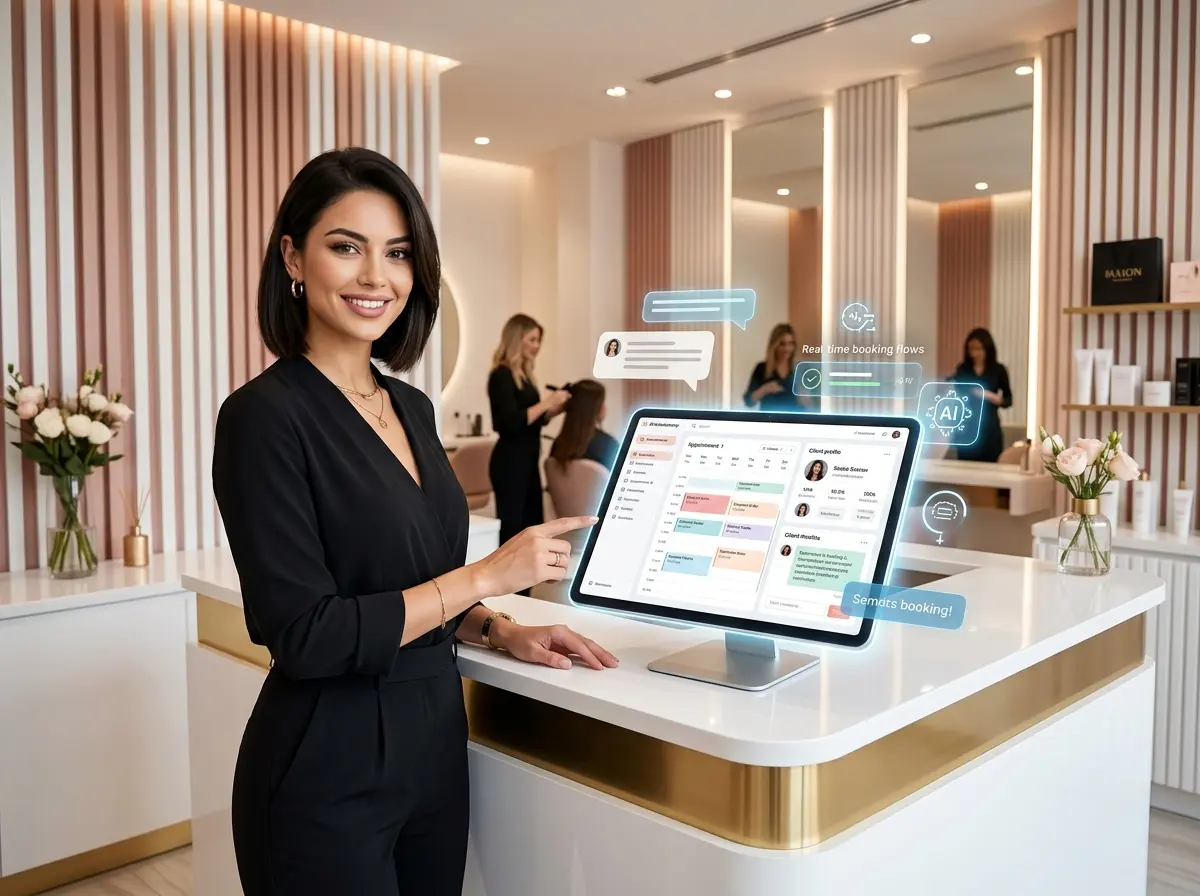
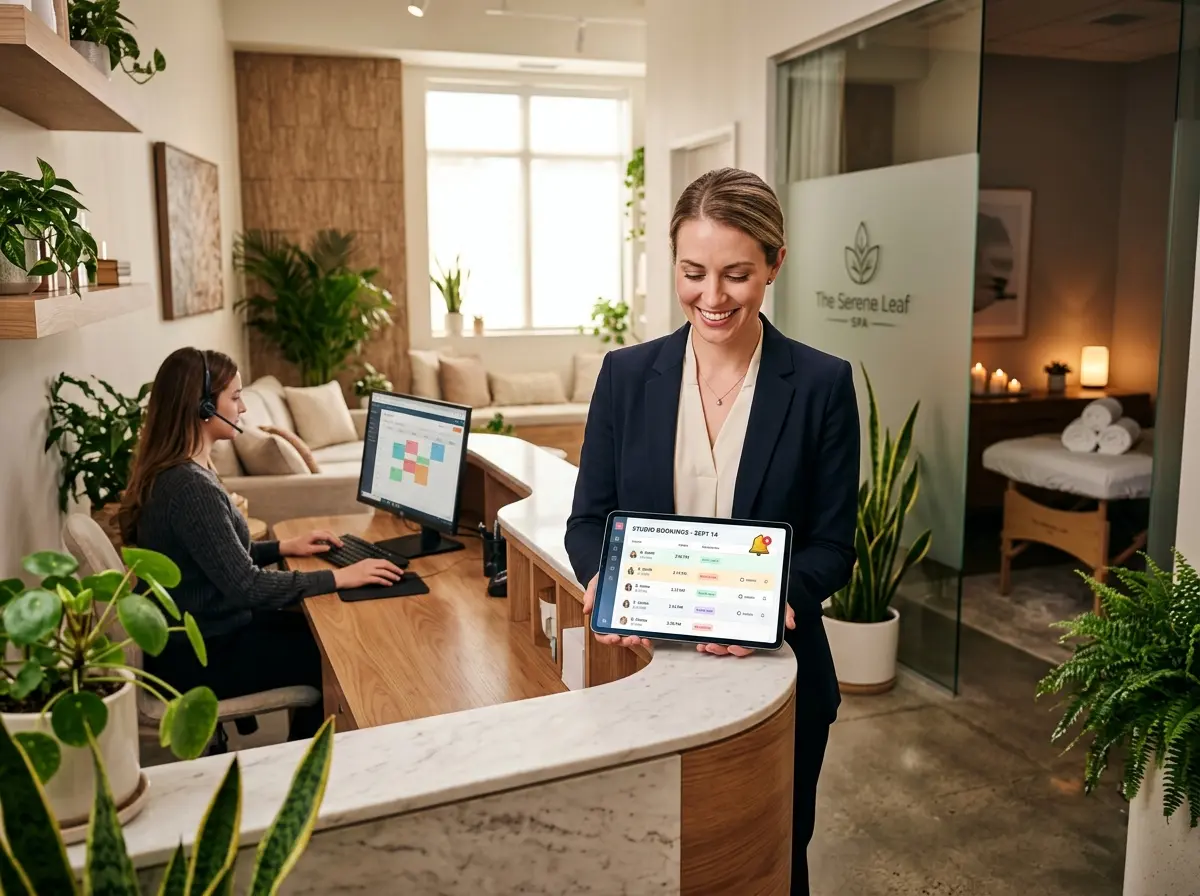
Generic calendar apps are charming, in the way that a bicycle is charming when you need to move furniture. You need software designed for multi-staff service businesses. Platforms like Vagaro, Booksy, GlossGenius, or Square Appointments offer features specifically tailored to salons — individual staff calendars, service-to-staff assignment, client history tracking, automated reminders, and online booking integrations.
When evaluating options, prioritize these features: the ability to assign services to specific staff members, real-time availability updates that clients can see online, automated appointment confirmation and reminder texts or emails, and reporting tools that show you which staff members are fully booked versus underutilized. That last one matters more than people expect — it's the fastest way to identify whether you have a staffing problem or a marketing problem.
Establish Clear Booking Policies Before You Need Them
A scheduling system without policies is just a suggestions board. Establish non-negotiable booking rules and communicate them clearly — on your website, during booking confirmations, and at the front of house. Define your cancellation window (48 hours is industry standard for salons), your no-show policy, your deposit requirements for longer services, and how far in advance clients can book. Enforcing these consistently protects your technicians' time, which is your revenue.
Tools and Technology That Keep the Calendar From Imploding
Automate What You Can — Starting With Communications
Manual appointment reminders are a full-time job that nobody should have. Automated text and email reminders reduce no-shows by up to 29% according to industry data, which means your booking software's reminder feature is one of the highest-ROI tools in your business. Set reminders at 48 hours and again at 24 hours before appointments. Include the service booked, the staff member, and a direct cancellation or rescheduling link. The easier you make it for clients to adjust, the more time your staff has to actually fill that slot rather than staring at an empty chair.
On the front-of-house and phone side, Stella — the AI robot employee and phone receptionist — can handle the flood of incoming calls that every busy salon knows too well. Rather than pulling a technician away mid-service to answer basic questions about hours, availability, or pricing, Stella handles those calls automatically, 24/7, with real knowledge of your business. She can also greet walk-in clients at her in-store kiosk, letting your staff stay focused on the client already in the chair. For a growing salon, that kind of front-desk reliability without the front-desk salary is genuinely useful.
Managing Staff Schedules, Conflicts, and the Human Element
Build Shifts Around Service Demand, Not Convenience
This is where data starts to earn its keep. After a few months of consistent bookings, you'll have clear patterns: which days are busiest, which time slots fill fastest, which services drive the most revenue. Use that information to schedule your highest-performing and most experienced technicians during peak demand hours. It seems obvious, but plenty of salon owners default to scheduling based on staff preference rather than business need — and then wonder why Tuesday evenings are a ghost town while Saturday mornings are chaos.
Consider staggering start times rather than having everyone arrive at the same time. If your salon opens at 9am, having all six technicians clock in simultaneously creates a bottleneck of idle time early on and then a frantic scramble to clean up at closing. Staggered shifts allow continuous coverage and a smoother end-of-day transition. It also means you're not paying six people to sit around for the first forty minutes of the day waiting for the coffee to brew.
Create a Substitution and Coverage Protocol
Staff call-outs are not an if — they are a when. Every growing salon needs a documented substitution protocol before it's needed, not while someone is panic-texting the group chat at 8:45am. Maintain an up-to-date list of which staff members can cover which services, in priority order. Identify one or two flexible staff members who are available for on-call shifts and compensate them appropriately for that availability. When a call-out happens, your manager should know in five minutes exactly who to contact, what services need to be redistributed, and which client appointments need to be rescheduled or transferred — not because they're guessing, but because the protocol exists and is written down.
Conduct Regular Schedule Reviews and Stay Ahead of Burnout
Scheduling isn't a set-it-and-forget-it system. Review your schedule performance monthly — look at utilization rates per technician, average booking lead times, and cancellation or no-show trends by staff member or service type. These numbers tell a story. A technician who is perpetually overbooked is heading toward burnout. A technician who is chronically underbooked may need marketing support, skill development, or an honest conversation about fit.
Burnout is a real and expensive problem in the nail industry. Physical repetition, chemical exposure, and emotionally demanding client interactions are part of the job — and a poorly designed schedule that leaves no breathing room accelerates exhaustion significantly. Build in genuine breaks, rotate demanding service types where possible, and treat your technicians' schedules with the same care you'd want applied to your own.
Quick Reminder About Stella
Stella is an AI robot employee and phone receptionist designed to support businesses exactly like yours. She stands in your salon as a friendly kiosk presence that engages walk-in clients and answers questions, while simultaneously handling phone calls around the clock so your staff never has to choose between a client in the chair and a caller on hold. At $99/month with no upfront hardware costs, she's the kind of front-desk support that actually shows up every day.
Conclusion: Build the System Before the Chaos Builds It for You
A multi-staff scheduling system isn't glamorous — it's not the part of running a nail salon that ends up on Instagram. But it is the infrastructure that determines whether your growth feels like momentum or mayhem. The salons that scale successfully aren't necessarily the ones with the best nail artists (though that helps). They're the ones that built operational systems capable of supporting excellent work without constant firefighting.
Here's your actionable starting point. This week, audit your current service menu for accurate time estimates and update any that are consistently over or underrunning. Next, evaluate whether your current scheduling software supports true multi-staff management or if you've outgrown it. Then document a substitution protocol — even a simple one-page reference — before you need it. Finally, pull whatever booking data you have and look honestly at your demand patterns so your next schedule reflects your business reality rather than your assumptions about it.
Your clients come to your salon because they trust you with something they care about. Your job is to make sure the systems behind the scenes are worthy of that trust — for them, and for the team that delivers the work every single day. Build the system. Then enjoy the growth you've earned.