The Waiting Room Shouldn't Be Where the Wait Starts
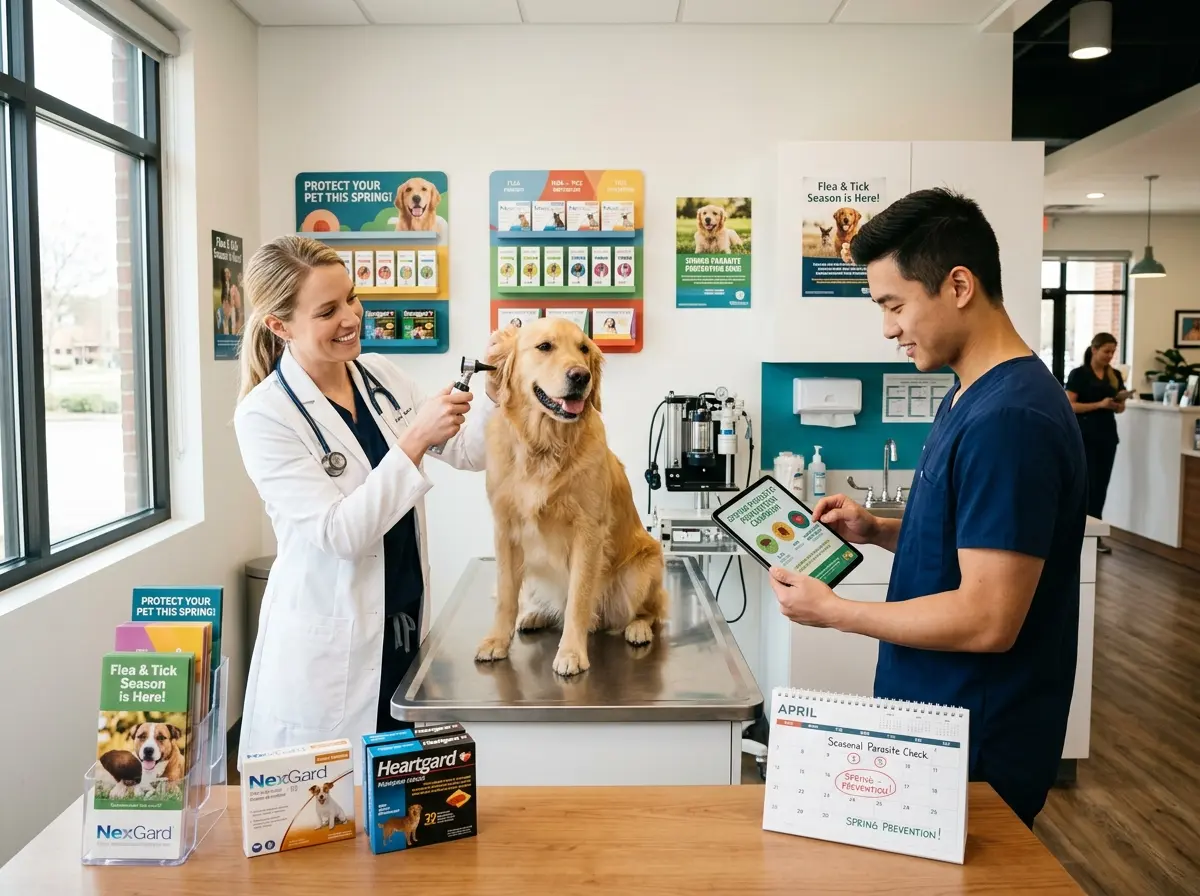
Picture this: It's a Tuesday morning. A dog named Biscuit has an 9 a.m. appointment. Biscuit is anxious. His owner is anxious. And your front desk staff is currently juggling three incoming calls, a walk-in asking about flea prevention, and a very insistent cat carrier that keeps sliding off the counter. Now imagine that all of this chaos could have been dramatically reduced — before anyone even left their driveway.
The veterinary industry has historically been a bit slow to adopt digital check-in workflows, and honestly, that's understandable. When you're busy keeping animals healthy, overhauling your intake process doesn't exactly top the priority list. But here's the uncomfortable truth: the check-in experience begins the moment a client decides to book an appointment, not the moment they walk through your door. And if your process still relies on clipboards, repeat phone calls, and staff shouting patient weights across the lobby, you're leaving both efficiency and client satisfaction on the table.
This post is for veterinary clinic owners who are ready to stop treating the check-in process as an afterthought and start treating it as the first impression it actually is.
The Real Cost of a Broken Pre-Arrival Process
Your Front Desk Is Drowning (and It's Not Their Fault)
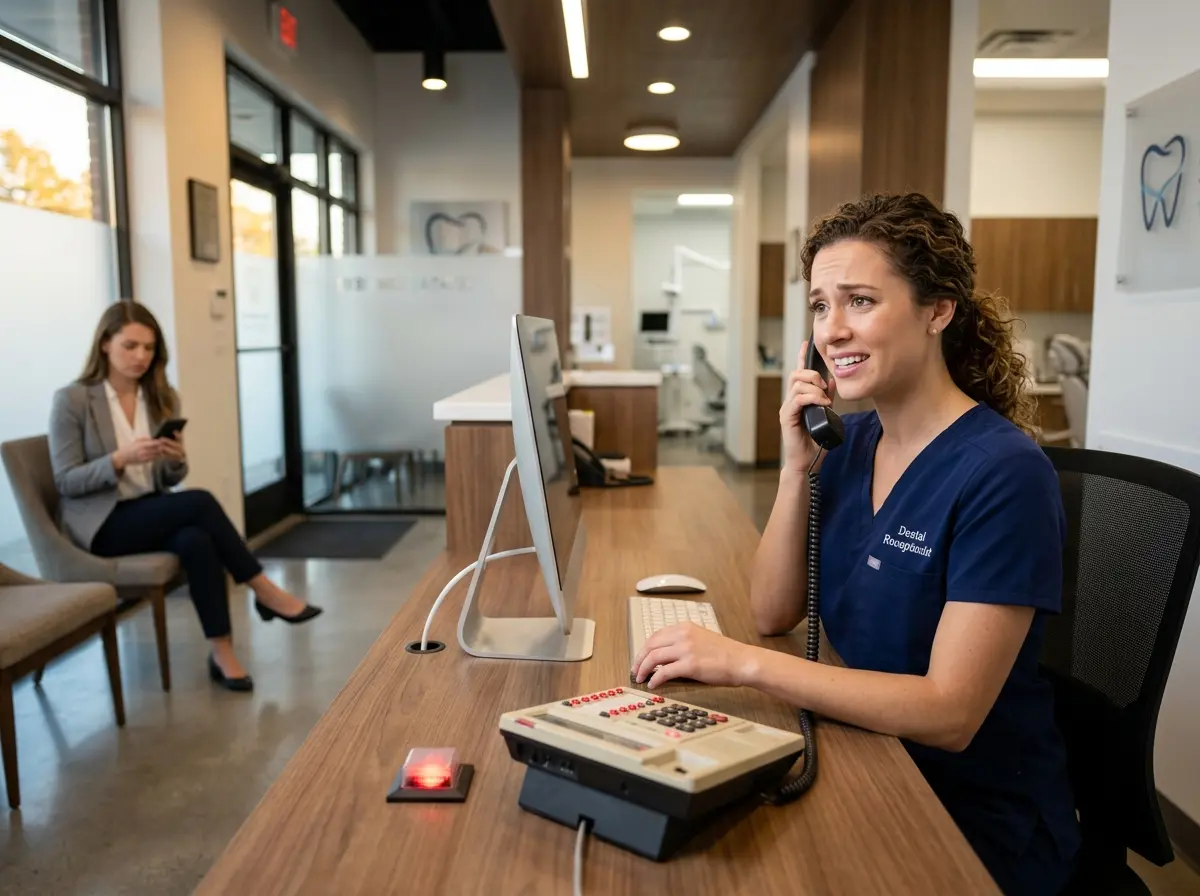
Let's be honest about what your front desk staff is actually doing during a typical morning rush. They're answering phones, verifying insurance, updating pet records, collecting payment for the last appointment, explaining post-operative care instructions, and — somewhere in between — trying to warmly greet every client who walks through the door. That's not a job description; that's a cry for help.
According to the American Veterinary Medical Association, the average veterinary clinic sees between 15 and 25 patients per day, with morning hours being the highest-traffic window. When each of those arrivals requires manual check-in, record verification, and intake questioning, the math gets ugly fast. A process that takes just five extra minutes per patient can consume nearly two hours of staff time daily — time that could have been spent on actual patient care.
The fix isn't hiring more people (though that's sometimes necessary too). The fix is capturing information before the client ever walks in.
Incomplete Intake Forms Are a Patient Safety Issue
Here's something that doesn't get said enough in conversations about clinic efficiency: incomplete or rushed intake is not just an inconvenience — it can be a clinical risk. When a pet owner is filling out a paper form while their anxious dog is barking and their toddler is trying to open every door in the lobby, important details get missed. Medication allergies. Recent behavioral changes. That weird thing Biscuit ate last Thursday.
Pre-arrival digital intake forms allow clients to fill out information calmly, from home, with time to actually think. They can reference vaccination records, jot down concerns they might otherwise forget to mention, and flag anything unusual. This leads to better clinical conversations, fewer surprises during the exam, and a safer experience for the patient overall.
Client Expectations Have Changed — Full Stop
Your clients are booking restaurant reservations, ordering prescriptions, scheduling haircuts, and checking into flights entirely through digital platforms. They are not excited about calling your clinic three times to confirm an appointment, then filling out the same paper form they filled out last year, then waiting 10 minutes past their appointment time while staff hunts down their pet's records.
A 2023 study by McKinsey found that 75% of consumers now expect a consistent digital experience across all service industries — including healthcare. Veterinary medicine is not exempt from this shift. Clinics that invest in a streamlined digital experience are not just being modern for the sake of it; they're meeting a genuine expectation that clients already have.
How Smart Tools Can Fill the Gap Before You've Said Hello
Pre-Arrival Workflows That Actually Work
The most effective pre-arrival systems do three things: they collect information, they confirm it, and they route it somewhere useful. That means automated appointment reminders with embedded digital intake links, real-time updates to your patient records when a form is submitted, and a clear signal to your staff about which clients are fully checked in before they arrive.
This is also where AI-powered tools are genuinely changing the game for small and mid-sized veterinary clinics. Stella, for example, is an AI robot employee and phone receptionist that can handle intake conversations over the phone, on the web, or through an in-clinic kiosk — capturing client and patient information through natural, conversational intake forms and storing everything in a built-in CRM. That means when Mrs. Henderson calls to book Biscuit's follow-up appointment, Stella can collect his current weight, any medication changes, and the reason for the visit — all before a single human staff member gets involved. Her built-in CRM supports custom fields and tags, so you can track exactly what matters for a veterinary practice specifically.
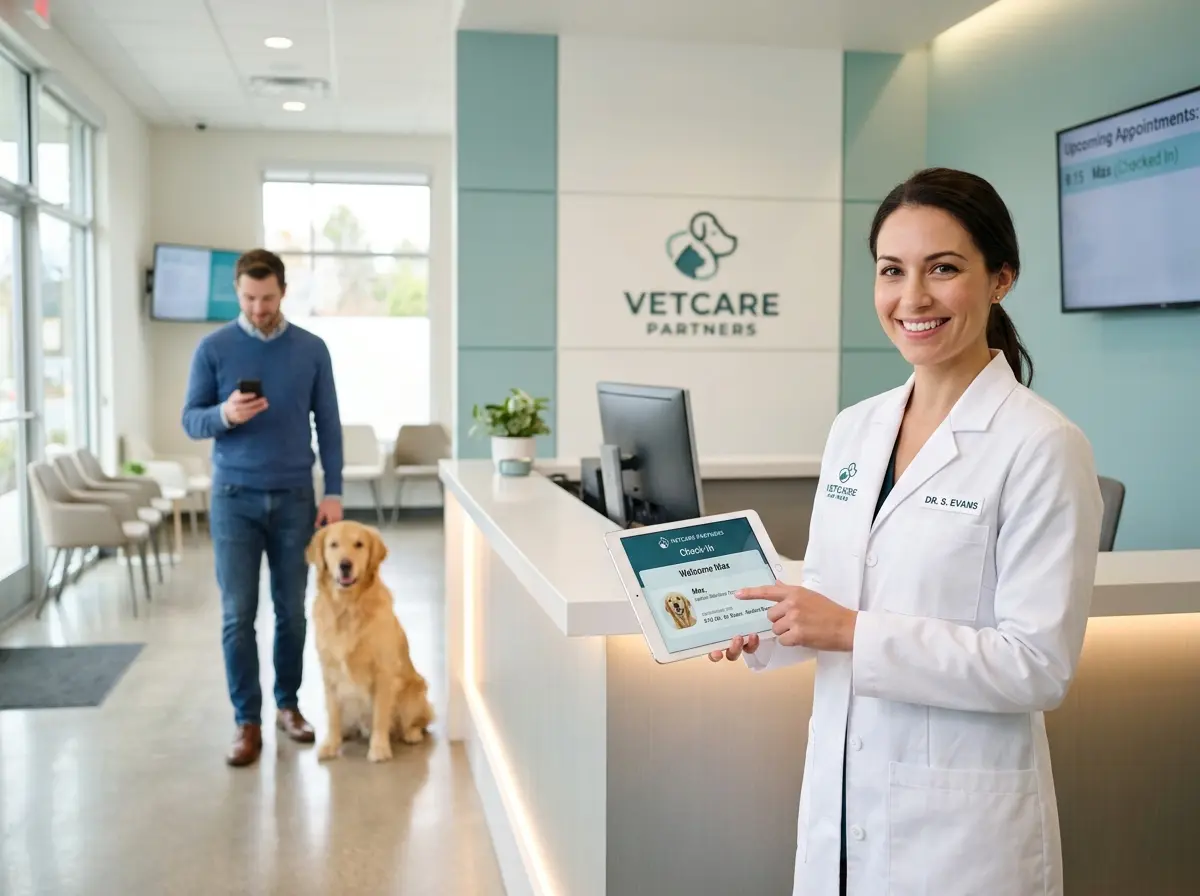
For clinics with a physical location, Stella's in-store kiosk presence also means clients who arrive early or with questions don't have to monopolize your front desk — they can interact with Stella directly while staff focuses on clinical tasks.
Building a Check-In Flow That Starts in the Driveway
Step One: Send the Right Information at the Right Time
A well-timed digital pre-check-in workflow typically looks like this:
- 48 hours before the appointment: Send an automated reminder with a link to a pre-arrival digital form. This is where you capture updated contact info, reason for visit, current medications, and any concerns.
- 24 hours before: Send a confirmation once the form is completed, including parking instructions, check-in procedures, and what to bring.
- Day of appointment: Send a brief "we're ready for you" message with a curbside check-in option (more on this below).
This cadence reduces no-shows, ensures your team has the information they need before the patient arrives, and signals to clients that your clinic is organized and professional. It also dramatically reduces the number of "just confirming my appointment" calls your front desk receives — which, if you've ever been in a clinic during morning rush, feels like a miracle.
The Case for Curbside Check-In (Even Post-Pandemic)
Curbside check-in became popular during COVID-19 for obvious reasons, but many veterinary clinics quietly kept elements of it because — surprise — it actually works really well. Allowing clients to text or tap a link when they arrive in the parking lot gives your team time to prepare the exam room, pull up records, and mentally prepare for the patient before the leash is even unclipped.
Combined with a pre-arrival intake form, curbside check-in means your staff is greeting a prepared patient, not starting the intake process from scratch at the door. The client feels like a VIP. The pet transitions more smoothly. And your lobby doesn't turn into a chaotic menagerie of overlapping arrivals.
Turning Check-In Data Into Client Relationships
Here's the underrated benefit of a digital pre-arrival system: the data. Every pre-check-in form is an opportunity to learn something about your client and their pet. Are there patterns in why clients are booking appointments? Are certain breeds showing up with the same complaints? Are clients flagging concerns that your clinical team could address proactively?
When your intake data lives in a CRM rather than a paper folder in a drawer, it becomes actionable. You can follow up on flagged concerns, personalize reminder messaging based on pet age or health history, and identify opportunities to recommend relevant services — like a senior wellness package for a dog that just turned eight, or a dental cleaning reminder for a cat whose chart notes some early tartar buildup. Digital check-in isn't just logistics. It's relationship-building at scale.
Quick Reminder About Stella
Stella is an AI robot employee and phone receptionist built for businesses exactly like yours — she answers calls 24/7, greets clients at your in-clinic kiosk, handles intake through conversational forms, manages contacts through a built-in CRM, and does all of it for $99/month with no upfront hardware costs. She doesn't call in sick, doesn't need a lunch break, and never puts a client on hold to go find someone who knows the answer. For a veterinary clinic trying to streamline the chaos of daily operations, she's worth a serious look.
Your Clinic Deserves a First Impression That Matches the Care You Provide
Your clinical team works hard to provide exceptional care to every patient that comes through your door. The check-in process should reflect that same level of intention — not because it's trendy, but because it directly affects the quality of the experience your clients and patients have from the very first touchpoint.
Here are your actionable next steps:
- Audit your current intake process. Time how long it takes from a client walking in to when they're seated in an exam room. If it's more than five minutes, there's room to improve.
- Implement a pre-arrival digital form. Even a simple online form sent via text or email 48 hours before an appointment will reduce friction significantly.
- Set up curbside arrival notifications. A simple text-to-arrive system can be implemented with minimal technology investment and immediately reduces lobby congestion.
- Explore AI-powered intake tools that can collect information conversationally — whether over the phone, through a web form, or at an in-clinic kiosk — and store it in a searchable, actionable CRM.
- Review your intake data regularly. Use it to personalize communication, identify service opportunities, and improve the overall client experience over time.
The waiting room doesn't have to be where the wait starts. With the right systems in place, your clients can arrive informed, prepared, and genuinely impressed — before Biscuit has even finished his pre-vet-appointment anxiety spiral. And honestly, that's a win for everyone involved.