You're Losing Great Employees — And You Probably Don't Know Why
Here's a fun scenario: your best retail employee — the one who remembers every regular customer's name, upsells without being pushy, and somehow keeps the stockroom organized — puts in their two weeks' notice. You're blindsided. You had no idea anything was wrong. And now you're scrambling to replace someone who took years to develop, while also wondering why they never said anything.
The uncomfortable truth? They probably did say something — just not to you. They mentioned it to a coworker, maybe complained to a friend, possibly even brought it up in a roundabout way during a shift. But no one ever gave them a structured, intentional space to voice their concerns before those concerns became a resignation letter.
That's where the stay interview comes in. Unlike the exit interview — which is essentially a postmortem on a relationship that's already over — the stay interview is a proactive conversation designed to understand what keeps your best people engaged, what frustrates them, and what would make them more likely to stick around. It's not complicated, it doesn't require an HR department, and it might be the single highest-ROI conversation you have this quarter. Let's talk about how to do it right.
What a Stay Interview Actually Is (And Isn't)
It's Not a Performance Review in Disguise
Let's get this out of the way immediately: a stay interview is not a performance review with friendlier lighting. It's not your chance to sneak in feedback about tardiness or remind someone they need to upsell more. The moment your employee senses that's where things are headed, the conversation shuts down and you've lost the trust you were trying to build. The stay interview is entirely about them — their experience, their needs, their perspective. You're in listening mode. Nod, take notes, and resist every temptation to become defensive.
What It Actually Is
A stay interview is a one-on-one, low-pressure conversation — typically 20 to 30 minutes — where you ask your employees open-ended questions about their work experience. The goal is to surface retention risks before they become resignation letters. You're asking things like: What do you look forward to when you come to work? What would make you consider leaving? Is there anything frustrating you that we could fix? What would make your job better?
According to research by the Work Institute, 77% of employee turnover is preventable. That's not a typo. Most of the people who leave do so for reasons that could have been addressed — had anyone bothered to ask. Stay interviews are how you ask.
Who Should Get One and How Often
Prioritize your top performers and your longest-tenured employees first — these are the people whose departures would hurt the most. In retail specifically, also consider the employees who directly interact with your customers the most, since their attitude and engagement directly affect the customer experience. Aim to conduct stay interviews at least once or twice a year, and consider doing them more frequently with newer employees who are still deciding whether your business is worth committing to.
How Reducing Operational Chaos Makes These Conversations Possible
The Hidden Reason Managers Skip Stay Interviews
Here's an irony worth noting: the managers who most need to be having stay interviews are often the ones too overwhelmed to conduct them. When your floor staff is constantly interrupted by customer questions, when your phone is ringing during peak hours, and when you're personally handling tasks that could be delegated or automated, meaningful one-on-one conversations feel like a luxury you can't afford. Retention strategy gets pushed to "someday." Someday usually arrives as a resignation notice.
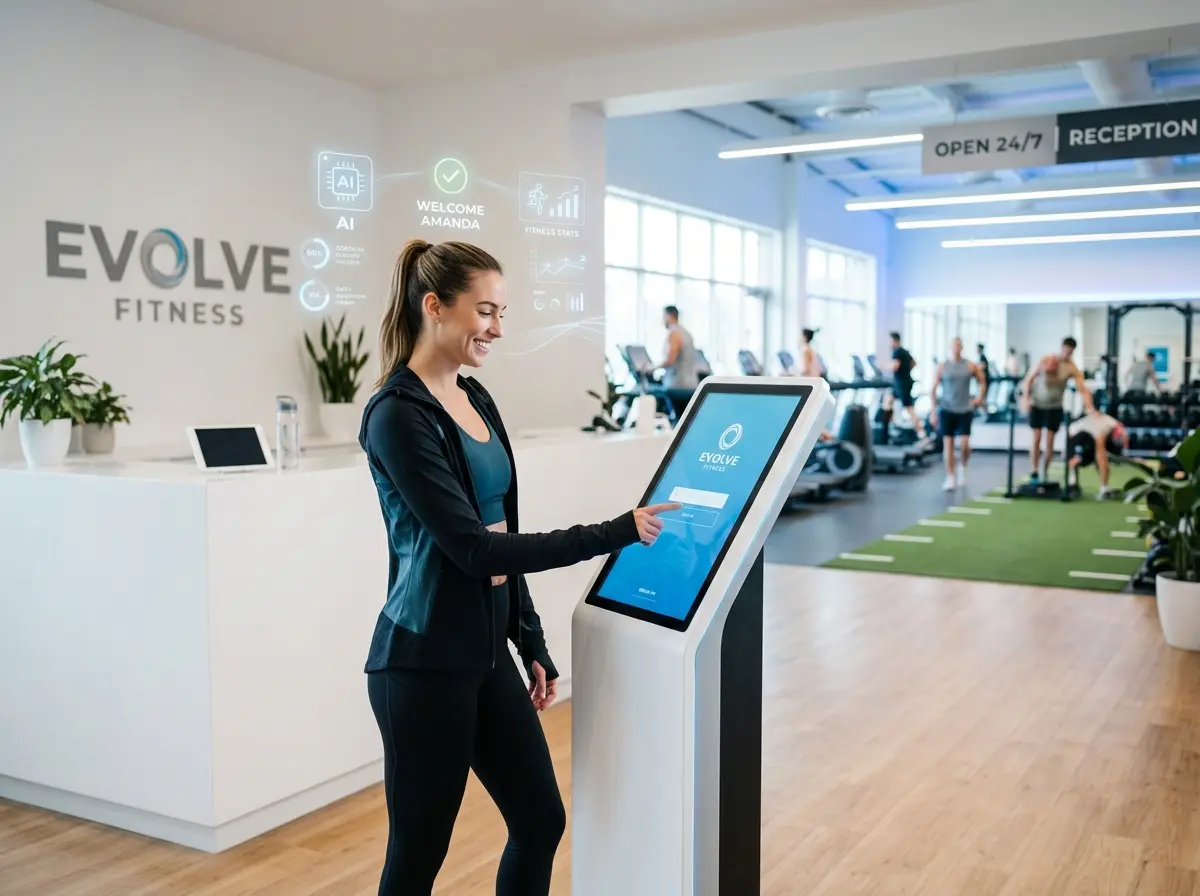
This is exactly the kind of operational pressure that Stella — an AI robot employee and phone receptionist — is built to relieve. For retail businesses, Stella's in-store kiosk presence greets customers, answers product and policy questions, promotes current deals, and handles routine interactions that would otherwise pull your human staff in five directions at once. Meanwhile, she answers your business phone calls 24/7, handles voicemails with AI-generated summaries, and forwards calls to human staff only when genuinely needed. When your team isn't buried in interruptions, you actually have time to sit down with your best people and have the conversations that keep them from leaving.
Running a Stay Interview That Actually Works
Set the Right Tone Before You Start
The setup matters enormously. Don't ambush someone with a stay interview five minutes before their shift starts. Schedule it in advance, give it a name ("I'd love to set aside some time to just check in about how things are going for you"), and hold it somewhere private. If your back office is a chaotic storage area, find a coffee shop nearby. The physical environment signals how seriously you're taking the conversation.
Be transparent about your intentions. Tell them directly: "This isn't about performance — I just want to understand your experience here and see if there's anything I can do to make this a better place for you to work." Most employees will be pleasantly surprised, because most managers never say anything like this.
The Questions That Generate Real Answers
The quality of a stay interview lives or dies by the questions you ask. Generic questions get generic answers. Here are some that consistently surface useful information:
- "What's the best part of your job right now?" — This opens the conversation positively and tells you what to protect.
- "What, if anything, makes you dread coming in?" — This is where the gold is. Let them answer fully before you respond.
- "What would make you start looking for another job?" — Slightly uncomfortable, but critically important. You need to know this.
- "Is there something you're really good at that you feel like you don't get to use here?" — Underutilized talent is a quiet but powerful driver of disengagement.
- "What's one thing I could do differently as a manager to support you better?" — This one takes courage to ask, but it earns enormous respect.
Resist the urge to fill silences. If someone pauses to think, let them think. The best answers often come after a few seconds of quiet reflection that most managers nervously talk over.
What to Do After the Conversation
This part is non-negotiable: you have to follow up. A stay interview where nothing changes is worse than no stay interview at all, because now your employee knows you listened and didn't care enough to act. You don't have to fix everything immediately — and some things may not be fixable — but you need to acknowledge what you heard, explain what you can and can't change, and demonstrate that the conversation had real consequences.
Even small actions matter. If an employee mentioned they feel left out of scheduling decisions, try giving them more input next week. If someone said the lunch rush feels chaotic and stressful, brainstorm solutions together. The specific fix is less important than the signal it sends: I heard you, and you matter here. That signal, delivered consistently, is what retention is actually built on.
Quick Reminder About Stella
Stella is an AI robot employee and phone receptionist that works in your store as a human-sized kiosk — greeting customers, answering questions, and promoting your offerings — while also handling your business phone calls around the clock. At just $99/month with no upfront hardware costs, she's the reliable, tireless team member who handles the routine so your human staff can focus on the work that actually requires a human. Like, for instance, having a 30-minute conversation that keeps your best employee from walking out the door.
Start the Conversation Before It's Too Late
Retail turnover is expensive in ways that go beyond the obvious. The Society for Human Resource Management estimates that replacing an employee can cost anywhere from 50% to 200% of their annual salary when you factor in recruiting, onboarding, lost productivity, and the institutional knowledge that walks out with them. A stay interview costs you 30 minutes and a little humility. The math is not complicated.
So here's your actionable next step: identify your top two or three employees this week and schedule a stay interview with each of them before the end of the month. Use the questions above as a starting point. Take notes. Follow through on at least one thing you hear. Then do it again in six months.
You can't keep everyone forever — that's just reality. But you can keep the right people longer by making them feel seen, valued, and heard. That starts with a conversation. And that conversation starts with you deciding it's worth having.
Your best people deserve more than a surprise exit interview. Give them a stay interview first.